
To apply neem oil, mix one teaspoon of concentrated neem oil with a half-teaspoon of mild liquid soap and one quart of warm water. Shake this solution thoroughly before spraying it directly onto the affected foliage, ensuring you coat both the tops and undersides of the leaves to effectively manage common garden pests.
While neem oil is a popular organic solution for many issues, it is not a magic cure-all for every plant ailment. You must use it consistently to see results, but always avoid applying it during the hottest parts of the day to prevent leaf burn and protect beneficial insects like bees from accidental exposure.
This guide explains the step-by-step process for mixing and applying neem oil correctly to ensure your plants stay healthy without causing damage. By following these practical instructions, you will learn how to safely incorporate this powerful botanical treatment into your regular garden maintenance routine for thriving, pest-free greenery all season long.

Understanding Neem Oil and Its Uses
Neem oil is a naturally occurring pesticide and fungicide extracted from the seeds of the neem tree (Azadirachta indica). For home gardeners, it serves as a popular, organic alternative to synthetic chemicals because it disrupts the life cycle of common pests without leaving harsh residues on your fruits, vegetables, or ornamental plants.
The primary active compound in neem oil is azadirachtin. When insects ingest or come into contact with treated foliage, this compound acts as a growth regulator. It prevents pests from feeding, molting, and reproducing, eventually leading to their decline. Additionally, neem oil is highly effective at coating plant surfaces to smother fungal spores, making it a reliable tool for managing common garden issues.
It is important to manage expectations regarding its efficacy. Neem oil is not a “knock-down” spray that kills pests instantly on contact. Instead, it is most effective when used as a preventative measure or for managing light infestations. You will find it most useful for controlling:
- Aphids: Small, sap-sucking insects that cluster on new growth.
- Spider Mites: Tiny pests that thrive in dry conditions and cause stippling on leaves.
- Powdery Mildew: A common fungal disease that appears as a white, dusty coating on foliage.
Because neem oil works systemically and through contact, consistency is key. It is best applied during the early morning or late evening. Avoid spraying during the heat of the day, as the combination of oil and intense direct sunlight can cause leaf burn. Always perform a patch test on a single leaf before treating an entire plant to ensure it does not cause a negative reaction. By incorporating neem oil into a regular maintenance routine, you can create a healthier environment for your plants while keeping common garden nuisances in check.
Essential Safety and Preparation
Before you begin applying neem oil, safety must be your top priority. While neem oil is a naturally derived pesticide, it is a concentrated substance that requires careful handling to protect both you and your plants.
Always wear appropriate personal protective equipment (PPE) when mixing and spraying. At a minimum, use chemical-resistant gloves to prevent skin irritation and safety goggles to protect your eyes from accidental splashes. If you are mixing a large batch or using a fine-mist sprayer, consider wearing a mask to avoid inhaling aerosolized particles.
Before treating your entire garden, you must perform a patch test to ensure your specific plants do not react negatively to the oil. This process helps you avoid phytotoxicity, which can cause permanent damage to sensitive foliage.
Follow these steps for a safe application:
- Select a single, inconspicuous leaf on the plant you intend to treat.
- Apply a small amount of your diluted neem oil solution to the leaf.
- Wait 24 hours to observe the area for signs of wilting, browning, or yellowing.
- If the leaf remains healthy after 24 hours, it is safe to proceed with a full application.
Timing is equally critical for plant health. Never apply neem oil while your plants are in direct, intense sunlight. The oil creates a thin coating on the leaf surface that can act like a magnifying glass, intensifying the sun’s rays and causing severe leaf burn. For the best results, apply your solution during the early morning or late evening when the sun is low or absent. This allows the oil to be absorbed effectively without the risk of heat-induced damage.
By taking these simple precautions, you ensure that your pest management strategy remains effective without compromising the health of your garden. Always store your concentrated neem oil in a cool, dark place, safely out of reach of children and pets, and remember to wash your hands thoroughly after every application session.
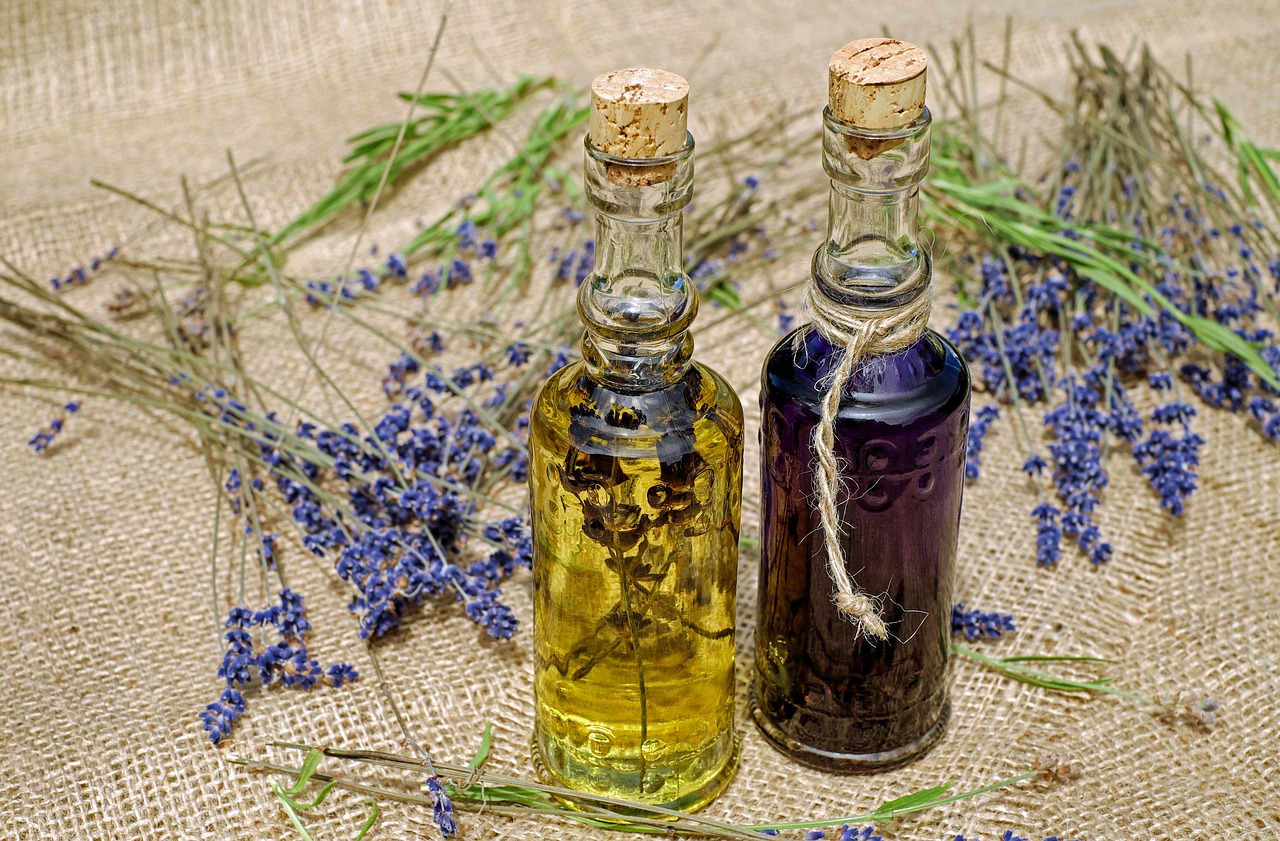
Mixing Your Neem Oil Solution
To effectively use neem oil as a natural pesticide or fungicide, you must first create a stable emulsion. Because oil and water do not naturally mix, the neem oil will simply float on the surface if added to water alone. This separation prevents even coverage and can lead to uneven application, potentially burning leaves if the oil concentration becomes too high in one spot.
You need an emulsifier—typically a mild dish soap or a dedicated horticultural soap—to bridge the gap between the oil and the water. The soap breaks the surface tension, allowing the oil to disperse evenly throughout the mixture.
For a standard, plant-safe solution, follow this mixing ratio:
- Water: 1 quart (approx. 1 liter) of warm (not hot) water.
- Neem Oil: 1 teaspoon of pure, cold-pressed neem oil.
- Emulsifier: 1/4 to 1/2 teaspoon of mild dish soap or horticultural soap.
Start by adding the soap to the warm water and stirring gently. Slowly pour in the neem oil while continuing to stir. The warm water helps the oil liquefy and blend more easily with the soap. Once combined, pour the mixture into your spray bottle. If you are using a larger sprayer, maintain this ratio of approximately one teaspoon of neem oil per quart of water.
Crucial Tip: Only mix what you intend to use immediately. Once neem oil is diluted in water, it begins to break down and loses its efficacy within 8 to 24 hours. Because the mixture degrades quickly, storing it for later use is ineffective and may cause the spray nozzle to clog as the oil separates and hardens. Always prepare a fresh batch for every application to ensure you are providing your plants with the full protective benefits of the neem oil.
Step-by-Step Application Techniques
Applying neem oil effectively requires precision and consistency. Before you begin, ensure your spray bottle is thoroughly cleaned to prevent clogs from previous residues. Fill the bottle with your diluted neem oil solution, shaking it vigorously before and during the process to keep the oil and water emulsified.
When you are ready to spray, focus on a light, even mist. The goal is to create a thin, uniform coating across the plant surface rather than drenching the foliage. Excess liquid that drips off the leaves is wasted and can sometimes cause stress to the plant or lead to fungal issues if the soil stays overly saturated.
Follow these steps for the most effective coverage:
- Target the undersides: Pests like spider mites, aphids, and whiteflies frequently congregate on the underside of leaves. Tilt your nozzle upward to coat these hidden areas thoroughly.
- Cover the tops: Once the undersides are treated, move to the top of the leaves. A light mist here helps deter pests from landing and feeding.
- Don’t forget stems: Pests often hide along the main stems and near the nodes where leaves attach. A quick pass over these areas provides complete protection.
- Check the soil: If you are treating for soil-borne larvae, you can lightly mist the top layer of the potting mix, but avoid soaking it.
Timing is just as critical as technique. Always apply neem oil during the early morning or late evening. Applying it during the heat of the day or in direct, intense sunlight can cause the oil to magnify the sun’s rays, leading to leaf burn. By applying when the sun is low, you allow the solution to dry gradually, ensuring the plant absorbs the benefits without suffering damage.
If you notice persistent pest activity, repeat the application every seven to ten days. Consistency is the key to breaking the life cycle of common garden invaders, ensuring your plants remain healthy and vibrant throughout the growing season.

Follow-up Care and Troubleshooting
Consistency is the key to successful pest management with neem oil. Because it acts primarily as a growth regulator and deterrent, it does not provide an instant “knock-down” effect like synthetic pesticides. For active infestations, apply the solution once every seven days. If you are using it purely as a preventative measure, a bi-weekly application is usually sufficient to keep common pests at bay.
Timing your application is critical to prevent foliage damage. Never apply neem oil during the hottest part of the day or in direct, intense sunlight. The oil can act as a magnifying glass, causing the leaves to “fry” or develop unsightly brown burn spots. Always treat your plants in the early morning or late evening when temperatures are cooler and the sun is low.
Follow these best practices to ensure plant safety:
- Test first: Always spray a small, inconspicuous area of the plant and wait 24 hours to check for signs of phytotoxicity (wilting or discoloration) before treating the entire specimen.
- Shake often: Oil and water naturally separate. Shake your spray bottle vigorously every few minutes during application to maintain a consistent mixture.
- Cover all surfaces: Ensure you coat the undersides of leaves, as this is where pests like spider mites and aphids typically congregate.
You should stop using neem oil once the pest population is under control or if you notice your plant showing signs of stress, such as yellowing leaves or stunted growth. If you have followed a consistent treatment schedule for three weeks without seeing a reduction in the pest population, the infestation may be too severe for organic home remedies. In such cases, stop further applications to avoid stressing the plant unnecessarily. Instead, consult with a local nursery professional or a horticultural extension office. They can help identify if you are dealing with a resistant pest strain or an underlying environmental issue that requires a different management strategy.

Dedicated team of gardening enthusiasts with years of hands-on experience testing lawn mowers, gardening tools, and outdoor equipment. We help home gardeners and professionals alike make informed buying decisions with honest, thorough reviews. From push mowers to pruning shears, we test it all so you don’t have to. Got a gardening tool you’d like us to review? Get in touch!