
To trim a beech hedge effectively, you should prune it once a year in late summer to maintain its shape and density. This simple maintenance routine ensures your plants remain healthy while encouraging thick, vibrant foliage growth throughout the following season. Beech hedges are prized for their elegant leaves and unique ability to retain them during winter.
Achieving a professional-looking finish requires patience and an understanding of the plant’s growth habits. While beech is relatively low-maintenance, improper cutting can lead to gaps or stunted development. By following a consistent schedule, you help the hedge form a dense, formal screen that provides excellent privacy and structure for your garden landscape.
This guide provides all the practical information you need to master the process with confidence. We will cover the best timing for your climate, the essential tools required for clean cuts, and the specific techniques needed to achieve a perfectly straight, tapered shape. Follow these expert steps to keep your beech hedge flourishing year after year.
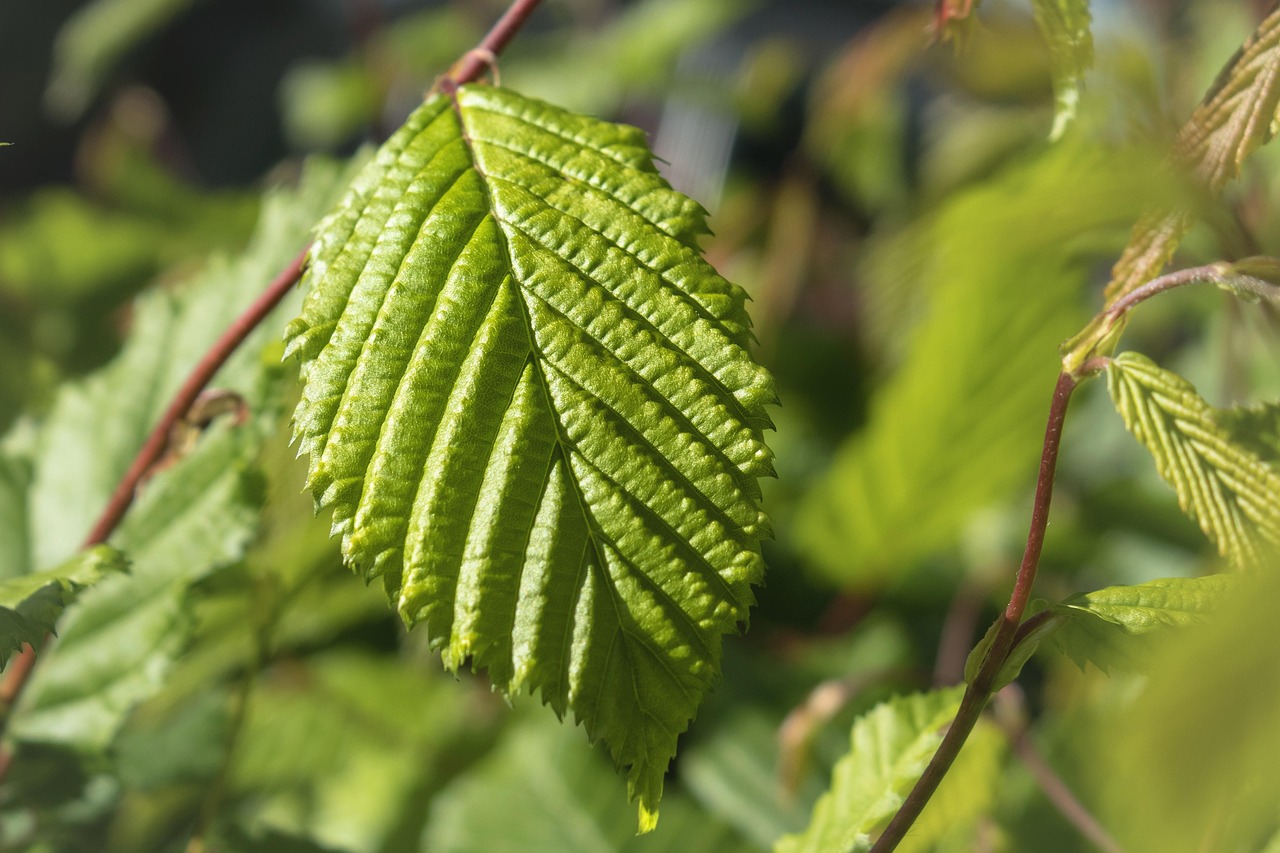
The Best Time to Trim Your Beech Hedge
Timing your beech hedge trimming is essential for maintaining a dense, healthy structure. Because beech trees are vigorous growers, pruning at the wrong moment can either stress the plant or leave it vulnerable to winter damage. Understanding the natural growth cycle of the Fagus sylvatica is the secret to a professional-looking finish.
The primary window for a thorough prune is late summer, ideally during August. At this stage, the hedge has finished its main flush of growth for the year. Trimming now allows the plant enough time to heal its cuts and harden off before the first frosts arrive. If you prune too late in the autumn, the fresh wounds may not seal properly, leaving the hedge susceptible to dieback during cold snaps.
For those who prefer a sharp, formal aesthetic, a secondary light tidy-up is possible. You can perform this quick pass in late spring to remove any stray, wayward shoots that have emerged since the previous season. However, you must exercise extreme caution during this period.
To keep your garden safe and compliant with wildlife regulations, follow these timing guidelines:
- Avoid heavy pruning between March and July: This period coincides with the peak bird nesting season. Disturbing hedges during this time is not only disruptive to local wildlife but is also discouraged—and in some regions, legally restricted—to protect nesting birds.
- Target August for the main cut: This ensures your hedge remains tidy throughout the winter months while giving the foliage time to recover.
- Monitor local weather: If you experience an exceptionally dry summer, delay your August trim by a week or two to ensure the plant is not under drought stress.
By sticking to this schedule, you balance the health of your hedge with the needs of your local ecosystem. A well-timed trim results in a thicker, more vibrant screen that will reward you with beautiful, copper-colored leaves throughout the autumn and winter.
Essential Tools and Safety Preparation
Achieving a clean, professional finish on your beech hedge begins with selecting the right equipment. For younger hedges or minor touch-ups, high-quality, sharp manual hedge shears are often sufficient. For established, dense hedges, a powered hedge trimmer will save significant time and physical effort. Regardless of your choice, ensure blades are clean and sharpened before you start; dull blades tear plant tissue, which can leave your beech hedge vulnerable to disease and pests.
Safety is the most critical aspect of hedge maintenance. Before making your first cut, equip yourself with the following personal protective gear:
- Sturdy gloves: Protect your hands from thorns, sharp twigs, and friction blisters.
- Eye protection: Safety goggles are essential to shield your eyes from flying debris and falling clippings.
- Long sleeves and trousers: Durable clothing prevents scratches and keeps debris from irritating your skin.
If you are using an electric or cordless trimmer, always remain mindful of the power cable. Keep the cord positioned behind you at all times to prevent accidental cutting. If you are using a corded model, consider using a high-visibility cable to make it easier to track.
Working at height requires extra caution. If your beech hedge is tall, use a stable, wide-based platform or a secure stepladder. Never attempt to overreach, as this shifts your center of gravity and increases the risk of a fall. Most importantly, avoid the common mistake of operating a heavy, vibrating power tool while standing on a ladder. If you cannot reach the top of the hedge safely while keeping both feet firmly planted on a stable surface, consider using a long-reach pole trimmer instead.
By preparing your tools and prioritizing your physical safety, you create the ideal conditions for a successful pruning session. Taking these precautions not only protects you from injury but also ensures that you can focus entirely on achieving the precise, uniform shape that makes a beech hedge a stunning feature in any garden.

Step-by-Step Trimming Technique
Begin your trimming process by focusing on the sides of the beech hedge. Always work from the bottom upward, using long, sweeping motions with your shears or hedge trimmers. This approach ensures you maintain control and prevents you from accidentally cutting too deeply into the foliage.
As you trim the sides, aim for a slight inward taper toward the top, creating a shape that is narrower at the peak and wider at the base. This “A-frame” profile is essential for the long-term health of your hedge. It ensures that sunlight can reach the lower branches, which prevents the base from becoming thin, woody, or bare over time.
Once the sides are straight and evenly tapered, move on to the top of the hedge. To achieve a perfectly level finish, follow these steps:
- Drive a stake into the ground at both ends of the hedge row.
- Tie a taut piece of string between the stakes at your desired final height.
- Use this string as a visual guide to ensure your cut remains perfectly horizontal as you move across the length of the hedge.
Precision is key to encouraging vigorous growth. When making your cuts, aim to snip just above a leaf node—the point where a leaf or bud meets the stem. Cutting too far above the node leaves an unsightly, dying stub, while cutting too close can damage the bud itself. Clean, sharp cuts just above these nodes signal the plant to redirect its energy into producing new, dense shoots.
Finally, step back frequently to assess your progress. It is always easier to remove a little more foliage later than it is to fix a gap created by cutting too aggressively. By maintaining a steady rhythm and checking your work from a distance, you will achieve a professional, dense, and healthy beech hedge that thrives throughout the growing season.
Managing Debris and Tool Maintenance
Once your beech hedge is shaped, the cleanup process is just as vital as the cutting itself. Leaving clippings at the base of the hedge creates a damp, sheltered environment that encourages fungal growth and provides a breeding ground for pests. Use a sturdy rake to clear away all debris immediately, ensuring the ground beneath the hedge remains clear and well-ventilated.
Proper tool maintenance is essential for the long-term health of your plants. After finishing your trim, follow these steps to keep your equipment in peak condition:
- Wipe down blades: Use a damp cloth to remove sticky sap and plant residue from your shears or hedge trimmers.
- Sanitize: If you suspect any disease in the hedge, wipe the blades with a mild disinfectant to prevent cross-contamination.
- Apply oil: Once clean and dry, apply a light coat of machine oil to the blades. This creates a protective barrier against rust, especially if you store your tools in a shed or garage.
If you are using power tools, take a moment to inspect the blades for sharpness. It is a common mistake to overlook dull equipment, but blunt blades are detrimental to beech hedges. Instead of making a clean, surgical incision, a dull blade will crush and tear the woody stems. This ragged damage leaves the plant vulnerable to moisture loss and creates easy entry points for pathogens and browning.
If you notice the blades are struggling to slice through stems cleanly, or if you see frayed edges on the cut branches, it is time to sharpen or replace the blades. Investing in a professional sharpening service or using a quality file will ensure your hedge recovers quickly from the trim. A clean cut heals rapidly, allowing the beech to push out new, healthy growth rather than wasting energy fighting off infection. Always store your tools in a dry, secure location to extend their lifespan and ensure they are ready for the next maintenance session.

Follow-up Care and Troubleshooting
Once you have finished trimming your beech hedge, the plants will need a brief recovery period. A heavy prune can be stressful, so your immediate priority is hydration. Water the hedge thoroughly at the base, ensuring the moisture reaches deep into the root zone rather than just wetting the surface foliage.
Applying a layer of organic mulch, such as wood chips or well-rotted compost, is highly beneficial. A two-inch layer around the base helps retain soil moisture, suppresses competing weeds, and provides slow-release nutrients as the mulch breaks down. Keep the mulch a few inches away from the main stems to prevent rot.
If you notice large gaps or significant dieback, resist the urge to cut back harder. Beech hedges do not regenerate well from old, woody growth. Instead, follow these steps to restore density over time:
- Prune existing branches lightly to encourage lateral budding.
- Feed the hedge with a balanced, slow-release fertilizer in early spring.
- Be patient; it may take several growing seasons for the hedge to fill in naturally.
Keep a close eye on the health of your leaves and bark throughout the season. If you spot white, woolly patches on the stems, your hedge may be suffering from beech scale. Similarly, dark or discolored spots on the foliage can indicate fungal issues. These problems are often easier to manage when caught early, but they can compromise the plant’s long-term structure if ignored.
If the hedge appears severely overgrown, structurally unstable, or shows widespread signs of disease, avoid DIY intervention. In these cases, it is best to consult a professional arborist. An expert can assess the overall vitality of the root system and determine if the hedge can be saved or if it requires specialized treatment to recover. Proper professional assessment prevents further damage and ensures your hedge remains a healthy, vibrant feature of your garden for years to come.

Dedicated team of gardening enthusiasts with years of hands-on experience testing lawn mowers, gardening tools, and outdoor equipment. We help home gardeners and professionals alike make informed buying decisions with honest, thorough reviews. From push mowers to pruning shears, we test it all so you don’t have to. Got a gardening tool you’d like us to review? Get in touch!