
Fungus gnats are a common frustration for indoor gardeners, but they can be managed with the right trapping techniques. This guide explains how to identify, trap, and reduce gnat populations using safe, practical methods to protect your houseplants. By understanding their life cycle, you can quickly stop these annoying pests from damaging your greenery.
It is important to remember that while traps are highly effective, they are rarely a total solution on their own. These small insects thrive in moist soil, so consistent monitoring and adjusting your watering habits are essential for long-term success. Expect to use a combination of physical traps and preventative cultural practices.
In the following sections, we will walk you through the most reliable ways to capture adult gnats and disrupt their breeding cycle. You will learn how to set up simple DIY traps, choose the best sticky cards, and implement soil treatments that keep your indoor garden healthy, thriving, and completely free from flying pests.
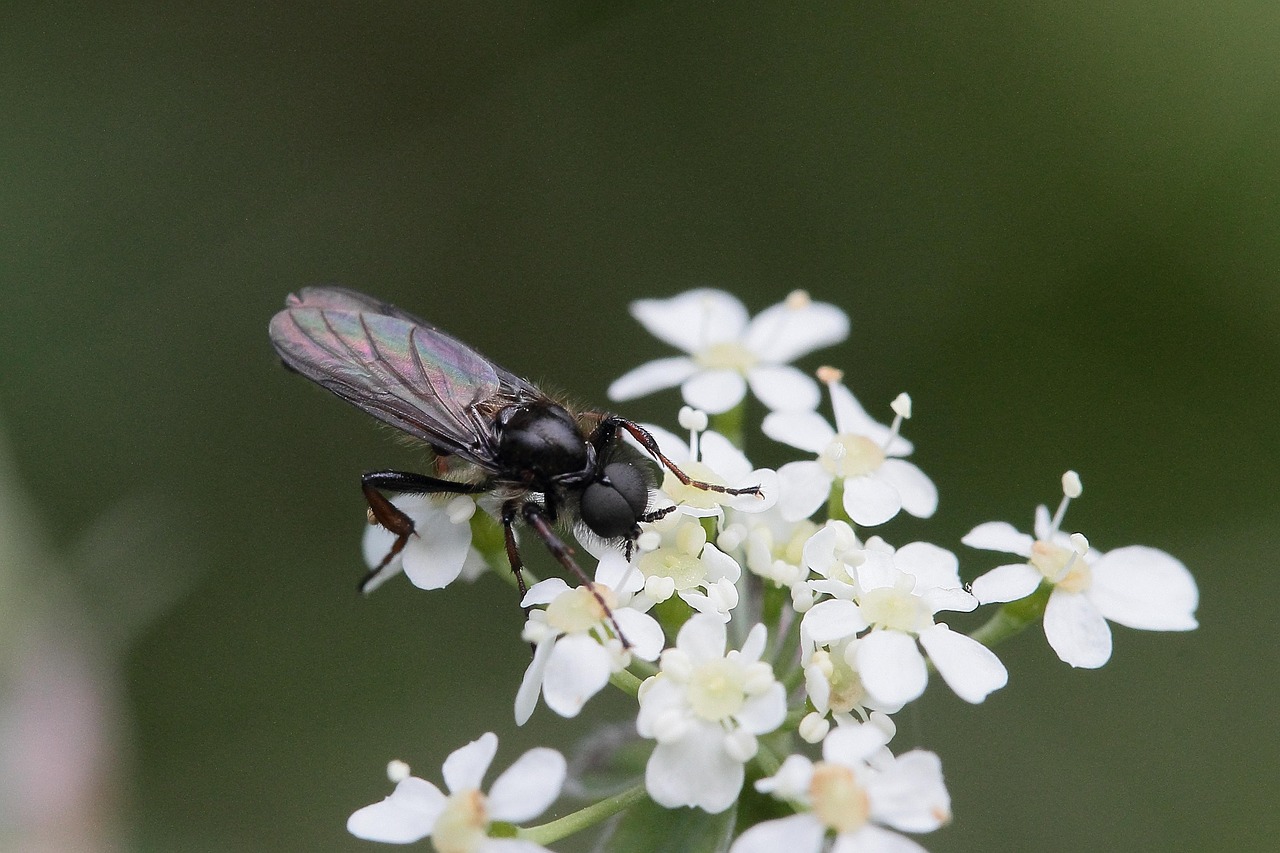
Understanding Why You Have Fungus Gnats
Fungus gnats are more than just a nuisance; they are a sign that the environment inside your plant pot has become a breeding ground. These tiny, black insects are attracted to moisture and decaying organic matter. If you notice small flies hovering near your plants or scurrying across the soil surface, you are likely dealing with an infestation rooted in your potting mix.
The life cycle of a fungus gnat begins in the soil. Adult females lay hundreds of eggs in damp, nutrient-rich earth. Once these eggs hatch, the larvae feed on organic debris, fungi, and occasionally the delicate root hairs of your plants. Because the larvae live beneath the surface, simply swatting the flying adults is rarely enough to solve the problem.
To effectively manage a gnat population, you must address the two primary factors that allow them to thrive:
- Excessive Moisture: Gnats require damp soil to survive. Overwatering is the most common cause of an infestation, as it creates the perfect incubation environment for larvae.
- Organic Decay: Fungus gnats feed on decomposing plant material. Old leaves resting on the soil surface or low-quality potting mixes with high peat content can provide a steady food source.
Before you set up traps, take a moment to inspect your watering habits. If the top inch of your soil remains consistently soggy, the larvae will continue to develop regardless of how many adults you catch. The most successful approach combines trapping the flying adults to stop the reproductive cycle while simultaneously allowing the soil to dry out between waterings. This two-pronged strategy disrupts the life cycle at both the surface and the root level.
By identifying these pests early, you can prevent them from spreading to your other houseplants. Remember that healthy, well-draining soil is your best defense. If you see gnats, treat it as a signal that your plant’s environment needs a minor adjustment rather than an immediate need for harsh chemical intervention.
Using Yellow Sticky Traps for Adult Gnats
Yellow sticky traps are one of the most effective tools for managing a fungus gnat infestation. These insects are naturally drawn to the color yellow, which they perceive as a lush, healthy foliage source. By placing these traps near your plants, you can capture the adult gnats before they have the opportunity to lay more eggs in your potting soil.
To use these traps effectively, follow these practical steps:
- Placement: Insert the trap into the soil using the provided stake. Position it just above the soil surface, as this is where adult gnats spend most of their time hovering.
- Avoid Contact: Ensure the sticky surface does not touch the leaves or stems of your plant. The adhesive is very strong and can tear delicate foliage or leave behind a sticky residue that is difficult to remove.
- Density: If you have a severe infestation, use multiple traps per plant. One trap is rarely enough to catch a large population quickly.
While sticky traps are excellent for monitoring and reducing the adult population, they are only one part of a comprehensive strategy. Because these traps do not kill the larvae living inside the soil, you must pair them with other methods, such as bottom-watering or applying beneficial nematodes, to stop the life cycle entirely. Think of the traps as a way to break the breeding cycle by removing the egg-layers from the environment.
Monitor your traps every few days. Once the surface is covered in gnats, replace it with a fresh one. If you notice that you are no longer catching new insects on the traps, it is a strong indicator that you have successfully brought the population under control. Keep the traps in place for at least two weeks after you stop seeing gnats to ensure that no late-hatching adults remain in your indoor garden. This consistent approach is the fastest way to clear your home of these persistent pests.

Creating DIY Vinegar and Soap Traps
If you are looking for an effective, low-cost way to manage a fungus gnat infestation, a DIY vinegar trap is one of the most reliable methods. These traps work by mimicking the scent of decaying organic matter, which naturally draws the gnats away from your houseplants and into a contained area.
To create your own trap, follow these simple steps:
- Fill a small, shallow container—such as a ramekin or a jar lid—with about an inch of apple cider vinegar.
- Add a single drop of liquid dish soap to the mixture. Stir it gently to combine without creating too many bubbles.
- Cover the top of the container tightly with plastic wrap.
- Use a toothpick or a fork to poke several tiny holes in the plastic surface.
The science behind this method is straightforward. The apple cider vinegar acts as the primary lure, enticing the gnats to crawl through the holes in the plastic. Once they land on the liquid, the dish soap is essential; it breaks the surface tension of the vinegar, preventing the gnats from resting on top. Without that tension, the insects immediately sink and are unable to escape.
For the best results, place these traps directly on the soil surface of your infested plants or in areas where you notice the most flying activity. Check the traps every few days and refresh the mixture as needed.
While this method is highly effective, safety remains a priority. Always handle glass containers with care to avoid breakage. Because the liquid can be harmful if ingested, ensure that these traps are placed in locations that are completely out of reach of curious children and household pets. If you have multiple plants affected, setting up several small traps across your indoor garden will help you gain control over the population much faster than relying on a single trap alone.
Safety Precautions and Best Practices
Managing a fungus gnat infestation requires a mindful approach to safety. Whether you are using commercial sticky traps, DIY solutions, or household tools, prioritizing your well-being and the safety of your home environment is essential for a successful pest control routine.
When handling sticky traps, be aware that the adhesive is designed to be extremely tacky. This substance can be difficult to remove from skin and may cause irritation. Always wash your hands thoroughly with warm, soapy water immediately after placing or repositioning traps to avoid spreading the adhesive to your face or other surfaces.
If you are using tools to customize your setup, follow these safety guidelines:
- Use sharp scissors or utility knives only on stable surfaces; never cut toward your body.
- Keep all cutting tools out of reach of children and pets when not in use.
- Secure all stakes firmly into the potting soil to prevent traps from tipping over, which could cause the adhesive to stick to leaves or furniture.
Many gardeners turn to chemical sprays or concentrated soaps to eliminate gnat larvae. If you choose to use these products, you must prioritize air quality. Always use chemical treatments in well-ventilated areas, preferably near an open window or with a fan running to circulate air. Never apply sprays in enclosed spaces like small bathrooms or closets without adequate airflow.
Always read the manufacturer’s label in its entirety before application. Follow the specific safety instructions provided, including requirements for personal protective equipment like gloves or masks. If a product label warns against indoor use, do not ignore it; instead, move the affected plants to a porch or balcony for treatment.
Finally, keep all gardening supplies, including traps and liquid treatments, in their original containers. Store them in a cool, dry place away from food preparation areas. By maintaining a clean and organized workspace, you protect yourself and your household while effectively managing your indoor garden’s health.

Follow-up Care and Long-Term Prevention
Trapping adult fungus gnats is an effective way to reduce the immediate population, but it does not address the root cause of the infestation. To permanently eliminate these pests, you must disrupt their life cycle by targeting the larvae living in your potting soil.
The most important step in long-term prevention is adjusting your watering habits. Fungus gnat larvae thrive in consistently damp, organic-rich soil. By allowing the top inch of your potting mix to dry out completely between waterings, you create a hostile environment that prevents larvae from surviving and stops adult gnats from laying new eggs.
If your infestation persists despite consistent trapping and improved watering practices, consider these targeted interventions:
- Use Biological Controls: Dissolve a piece of a mosquito dunk (containing Bacillus thuringiensis israelensis) in your watering can. This naturally occurring bacteria specifically targets gnat larvae without harming your plants or household pets.
- Refresh the Soil: If a plant is severely infested, the most reliable solution is to repot it entirely. Gently remove the plant, discard the old, contaminated soil, and rinse the roots. Replant using fresh, sterile potting mix to ensure no larvae remain.
- Apply a Top Dressing: Adding a layer of horticultural sand or fine gravel to the surface of your soil can create a physical barrier. This prevents adult gnats from reaching the soil to lay eggs and keeps the surface dry, which discourages new activity.
Consistency is key. Because fungus gnats have a rapid life cycle, you may need to maintain these practices for two to three weeks to ensure you have caught every emerging generation. Once the population is under control, continue to prioritize proper drainage and avoid overwatering. Preventing soil saturation is the single most effective way to keep your indoor garden free of gnats for the long term.

Dedicated team of gardening enthusiasts with years of hands-on experience testing lawn mowers, gardening tools, and outdoor equipment. We help home gardeners and professionals alike make informed buying decisions with honest, thorough reviews. From push mowers to pruning shears, we test it all so you don’t have to. Got a gardening tool you’d like us to review? Get in touch!