
To rid your home of gnats on plants, you must first address the moisture levels in your soil. Fungus gnats are common indoor pests often caused by overwatering, which creates the damp environment they need to thrive. By drying out the top layer of soil, you can effectively disrupt their breeding cycle and stop the infestation.
While these tiny insects are mostly a nuisance rather than a threat to healthy plants, they can quickly multiply if left unchecked. It is important to set realistic expectations, as eliminating a full-blown infestation requires consistency and patience. Understanding that these pests feed on decaying organic matter helps you better manage your indoor garden environment.
This guide explains how to identify these pests and provides safe, practical methods to eliminate these nuisance insects from your home. We will cover effective traps, soil treatments, and preventative watering habits to ensure they do not return. Follow these proven steps to restore your houseplants to their healthy, pest-free state starting today.
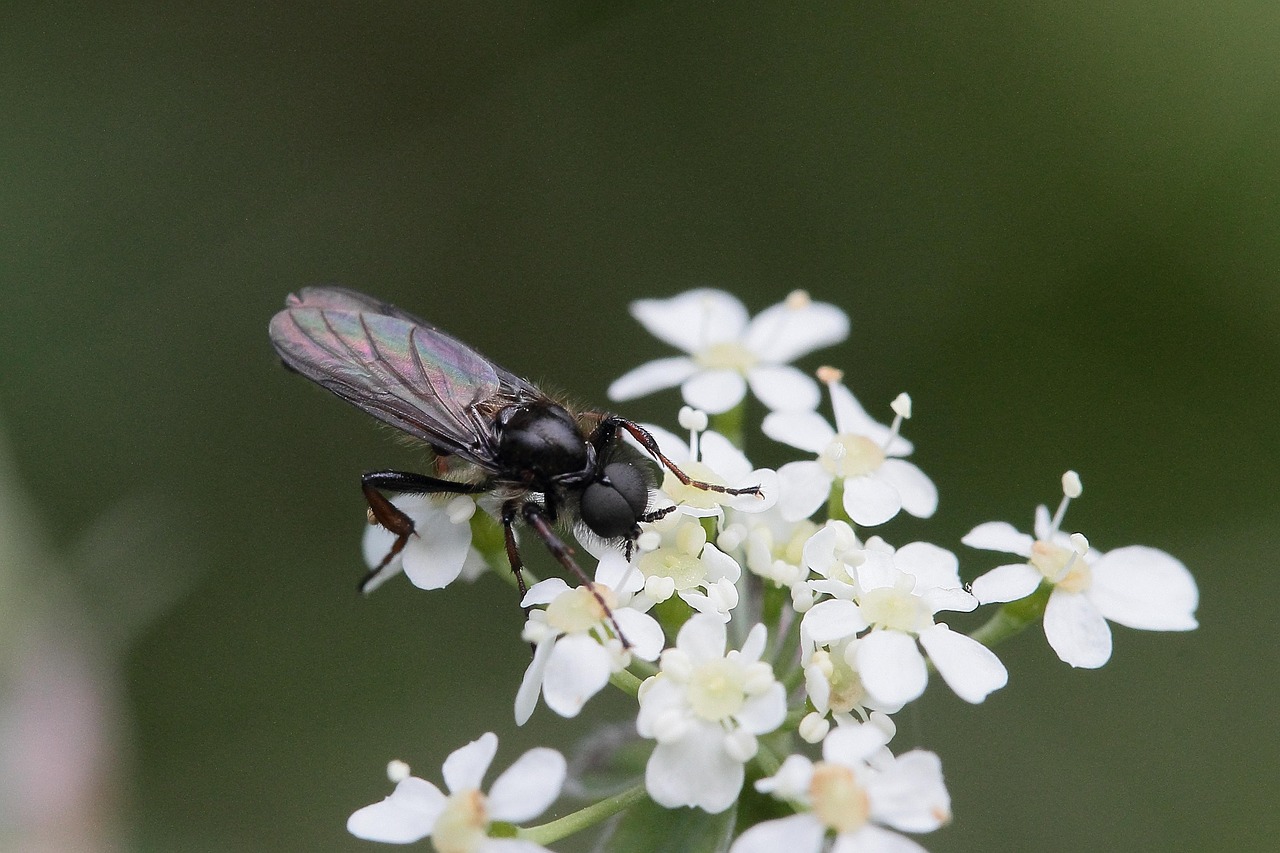
Identify and Confirm the Infestation
Before you begin treatment, you must confirm that you are actually dealing with fungus gnats. Many indoor plant pests look similar, but fungus gnats have specific behaviors and physical traits that set them apart from common threats like whiteflies or spider mites.
Fungus gnats are tiny, delicate, black-bodied flies. You will most often notice them hovering erratically around the surface of your potting soil or resting on the leaves of your houseplants. Unlike aphids, which cluster on stems, or spider mites, which create fine webbing, fungus gnats are primarily airborne nuisances that are drawn to the moisture and organic matter found in damp soil.
To confirm an infestation, perform a quick physical inspection of your plants:
- Observe flight patterns: If tiny flies take off from the soil surface when you touch the pot or water the plant, they are likely fungus gnats.
- Check the soil: Use a magnifying glass to examine the top inch of your potting mix. Fungus gnat larvae are small, translucent, worm-like creatures with distinct black heads.
- Look for damage: While adult gnats do not harm plants, their larvae feed on organic debris and delicate root hairs. If your plant is suddenly wilting or showing yellowing leaves despite proper watering, the larvae may be compromising the root system.
Fungus gnats thrive in environments where soil stays consistently wet. If your potting mix is dense, lacks proper drainage, or has been kept soggy for an extended period, it becomes the perfect breeding ground for these pests. They lay eggs in the top layer of moist soil, where the larvae hatch and begin their life cycle.
If you see adults flying but find no larvae in the top layer, you may simply have a few stray insects. However, if you spot the larvae, you have an active infestation that requires immediate intervention. Identifying the problem early is the most effective way to prevent the population from exploding and spreading to your other indoor plants.
Immediate Cultural Controls
The most effective, immediate way to eliminate a fungus gnat infestation is to disrupt their reproductive cycle by altering the soil environment. Fungus gnats thrive in consistently moist, organic-rich soil, which provides the perfect breeding ground for their larvae. By allowing the top two inches of your potting medium to dry out completely between waterings, you effectively kill the larvae currently living in the upper soil layers.
When the surface remains dry, it becomes inhospitable for eggs and larvae, forcing the population to collapse. Before watering again, use your finger to test the soil depth; if it still feels damp, wait another day or two. Consistent drying is the single most important cultural control you can implement.
To support this process and prevent re-infestation, you must also address moisture accumulation and organic debris:
- Empty drainage saucers: Never allow your plants to sit in standing water. After watering, wait 15 minutes and discard any excess liquid that has collected in the saucer or decorative pot.
- Clear surface debris: Fungus gnat larvae feed on decaying organic matter. Remove fallen leaves, dead stems, or moldy topsoil from the surface of your pots to eliminate their primary food source.
- Improve airflow: Ensure your plants have adequate space between them. Good air circulation helps the soil surface dry faster and discourages adult gnats from congregating around your containers.
If you have multiple plants, isolate the infested ones immediately. Because these pests can fly, they will quickly move to neighboring pots if the conditions are favorable. By maintaining a strict drying schedule and keeping the soil surface clean, you remove the essential resources these pests need to survive. This cultural approach is not only the safest method for your plants but also the most sustainable long-term solution for keeping your indoor garden gnat-free. If the infestation persists after two weeks of strict moisture control, you may then consider supplemental physical traps or biological controls.

Mechanical and Physical Trapping Methods
Yellow sticky traps are one of the most effective mechanical methods for managing a fungus gnat infestation. These pests are naturally attracted to the color yellow, which mimics the appearance of bright flowers or foliage. By placing these traps in your home, you can capture adult gnats before they have the chance to lay more eggs in your potting soil.
To use these traps correctly, follow these simple steps:
- Remove the protective film from the adhesive side of the trap.
- Place the trap horizontally or vertically near the base of the plant.
- Position the trap as close to the soil surface as possible, as this is where adult gnats congregate.
- Ensure the sticky surface does not touch the plant’s leaves or stems, as the adhesive can damage delicate foliage.
- Secure the trap using a small stake or by tucking it firmly into the soil.
For best results, check your traps every few days. Once the surface is covered in gnats, replace it with a fresh trap to ensure you continue capturing the remaining population. This process helps you monitor the severity of the infestation while actively reducing the number of breeding adults.
It is important to remember that sticky traps are a supplementary tool rather than a complete solution. While they are highly effective at trapping flying adults, they do not address the root of the problem: the larvae living in the damp soil. Because these traps cannot reach the eggs or larvae, you must pair them with other control methods, such as bottom-watering your plants or applying a biological control like Bacillus thuringiensis israelensis (BTI). Using traps alone will rarely eliminate an infestation entirely, as new adults will continue to emerge from the soil until the larvae are eradicated. By combining physical trapping with moisture control, you create a comprehensive strategy to break the gnat life cycle and protect your indoor garden.
Safe Treatment Options for Soil
When dealing with a persistent fungus gnat infestation, the most effective and safest solution for your home is Bacillus thuringiensis israelensis, commonly known as BTI. This naturally occurring bacterium specifically targets the larvae of gnats and mosquitoes without harming your houseplants, pets, or family members.
BTI is widely available in the form of mosquito dunks or granules. Because these products are designed to be released over time, the best way to treat your soil is to create a BTI-infused irrigation solution. Follow these steps for consistent results:
- Place a portion of a mosquito dunk or a teaspoon of granules into a gallon of water.
- Allow the product to soak for at least 30 minutes to several hours so the bacteria can fully dissolve.
- Remove any remaining solid pieces of the dunk if desired, or leave them in the watering can for continued potency.
- Use this treated water for all your regular plant irrigation needs.
You should continue using this method for every watering cycle for at least three to four weeks. This duration is critical because it ensures that you catch new generations of larvae as they hatch from eggs laid in the top layer of the soil.
While BTI is non-toxic and environmentally friendly, it is still a concentrated soil amendment. To maintain proper hygiene and safety during your gardening routine, please observe the following precautions:
- Always wear gardening gloves when handling concentrated granules or breaking apart dunks to prevent skin irritation.
- Avoid touching your face or eyes while working with these products.
- Wash your hands thoroughly with soap and warm water immediately after you finish watering your plants.
By integrating BTI into your regular care routine, you interrupt the gnat life cycle at the source. This approach is significantly safer than using harsh chemical insecticides indoors and provides a long-term, sustainable way to keep your indoor garden healthy and pest-free.

Follow-up Care and Prevention
Consistency is the most critical factor in eliminating fungus gnats. Because these pests have a multi-stage life cycle, you must treat your plants for at least two to three weeks to ensure you catch the larvae as they hatch. Do not stop treatment the moment you stop seeing flying adults, as eggs may still be dormant in the soil.
To prevent future infestations, change the environment so it is less hospitable to adult gnats:
- Apply a top dressing: Cover the top inch of your potting soil with a layer of horticultural sand, fine gravel, or decorative stones. This physical barrier prevents adult gnats from reaching the moist soil to lay their eggs.
- Adjust watering habits: Allow the top two inches of soil to dry out completely between waterings. Fungus gnat larvae thrive in consistently damp conditions; drying out the surface kills them and makes the soil less attractive for egg-laying.
- Use yellow sticky traps: Keep these near the base of your plants to capture remaining adults, which helps monitor the population size.
You generally do not need to repot your plant unless the soil has become severely degraded or the infestation is overwhelming. If you choose to repot, ensure you use fresh, high-quality potting mix and a container with adequate drainage holes. Avoid using old or improperly stored soil, as it may already contain gnat eggs.
If you have followed a consistent treatment plan for four weeks and still see a high volume of gnats, the infestation may be too deep-seated to resolve. In these cases, it is often better to discard the plant to protect your other indoor greenery. If you are dealing with a rare or expensive specimen, contact a local nursery or a professional plant care service for specialized advice. Sometimes, a professional-grade soil drench or systemic treatment is necessary to save a severely compromised plant.

Dedicated team of gardening enthusiasts with years of hands-on experience testing lawn mowers, gardening tools, and outdoor equipment. We help home gardeners and professionals alike make informed buying decisions with honest, thorough reviews. From push mowers to pruning shears, we test it all so you don’t have to. Got a gardening tool you’d like us to review? Get in touch!