
To prune a beech hedge effectively, you should trim it once a year in late summer to maintain a tidy shape. This timing encourages dense, healthy foliage while allowing the plant to recover before winter dormancy. By following these simple steps, you can ensure your hedge remains a thick, vibrant boundary for your property.
Achieving a perfectly manicured beech hedge requires patience and the right approach to seasonal growth. While beech is relatively low-maintenance, it does not tolerate harsh, radical cutting into old wood very well. Understanding the natural growth cycle of your plants is essential for setting realistic expectations and preventing long-term damage to your hedge.
This comprehensive guide covers everything you need to know about the best techniques for pruning beech hedges to promote vigorous development. We will walk you through the essential tools required and the step-by-step process for keeping your hedge healthy throughout the changing seasons. Follow these practical tips to master the art of hedge maintenance.
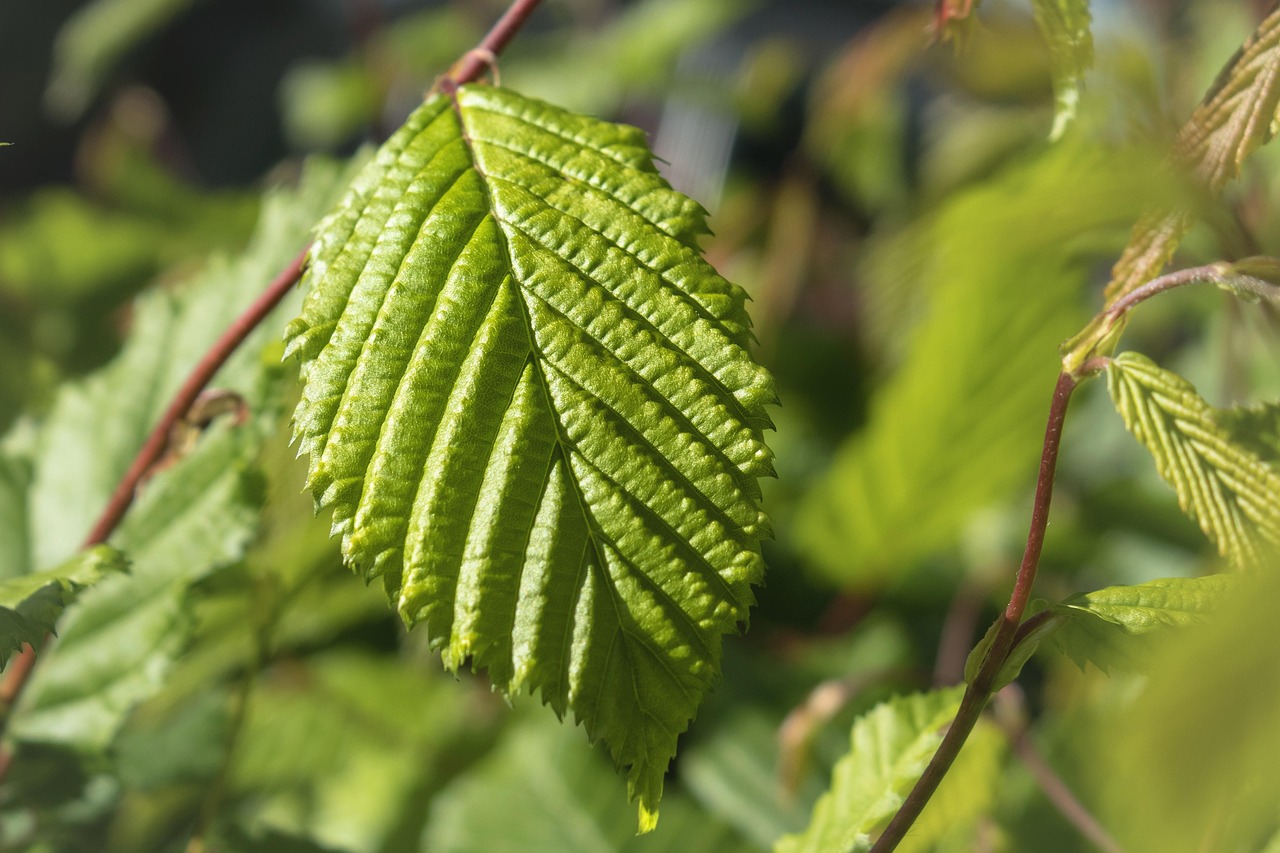
When to Prune Your Beech Hedge
Timing is critical when maintaining a beech hedge. Unlike some fast-growing shrubs that require multiple trims, beech hedges generally only need to be pruned once a year. The ideal window for this task is in late summer, typically between late July and August.
Pruning during this period allows the hedge to recover and heal its cuts before the onset of winter dormancy. Because beech growth slows significantly by late summer, a single trim at this time is usually sufficient to maintain a neat, sharp appearance throughout the autumn and winter months.
Before you begin, consider these essential guidelines for safe and effective timing:
- Check for nesting birds: Avoid heavy pruning in early spring. Birds often nest in dense hedges during this time, and disturbing them is both harmful to wildlife and illegal in many regions. Always inspect the foliage thoroughly before starting.
- Monitor weather conditions: Aim for a cool, overcast day to prune. Trimming in direct, intense sunlight can cause the newly exposed inner leaves to scorch, leading to unsightly brown patches.
- Watch the growth cycle: If you prune too early in the spring, you may stimulate a flush of soft, tender growth that is susceptible to frost damage. Waiting until the current season’s growth has fully hardened off ensures a more resilient hedge.
If you have an established, mature hedge, this late-summer trim is all that is required to keep it dense and well-shaped. By focusing your efforts on this specific timeframe, you encourage the plant to retain its characteristic copper-colored leaves well into the winter, providing both privacy and visual interest for your garden year-round.
If you notice any dead, diseased, or damaged branches, these can be removed at any time of year regardless of the general pruning schedule. However, for the main structural shape, stick strictly to the late summer window to ensure the long-term health and vigor of your beech hedge.
Essential Tools and Safety Precautions
Pruning a beech hedge requires the right equipment to ensure clean cuts and healthy regrowth. Using dull or inappropriate tools can crush stems, leaving the plant vulnerable to disease. For young, formative hedges, sharp manual hedge shears are ideal as they allow for precise, controlled cuts. As your hedge matures and grows denser, a powered hedge trimmer becomes necessary to maintain a tidy shape efficiently.
Before you begin, prioritize your safety by gathering the correct protective gear. Beech leaves and twigs can be sharp, and debris often flies toward the face during trimming. Always wear:
- Protective eyewear: Essential for shielding your eyes from flying wood chips and dust.
- Sturdy gardening gloves: Choose thick, durable leather or reinforced synthetic gloves to prevent cuts and scratches from stiff branches.
- Long-sleeved clothing: This provides an extra layer of protection against skin irritation and minor abrasions.
If you are using powered equipment, extra caution is required to prevent accidents. Always inspect your power cords for signs of fraying or damage before plugging them in. If you discover any exposed wires, do not use the tool until it has been professionally repaired or replaced. When operating the trimmer, maintain full awareness of the cord’s position; keep it behind you at all times to prevent accidental slicing.
Never attempt to prune high sections of your hedge while standing on an unstable surface or an improvised platform. If the top of the hedge is out of reach, use a stable, professional-grade ladder or a long-reach trimmer designed for the task. If you must use a ladder, ensure it is placed on firm, level ground and never overreach. If you feel unsteady, it is safer to descend and reposition the ladder rather than risking a fall. By prioritizing these safety protocols, you ensure that your gardening session remains productive and injury-free, allowing you to focus entirely on achieving a perfectly shaped, thriving beech hedge.

Step-by-Step Pruning Technique
Start your pruning process by focusing on the sides of the beech hedge. Use sharp, clean hedge shears or a powered trimmer to create a slight taper, ensuring the base remains wider than the top. This “A-frame” shape is essential for the long-term health of your hedge, as it allows sunlight to reach the lower foliage, preventing the bottom from becoming sparse or woody.
Once the sides are shaped, address the top of the hedge. To achieve a perfectly level finish, use a taut string line stretched between two stakes at your desired height. Work carefully along this guide, taking small cuts to avoid removing too much growth at once. Maintaining a level top not only looks professional but also encourages even, dense growth across the entire canopy.
After establishing the main shape, inspect the interior of the hedge to improve airflow and plant vigor. Follow these steps to clean up the structure:
- Identify and remove any dead or brittle wood that shows no signs of life.
- Cut away diseased branches, ensuring you make your cuts well back into healthy tissue to prevent the spread of infection.
- Prune out crossing or rubbing branches, which can create wounds that invite pests and fungal issues.
Always make your cuts just above a leaf node or branch junction. Avoid leaving long stubs, as these can die back and provide an entry point for disease. If you are using power tools, ensure the blades are sharp; dull blades tear the foliage rather than slicing it, which leaves the beech more susceptible to browning at the cut edges.
By following this systematic approach, you maintain the structural integrity of your beech hedge while promoting a lush, vibrant appearance. Regular, light pruning is always superior to heavy, infrequent cutting, as it keeps the plant in a constant state of healthy growth without causing unnecessary stress to the root system or the foliage.
Managing Overgrown Beech Hedges
If your beech hedge has grown beyond its desired dimensions, you can successfully reclaim its shape through a process called hard pruning. Because beech (Fagus sylvatica) can be sensitive to sudden, drastic reductions, it is vital to approach this task gradually rather than removing all excess growth at once.
To avoid stressing the plant and to ensure the hedge remains healthy, spread the renovation over two or three years. This phased approach allows the beech to regenerate foliage from older wood without suffering from shock or dieback.
Follow these steps to manage an overgrown hedge safely:
- Year One: Focus on one side only. Cut back the branches on one face of the hedge to the desired width, cutting back to a strong side shoot or just above a node. Leave the top and the opposite side untouched to provide enough leaf surface for photosynthesis.
- Year Two: Once the first side shows signs of healthy new growth, you may prune the opposite side. Again, cut back to the desired line to encourage dense, fresh foliage.
- Year Three: Finally, address the height. Reduce the top of the hedge to your preferred level. By this stage, the sides should be well-established, providing a stable foundation for the plant to recover.
When performing these cuts, always use sharp, sterilized tools to ensure clean wounds that heal quickly. Beech hedges are resilient, but they respond best to pruning during their dormant season—typically between late summer and mid-winter—or in early spring before the buds break.
After a hard prune, your hedge may look sparse for a short period. This is a normal part of the rejuvenation process. To support recovery, apply a balanced, granular fertilizer around the base of the plants in early spring and ensure the root zone is well-mulched to retain moisture. With patience, the hedge will fill out, resulting in a denser, more manageable structure that is much easier to maintain in the years that follow.

Follow-up Care and When to Call a Pro
Once you have finished pruning your beech hedge, the immediate priority is site hygiene. Beech leaves and twigs left on the ground can harbor fungal spores and pests, which may reinfect the hedge or attract unwanted visitors. Rake up all clippings and debris from the base of the plants and dispose of them properly, rather than composting them, if you suspect any signs of disease.
After clearing the area, give your hedge a boost to help it recover from the stress of pruning. A light layer of organic mulch, such as wood chips or leaf mold, applied around the base helps retain soil moisture and suppresses weeds. Avoid piling mulch directly against the main stems, as this can encourage rot.
If your soil is poor, a light application of a balanced, slow-release organic fertilizer can provide the necessary nutrients for new growth. Always water the hedge thoroughly after fertilizing to help the nutrients reach the root zone.
While DIY maintenance is rewarding, certain situations require the expertise of a certified arborist to ensure both your safety and the long-term health of your hedge:
- Height and Access: If your hedge is exceptionally tall or requires working from a ladder, the risk of injury is high. Leave extreme heights to professionals with the proper safety equipment.
- Utility Interference: Never prune branches that are within ten feet of overhead power lines. Contact your local utility provider or a professional tree service to handle these hazardous areas.
- Severe Disease: If you notice deep cracks in the bark, oozing sap, or clusters of tiny, white, woolly insects, your hedge may be suffering from beech bark disease or scale infestations. A professional can provide an accurate diagnosis and suggest targeted treatments that are more effective than standard pruning.
By keeping the area clean and knowing when to seek expert help, you ensure your beech hedge remains a healthy, vibrant feature of your landscape for years to come.

Dedicated team of gardening enthusiasts with years of hands-on experience testing lawn mowers, gardening tools, and outdoor equipment. We help home gardeners and professionals alike make informed buying decisions with honest, thorough reviews. From push mowers to pruning shears, we test it all so you don’t have to. Got a gardening tool you’d like us to review? Get in touch!