
Fungus gnats are a common frustration for indoor gardeners, but they are entirely manageable. This guide explains how to break their life cycle and keep your houseplants gnat-free using simple, effective prevention techniques. By addressing the root causes of these persistent pests, you can quickly restore the health and vitality of your indoor plant collection.
Understanding that these tiny flies thrive in moist soil is the first step toward successful control. While seeing them swarm around your pots is annoying, they rarely cause severe damage to healthy plants. Managing them requires consistency, as you must target both the flying adults and the larvae hiding within the potting medium.
In the following sections, we will explore practical strategies to eliminate current infestations and prevent future outbreaks. You will learn how to adjust your watering habits, utilize natural barriers, and implement effective monitoring traps. Follow these straightforward steps to maintain a thriving, pest-free indoor jungle while keeping your favorite greenery looking its absolute best.
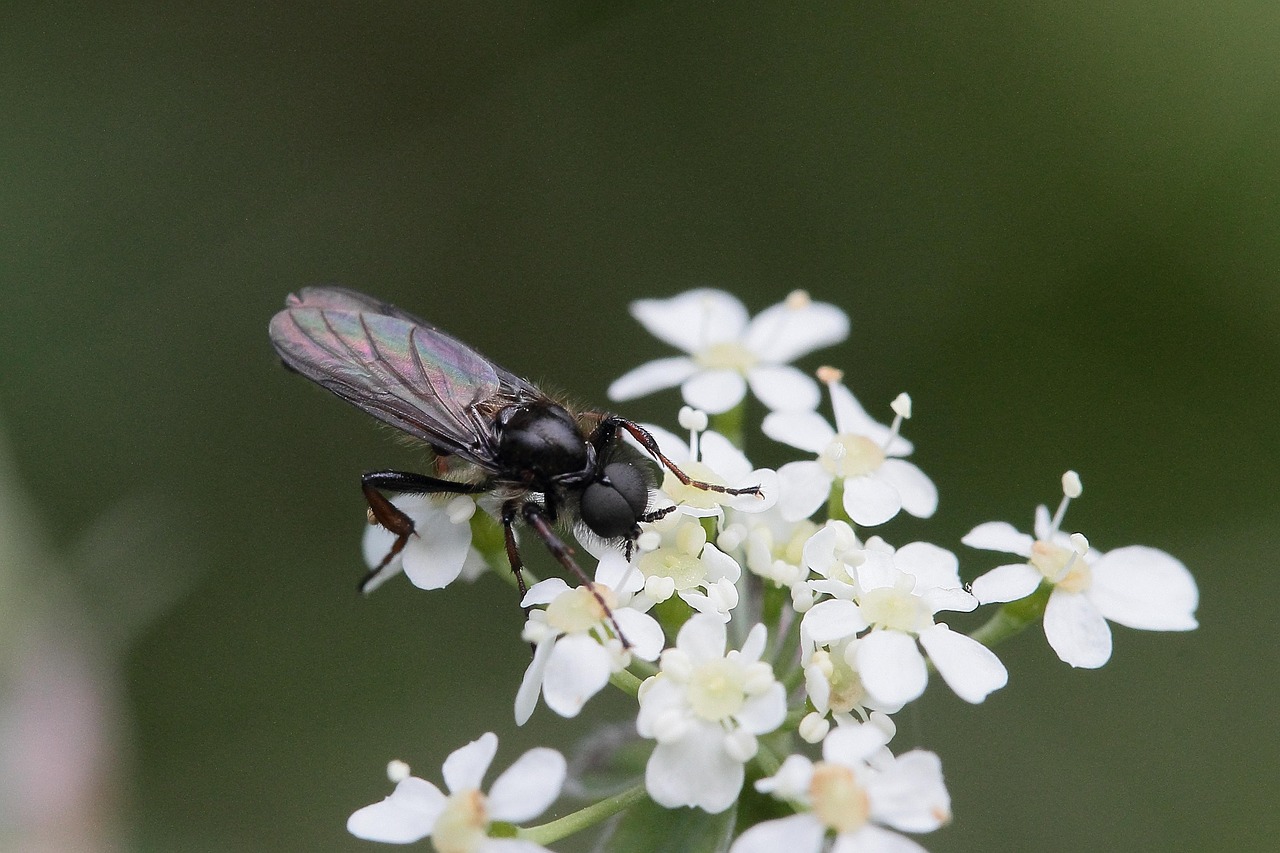
Understand Why Gnats Are Attracted to Your Plants
To effectively stop a fungus gnat infestation, you must first understand their lifecycle. These tiny, mosquito-like pests are not merely attracted to your plants; they are specifically drawn to the damp, nutrient-rich environment found in potting soil. If you notice small black flies hovering around your pots, it is a clear indicator that your soil is holding too much moisture.
Adult fungus gnats seek out moist potting mix to lay their eggs. Once these eggs hatch, the larvae thrive in the top layers of the soil. They feed on decaying organic matter, such as decomposing leaf litter, and occasionally nibble on delicate plant root hairs. This feeding behavior can weaken your plants, making them more susceptible to disease and stunted growth.
Moisture control is the most critical factor in breaking this cycle. If the soil remains consistently wet, you are essentially providing a nursery for the next generation of gnats. To prevent an infestation, you must disrupt their habitat by focusing on these three areas:
- Allow for proper drying: Always check the top two inches of soil with your finger before watering. If it still feels damp, wait a few more days. Allowing the surface to dry out kills the larvae, which cannot survive in arid conditions.
- Improve drainage: Ensure your pots have functional drainage holes. Never let a plant sit in a saucer of standing water, as this creates a swampy environment that gnats love.
- Reduce organic debris: Fungus gnats feed on decaying material. Keep the surface of your pots free of fallen leaves, dead flowers, or rotting bark mulch.
By managing the hydration levels of your indoor plants, you create a hostile environment for gnats while promoting healthier root systems. Remember that most indoor plants prefer a “soak and dry” cycle rather than constant dampness. When you prioritize soil aeration and consistent drying periods, you effectively remove the primary attractant that brings these pests into your home in the first place.
Master Proper Watering Habits
Fungus gnats thrive in moist, decaying organic matter. Because their larvae feed on damp soil, the most effective way to prevent an infestation is to disrupt their breeding cycle by keeping the top layer of your potting mix dry. When the surface remains consistently wet, you are essentially providing a nursery for these pests.
Before reaching for your watering can, always test the soil. The finger test is the most reliable method for gauging moisture levels:
- Insert your index finger into the soil up to the second knuckle, which is approximately two inches deep.
- If the soil feels damp or cool to the touch, wait a few more days before watering.
- Only proceed if the soil feels dry and crumbly at that depth.
If you prefer a visual cue, look for signs of wilting in the leaves or check if the soil has begun to pull away slightly from the inner edges of the pot. These are natural indicators that the plant is ready for a drink.
Proper drainage is equally critical. If your pot lacks drainage holes, water will inevitably pool at the bottom, creating a stagnant, anaerobic environment that gnats love. Always ensure your pots have functional holes that allow excess water to escape freely. If you use decorative cachepots or saucers, never leave your plant sitting in the runoff.
After watering, wait about 15 minutes for the excess to drain completely, then empty the saucer. If the pot sits in standing water, the soil will wick that moisture back up, keeping the root zone saturated far longer than necessary. By mastering these watering habits, you create an environment that is hostile to gnats while promoting healthier, more resilient root systems for your indoor plants. Consistency is key; by allowing that essential drying period, you effectively eliminate the primary food source and habitat for fungus gnat larvae, keeping your indoor garden pest-free.

Use Physical Barriers and Top Dressing
One of the most effective, non-toxic ways to stop a fungus gnat infestation is to disrupt their reproductive cycle. Adult gnats require access to moist organic soil to lay their eggs. By applying a physical barrier—often called top dressing—to the surface of your potting mix, you create an inhospitable environment that prevents them from reaching their nursery.
Top dressing works by forming a dry, abrasive layer that adults cannot penetrate. Because these materials do not hold moisture like soil does, the surface remains inhospitable to both egg-laying and larval development. This method is safe for your plants, pets, and household members, making it an ideal long-term maintenance strategy.
To implement this barrier, choose one of the following materials:
- Horticultural sand: A fine layer creates a tight seal that prevents tiny gnats from crawling through to the soil below.
- Decorative gravel or pebbles: These are excellent for larger pots where you want an aesthetic finish alongside pest control.
- Horticultural grit: This provides a coarse, sharp texture that is difficult for insects to navigate.
Applying the barrier is straightforward. First, ensure your plant’s soil is relatively dry to discourage existing larvae. Clear away any dead leaves or debris from the surface, as these can harbor moisture and pests. Spread a layer of your chosen material about half an inch to an inch thick across the entire top of the soil, ensuring you reach the edges of the pot to leave no gaps.
While this method is highly effective, remember that it works best when combined with proper watering habits. Always allow the top few inches of soil to dry out between waterings, even with a top dressing in place. This dual approach ensures that the soil remains unattractive to gnats, effectively breaking the lifecycle and protecting your indoor garden from future outbreaks. Because these materials are inert, they will not degrade or harm your plant, providing a permanent, low-maintenance solution to keep your indoor greenery healthy and pest-free.
Implement Natural Deterrents and Sanitation
Managing a fungus gnat infestation requires a dual approach: capturing the flying adults and eliminating the breeding grounds for the larvae. By combining physical traps with diligent sanitation, you can break the gnat life cycle effectively without relying on harsh chemicals.
The most efficient way to monitor and reduce the adult gnat population is by using yellow sticky traps. Fungus gnats are naturally attracted to the color yellow, which mimics the appearance of flowers and foliage. Placing these traps near the soil surface of your indoor plants will capture flying adults before they can lay more eggs. This not only lowers the current population but also provides a clear visual indicator of how severe your infestation is.
While traps handle the adults, you must address the soil to stop the next generation. Fungus gnat larvae feed primarily on decaying organic matter. To starve them out, prioritize the following sanitation steps:
- Remove all fallen leaves, flower petals, and twigs from the surface of the potting mix immediately.
- Prune away any yellowing or dead foliage from the plant to prevent further debris from accumulating.
- Avoid over-mulching with organic materials, as these provide a perfect, moist environment for larvae to thrive.
Keeping the top inch of soil clean and allowing it to dry out between waterings makes the environment significantly less hospitable for larvae. Consistency is key; check your pots regularly to ensure no new debris has settled.
Safety Note: When handling yellow sticky traps, use caution. The adhesive is extremely tacky and can cause skin irritation or pull at delicate hair. Always wash your hands thoroughly after installation. Because these traps are designed to be irresistible to small creatures, place them in areas that are completely inaccessible to curious children and household pets. If a pet or child does come into contact with the adhesive, use a small amount of vegetable or mineral oil to gently dissolve the glue before washing the area with soap and water.
Troubleshooting Persistent Infestations and Follow-Up Care
If your initial attempts to control fungus gnats fail, it is time to escalate your strategy. A persistent infestation often indicates that larvae are thriving deep within the potting medium. The most effective way to break their life cycle is by introducing Bacillus thuringiensis israelensis (BTI), commonly sold as “Mosquito Bits.”
To use BTI, soak the bits in your watering can for at least 30 minutes before irrigating your plants. This releases the bacteria into the soil, which specifically targets and eliminates gnat larvae without harming your plants or household pets. Alternatively, a neem oil soil drench can be used to disrupt the development of pests living in the top layer of soil.
As you treat the infestation, follow these critical steps to protect your indoor garden:
- Isolate immediately: Move the infested plant to a separate room or a quarantined area away from your healthy greenery to prevent the gnats from migrating.
- Monitor surrounding plants: Even if other plants appear healthy, check their soil surface for adult gnats, as these pests spread rapidly.
- Adjust watering habits: Allow the top two inches of soil to dry out completely between waterings. Gnats require moist conditions to breed; removing that environment is the most effective long-term preventative measure.
Safety is paramount when managing plant pests. Always wear waterproof gardening gloves when handling pesticides, neem oil, or soil amendments to prevent skin irritation or accidental ingestion. Even if you are using organic or natural remedies, these substances can cause reactions in sensitive individuals.
Once you have finished applying treatments or repotting, wash your hands thoroughly with soap and warm water. Proper hygiene prevents the accidental transfer of chemicals or soil-borne pathogens to your face or food. By maintaining a consistent treatment schedule for at least three weeks—which covers the full life cycle of the gnat—you will successfully eliminate the population and restore your plant’s health. If the infestation remains severe after this period, consider repotting the plant entirely in fresh, sterile soil to remove the breeding ground once and for all.

Dedicated team of gardening enthusiasts with years of hands-on experience testing lawn mowers, gardening tools, and outdoor equipment. We help home gardeners and professionals alike make informed buying decisions with honest, thorough reviews. From push mowers to pruning shears, we test it all so you don’t have to. Got a gardening tool you’d like us to review? Get in touch!