
Fungus gnats are a common frustration for indoor gardeners, but they are manageable with the right approach. You can effectively eliminate these annoying pests by addressing the moisture levels in your soil and disrupting their breeding cycle. With a few simple adjustments to your routine, you can quickly restore your indoor garden’s health.
It is important to remember that eradicating gnats requires patience and consistent care rather than a single quick fix. These insects thrive in damp environments, making overwatering the primary culprit behind most infestations. Understanding this relationship between moisture and pests is the first step toward maintaining a thriving, bug-free collection of indoor houseplants.
This guide explains how to identify the root cause of these pests and implement simple, consistent habits to keep your houseplants gnat-free without relying on harsh chemicals. We will walk you through practical techniques, from adjusting watering schedules to using natural barriers, ensuring your greenery stays vibrant, healthy, and completely free from persistent fungus gnats.
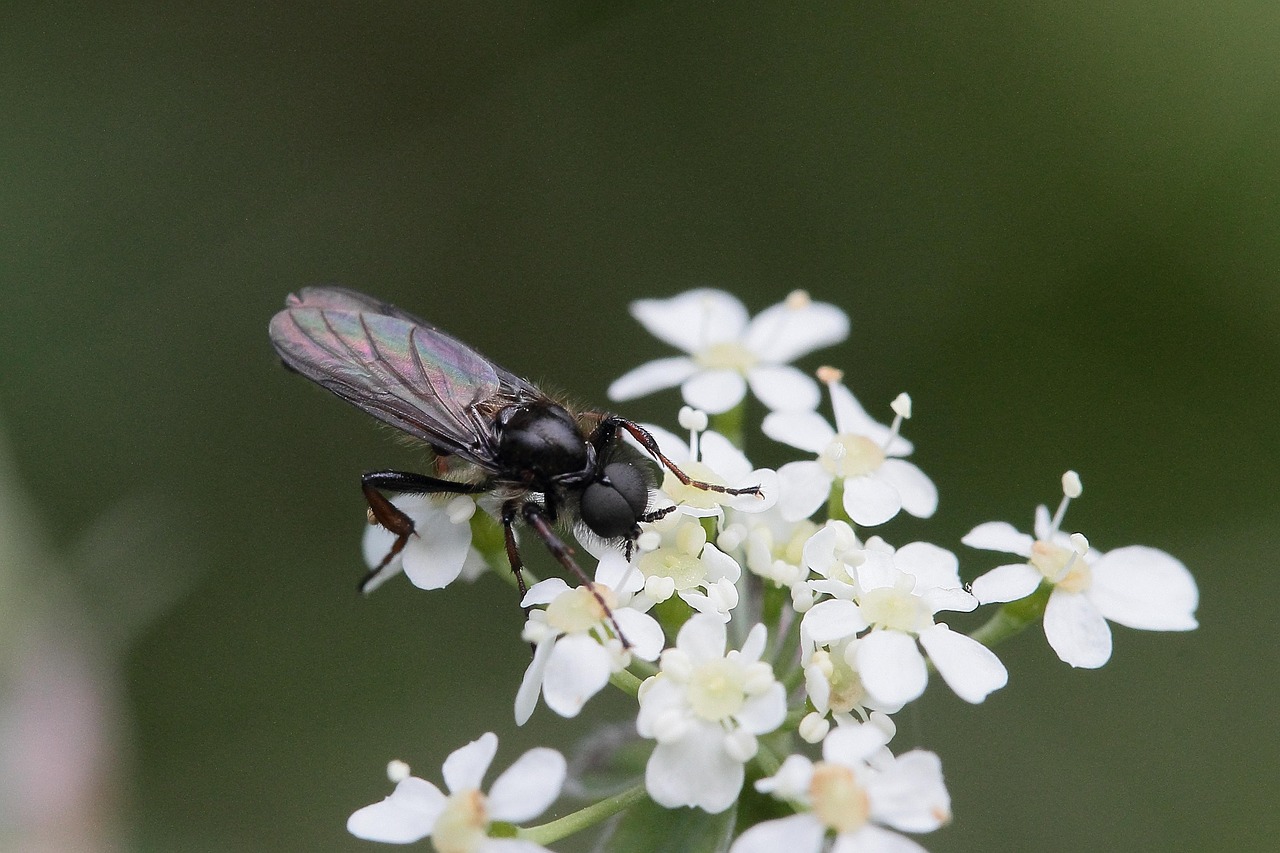
Understanding Why Gnats Invade Your Plants
To effectively stop a fungus gnat infestation, you must first understand what draws them to your indoor garden. Fungus gnats are primarily attracted to moisture. They thrive in damp, organic-rich soil, which serves as the perfect nursery for their life cycle.
Adult gnats are mostly a nuisance, hovering around your plants and flying near your face. However, the real damage occurs beneath the surface. Once the adults lay their eggs in the top layer of potting mix, the emerging larvae begin to feed. While they primarily consume decaying organic matter, they will also feed on delicate root hairs if their food source runs low. This root damage can significantly stress your plants, leading to stunted growth, yellowing leaves, and increased vulnerability to disease.
Several factors typically create the ideal environment for these pests:
- Overwatering: Keeping soil consistently soggy prevents it from drying out between waterings, creating a permanent breeding ground.
- Poor Drainage: Pots without drainage holes or those sitting in standing water trap moisture at the bottom, encouraging larvae development.
- Organic Soil Amendments: Potting mixes high in peat moss or compost provide the exact decaying organic material that larvae require to survive.
- High Humidity: While plants enjoy humidity, stagnant air and damp soil surfaces create a welcoming habitat for adult gnats to congregate and reproduce.
The most important takeaway is that fungus gnats are a symptom of an overly wet environment. By addressing the moisture levels in your pots, you remove the primary incentive for these insects to settle in. If you notice gnats buzzing around, it is a clear signal that your soil is staying wet for too long. Prioritizing proper drainage and allowing the top two inches of soil to dry out completely before your next watering is the most effective, chemical-free way to disrupt their breeding cycle and protect your plant’s root system from further harm.
Mastering Proper Watering Techniques
The most effective way to eliminate fungus gnats is to disrupt their life cycle by altering the soil environment. Adult gnats lay their eggs in the top layer of moist potting mix, where larvae thrive on decaying organic matter and moisture. By allowing the soil to dry out, you effectively kill existing larvae and prevent new eggs from hatching.
The golden rule for gnat prevention is to let the top two inches of soil dry out completely between waterings. When the surface remains consistently damp, it creates a breeding ground for pests. When it is dry, the environment becomes inhospitable for larvae, causing them to perish.
Before you reach for your watering can, always verify the moisture levels beneath the surface. Relying on a schedule often leads to overwatering; instead, use these two reliable methods to check your soil:
- The Finger Test: Insert your index finger into the potting mix up to the second knuckle (about two inches deep). If you feel any dampness or cool soil, wait a few more days before watering.
- The Wooden Skewer Method: If you prefer not to get your hands dirty, push a clean wooden skewer or chopstick deep into the soil and leave it for a minute. When you pull it out, look at the wood. If it comes out dark or damp, the soil still holds enough moisture. If it comes out clean and dry, it is time to water.
Consistency is key, but patience is your greatest tool. Many indoor plants actually prefer a brief dry spell over constant saturation. If you notice your plant wilting, it is often a sign that the soil is too wet rather than too dry. By mastering this “dry-down” technique, you not only stop a gnat infestation in its tracks but also promote stronger root health by encouraging oxygen flow to the root zone. Once the top two inches are consistently dry, you will see the adult gnat population drop significantly within a week.

Improving Drainage and Airflow
Fungus gnats thrive in moist, stagnant environments. By adjusting your potting medium and container setup, you can create conditions that are inhospitable to these pests while keeping your plants healthy.
The foundation of gnat prevention is ensuring your potting mix does not stay waterlogged. Standard potting soil often retains too much moisture for indoor plants. To improve drainage, amend your soil with porous materials that allow air to reach the roots and help the surface dry out quickly between waterings.
Consider these additions to your soil mix:
- Perlite: Volcanic glass that creates air pockets and improves drainage.
- Pumice: A lightweight, durable rock that prevents soil compaction.
- Coarse horticultural sand: Useful for heavier mixes to increase water flow.
Your choice of container is equally critical. Every pot must have functional drainage holes at the bottom. Without them, excess water collects at the base, creating a perfect breeding ground for gnat larvae. If you use decorative pots without holes, place your plant in a plastic nursery pot inside the decorative container, and always empty any standing water from the bottom after watering.
Beyond the soil, airflow plays a vital role in surface evaporation. Gnats prefer still, humid air near the soil line. By increasing ventilation, you speed up the drying process of the top inch of soil, which is where adult gnats lay their eggs.
Practical tips for better airflow include:
- Strategic placement: Avoid tucking plants into dark, cramped corners where air becomes stagnant.
- Gentle fans: Use a small oscillating fan on a low setting to circulate air around your plants. This mimics natural breezes and discourages gnats from landing.
- Spacing: Ensure your plants have enough room between them. Overcrowding traps humidity and prevents the soil surface from drying out efficiently.
By prioritizing a fast-drying environment, you interrupt the gnat life cycle and promote stronger, more resilient root systems for your indoor garden.
Physical Barriers and Maintenance
One of the most effective ways to break the fungus gnat life cycle is to physically block adult gnats from accessing the soil. Since these pests lay their eggs in the top inch of moist potting mix, creating an impenetrable barrier is a proactive, chemical-free solution.
Applying a top dressing is a simple process that prevents adults from reaching the soil surface to deposit new eggs. Follow these steps to secure your pots:
- Remove any fallen leaves or debris from the soil surface, as these provide food and shelter for larvae.
- Add a layer of coarse, horticultural-grade sand or decorative gravel about one-half to one inch thick over the entire surface of the potting mix.
- Ensure the layer is uniform and reaches all the way to the edge of the pot, leaving no exposed soil gaps.
- Water your plants carefully by pouring directly onto the gravel or sand to avoid disturbing the barrier.
This dry, abrasive layer creates an environment that is hostile to adult gnats. Because the barrier prevents them from laying eggs, the existing population will eventually die out, and no new generations will emerge.
Proper maintenance also involves removing dead or decaying foliage, which attracts gnats and encourages fungal growth. When using sharp tools such as scissors or pruning shears to trim away dead leaves, always prioritize safety:
- Always cut away from your body to prevent accidental injury.
- Keep your blades clean and sharp. Dull blades crush plant tissue, creating entry points for pathogens.
- Disinfect your tools with rubbing alcohol between plants. This critical step prevents the accidental spread of bacteria, viruses, or fungal spores from an infected plant to a healthy one.
By combining a physical barrier with consistent sanitation, you effectively eliminate the breeding grounds gnats require to thrive. This dual approach keeps your indoor garden healthy, tidy, and pest-free without relying on harsh insecticides.

Monitoring and When to Seek Further Help
Patience is essential when managing a fungus gnat infestation. Because these pests have a multi-stage life cycle, you will not see results overnight. After implementing control methods—such as allowing the top two inches of soil to dry out completely and using yellow sticky traps—it typically takes two to four weeks to break the breeding cycle and see a significant reduction in adult activity.
If you have consistently applied these methods for a month without improvement, your infestation may be too deep-seated for surface treatments alone. In this case, consider the following steps:
- Repotting: If the soil remains soggy or shows signs of mold, remove the plant, gently wash away the old, infested potting mix from the roots, and repot it in fresh, well-draining soil.
- Root Inspection: While repotting, check for root rot. If the roots are mushy or dark, trim away the damaged sections before placing the plant in a clean pot with new medium.
- Professional Advice: If the gnats persist despite repotting and proper watering, visit a local nursery. Experts can recommend specialized organic treatments, such as beneficial nematodes or specific soil drenches, that are more potent than home remedies.
Whenever you handle potting soil, always wear gardening gloves. Soil can harbor bacteria, fungi, or sharp debris that may cause skin irritation or infections. Protecting your hands is a standard safety precaution that ensures your gardening experience remains healthy and comfortable.
Remember that a heavy, persistent infestation can eventually weaken a plant by damaging its root system. If your plant begins to yellow, wilt, or drop leaves despite your best efforts, do not hesitate to seek professional intervention. Sometimes, a targeted, nursery-grade solution is the most efficient way to save a struggling plant and prevent the pests from spreading to your other indoor greenery. Stay consistent with your monitoring, keep the soil surface dry, and your indoor garden will soon return to a healthy, pest-free state.

Dedicated team of gardening enthusiasts with years of hands-on experience testing lawn mowers, gardening tools, and outdoor equipment. We help home gardeners and professionals alike make informed buying decisions with honest, thorough reviews. From push mowers to pruning shears, we test it all so you don’t have to. Got a gardening tool you’d like us to review? Get in touch!