
Attracting hummingbirds to your backyard is a rewarding way to bring life and movement to your garden. By understanding their specific needs for food, water, and shelter, you can create an inviting habitat that encourages these agile visitors to return season after season. Simply adding the right nectar-rich plants and reliable feeders will quickly draw them in.
Creating a hummingbird haven requires more than just hanging a feeder; it involves thoughtful landscape management and consistent maintenance. While these birds are naturally curious, they prioritize safety and reliable resources. Establishing a welcoming environment takes time, so focus on providing diverse layers of vegetation that offer both protection from predators and abundant natural food sources.
In this guide, we explore the essential gardening tools and lawn care equipment needed to cultivate a bird-friendly space. From selecting the best hand tools for perennial maintenance to using outdoor power equipment for habitat shaping, we provide practical tips for home gardening success. Learn how to transform your yard into a vibrant sanctuary that hummingbirds will love.
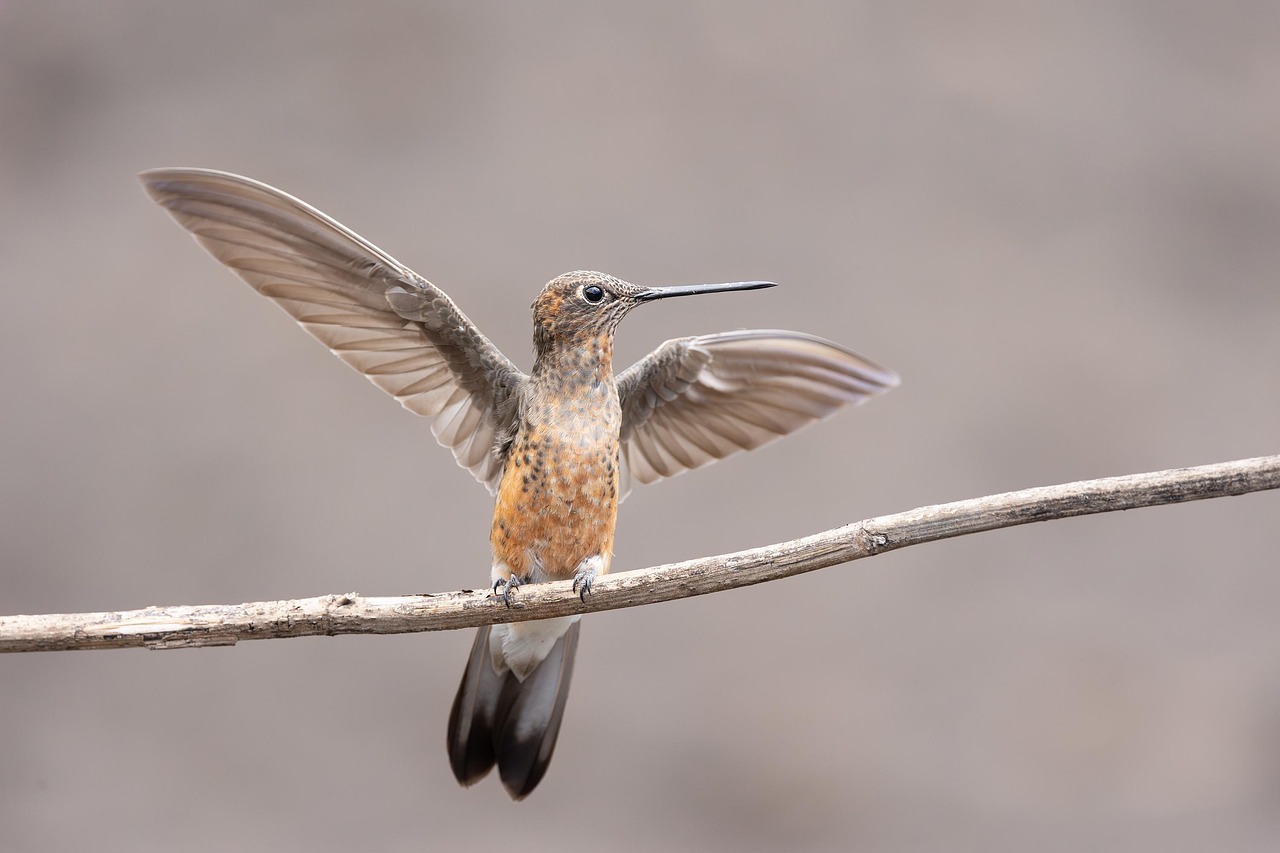
Choose the Right Plants to Attract Hummingbirds
Creating a hummingbird sanctuary begins with selecting the right flora. These birds possess high metabolisms and are constantly searching for energy-dense nectar. To turn your garden into a reliable refueling station, focus on planting species that offer high nectar production and easy access for their long, specialized bills.
Hummingbirds are visually driven and naturally gravitate toward vibrant colors. While they will visit various blossoms, they show a distinct preference for red, orange, and pink hues. Prioritize tubular or trumpet-shaped flowers, as these structures are perfectly adapted to the hummingbird’s anatomy, often excluding other insects from competing for the nectar.
For the most effective results, prioritize native perennials. These plants are already adapted to your local climate and soil conditions, requiring less maintenance and water than exotic varieties. Incorporate a mix of early, mid, and late-season bloomers to ensure a consistent food supply from spring through autumn.
Consider adding these reliable favorites to your garden beds:
- Bee Balm (Monarda): A perennial powerhouse that provides abundant nectar and thrives in various soil types.
- Trumpet Vine (Campsis radicans): A vigorous climber that produces deep, tubular flowers; ensure you have a sturdy trellis or fence for support.
- Salvia: Available in many varieties, these offer long-lasting spikes of color that hummingbirds find irresistible.
- Columbine (Aquilegia): An excellent choice for early-season nectar, particularly in partially shaded areas of your yard.
When preparing your planting beds, use high-quality hand tools like a sharp trowel and a hand cultivator to amend the soil with organic compost before planting. Proper soil preparation encourages deep root growth, which helps your plants withstand summer heat and produce more nectar. If you are planting in larger areas, a sturdy garden spade will make digging holes for perennials much more efficient.
Finally, avoid using chemical pesticides in your garden. Hummingbirds rely on small insects and spiders for essential protein, especially when feeding their young. By maintaining a healthy, chemical-free ecosystem, you provide a complete food source that encourages these fascinating birds to return to your garden year after year. Focus on diversity and color, and your garden will quickly become a favorite stop on their migration path.
Install and Maintain Feeders Properly
To turn your garden into a hummingbird sanctuary, proper feeder placement and maintenance are essential. Hummingbirds are cautious creatures, so position your feeders in quiet, visible locations that offer clear flight paths. Ideally, place them near your existing nectar-rich flowers to help the birds discover the supplemental food source more quickly.
When preparing the nectar, stick to a simple, safe recipe that mimics natural plant sugars. Combine one part white granulated sugar with four parts water. Bring the mixture to a boil to ensure the sugar dissolves fully, then let it cool completely before filling your feeders. Never use honey, brown sugar, or artificial sweeteners, as these can cause dangerous fungal infections or nutritional deficiencies in hummingbirds.
Consistency is key to keeping your local hummingbird population healthy. Because sugar water can ferment quickly in the sun, you must maintain a strict cleaning schedule to prevent the growth of harmful mold and bacteria.
Follow these maintenance steps to ensure your feeders remain a safe haven:
- Clean feeders thoroughly at least twice a week. If temperatures exceed 85°F, clean them every other day.
- Use hot water and a dedicated bottle brush to scrub the interior, the feeding ports, and the nectar reservoir.
- Avoid using harsh soaps or detergents, which can leave behind toxic residues; plain hot water or a mild vinegar solution is sufficient.
- Check for signs of black mold, especially around the feeding ports. If you spot mold, discard the nectar immediately and sanitize the entire unit.
- Inspect the feeder for small cracks or loose parts that could trap debris or harbor bacteria.
By keeping your equipment spotless, you protect these delicate birds from avian diseases. Remember that a clean, well-stocked feeder is the most effective tool in your gardening arsenal for encouraging hummingbirds to return to your yard season after season. If you notice the nectar is not being consumed, check that the feeder is not in direct, harsh sunlight, as this can spoil the solution faster and deter the birds from visiting. Providing a reliable, clean food source alongside your natural garden plantings creates the perfect habitat for these high-energy visitors to thrive.

Provide Essential Water and Shelter
Hummingbirds require more than just nectar to thrive; they need a reliable source of water and secure shelter to feel safe in your yard. While they are master fliers, they are also highly vulnerable to predators and harsh weather, making the structure of your landscape just as important as your feeders.
Because hummingbirds are tiny, they cannot use deep birdbaths. They prefer shallow water sources where they can easily wade or hover to bathe. Stagnant water is rarely attractive to them; instead, they are drawn to the sound and movement of flowing water. Incorporating a mister or a gentle fountain into your garden setup is the most effective way to entice them to stay.
To create an ideal hydration station, consider these practical tips:
- Keep it shallow: Ensure the water depth is no more than one inch. If your birdbath is deep, add smooth stones or gravel to create a safe landing area.
- Add movement: A small solar-powered fountain or a simple dripper attachment for your hose will keep the water circulating and create the shimmering movement hummingbirds love.
- Cleanliness is key: Scrub your birdbath or fountain basin weekly with a stiff-bristled hand brush to prevent algae buildup and mosquito larvae. Avoid harsh chemical cleaners, as these can be toxic to birds.
Beyond water, hummingbirds need places to rest and hide. They spend a significant portion of their day perched, conserving energy between feeding sessions. To provide the necessary cover, integrate dense shrubs, small trees, or ornamental grasses into your garden design. These act as essential sanctuaries where hummingbirds can:
- Preen and rest: A sheltered branch provides a secure spot for them to clean their feathers and digest nectar.
- Escape predators: Thick foliage offers a quick retreat from hawks, cats, or territorial birds.
- Seek refuge: During heavy rain or intense midday heat, dense canopy cover provides a vital microclimate that protects them from the elements.
When performing routine garden maintenance, avoid aggressive pruning of these dense areas during the nesting season. By balancing open spaces for flight with sheltered nooks for rest, you transform your outdoor space into a welcoming habitat that encourages hummingbirds to visit consistently throughout the season.
Safe Garden Maintenance Practices
Creating a hummingbird-friendly sanctuary requires balancing routine garden maintenance with the delicate needs of nesting birds. Before you fire up your outdoor power equipment, take a moment to survey your landscape. Hummingbirds often build tiny, well-camouflaged nests in the forks of tree branches or dense shrubs. Using hedge trimmers or string trimmers blindly can accidentally destroy these nests or disturb a brooding female.
Always perform a visual inspection of your shrubs and trees before beginning any major pruning or brush clearing. If you spot a nest, postpone your maintenance in that immediate area until the fledglings have left. When you are ready to work, follow these safety guidelines to protect both yourself and the local wildlife:
- Perform a Pre-Work Sweep: Walk through your garden to identify active nests or areas where birds are frequently hovering.
- Use Manual Hand Tools: Whenever possible, opt for hand pruners or loppers near nesting sites. They are quieter and offer more precision, reducing the risk of accidental damage.
- Prioritize Personal Protective Equipment (PPE): Always wear safety glasses and sturdy, puncture-resistant gloves when clearing brush or installing bird-friendly structures like feeders or trellis systems.
- Manage Electrical Safety: If you are installing a water feature, such as a birdbath heater or a small fountain, ensure all electrical cords and connections are specifically rated for outdoor use and kept away from standing water or damp soil.
Practical home gardening is about working in harmony with nature. By keeping your power equipment at a respectful distance from nesting zones, you minimize acoustic stress for the birds. If you must use a leaf blower or lawn mower, try to schedule these tasks during mid-day when hummingbirds are most active foraging for nectar, rather than during the early morning hours when they are often tending to their nests.
Finally, keep your garden maintenance tools clean and sharp. Dull blades on your gardening tools can tear plant stems rather than making a clean cut, which can invite disease into your nectar-rich plants. By maintaining your equipment properly and staying observant, you create a safe, inviting environment that hummingbirds will return to season after season. A thoughtful approach to yard work ensures your garden remains a thriving habitat rather than a source of disruption.

Common Questions and Long-Term Care
Maintaining a hummingbird-friendly garden requires more than just planting nectar-rich flowers; it involves consistent, safe stewardship of your outdoor space. To ensure your garden remains a healthy sanctuary, avoid all synthetic pesticides and herbicides. Hummingbirds rely on small insects, such as gnats, spiders, and fruit flies, for essential protein. By keeping your garden chemical-free, you foster a robust insect population that serves as a vital food source for these birds, especially when they are nesting.
When performing routine garden maintenance, opt for manual hand tools like bypass pruners and weeding hoes rather than gas-powered equipment. Loud, heavy outdoor power equipment can disturb nesting sites and disrupt the quiet environment hummingbirds prefer. If you must use lawn care equipment, try to schedule your work during mid-day when birds are less active, and always check shrubs and low-hanging branches for hidden nests before trimming.
Hygiene is critical when managing supplemental feeders. If you notice birds acting lethargic, showing ruffled feathers, or exhibiting signs of illness, take immediate action:
- Remove all feeders from your yard instantly to prevent the spread of pathogens.
- Clean feeders thoroughly using a solution of one part bleach to nine parts water.
- Rinse the equipment extensively with fresh water until no scent of bleach remains.
- Allow the feeders to air dry completely before refilling them with fresh nectar.
Long-term success depends on observing the specific needs of your local ecosystem. If you notice a decline in bird activity or have questions about creating a specialized habitat, do not guess. Contact your local agricultural extension office or consult with a certified master gardener in your area. These professionals can provide site-specific advice on native plant selection, soil health, and sustainable gardening practices that align with regional conservation goals.
By integrating these practices into your regular home gardening routine, you create a sustainable, vibrant environment. A well-maintained, chemical-free garden not only attracts hummingbirds but also ensures they remain healthy and return to your yard season after season. Remember that your role as a gardener is to provide a safe, natural habitat; when you prioritize the health of the entire ecosystem, the hummingbirds will naturally follow.

Dedicated team of gardening enthusiasts with years of hands-on experience testing lawn mowers, gardening tools, and outdoor equipment. We help home gardeners and professionals alike make informed buying decisions with honest, thorough reviews. From push mowers to pruning shears, we test it all so you don’t have to. Got a gardening tool you’d like us to review? Get in touch!