
To attract hummingbirds to your yard, you must provide a consistent food source through nectar-rich flowers and clean feeders. These energetic birds are drawn to vibrant, tubular blooms and safe, reliable water sources. By strategically selecting the right plants and maintaining your outdoor space, you can easily turn your garden into a welcoming sanctuary for these delightful visitors.
Creating a hummingbird habitat requires more than just hanging a feeder; it demands a thoughtful approach to garden maintenance and plant selection. While results may not happen overnight, providing a diverse range of native flora creates a sustainable ecosystem. Understanding their seasonal migration patterns and specific needs will help you set realistic expectations for your backyard project.
This guide covers the essential steps for creating a welcoming habitat, from selecting the right plants to maintaining safe feeders. We will explore how to use your gardening tools and outdoor power equipment to prepare the perfect landscape. Follow our practical advice to master the art of home gardening and successfully invite hummingbirds into your yard today.
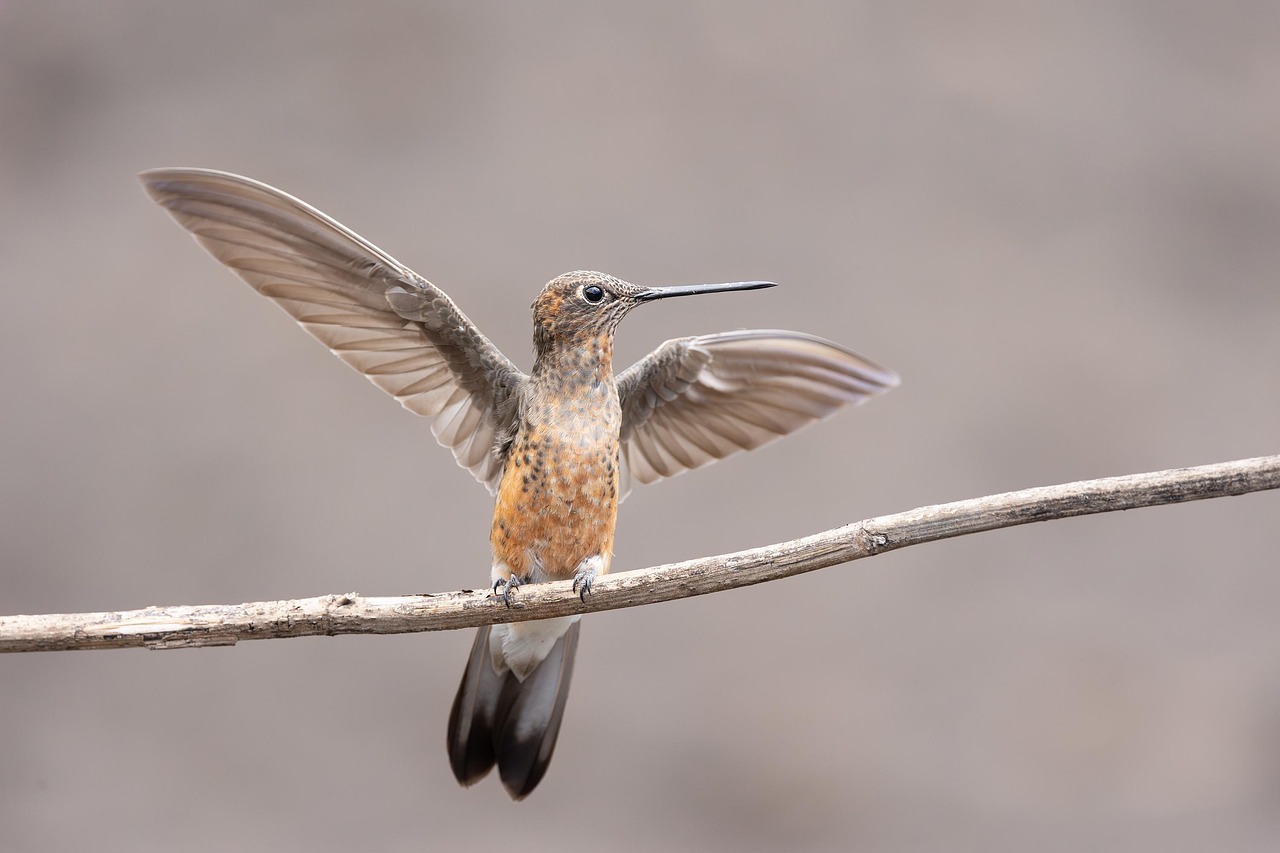
Choose the Right Plants for Natural Foraging
To turn your yard into a hummingbird haven, you must prioritize nectar-rich plants that act as natural fueling stations. Hummingbirds have high metabolisms and require constant access to high-energy food sources. By selecting the right vegetation, you provide a reliable food supply that encourages these birds to return daily.
Focus your planting efforts on species that feature tubular shapes and vibrant colors. Hummingbirds are particularly drawn to shades of red, orange, and pink, as these colors often signal high nectar content. While you may be tempted to choose exotic varieties, native plants are almost always the superior choice. They are better adapted to your local climate, require less maintenance, and have evolved alongside local hummingbird populations.
Consider incorporating these reliable, nectar-dense perennials into your landscape:
- Bee Balm (Monarda): A classic favorite that produces unique, spiky blooms perfect for long beaks.
- Columbine (Aquilegia): These early-season bloomers provide essential nutrition when other flowers are just beginning to emerge.
- Salvia: Available in many varieties, these hardy plants offer a long blooming season and are highly attractive to pollinators.
- Trumpet Vine (Campsis radicans): A vigorous climber that provides a high volume of nectar-rich, trumpet-shaped flowers.
How you arrange these plants is just as important as the species you choose. Hummingbirds are constantly on the move, scouting for food from the air. Instead of scattering individual plants across your property, group them into dense clusters or large drifts. These concentrated patches create a “beacon” effect, making your garden much easier for birds to spot while they are in flight.
When preparing your garden beds, ensure you have the right hand tools on hand. Use a sturdy garden trowel for planting and a sharp pair of bypass pruners to deadhead spent blooms. Removing faded flowers encourages plants to direct their energy into producing more nectar-filled blossoms throughout the season. Keep your soil healthy with organic compost, and avoid using chemical pesticides, which can inadvertently harm the very insects that hummingbirds also rely on for protein. By creating a diverse, chemical-free environment, you provide a safe and sustainable habitat that will keep hummingbirds visiting your yard all season long.
Install and Maintain Hummingbird Feeders
While native flowers are the primary draw for hummingbirds, installing supplemental feeders acts as a reliable energy source, especially during peak migration or when natural blooms are scarce. These feeders provide the high-calorie fuel these energetic birds require to sustain their rapid metabolism.
When selecting a feeder, prioritize models with bright red accents. Hummingbirds are naturally attracted to the color red, which they associate with nectar-rich flowers. Once they spot the vibrant color, they will quickly investigate the feeder as a potential food source.
The nectar recipe is simple and crucial for bird health. Always mix your solution using this specific ratio:
- Four parts water
- One part white granulated sugar
Boil the water first to ensure it is clean and to help the sugar dissolve completely. Once the mixture has cooled to room temperature, it is ready to be poured into the feeder. It is vital to avoid using honey, molasses, brown sugar, or artificial sweeteners. Honey can promote dangerous fungal growth, while other additives can be toxic to a hummingbird’s delicate digestive system. Never add red food dye to the solution; the red plastic or glass on the feeder is sufficient to attract them.
Maintenance is the most important aspect of responsible feeding. Sugar water ferments quickly, particularly in warm weather, which can lead to the growth of harmful mold and bacteria. To keep your visitors healthy, follow these care steps:
- Empty and rinse the feeder every two to three days.
- Use hot water and a long-handled bottle brush to scrub the interior and the feeding ports thoroughly.
- Avoid using harsh soaps or detergents, which can leave toxic residues behind. A diluted vinegar solution is a safe, natural alternative if the feeder requires a deeper cleaning.
If you notice any signs of black mold or if the nectar appears cloudy, discard the solution immediately and perform a deep cleaning. By keeping your equipment sanitary, you ensure that your backyard remains a safe, welcoming oasis rather than a source of avian illness. Consistent maintenance encourages hummingbirds to return to your yard throughout the season, providing you with endless opportunities for observation and enjoyment.

Create a Safe and Functional Environment
Creating a sanctuary for hummingbirds requires balancing aesthetic appeal with practical habitat management. While nectar plants attract them, these birds need a functional landscape that supports their high-energy lifestyle. By thoughtfully managing your outdoor space, you can transform your yard into a reliable haven.
Hummingbirds are highly territorial and spend a significant portion of their day perched, watching for intruders. To accommodate this, integrate thin, leafless branches into your garden design. You can use pruning shears to strategically trim back dense foliage on shrubs or trees, exposing sturdy, small-diameter twigs. Avoid over-pruning; focus on creating clear lines of sight so the birds can survey their territory while resting comfortably.
Water is essential, but hummingbirds are cautious drinkers. Because they rarely land in deep water, they prefer moving sources that mimic natural droplets. A shallow birdbath equipped with a mister or a gentle fountain is ideal. If you are setting up a fountain, ensure the pump is set to a low flow to create a light spray rather than a forceful stream. Regularly clean your water features with a stiff-bristled scrub brush to prevent algae buildup, ensuring the environment remains hygienic.
Garden maintenance practices play a critical role in hummingbird health. Many gardeners rely on chemical interventions to manage pests, but these substances can be devastating to your avian visitors. Hummingbirds rely on small insects and spiders for up to 30% of their diet, providing the necessary protein for muscle growth and egg production. When you apply broad-spectrum pesticides or herbicides, you inadvertently eliminate this vital food source and introduce toxins into the ecosystem.
Instead, adopt these eco-friendly maintenance habits:
- Manual Weed Control: Use a hand hoe or weeding tool to remove invasive plants rather than relying on chemical herbicides.
- Integrated Pest Management: Encourage beneficial insects, such as ladybugs and lacewings, to handle garden pests naturally.
- Mulching: Apply organic mulch to suppress weeds and retain soil moisture, reducing the need for chemical fertilizers.
- Safe Tool Storage: Keep your outdoor power equipment and fuel stored in a shed away from garden beds to prevent accidental chemical leaks or spills near nectar sources.
By prioritizing natural maintenance and providing structured perching and hydration spots, you create a safe, chemical-free environment that encourages hummingbirds to linger in your garden throughout the season.
Safety Tips for Garden Maintenance
Creating a hummingbird-friendly habitat often requires clearing space for new flower beds or installing high-reaching feeders. While these tasks improve your landscape, they require careful attention to safety to ensure your gardening experience remains injury-free.
When using outdoor power equipment like string trimmers or edgers to clear overgrown brush, always prioritize personal protection. Flying debris is a common hazard; wearing impact-resistant safety glasses and sturdy, closed-toe boots is essential. Before starting any engine, clear the area of large rocks or hidden obstacles that could become projectiles.
Hand tools are equally important for maintaining the nectar-rich perennials that hummingbirds love. To keep your garden healthy and your hands safe, follow these maintenance tips:
- Keep blades sharp: Dull pruning shears require more force to operate, increasing the risk of slipping and causing injury. Sharp blades also ensure clean cuts, which help prevent plant diseases and promote faster healing.
- Clean after use: Wipe down metal blades with a light oil or disinfectant after pruning to prevent the spread of pathogens between plants.
- Store properly: Never leave sharp tools lying in the grass where they can be stepped on or hidden by mulch. Always return them to a designated shed or wall rack immediately after use.
If you are installing hummingbird feeders in elevated locations, you will likely need a ladder. Falls are a leading cause of home gardening injuries, so take these precautions:
Always inspect the ladder for loose rungs or damaged feet before use. Place it on firm, level ground; if the soil is soft or uneven, use a wide board underneath the feet to distribute weight and prevent sinking. Never overreach while hanging a feeder. If the spot is out of reach, climb down and reposition the ladder rather than leaning to the side, which can shift your center of gravity and cause the ladder to tip. When possible, have a partner spot you from the ground to provide extra stability.
By integrating these safety protocols into your routine, you can focus on the rewarding work of transforming your yard into a vibrant sanctuary for hummingbirds. A safe garden is a sustainable garden, allowing you to enjoy your outdoor space for seasons to come.

Common Questions and Long-Term Care
Many gardeners worry that keeping feeders stocked will prevent hummingbirds from migrating south for the winter. You can rest easy knowing that natural instincts, triggered by changing daylight hours and temperature drops, drive migration rather than food availability. Hummingbirds will instinctively depart when it is time, regardless of whether your feeders are full.
Long-term success in attracting these birds requires a focus on safety and habitat maintenance. Because hummingbirds are small and vulnerable, your yard must be a sanctuary. The most significant threat to local hummingbird populations is outdoor cats. If you or your neighbors have outdoor pets, consider keeping them indoors or using motion-activated deterrents to protect visiting birds.
Maintaining a hummingbird-friendly yard involves routine garden care that balances aesthetics with wildlife needs. When using outdoor power equipment or hand tools, always perform a quick visual inspection of shrubs and low-hanging branches before trimming. Hummingbirds build tiny, camouflaged nests that are easily damaged by hedge trimmers or lawn care equipment.
If you encounter a hummingbird that appears lethargic, injured, or unable to fly, follow these professional guidelines to ensure the best outcome for the bird:
- Do not attempt to handle, feed, or provide water to the bird yourself. Hummingbirds have specialized dietary needs and high metabolic rates that make home intervention dangerous.
- Observe the bird from a distance to determine if it is simply resting or truly in distress.
- If the bird remains immobile for an extended period, contact a local wildlife rehabilitation center immediately.
- If instructed to transport the bird, place it gently in a small, ventilated box lined with a soft paper towel and keep it in a quiet, dark, and warm area until you reach the professional facility.
By prioritizing a safe environment and practicing mindful garden maintenance, you create a reliable habitat that hummingbirds will return to year after year. Focus on native plantings and consistent, clean water sources to supplement your feeders. These sustainable practices ensure that your yard remains a vibrant, healthy ecosystem for hummingbirds and other beneficial pollinators throughout the growing season. With patience and careful observation, you will enjoy the presence of these fascinating birds while contributing to their long-term conservation in your own backyard.

Dedicated team of gardening enthusiasts with years of hands-on experience testing lawn mowers, gardening tools, and outdoor equipment. We help home gardeners and professionals alike make informed buying decisions with honest, thorough reviews. From push mowers to pruning shears, we test it all so you don’t have to. Got a gardening tool you’d like us to review? Get in touch!