
Restoring an overgrown shrub can improve the health of your plant and the appearance of your garden. This guide explains the step-by-step process for rejuvenating neglected bushes using the right tools and proper pruning techniques to ensure successful growth. Whether you are dealing with leggy branches or dense, tangled foliage, these methods will help you regain control.
Taming a wild, neglected plant requires patience, as aggressive cutting can sometimes shock a shrub if done improperly. Before you begin, assess the plant’s species and current condition to determine how much material you can safely remove at once. Using high-quality garden maintenance gear is essential for achieving clean cuts that heal quickly without inviting disease.
Our practical guide covers everything from selecting the right hand tools to operating heavy-duty outdoor power equipment for thicker stems. We break down the pruning process into manageable phases, helping you identify which branches to remove first for structural integrity. Follow these expert tips to transform your backyard space and promote vibrant, healthy new growth this season.
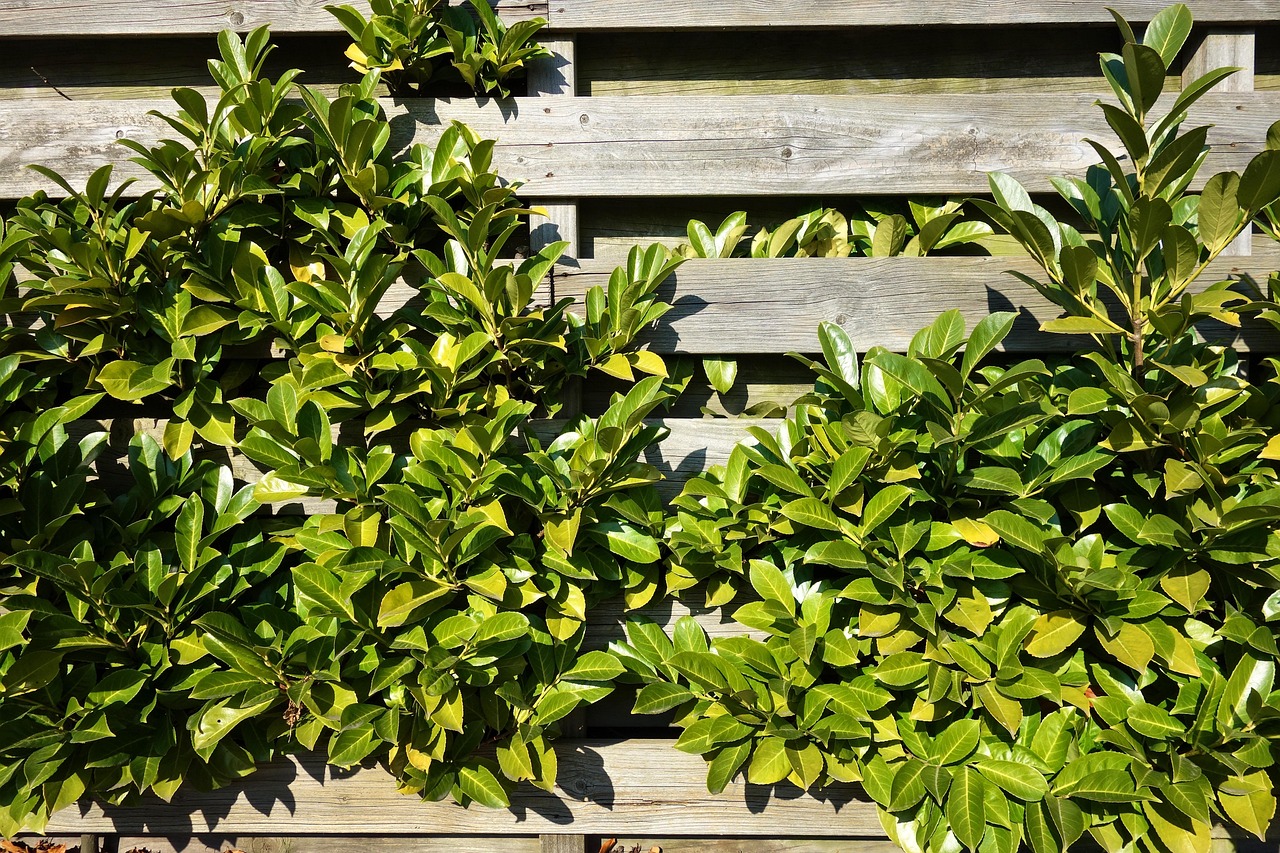
Essential Tools for Pruning Overgrown Shrubs
Before tackling an overgrown shrub, gathering the right equipment is essential. Using the incorrect tool not only makes the job more difficult but can also crush stems, leaving jagged wounds that invite disease and pests. A clean, sharp cut is vital for rapid healing and the long-term health of your plant.
To prepare for your pruning project, ensure you have these three primary tools on hand:
- Bypass Pruners: These act like scissors and are perfect for thin, green stems up to 3/4 of an inch in diameter. Always choose “bypass” blades rather than “anvil” styles, as the bypass action creates a precise, clean cut without bruising the plant tissue.
- Loppers: When you encounter branches thicker than your pruners can handle—typically up to two inches—switch to loppers. Their long handles provide the necessary leverage to cut through thicker wood with minimal physical strain.
- Pruning Saw: For woody stems or thick, overgrown branches exceeding two inches, a specialized pruning saw is necessary. These tools feature aggressive, curved teeth designed to cut on the pull stroke, allowing you to remove heavy growth safely and efficiently.
Beyond these primary cutting tools, consider your personal safety and maintenance needs. Sturdy, thorn-resistant gardening gloves are non-negotiable, especially when dealing with dense or prickly shrubs. Additionally, always carry a small bottle of rubbing alcohol or a disinfectant wipe to clean your blades between cuts, particularly if you are moving between different plants or removing diseased wood.
Before you make your first cut, inspect your gear for sharpness. Dull blades require more force, which increases the risk of slipping and causing injury to yourself or the shrub. If your tools show signs of rust or have become blunt, take a few minutes to sharpen the edges or apply a light machine oil to the pivot points. A well-maintained tool glides through branches, making the process of reclaiming an overgrown shrub faster, safer, and much more satisfying.
By selecting the right tool for the specific diameter of the branch, you ensure that every cut you make promotes healthy regrowth rather than causing unnecessary stress to the shrub. Keep your equipment clean, sharp, and within reach to maintain a steady workflow as you shape your garden.
Safety First: Protective Gear and Equipment Handling
Before you make the first cut on an overgrown shrub, prioritize your physical safety. Dense, neglected vegetation often hides sharp thorns, jagged branches, and even concealed debris like old wire or stones that can damage your tools or cause injury. Preparing your personal protective equipment (PPE) is the most critical step in garden maintenance.
Start by outfitting yourself with the right gear to minimize exposure to hazards:
- Heavy-duty gardening gloves: Choose thick leather or puncture-resistant synthetic materials to protect your hands from thorns, stinging insects, and sharp branch tips.
- Safety glasses: Always wear impact-resistant eyewear. When cutting back thick shrubs, flying wood chips and snapping twigs are common, and they pose a significant risk to your eyes.
- Long sleeves and trousers: Wear durable, tightly woven fabrics. This layer acts as a barrier against scratches, sap, and potential skin irritants hidden deep within the foliage.
- Sturdy footwear: Closed-toe boots with good traction are essential, especially when working on uneven ground or using heavy power equipment.
If your project involves outdoor power equipment, such as electric hedge trimmers or chainsaws, additional precautions are mandatory. Always inspect the power cord for any signs of fraying or damage before plugging it in. When operating, keep the cord positioned behind you and away from the cutting path at all times to prevent accidental severing.
Noise management is another frequently overlooked aspect of safe lawn care. Power hedge trimmers and brush cutters operate at decibel levels that can damage your hearing over time. Always wear earmuffs or high-quality earplugs when operating motorized tools. If you are using a gas-powered tool, ensure you are working in a well-ventilated area to avoid inhaling exhaust fumes.
Finally, maintain a clear workspace. Before you begin, clear away loose branches and debris from around your feet to prevent tripping. If you are using hand tools like loppers or pruning saws, ensure the blades are sharp; a dull blade requires more force, which increases the likelihood of slipping and causing an accident. By taking these few minutes to prepare your equipment and yourself, you ensure that your garden maintenance remains a productive and injury-free task.

Assessing the Shrub and Planning Your Cuts
Before you make your first cut, take a moment to step back and observe the shrub’s overall structure. An overgrown plant is often a tangled web of foliage, but identifying the correct branches to remove is simple if you follow a systematic approach. Your primary goal during this assessment is to improve the plant’s health by increasing airflow and light penetration.
Start by inspecting the interior of the shrub. Look for the “Three Ds”—dead, damaged, or diseased wood. These branches offer no value to the plant and can harbor pests or fungal infections. Use a pair of sharp, sanitized bypass hand pruners to remove these stems back to the main branch or the ground, depending on the severity of the damage.
Next, focus on the structural integrity of the plant. Look for branches that are crossing or rubbing against each other. When branches rub, they create wounds in the bark that allow pathogens to enter. Prioritize your cuts based on the following criteria:
- Crossing branches: Remove the branch that is growing inward or rubbing against a main structural limb.
- Congested areas: If several branches are growing from the same point, remove the weakest ones to allow the strongest to thrive.
- Suckers and water sprouts: Cut away thin, vertical shoots growing from the base of the plant or directly off the main branches, as these divert energy away from the shrub’s primary structure.
By clearing the center of the shrub, you allow sunlight to reach the inner foliage. This is critical for preventing the “hollow” look often seen in neglected plants. When the center is open, the shrub can produce healthy new growth from the inside out rather than just at the tips.
For thicker branches that exceed half an inch in diameter, switch from hand pruners to loppers. Loppers provide the necessary leverage to make clean, precise cuts without crushing the plant tissue. If you encounter branches thicker than two inches, use a sharp pruning saw. Always make your cuts at a slight angle just outside the branch collar—the swollen area where the branch meets the trunk. Proper technique ensures the plant can seal the wound effectively, preventing decay and promoting vigorous recovery as you continue your maintenance routine.
Executing the Cut: Techniques for Rejuvenation
When you are ready to cut back overgrown shrubs, your technique determines the plant’s long-term health and recovery speed. Using sharp, clean hand tools—such as bypass pruners for smaller stems or loppers for thicker branches—is essential to prevent crushing the plant tissue. Dull blades leave jagged edges that invite disease and pests.
Always make your cuts at a slight angle, roughly 45 degrees, positioned just above a bud or a lateral branch. The angle should slope away from the bud to ensure rainwater sheds off the cut surface rather than pooling, which can cause rot. Avoid leaving “stubs”—sections of branch extending too far beyond the bud—as these dead ends will eventually decay and provide an entry point for infection.
If your shrub is severely overgrown, resist the urge to perform a drastic “haircut” in a single session. Removing more than one-third of a plant’s total foliage at once can shock the root system and trigger an explosion of weak, leggy growth. Instead, follow a multi-year strategy for rejuvenation:
- Year One: Remove the “three Ds”—all dead, damaged, and diseased wood. Thin out the center of the shrub to improve airflow and light penetration.
- Year Two: Address the structural shape by removing older, woody stems at the base to encourage new growth from the ground up.
- Year Three: Finalize the shape and size by performing light maintenance pruning to maintain your desired dimensions.
For larger, woody shrubs, heavy-duty outdoor power equipment like a reciprocating saw or a pole saw may be necessary for safety and efficiency. Always wear appropriate personal protective equipment, including heavy-duty gloves and safety glasses, when operating power tools. If you encounter branches thicker than your wrist, consider using a pruning saw to maintain control and precision.
As you work, periodically step back to assess the shrub’s overall form. It is always better to prune conservatively; you can always remove more material later, but you cannot put back what has already been cut. After your session, clear away all debris from the base of the plant to prevent fungus and maintain a clean environment for new growth to emerge. Proper maintenance requires patience, but a measured approach ensures your shrubs remain vigorous and aesthetically pleasing for years to come.

Follow-up Care and When to Call a Professional
Once you have finished pruning your overgrown shrubs, your primary goal is to minimize transplant shock and encourage healthy regrowth. Immediately after cutting, water the shrub thoroughly at the base. Deep watering helps the root system recover from the stress of the pruning process and ensures the plant has enough energy to push out new foliage.
After watering, apply a two-to-three-inch layer of organic mulch, such as wood chips or shredded bark, around the base of the shrub. Keep the mulch a few inches away from the main stem to prevent rot. This layer acts as an essential barrier, retaining soil moisture, suppressing weed growth, and regulating soil temperature during the recovery phase.
In the weeks following your work, monitor the shrub closely. Look for signs of stress, such as wilting, yellowing leaves, or unusual pest activity. If the plant appears to be struggling, ensure it receives consistent moisture, but avoid heavy fertilization, which can force tender, vulnerable growth that may not survive the next frost.
While DIY maintenance is rewarding, some situations require professional expertise. Attempting to prune large, neglected shrubs can be dangerous if you lack the right equipment or experience. You should call a professional arborist if you encounter any of the following:
- The shrub is exceptionally tall, requiring the use of a ladder or specialized climbing gear.
- Branches are tangled in or located near overhead power lines.
- The shrub is leaning dangerously toward your home, a fence, or other structures.
- The plant shows signs of severe disease or structural decay that could cause it to collapse during the pruning process.
Professional arborists possess the heavy-duty outdoor power equipment and safety training necessary to handle complex jobs without causing damage to your property or risking personal injury. If you are ever in doubt about the stability of a shrub or your ability to reach high branches safely, it is far better to hire a certified expert. Investing in professional care for a major project ensures the long-term health of your landscape and keeps your home environment safe. Once a professional handles the heavy lifting, you can easily maintain the shrub’s shape with your standard hand tools in the coming seasons.

Dedicated team of gardening enthusiasts with years of hands-on experience testing lawn mowers, gardening tools, and outdoor equipment. We help home gardeners and professionals alike make informed buying decisions with honest, thorough reviews. From push mowers to pruning shears, we test it all so you don’t have to. Got a gardening tool you’d like us to review? Get in touch!