
To attract hummingbirds in the city, focus on planting nectar-rich native flowers and installing a reliable water source. Urban environments can be surprisingly hospitable to these energetic birds if you provide the right resources. By selecting high-energy food plants and maintaining a safe, pesticide-free habitat, you can easily turn your small outdoor space into a vibrant sanctuary.
Transforming your balcony, patio, or small backyard requires patience and strategic planning rather than expensive equipment. While you do not need massive acreage, you must commit to consistent garden maintenance to keep the area inviting. Understand that hummingbirds are territorial, so focus on creating a welcoming micro-environment that encourages them to visit your urban oasis repeatedly.
This guide outlines how to transform your space into a thriving hummingbird sanctuary using strategic planting and safe maintenance practices. We will cover essential hand tools for container gardening, the best nectar-producing plant varieties for city living, and how to safely manage your outdoor power equipment around delicate wildlife habitats to ensure your garden remains a peaceful haven.
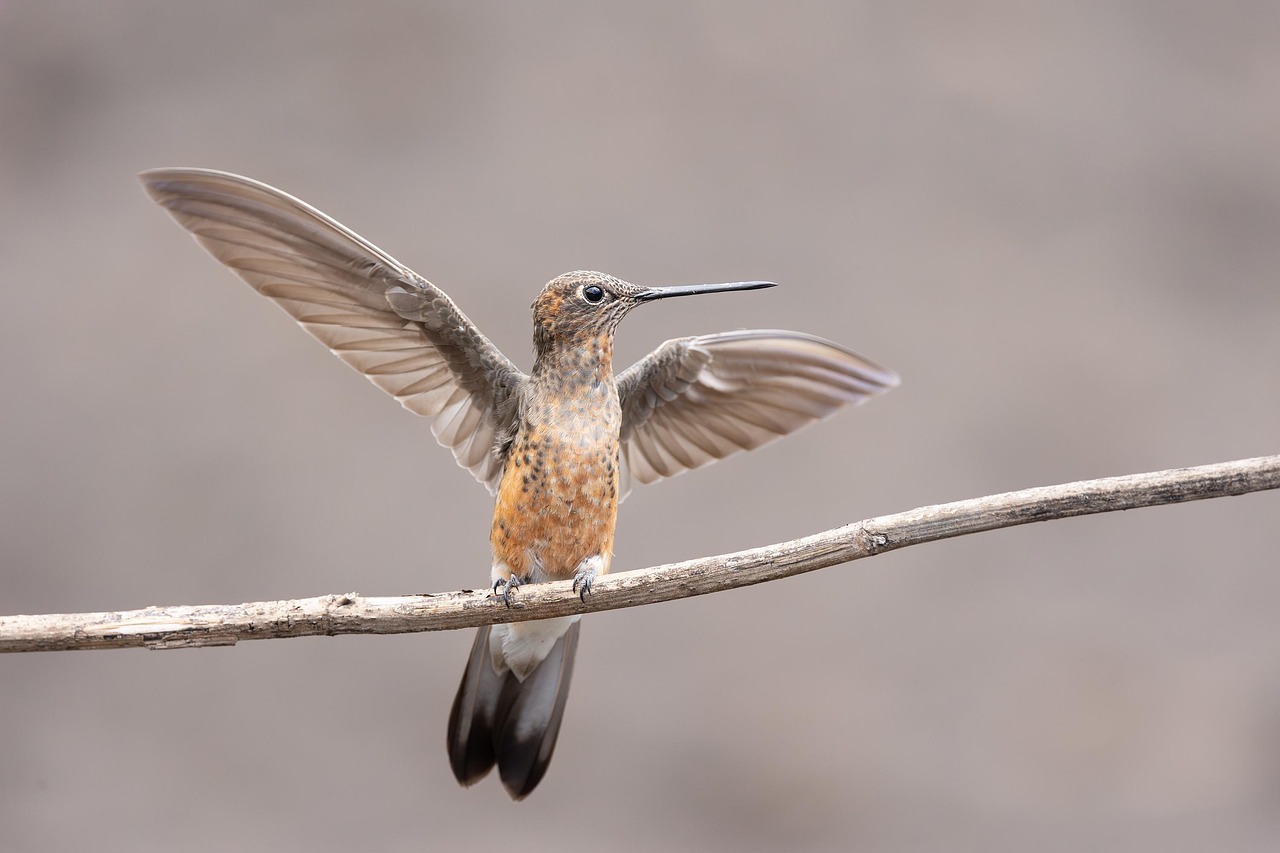
Choose the Right Nectar-Rich Plants
To turn your urban balcony or small patio into a hummingbird sanctuary, you must prioritize high-energy nectar sources. Hummingbirds have incredibly fast metabolisms and require a constant supply of fuel to sustain their hovering flight. The most effective way to attract them is by selecting native, tubular-shaped flowers that act as natural nectar reservoirs.
Focus your plant selection on varieties that hummingbirds recognize as reliable food sources. Tubular flowers are essential because their shape perfectly accommodates the bird’s long beak and tongue, while simultaneously excluding many nectar-thieving insects. Consider incorporating these reliable options into your garden:
- Salvia (Sage): Available in many varieties, these are perhaps the most prolific nectar producers for hummingbirds.
- Penstemon (Beardtongue): These hardy perennials offer beautiful, bell-shaped blooms that are highly attractive to pollinators.
- Honeysuckle: A classic choice, but ensure you select native species to avoid invasive varieties that can harm local ecosystems.
In a city environment, space is often at a premium, but you do not need a sprawling backyard to support these birds. Vertical gardening is your best tool for maximizing limited square footage. By utilizing wall-mounted planters, trellises, or sturdy hanging baskets, you can create a tiered floral display that mimics the natural height of flowering shrubs.
When setting up your containers, ensure they are placed in areas that receive plenty of sunlight, as this encourages more robust blooming. Use a high-quality, well-draining potting mix to keep your plants healthy throughout the growing season. If you are using hanging baskets, check the soil moisture daily, as small containers tend to dry out quickly in urban heat islands.
For maintenance, keep a pair of sharp, clean hand pruners nearby to deadhead spent blooms. Removing faded flowers encourages the plant to direct its energy into producing new buds rather than seeds, ensuring a continuous supply of nectar for your visitors. Additionally, avoid using chemical pesticides or herbicides in your containers. Hummingbirds are sensitive to toxins, and these chemicals can also eliminate the small insects that provide necessary protein in their diet. By choosing native plants and maintaining them with simple hand tools, you create a safe, sustainable refueling station that will keep hummingbirds returning to your urban oasis all season long.
Install and Maintain Feeders Safely
When natural nectar sources are scarce in an urban environment, hummingbird feeders are a vital lifeline. However, success depends on both the quality of your nectar and the safety of your installation. To create a healthy food source, mix a simple solution of one part refined white sugar to four parts water. Never use honey, brown sugar, or red dye, as these can cause serious health issues for the birds.
Installing feeders requires the right tools and a focus on site safety. Whether you are mounting a bracket to a porch post or drilling into a masonry wall, follow these steps to ensure a secure setup:
- Use the right equipment: If you are working at height, always use a sturdy, industrial-grade ladder. Ensure it is placed on level, stable ground before you begin.
- Protect your eyes: Wear safety glasses whenever you are drilling into wood, brick, or concrete. This prevents flying debris or masonry dust from causing eye injuries.
- Select secure hardware: Use rust-resistant screws or heavy-duty hooks rated for the weight of a full feeder. Urban environments can be windy, so ensure your mount is firmly anchored to prevent the feeder from swinging or falling.
- Test the mount: Before hanging the feeder, pull firmly on the bracket to ensure it is tight. A loose mount can lead to spills that attract pests like ants or wasps.
Once installed, maintenance is the key to keeping hummingbirds healthy. In the heat of the city, sugar water ferments quickly, which can be toxic to birds. Clean your feeders at least twice a week using hot water and a bottle brush. Avoid using harsh soaps or bleach, as these can leave harmful residues. If you notice black mold inside the reservoir, discard the feeder immediately, as it is difficult to sanitize porous plastic surfaces completely.
Position your feeders in a location that is easy for you to reach for regular cleaning and refilling. If you need to use a hand tool to prune back nearby branches for better visibility, ensure your shears are sharp and clean to prevent damage to your plants. By keeping your equipment well-maintained and your feeders sanitized, you create a safe, sustainable oasis that will keep hummingbirds returning to your city garden all season long.

Provide Essential Water and Shelter
Hummingbirds require more than just nectar to thrive in an urban environment; they need reliable sources of water and secure spots for protection. Because these birds have high metabolisms and spend significant time preening, clean water is essential for their health.
A shallow birdbath is the most effective way to provide water. Hummingbirds prefer moving water, as the sound and shimmer attract them from a distance. Consider these tips for setting up a water feature:
- Use a mister or dripper: Hummingbirds enjoy flying through fine mists to bathe. Attaching a simple mister to your garden hose or a dedicated fountain pump keeps the water circulating.
- Keep it shallow: These birds are small and will not bathe in deep water. Ensure the basin is no more than one to two inches deep.
- Maintain cleanliness: Scrub the basin weekly with a stiff-bristled scrub brush to prevent algae buildup and mosquito larvae. Avoid harsh chemical cleaners; a simple vinegar solution works best.
Shelter is equally important for nesting and escaping urban predators like cats or hawks. Dense shrubs, small trees, and climbing vines provide the necessary cover. If you are installing trellises or garden structures to support these plants, ensure they are securely anchored into the ground or attached to a wall. Use heavy-duty stakes or concrete footings to prevent tipping during high winds, which could injure the birds or damage your plantings.
Safety is a critical component of garden maintenance. While you may need to use hand tools like bypass pruners or loppers to shape your shrubs and encourage dense growth, always store them properly when finished. Leaving sharp tools lying on the ground or propped against a trellis creates a hazard for both you and the wildlife you are trying to attract.
Keep your pruning tools clean and sharp to ensure clean cuts, which help plants heal faster and reduce the risk of disease. When working with outdoor power equipment like hedge trimmers, always double-check the area for nests before you begin. By maintaining a tidy, well-structured space, you create a sanctuary that allows hummingbirds to feel safe enough to linger in your city garden throughout the season.
Create a Pesticide-Free Habitat
To attract hummingbirds to your urban garden, you must provide more than just nectar. These high-energy birds rely heavily on small insects—such as gnats, fruit flies, and spiders—to meet their daily protein requirements. By fostering a pesticide-free environment, you ensure a reliable, healthy food source for your visitors while keeping them safe from toxic chemicals.
Chemical pesticides do not discriminate between pests and pollinators. When you spray your plants, you eliminate the very insects that hummingbirds need to survive. Furthermore, these chemicals can accumulate in the birds’ systems or contaminate the nectar in your flowers. A truly bird-friendly garden functions as a balanced ecosystem where natural pest control is encouraged.
Managing your garden without synthetic sprays requires a shift toward manual maintenance. Instead of reaching for herbicides, use these practical hand tools to keep your space tidy:
- Hori-Hori Knife: An excellent multi-purpose tool for precision weeding, allowing you to remove deep-rooted invasive plants without disturbing surrounding nectar-rich flowers.
- Hand Cultivator: Use this to break up compacted soil and expose weed seedlings, making them easy to remove by hand.
- Stand-up Weeder: Perfect for larger garden beds, this tool allows you to extract weeds by the root while standing, reducing strain on your back.
- Bypass Pruners: Keep these sharp to maintain clean cuts on shrubs and perennials, which prevents plant stress and reduces the need for chemical fertilizers or fungicides.
When performing garden maintenance, always prioritize safety. Wear durable, puncture-resistant gardening gloves to protect your hands from thorns, sharp stems, or hidden debris while you weed. If you encounter aphids or other soft-bodied insects, try blasting them off with a focused stream of water from your garden hose rather than using chemical sprays. This mechanical approach is highly effective and completely harmless to hummingbirds.
Finally, consider leaving a small, “messy” corner of your yard undisturbed. A pile of organic mulch or a patch of leaf litter provides a habitat for the very insects hummingbirds hunt. By embracing a more natural, hands-on approach to lawn and garden care, you create a sanctuary that supports the entire life cycle of your feathered guests. Your garden will not only look beautiful but will also serve as a vital, thriving link in your local urban ecosystem.

Ongoing Care and Frequent Questions
Maintaining a hummingbird-friendly urban garden requires more than just planting nectar-rich flowers; it demands consistent hygiene to keep your visitors healthy. Because hummingbirds are highly susceptible to bacteria and fungal infections, your primary maintenance task is keeping feeders impeccably clean. Aim to wash all feeders with hot water and a mild, unscented soap at least twice a week. If temperatures are consistently high, increase this frequency to prevent nectar fermentation and mold growth, which can be fatal to these small birds.
When performing routine garden maintenance, avoid using harsh chemical pesticides or herbicides. These substances can inadvertently poison the insects that hummingbirds rely on for protein, and they may contaminate the nectar sources you have worked so hard to cultivate. Instead, rely on manual hand tools for weeding and use organic mulch to suppress unwanted growth. Keeping your outdoor space natural and chemical-free is the most effective way to ensure a safe habitat.
If you are new to urban gardening, consider these practical tips for long-term success:
- Simplify cleaning: Use a specialized bottle brush to reach the narrow ports of your feeders where mold often hides.
- Monitor health: If you observe a bird that appears lethargic, has matted feathers, or shows difficulty flying, do not attempt to capture it.
- Utilize local resources: Local agricultural extension offices are excellent hubs for information regarding regional plant species, pest management, and hummingbird migration patterns specific to your city.
- Seek professional help: If you find an injured bird, contact a certified wildlife rehabilitation center immediately. They have the expertise to provide the necessary medical care that a backyard enthusiast cannot offer.
Hummingbirds are resilient, but their urban environment is often challenging. By integrating these simple maintenance habits into your weekly routine, you create a reliable sanctuary amidst the concrete. Remember that your garden is part of a larger ecosystem; observing the birds closely allows you to learn their specific needs and adjust your gardening approach accordingly. When in doubt, always prioritize the biological safety of the birds over aesthetic perfection. A slightly “messy” garden with native plants and clean water sources is infinitely better for hummingbirds than a sterile, chemically treated lawn.

Dedicated team of gardening enthusiasts with years of hands-on experience testing lawn mowers, gardening tools, and outdoor equipment. We help home gardeners and professionals alike make informed buying decisions with honest, thorough reviews. From push mowers to pruning shears, we test it all so you don’t have to. Got a gardening tool you’d like us to review? Get in touch!