
A dull lawnmower blade tears grass rather than cutting it cleanly, which often leads to unsightly brown tips and increased lawn disease. Sharpening your blade regularly is a simple maintenance task that keeps your grass healthy and your mower running efficiently. If your lawn looks ragged after mowing, it is time for an upgrade.
While you might feel intimidated by the process, sharpening blades at home is a manageable project for most homeowners. You do not need a professional workshop to achieve a clean, sharp edge that improves cutting performance. With the right safety precautions and a few basic tools, you can restore your mower’s efficiency quickly.
This comprehensive guide covers the safe and effective process for sharpening your blade at home. We will walk you through removing the blade, grinding the edge, and balancing it for optimal performance. Follow these practical steps to master essential garden maintenance and ensure your lawn stays vibrant, lush, and perfectly manicured all season long.

Essential Safety Precautions Before You Begin
Before you pick up a file or grinder, safety must be your absolute priority. Lawnmower blades are heavy, precision-engineered tools designed to cut through tough grass, and they can cause severe injury if the engine engages unexpectedly. Taking a few moments to secure your equipment ensures you can complete the maintenance task without risking your well-being.
The most critical step is to completely disable the mower’s ignition system. This prevents the engine from turning over while you are working near the cutting deck.
- For gas mowers: Locate the spark plug wire—usually a thick, black rubber-coated cable—and pull it firmly off the spark plug terminal. Ensure it is tucked far enough away that it cannot accidentally snap back into place.
- For electric mowers: Remove the battery pack entirely from the unit. If your mower has a safety key, remove that as well and keep it in your pocket while you work.
Once you have neutralized the power source, you must protect your body from the sharp metal edges and the debris generated during the sharpening process. Never attempt to handle or sharpen a blade with bare hands. Use heavy-duty, cut-resistant leather gloves; these provide the necessary grip to stabilize the blade while shielding your skin from the razor-sharp cutting edge.
Additionally, protecting your vision is non-negotiable. As you use a metal file, angle grinder, or bench grinder to hone the edge, the tool will shave off tiny, high-velocity metal particles. These filings can easily cause permanent eye damage. Always wear ANSI-rated safety glasses that provide a secure seal around your eyes to deflect flying debris and sparks.
Finally, stabilize the mower properly. If you are tipping the mower to access the underside, always ensure the air filter and carburetor side face upward. This prevents oil and fuel from leaking into the air intake, which could foul the engine. If you are removing the blade entirely, use a wooden block to wedge the blade in place so it cannot rotate while you loosen the mounting bolt. By following these precautions, you create a controlled, safe environment for effective garden maintenance.
Removing the Blade from the Mower
Before you begin, ensure the lawnmower is completely powered down. If you have a gas-powered mower, disconnect the spark plug wire to prevent accidental ignition. For battery-operated models, remove the battery pack entirely. Safety is the priority when working with sharp cutting edges.
When preparing to tilt the mower, orientation is critical. Always lift the mower so that the air filter and carburetor side face upward. If you tilt the mower in the wrong direction, oil can seep into the carburetor or air filter, which may cause the engine to smoke or fail to start once you finish maintenance.
To safely remove the blade, follow these steps:
- Stabilize the blade: Place a sturdy block of wood between the blade and the mower deck. This wedges the blade in place, preventing it from rotating while you apply pressure to the bolt.
- Loosen the bolt: Use a socket wrench to turn the mounting bolt counter-clockwise. If the bolt is rusted or stubborn, a quick spray of penetrating oil can help loosen the threads.
- Track the hardware: As you remove the bolt, carefully note the orientation of the blade and any washers or spacers. Taking a quick photo with your phone is a helpful way to ensure you reinstall every component in the correct order later.
Once the bolt is removed, the blade will slide off the spindle. Be mindful that the blade may be heavy and potentially sharp, even if it is dull. Place the blade on a flat surface and inspect the mounting hardware for signs of wear or damage. If the bolt or washers appear stripped or excessively corroded, it is wise to replace them before reassembly to maintain a secure connection.
With the blade removed, you are ready to inspect the cutting edges for nicks or dull spots. Keeping your blade sharp not only provides a cleaner cut for your grass but also reduces strain on the mower engine, leading to better fuel efficiency and a healthier lawn. Always handle the blade with work gloves to protect your hands from the sharpened edges during the cleaning and sharpening process.

Techniques for Sharpening the Cutting Edge
Before you begin, ensure the lawnmower is completely disabled by disconnecting the spark plug wire. Once the blade is removed, secure it firmly in a bench vise. The blade should be clamped tightly so that the cutting edge is exposed and accessible, preventing any movement while you work.
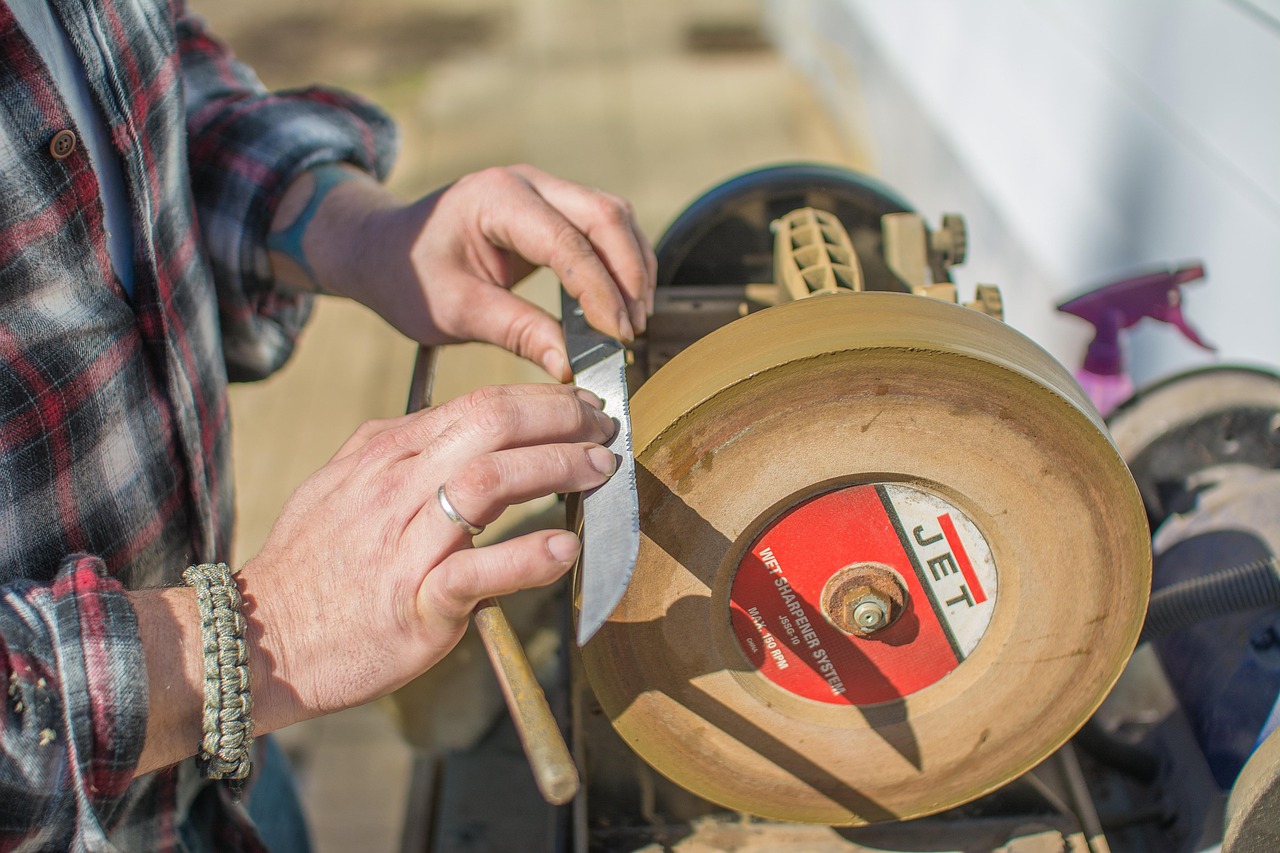
You can sharpen the edge using either a flat metal file or an angle grinder. While an angle grinder is faster, it requires more control to avoid removing too much metal. A hand file is slower but offers better precision for beginners, reducing the risk of damaging the blade’s structural integrity.
Follow these steps to achieve a professional result:
- Match the Bevel: Observe the original factory angle of the blade’s bevel. Maintain this exact angle throughout the sharpening process to ensure the blade cuts grass cleanly rather than tearing it.
- Remove Minimal Material: Only remove enough metal to restore a sharp, clean edge. Excessive grinding can shorten the lifespan of the blade and create an imbalance.
- Avoid Overheating: If using a power tool, move quickly along the edge. If the metal turns blue, it means you are overheating it, which softens the steel and causes it to lose its edge rapidly.
- Maintain Consistency: Apply even pressure across the entire length of the blade. A uniform edge ensures that the mower runs smoothly without vibration.
After sharpening, check the blade for balance. You can do this by placing the center hole of the blade onto a nail or a dedicated blade balancer tool. If one side drops, it is heavier; file a small amount of metal off the heavy side until the blade sits perfectly level. A balanced blade is essential to prevent damage to the mower’s engine bearings and deck.
Finally, wipe the blade clean to remove any metal filings before reinstalling it. Always wear heavy-duty work gloves and safety glasses throughout this process to protect yourself from sharp edges and flying metal debris. Proper maintenance not only improves your lawn’s health by providing a precise cut but also reduces the strain on your outdoor power equipment, ensuring your mower operates efficiently for many seasons to come.
Balancing the Blade for Smooth Operation
Once you have sharpened your lawnmower blade, balancing it is the most critical step before reinstallation. An unbalanced blade creates uneven weight distribution, which leads to significant vibrations during operation. Over time, these vibrations can damage your mower’s spindle, bearings, and even the engine crankshaft. Ensuring a balanced blade is essential for both the longevity of your equipment and the quality of your lawn’s cut.
To check the balance, you need a stable, level surface and a simple tool. You can use a dedicated blade balancer, which is an inexpensive cone-shaped device, or a sturdy nail driven into a wall or workbench.
Follow these steps to ensure your blade is perfectly balanced:
- Clean the blade thoroughly to remove all grass buildup and debris, as trapped material will throw off your balance check.
- Place the center hole of the blade directly onto the tip of the nail or the balancer tool.
- Observe how the blade hangs. A perfectly balanced blade will sit horizontally, parallel to the ground.
- If one side drops toward the floor, that side is heavier.
- Remove a small amount of metal from the heavy side using your file. Always file from the top side of the cutting edge to maintain the proper bevel.
- Re-check the balance frequently. It is better to remove metal slowly and test often than to take off too much and ruin the blade.
Continue this process until the blade sits level on the balancer. Do not be tempted to skip this step or rush the process. A blade that sits level ensures a smooth, quiet operation and prevents premature wear on your mower’s internal components. If you find that you have had to remove a significant amount of metal to achieve balance, the blade may be structurally compromised; in this case, it is safer to replace the blade entirely rather than risk it failing during high-speed rotation.
Finally, once the blade is balanced and sharpened, ensure it is reattached to the mower deck securely according to the manufacturer’s torque specifications. Using a torque wrench prevents over-tightening, which can strip bolts, or under-tightening, which could allow the blade to loosen while the engine is running.
Reinstallation and Maintenance Tips
Once you have finished sharpening your blade, the reinstallation process is just as critical as the sharpening itself. Proper alignment ensures the mower operates safely and cuts the grass cleanly without tearing the blades of grass, which can lead to lawn disease.
Before placing the blade back onto the spindle, ensure the mower is still disconnected from its power source. Reattach the blade in the exact orientation it was removed. Most blades have a specific shape or a stamped “bottom” side; if you install it upside down, the cutting edge will face the wrong direction, resulting in a shredded lawn rather than a clean cut.
When securing the bolt, use a torque wrench to meet the manufacturer’s specified torque settings found in your owner’s manual. Overtightening can snap the bolt, while undertightening may cause the blade to vibrate loose during operation, posing a severe safety hazard.
During the reinstallation process, perform one final inspection of the metal. Even if you have sharpened the edge, the blade may be compromised if it has sustained heavy damage. Replace the blade immediately if you notice any of the following:
- Deep nicks or gouges that cannot be removed by standard filing.
- Visible cracks, especially near the center mounting hole or the cutting edge.
- Significant metal loss that has caused the blade to become thin or structurally weak.
- Evidence of bending or warping from hitting a rock, stump, or buried object.
For optimal lawn health and consistent performance, make blade maintenance a routine part of your seasonal gardening schedule. At a minimum, plan to inspect and sharpen your blades once per season, typically at the start of spring. However, if you notice the tips of your grass turning brown or frayed shortly after mowing, or if you accidentally strike a hard object like a root or stone, inspect the blade immediately. A sharp, well-balanced blade is the most effective tool you have for maintaining a lush, healthy lawn. By keeping the cutting edge clean and properly torqued, you protect your mower’s engine from unnecessary strain and ensure your landscape receives a professional-quality trim every time you mow.