Ratings represent our editorial opinion, not Amazon's. TopRatedGardeningTools is reader-supported and may earn an affiliate commission. Details
Power Washers For Driveways
Learn everything you need to know about power washers for driveways. Comprehensive guide with expert tips, best practices, and actionable advice.
Cleaning your driveway is more than just a cosmetic task—it’s essential for maintaining your home’s curb appeal and preventing long-term damage from grime, mold, and oil stains. Power washers offer a fast, efficient, and powerful solution for removing years of buildup without the need for manual scrubbing. Whether you’re dealing with concrete, asphalt, or paver driveways, the right power washer can make a dramatic difference. In this guide, you’ll learn everything you need to select the best equipment, prepare your driveway safely, apply cleaning techniques effectively, and maintain results over time. You’ll also discover common mistakes to avoid and expert tips to protect both your surfaces and equipment. By the end, you’ll have the knowledge to clean your driveway like a pro, extend the life of your paving, and keep your home looking its best year-round.
Understanding Power Washer Basics
▸What Is a Power Washer?
A power washer, also known as a pressure washer, is a machine that uses a motor (gas or electric) to drive a pump, which forces water through a concentrated nozzle at high pressure. This pressurized stream effectively removes dirt, grease, mildew, and other debris from hard surfaces like driveways. The force of the water reduces or eliminates the need for harsh scrubbing. Power washers come in various sizes and configurations, from compact electric models for light-duty cleaning to heavy-duty gas-powered units capable of tackling large or heavily soiled areas. Understanding how they work helps you choose the right model for your driveway’s material and condition.
▸Types of Power Washers
There are two main types of power washers: electric and gas-powered. Electric models are quieter, lighter, and easier to maintain—ideal for small to medium-sized driveways with light to moderate dirt buildup. They typically deliver 1,300–2,000 PSI (pounds per square inch). Gas-powered washers offer higher pressure (2,000–4,000+ PSI), making them better suited for large driveways or stubborn stains. However, they are louder, heavier, and require more maintenance. Consider your driveway size, the frequency of use, and available power sources when choosing. For most homeowners, a mid-range electric unit is sufficient and more convenient.
▸Key Performance Metrics
When evaluating power washers, two key metrics matter: PSI (pressure) and GPM (gallons per minute). PSI measures the force of the water stream—higher PSI removes tougher grime. GPM measures water flow rate—higher GPM cleans larger areas faster. The combination of PSI and GPM determines the washer’s cleaning power. For driveways, you typically need at least 2,000 PSI and 1.5 GPM. A unit with 2,500 PSI and 2.0 GPM offers strong performance for most residential tasks. Always match the machine’s output to your driveway’s surface type to avoid damage, especially on softer materials like stamped concrete or older asphalt.
Driveway Surface Types and Compatibility
▸Concrete Driveways
Concrete is one of the most common driveway materials and generally holds up well to power washing. However, older or cracked concrete can be damaged by excessive pressure. Use a pressure range of 2,000–3,000 PSI and maintain a safe distance (12–18 inches) from the surface. Always start with a wider spray pattern (40-degree nozzle) to test the effect. For stained or sealed concrete, reduce pressure and avoid prolonged spraying in one spot. Sealed surfaces may require gentle cleaning to preserve the protective coating. Regular cleaning prevents mold and algae, which can degrade the surface over time.
▸Asphalt Driveways
Asphalt is more sensitive than concrete and can be damaged by high pressure. Avoid using settings above 1,500–2,000 PSI, and always use a wide-angle nozzle (40° or higher). Keep the wand moving and never hold it in one place for more than a few seconds. Power washing can loosen aggregate or strip protective sealants if done incorrectly. It’s best to clean asphalt driveways every 1–2 years and reseal afterward to maintain durability. Avoid power washing newly laid asphalt for at least 6–12 months to allow proper curing.
▸Paver and Brick Driveways
Paver and brick driveways require extra care due to loose joints and sand filling. Use low pressure (1,200–1,800 PSI) and a wide fan tip to avoid displacing the sand between stones. Focus on cleaning the surface without targeting the grout lines directly. After washing, inspect joints and refill with polymeric sand if needed. Power washing helps prevent moss and weed growth but should be done gently to preserve structural integrity. For best results, use a detergent formulated for masonry surfaces to lift dirt without abrasion.
Selecting the Right Equipment
▸Choosing PSI and GPM for Your Driveway
Selecting the right combination of PSI and GPM is crucial. For small concrete driveways with light dirt, 2,000 PSI and 1.5 GPM is sufficient. Larger or heavily stained surfaces may require 2,500–3,000 PSI and 2.0 GPM. Gas-powered units often provide higher performance but are overkill for routine cleaning. Consider a model with adjustable pressure settings so you can start low and increase as needed. Always refer to the manufacturer’s guidelines for your driveway material. Higher isn’t always better—excessive pressure can erode surfaces or create pitting, especially on older concrete.
▸Nozzles and Attachments
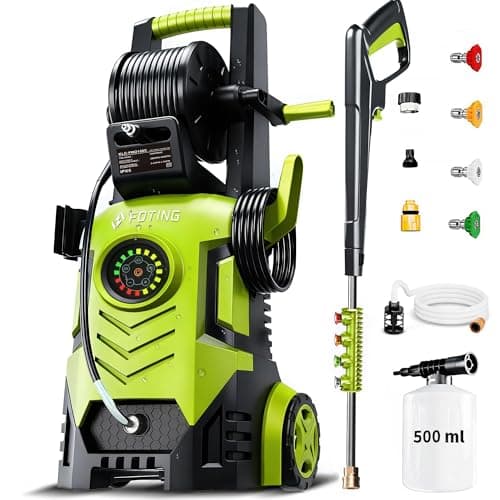
Nozzles control the spray pattern and pressure intensity. They are color-coded by angle: 0° (red) for extreme precision, 15° (yellow) for tough stains, 25° (green) for general cleaning, and 40° (white) for delicate surfaces. For driveways, start with a 25° or 40° nozzle to avoid damage. Use a turbo nozzle (rotating spray) for stubborn oil stains—it delivers concentrated cleaning without increasing PSI. Surface cleaners are also available; these attach to your wand and provide even, consistent coverage, reducing streaks and the risk of gouging. Invest in a set of nozzles to handle different cleaning tasks safely.
▸Detergents and Cleaning Solutions
Many power washers have a detergent tank or suction tube for applying cleaning solutions. Use driveway-specific detergents that break down oil, grease, mold, and algae. Oxygenated cleaners are eco-friendly and safe for plants when used properly. Avoid chlorine-based cleaners on colored or sealed surfaces. Always follow dilution instructions and pre-wet surrounding vegetation to protect it. Apply detergent with a low-pressure setting, let it dwell for 5–10 minutes, then rinse thoroughly. Never mix detergents unless specified by the manufacturer. Using the right chemical enhances cleaning efficiency and reduces the need for high-pressure rinsing.
Preparation and Safety Measures
▸Clearing and Protecting the Area
Before starting, clear your driveway of vehicles, furniture, trash cans, and debris. Sweep loose dirt and leaves to improve cleaning efficiency. Protect nearby plants, windows, and outdoor fixtures with plastic sheeting or tarps. Close garage doors and windows to prevent water intrusion. Cover electrical outlets and outdoor lighting. If cleaning near a neighbor’s property, inform them in advance. Remove any oil stains with a degreaser before power washing. Proper preparation ensures a safer, more effective cleaning process and helps prevent accidental damage to landscaping or structures.
▸Personal Safety Gear
Always wear appropriate safety gear when operating a power washer. This includes safety goggles to protect your eyes from debris and high-pressure spray, non-slip waterproof boots, and gloves to maintain grip and protect your hands. Long sleeves and pants help shield your skin from water impact and cleaning chemicals. Never point the nozzle at people, animals, or fragile surfaces. Keep the trigger locked when not in use. Power washers can generate enough force to cause injury or damage—treat them with the same caution as power tools.
▸Equipment Setup and Inspection
Before use, inspect your power washer for leaks, hose damage, or loose connections. Check the oil (for gas models) and fuel level. Connect the water supply securely and turn it on before starting the machine to prevent pump damage. Use a garden hose with adequate diameter (5/8 inch recommended) to ensure proper water flow. Attach the desired nozzle and test the spray pattern on a less visible area. Ensure all safety latches and locks are engaged. Following a pre-use checklist minimizes malfunctions and ensures consistent performance during operation.
Step-by-Step Cleaning Process
▸Pre-Rinsing the Surface
Begin by pre-rinsing your entire driveway with a wide spray pattern (40° nozzle) to remove loose dirt and debris. This step prevents scratches during the main cleaning phase. Move the wand in slow, overlapping passes from one end to the other. Keep a consistent distance from the surface—typically 12–18 inches. Work from the highest point downward to allow water to flow naturally. Pre-rinsing also reveals stubborn stains or areas needing extra attention. This preparation ensures that detergent and high-pressure rinsing are more effective and reduces the risk of spreading contaminants.
▸Applying Detergent
Switch to the detergent application mode on your power washer or use a separate sprayer. Apply the cleaning solution evenly, starting at the top of the driveway and working downward. Use a low-pressure setting to avoid splashing. Focus on areas with visible stains, mold, or oil spots. Allow the detergent to dwell for 5–10 minutes—this gives it time to break down grime. Do not let it dry on the surface. For tough stains, gently scrub with a soft-bristle brush. Avoid using metal brushes, which can scratch the surface. Proper dwell time maximizes cleaning efficiency and reduces rinse time.
▸High-Pressure Rinsing
After the detergent has worked, switch back to a high-pressure nozzle (25° or turbo) and begin rinsing. Start at the top and work downward in straight, overlapping lines. Keep the wand moving steadily—pausing too long can damage the surface. Maintain a consistent distance and angle. For oil stains, use a turbo nozzle and pass over the area several times. Rinse thoroughly until all soap residue is gone. Check for missed spots and re-treat if necessary. This final rinse reveals the full results of your cleaning effort and restores the driveway’s appearance.
Common Mistakes to Avoid
▸Using Too Much Pressure
One of the most common mistakes is using excessive pressure, especially on older or delicate surfaces. High PSI can etch concrete, dislodge paver joints, or strip asphalt sealant. Always start with the lowest effective pressure and increase only if needed. Use wide nozzles and keep the wand moving. Never use a 0° or 15° nozzle on driveways unless targeting a very small, isolated stain. Over-pressurizing not only damages surfaces but also wastes water and increases wear on your machine. Respect your driveway’s material limits to avoid costly repairs.
▸Ignoring Manufacturer Guidelines
Each power washer and driveway material comes with specific usage recommendations. Ignoring these can void warranties or cause damage. Always read the operator’s manual for your machine and follow PSI and detergent guidelines. Similarly, check with your driveway installer or manufacturer for cleaning recommendations—especially if your surface is sealed or treated. Using improper chemicals or techniques may degrade finishes or discolor pavers. Adhering to guidelines ensures safe, effective cleaning and protects your investment in both equipment and property.
▸Skipping Post-Cleaning Steps
After rinsing, many people turn off the machine and walk away—but post-cleaning steps are essential. Inspect the driveway for remaining stains or damage. Allow the surface to dry completely (usually 24–48 hours) before walking or driving on it. If you removed sealant, consider reapplying it after cleaning. Fill any displaced paver sand and treat persistent mold with a preventive spray. Proper follow-up extends the cleanliness and lifespan of your driveway. Skipping these steps reduces the long-term benefits of your effort.
Maintenance and Long-Term Care
▸Cleaning and Storing Your Power Washer
After use, flush the detergent system with clean water to prevent clogs and corrosion. Run the machine briefly without detergent to clear the lines. Disconnect the hose and drain all water, especially in cold climates to prevent freezing. Wipe down the unit and store it in a dry, covered area. For gas models, consider adding fuel stabilizer if storing for more than 30 days. Check and replace worn nozzles or O-rings as needed. Regular maintenance keeps your power washer in optimal condition and ready for the next use, reducing repair costs and downtime.
▸Scheduling Regular Driveway Cleanings
To maintain your driveway’s appearance and integrity, clean it every 1–2 years. High-traffic areas or regions with frequent rain and shade may need more frequent cleaning due to mold and algae growth. Set a reminder based on your local climate and usage. Light debris can be removed with a broom or leaf blower between deep cleanings. Regular maintenance prevents buildup that requires aggressive cleaning methods. A consistent schedule preserves surface quality and reduces long-term repair needs.
▸Sealing and Protecting the Surface
After cleaning, consider applying a driveway sealer to protect against water, oil, and UV damage. Sealers extend the life of concrete and asphalt and make future cleanings easier. Apply sealer only when the surface is completely dry and temperatures are between 50°F and 90°F. Use a roller or sprayer for even coverage and allow proper curing time (usually 24–72 hours). Reapply every 2–5 years, depending on wear. Sealing is a low-cost investment that significantly enhances durability and appearance.
Tips and Best Practices
▸Work in Sections for Better Results
To ensure thorough and consistent cleaning, divide your driveway into manageable sections (e.g., 10x10 feet). Clean one section at a time, from top to bottom, completing all steps—pre-rinse, detergent, rinse—before moving on. This prevents detergent from drying and ensures even coverage. Mark completed areas if needed. Working systematically reduces fatigue and improves efficiency. It also helps you identify missed spots early. A methodical approach delivers professional-quality results even for DIY users.
▸Use Eco-Friendly Cleaning Options
Choose biodegradable, phosphate-free detergents to minimize environmental impact. Avoid spraying near storm drains—use a containment system or redirect runoff to grassy areas. Pre-wet nearby plants and rinse them after cleaning to remove chemical residue. Consider using oxygen bleach instead of chlorine for mold and mildew. Many modern power washers are designed for low water usage without sacrificing performance. Sustainable practices protect your landscape and local waterways while still delivering excellent cleaning results.
▸Know When to Call a Professional
While most driveway cleaning can be done DIY, some situations warrant professional help. If your driveway has extensive damage, deep-set stains, or you’re unsure about the surface type, a professional assessment is wise. Commercial cleaners have industrial-grade equipment and expertise to handle complex jobs safely. They can also apply sealants and offer maintenance plans. Hiring a pro may be cost-effective for large or delicate projects, saving time and preventing costly mistakes from improper technique or equipment misuse.
Conclusion
Power washing your driveway is an effective way to restore its appearance and protect your home’s value. By understanding your driveway’s material, selecting the right equipment, and following safe, systematic cleaning steps, you can achieve professional results without damage. Remember to prioritize safety, use appropriate pressure and detergents, and avoid common mistakes like over-pressurizing or skipping preparation. Regular maintenance, including sealing and scheduled cleanings, extends the life of your driveway and reduces future effort. With the right knowledge and approach, you’ll keep your driveway clean, safe, and attractive for years to come. Take the time to plan, protect, and perform each step carefully—your home’s first impression depends on it.
Meet the Reporter

Emma Green
Senior Reporter
Passionate gardener and horticulture expert with over 15 years of experience testing and reviewing gardening tools, from hand trowels to power equipment.