
To get rid of plant gnats fast, you must immediately break their breeding cycle by allowing the soil to dry out completely and utilizing sticky yellow traps to capture adult insects. Fungus gnats are a common frustration for indoor gardeners, often appearing when soil stays too damp, but they can be managed with consistent care. While these persistent pests are rarely fatal to established plants, they can damage delicate root systems if left unchecked. This guide explains how to identify an infestation and provides actionable, step-by-step methods to eliminate them quickly and restore your plant’s health. By combining moisture control with effective physical barriers and targeted treatments, you can clear your home garden of these nuisances. Whether you are using basic hand tools for soil aeration or specialized equipment for maintenance, our practical advice ensures you have the right strategy to protect your greenery. Follow these proven techniques to reclaim your indoor oasis and prevent future outbreaks from taking hold.

Identifying the Problem and Source
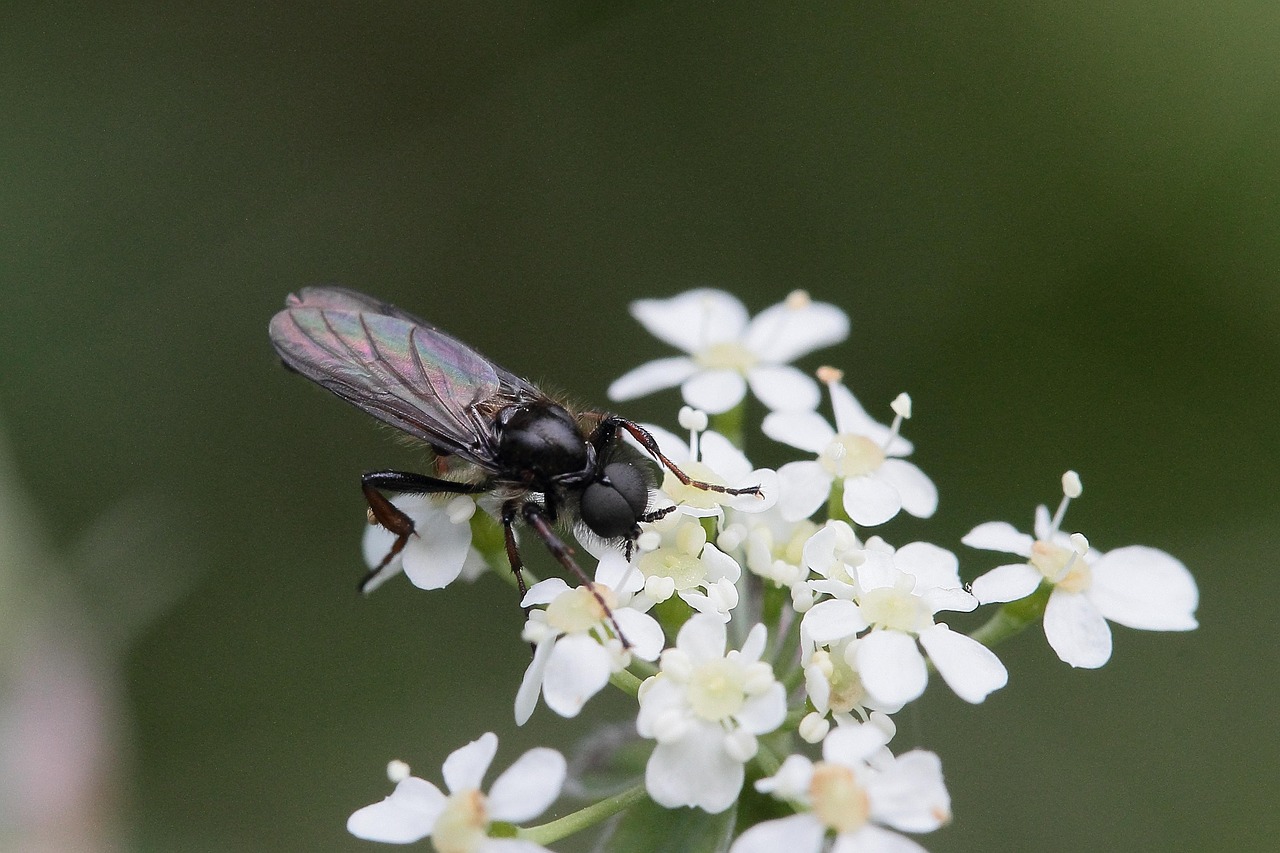
Before you reach for heavy-duty outdoor power equipment or chemical treatments, you must confirm that your plants are suffering from a fungus gnat infestation. Misidentifying the pest can lead to ineffective treatments that waste time and potentially harm your plants. Fungus gnats are tiny, delicate black flies that primarily hover near the soil surface or flutter around the foliage when a plant is disturbed.
Unlike aphids or spider mites, which feed directly on leaves, fungus gnats are attracted to moisture and decaying organic matter. If you see small flies, use a magnifying glass to inspect the soil. If they are slow-moving and congregate near the base of the plant, you are likely dealing with gnats.
The key to solving this issue lies in locating the breeding ground. Fungus gnat larvae thrive in moist, nutrient-rich potting soil. To pinpoint the source, perform a quick inspection of your gardening environment:
- Check the soil surface: Look for signs of fungus or algae, which indicate the soil is staying wet for too long.
- Inspect drainage: Lift your pots to check underneath. Excess water trapped in saucers or decorative cachepots is the most common attractant for adult gnats looking to lay eggs.
- Evaluate organic debris: If you use top dressings like leaf mold or compost, ensure they are not waterlogged. Rotting organic matter provides a perfect nursery for larvae.
Once you have identified the source, stop all watering immediately. Allow the top two inches of soil to dry out completely before your next irrigation. This simple maintenance step disrupts the life cycle of the gnats by killing the larvae, which cannot survive in dry conditions. If you find standing water in saucers, empty them immediately and clean them with a mild soap solution to remove any lingering eggs.
Using hand tools like a small soil aerator or even a simple chopstick can help break up the top layer of soil. Aerating the surface allows air to reach the deeper, damp layers, speeding up the drying process and making the environment less hospitable for the pests. By addressing the moisture issue first, you eliminate the need for harsh interventions and protect the long-term health of your indoor garden.
Immediate Control Methods for Quick Results
If you are dealing with a fungus gnat infestation, taking immediate action is essential to stop the life cycle. The most effective strategy involves a multi-pronged approach that targets both the flying adults and the larvae living in the soil.
Start by placing yellow sticky traps horizontally or vertically near the base of your plants. Fungus gnats are naturally attracted to the color yellow, and these traps will capture the adults quickly, preventing them from laying more eggs in your potting mix.
Next, adjust your watering habits to disrupt the larvae’s environment. Fungus gnat larvae thrive in consistently moist soil. By allowing the top two inches of your soil to dry out completely between waterings, you create a hostile environment that makes it difficult for the larvae to survive. Always check the soil moisture with your finger before reaching for your watering can.
For a more aggressive intervention, you can use a hydrogen peroxide drench to kill larvae on contact. This method is safe for most plants when applied correctly. Follow these steps for the best results:
- Mix a solution of one part 3% hydrogen peroxide to four parts water.
- Ensure the soil is slightly moist before application to prevent root shock.
- Drench the soil thoroughly with the mixture until it drains from the bottom of the pot.
- You may hear a slight fizzing sound; this is normal and indicates the peroxide is neutralizing the larvae.
While these methods provide immediate relief, consistency is key. Keep the sticky traps in place until you no longer see adult gnats flying around your plants. If the infestation is severe, you may need to repeat the hydrogen peroxide drench once a week for two or three cycles to ensure any newly hatched larvae are eliminated. Maintaining proper drainage and avoiding overwatering will prevent these pests from returning in the future.
Biological and Natural Treatments
When dealing with a persistent fungus gnat infestation, physical traps are often not enough to break the cycle. To eliminate them effectively, you must target the larvae living in the soil. The most reliable, natural solution is Bacillus thuringiensis israelensis, commonly known as BTI.
BTI is a naturally occurring bacterium that specifically targets the larvae of gnats and mosquitoes without harming your houseplants, pets, or beneficial insects. It is most commonly found in products sold as “mosquito dunks” or granules. Because the bacteria only affect the larvae, you must be diligent about treating the soil to interrupt the reproductive life cycle.
To use BTI effectively, follow this simple routine:
- Prepare the water: Place a small piece of a mosquito dunk into your watering can and let it steep for several hours or overnight.
- Water consistently: Use this treated water for every watering session. The goal is to ensure the BTI reaches the top few inches of soil where the larvae feed.
- Maintain the cycle: Continue this process for at least three to four weeks. This duration covers the entire life cycle of the gnat, ensuring that newly hatched larvae are eliminated before they can mature and reproduce.
Crucially, do not limit your treatment to the plants that show visible gnat activity. Fungus gnats are mobile and will quickly migrate to untreated pots in the vicinity. To truly get rid of them fast, you must treat every single plant in the room, even those that appear healthy. If you have a large collection, isolate the heavily infested plants to prevent cross-contamination while the BTI takes effect.
Pairing BTI treatments with good garden maintenance is essential for long-term success. Always allow the top inch of soil to dry out completely between waterings, as fungus gnats thrive in constantly moist conditions. By combining the biological control of BTI with improved watering habits, you create an environment that is inhospitable to gnats, effectively ending the infestation and preventing future outbreaks. If you use hand tools to aerate the soil, ensure they are cleaned thoroughly afterward to avoid spreading spores or larvae to other areas of your home garden.
Safety Precautions and Tool Handling
When preparing treatments to eliminate plant gnats, safety must be your first priority. Many DIY remedies involve concentrated solutions, such as neem oil, hydrogen peroxide, or dish soap, which can irritate sensitive skin. Always wear nitrile or rubber gloves when mixing or applying these substances to protect your hands from potential chemical burns or allergic reactions.
Proper tool hygiene is equally vital when addressing a gnat infestation. If you are repotting plants or aerating the topsoil to disrupt the gnat life cycle, your gardening equipment can easily become a vector for disease. Before and after use, sanitize your trowels, pruners, and soil cultivators to prevent the spread of fungal pathogens or bacteria between pots.
Follow these essential safety practices to keep your home environment secure:
- Sanitize Tools: Wipe down metal blades and trowel surfaces with a 70% isopropyl alcohol solution or a mild bleach-to-water ratio before moving from an infested plant to a healthy one.
- Secure Storage: Keep all concentrated cleaners, insecticides, and soil treatments in their original containers. Store them in a locked cabinet or on a high shelf, completely out of reach of children and household pets.
- Ventilation: When applying sprays or aerosols, ensure the room is well-ventilated. Open windows or use a fan to circulate air, preventing the inhalation of concentrated vapors.
- Hygiene Protocol: Always wash your hands thoroughly with soap and warm water immediately after handling soil, repotting plants, or applying treatment products. Avoid touching your face or eyes while working with these materials.
For outdoor power equipment used in broader lawn care, ensure that any attachments used to clear debris or aerate soil are debris-free before storage. If you use garden maintenance tools to manage mulch or organic matter where gnats may be breeding, clean these tools away from your primary indoor living spaces. By maintaining clean equipment and practicing diligent personal hygiene, you effectively protect yourself and your plants during the treatment process. If a solution comes into contact with your skin, rinse the area immediately under cool running water for several minutes and consult a product label for specific first-aid instructions.

Follow-up Care and When to Seek Help
After applying your initial treatment, your work isn’t quite finished. Fungus gnats have a rapid reproductive cycle, meaning new larvae may hatch from eggs hidden deep within the soil. Monitor your plants closely for at least two weeks to ensure you have successfully broken the lifecycle.
Continue to prioritize proper watering habits. Allow the top two inches of soil to dry out completely between waterings, as moist soil is the primary breeding ground for these pests. If you are using yellow sticky traps, keep them in place during this period to catch any remaining adult gnats and to monitor for new activity.
If you notice that gnat populations persist despite consistent drying and biological treatments, the infestation may be deep-seated. In these cases, a fresh start is often the most effective solution:
- Repotting: Carefully remove the plant from its container and gently shake away as much of the old, contaminated soil as possible.
- Sanitation: Discard the old soil in a sealed bag—do not add it to your compost pile.
- Fresh Medium: Repot the plant using high-quality, sterile potting mix. Avoid using garden soil, as it often contains organic matter that attracts gnats.
- Container Hygiene: Thoroughly scrub your pot with warm, soapy water before replanting to ensure no eggs remain on the inner surfaces.
If you have repotted your plant and adjusted your watering routine, but the gnats continue to return, you may be dealing with a more complex issue. Persistent pests can sometimes indicate underlying plant health problems, such as root rot or fungal diseases, which provide a constant food source for larvae. In this situation, it is wise to stop further home treatments that might stress the plant.
Instead, consult a local nursery professional or your regional agricultural extension service. These experts can provide a definitive diagnosis and recommend specific, safe interventions tailored to your plant variety. Bringing a sample of the affected soil or a leaf cutting in a sealed plastic bag can help them identify exactly what is happening beneath the surface. Taking this step early can save your plant from long-term damage and prevent the infestation from spreading to your other indoor greenery.

Dedicated team of gardening enthusiasts with years of hands-on experience testing lawn mowers, gardening tools, and outdoor equipment. We help home gardeners and professionals alike make informed buying decisions with honest, thorough reviews. From push mowers to pruning shears, we test it all so you don’t have to. Got a gardening tool you’d like us to review? Get in touch!