
To get rid of gnats in plants, you must eliminate the moist conditions they thrive in by allowing your soil to dry out completely between waterings and applying a layer of sand or decorative gravel to the surface. Fungus gnats are a common frustration for indoor and outdoor gardeners, often appearing as tiny, annoying flies hovering around your favorite houseplants or garden beds. While these pests are primarily a nuisance, their larvae can damage delicate root systems if left unchecked. This comprehensive guide explains how to identify these pests, eliminate them using safe, effective methods, and adjust your overall care routine to prevent them from returning. From utilizing essential gardening tools to implementing proper lawn care equipment and outdoor power equipment maintenance, we provide the practical strategies you need to restore your greenery. By following these expert tips on garden maintenance and practical home gardening, you can quickly regain control of your indoor and outdoor spaces and keep your plants thriving.

Identifying Fungus Gnats and Why They Appear
If you notice tiny, mosquito-like insects hovering around your houseplants, you are likely dealing with fungus gnats. These pests are a common nuisance for indoor gardeners, but they are more than just a visual annoyance. Understanding why they appear is the first step toward reclaiming your soil health.
Fungus gnats are primarily attracted to two things: moisture and decaying organic matter. They thrive in environments where soil stays consistently wet, as this provides the perfect breeding ground for their eggs. If you find yourself frequently reaching for your watering can, you may be unintentionally creating a sanctuary for these flies.
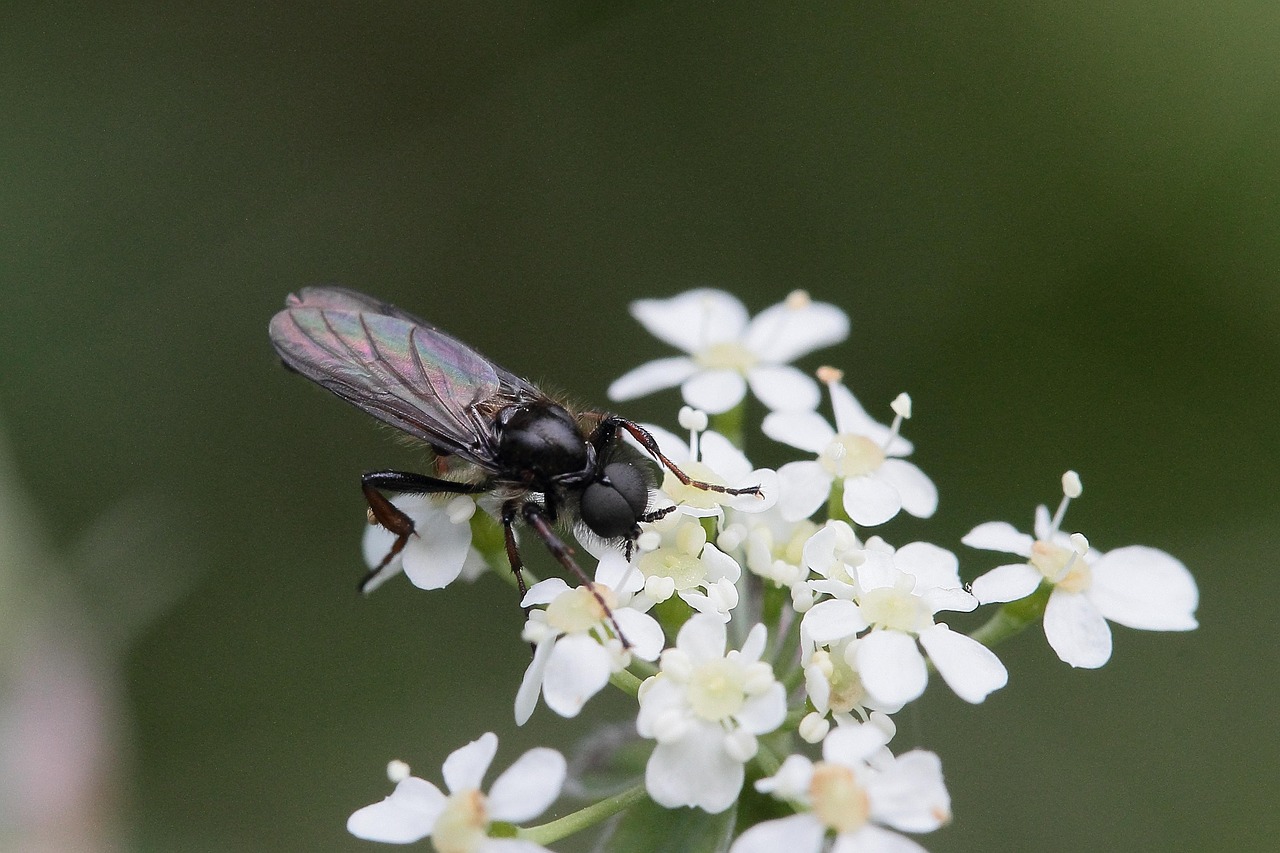
Adult fungus gnats are small, fragile-looking flies with long legs and clear wings. While the adults themselves do not bite humans or pets, they are prolific breeders. A single female can lay hundreds of eggs in the top layer of potting mix, which soon hatch into translucent, worm-like larvae with black heads.
The real damage occurs beneath the soil surface. The larvae feed on:
- Fungal growth and decomposing organic material in the soil.
- Fine root hairs of your houseplants.
- Young, tender plant stems near the soil line.
When larvae feed on root systems, they can compromise a plant’s ability to absorb water and essential nutrients. In severe infestations, you might notice your plants starting to wilt, lose their luster, or show signs of stunted growth, even if you are watering them regularly. This damage is particularly dangerous for seedlings and plants with sensitive root systems.
The primary cause of a fungus gnat outbreak is almost always overwatering. When soil remains soggy, it prevents the necessary airflow to the roots and encourages the rapid decomposition of organic matter, such as peat moss or bark, which are common components in commercial potting mixes. By keeping the soil surface consistently damp, you are providing a constant food source and an ideal nursery for the next generation of gnats.
To break the cycle, shift your focus from chemical treatments to cultural control. The most effective way to discourage these pests is to allow the top two inches of your potting soil to dry out completely between waterings. This simple adjustment makes the environment inhospitable for larvae and prevents the adults from laying new eggs, effectively stopping the infestation at its source.
Immediate Steps to Control Gnat Populations
If you have noticed tiny, dark flies hovering around your houseplants, you are likely dealing with fungus gnats. While these pests are primarily a nuisance, their larvae feed on organic matter and delicate root hairs in the soil. To stop the infestation, you must address both the flying adults and the developing larvae simultaneously.
The fastest way to reduce the adult population is by using yellow sticky traps. Fungus gnats are naturally attracted to the color yellow. Place these traps horizontally on the soil surface or hang them vertically near the base of the plant. As the adults land on the adhesive surface, they become trapped, effectively breaking their reproductive cycle before they can lay more eggs.
While traps handle the adults, you must disrupt the lifecycle of the larvae living in the soil. Fungus gnat larvae thrive in consistently moist, decaying organic material. By altering the soil environment, you can make it inhospitable for them.
Follow these practical steps to manage the soil environment:
- Allow the soil to dry out: Let the top two inches of potting soil dry completely between waterings. This dehydration kills larvae and prevents new eggs from hatching.
- Check drainage: Ensure your pots have functioning drainage holes. Never let your plants sit in standing water, as this creates the perfect breeding ground for gnats.
- Remove debris: Clear away any fallen leaves, dead plant matter, or moss from the surface of the soil, as these provide a food source for larvae.
- Bottom watering: Switch to bottom watering by placing your pot in a tray of water for 15 minutes. This keeps the surface soil dry while ensuring the roots get the hydration they need.
It is important to remain patient during this process. Because gnats have a rapid reproductive cycle, you may not see an immediate disappearance of every fly. Continue using sticky traps and maintaining a drier soil surface for at least two to three weeks. If the infestation persists despite these changes, you may consider applying a biological control agent, such as Bacillus thuringiensis israelensis (BTI), which specifically targets larvae without harming your plants or beneficial household pets. Consistent monitoring and disciplined watering habits are the most effective tools in your gardening arsenal for keeping your indoor plants healthy and pest-free.
Safe and Effective Home Remedies
When dealing with a gnat infestation, your first line of defense should be non-toxic methods that disrupt the insect’s life cycle without harming your plants or the indoor environment. Fungus gnats thrive in moist soil, so addressing the top layer is essential for long-term control.
The most effective physical barrier is a layer of coarse sand or decorative gravel applied to the surface of your potting soil. By covering the soil completely, you prevent adult gnats from reaching the surface to lay new eggs. Ensure the layer is at least half an inch thick and keep the edges tight against the pot rim. This simple modification forces the soil to dry out more quickly at the surface, which is inhospitable for larvae.
If the infestation is already established, you need to target the larvae residing in the root zone. You can safely treat the soil using these two common household solutions:
- Hydrogen Peroxide: Mix one part 3% hydrogen peroxide with four parts water. Pour this solution into the soil until it drains out of the bottom. The peroxide releases oxygen, which kills larvae on contact without damaging healthy roots. You may hear a slight fizzing sound, which is a normal reaction as the solution contacts organic matter.
- Neem Oil: Dilute high-quality, cold-pressed neem oil according to the product label instructions. Use this as a soil drench rather than a leaf spray. Neem oil acts as an insect growth regulator, preventing larvae from maturing and disrupting their feeding habits.
Consistency is vital when using these remedies. Because these treatments primarily target larvae and eggs, you must repeat the application every time you water your plants for at least two to three weeks. This ensures you catch any new generations that may have hatched after your initial treatment.
Always remember that these remedies work best in tandem with improved cultural practices. Avoid overwatering, as constantly wet soil is the primary driver of gnat populations. If your plant pots do not have adequate drainage holes, consider repotting them into containers that allow excess moisture to escape. By combining a physical barrier with targeted soil treatments and better watering habits, you can effectively eliminate gnats while keeping your home garden healthy and thriving.
Safety Precautions When Using Soil Treatments
When addressing a gnat infestation, you may be tempted to reach for chemical treatments or heavy-duty horticultural sprays. While these products are effective at breaking the life cycle of pests, they require careful handling to ensure the safety of your household and the surrounding environment. Before you begin applying any soil amendments or treatments, prioritize these safety measures.
Always wear protective gloves when mixing soil, applying granules, or handling liquid treatments. Soil amendments and concentrated pest control products can cause skin irritation or allergic reactions upon contact. If you are using sprays or oils, consider wearing safety goggles to prevent accidental eye irritation from mist or airborne particles.
Proper ventilation is critical when treating indoor plants. If you are using horticultural oils, neem oil, or chemical sprays, move your plants to a well-ventilated area, such as a garage, porch, or near an open window. Avoid applying treatments in enclosed, poorly ventilated rooms where fumes can accumulate, as this can be harmful to both you and your pets.
Follow these essential safety protocols to protect your home:
- Secure Storage: Keep all pesticides, fertilizers, and soil additives in their original containers. Store them in a locked cabinet or on a high shelf, completely out of reach of children and pets.
- Read the Label: Never assume a product is safe based on its “natural” branding. Always read the manufacturer’s instructions regarding dosage, application frequency, and specific safety warnings.
- Prevent Ingestion: Ensure that treated soil is not accessible to curious pets. If you have a dog or cat that likes to dig, consider placing a physical barrier, such as decorative stones or a mesh screen, over the top of the soil until the treatment has fully absorbed.
- Wash Thoroughly: After handling any gardening tools or soil amendments, wash your hands and forearms thoroughly with soap and water, even if you wore gloves during the process.
By treating your gardening supplies and amendments with the same caution you would use for household cleaning chemicals, you can effectively eliminate gnats while maintaining a safe environment for your family. If you notice any adverse reactions or accidental ingestion, contact your local poison control center or a veterinarian immediately with the product label in hand.

Long-Term Prevention and When to Seek Help
Preventing a recurring gnat infestation requires shifting your long-term plant care routine to prioritize soil health. Fungus gnats thrive in consistently damp, organic-rich environments, so the most effective deterrent is breaking the moisture cycle. Transitioning to bottom-watering is a highly effective strategy; by placing your pots in a tray of water for 15 minutes, you allow the roots to absorb moisture while keeping the top inch of soil dry. Since gnats require damp surface soil to lay their eggs, keeping that top layer arid effectively starves the next generation of pests.
You should also evaluate your current gardening setup to ensure proper drainage. If your pots lack adequate drainage holes or are sitting in standing water, the soil will remain waterlogged, creating a breeding ground for larvae. Improving aeration is equally important; consider these practical maintenance steps:
- Ensure your pots have functional drainage holes to prevent water accumulation at the base.
- Use a well-draining potting mix amended with perlite or horticultural grit to facilitate airflow.
- Remove fallen leaves and organic debris from the soil surface, as these provide additional food sources for larvae.
- Allow the top two inches of soil to dry out completely between waterings.
If you have consistently applied these methods for several weeks and still observe adult gnats, the infestation may have reached the root system. In cases of severe or persistent outbreaks, it is time to repot the plant entirely. Carefully remove the plant from its container, gently shake away the old, infested soil, and rinse the roots with lukewarm water. Replant the specimen in fresh, sterile potting soil and ensure the new container is clean. This process removes the majority of larvae and eggs that are difficult to reach with surface treatments.
Finally, do not hesitate to seek professional advice if your efforts do not yield results. Persistent pests can sometimes be a sign of underlying issues, such as root rot or a misidentified species of insect. Visit a local nursery or garden center with a sample of the affected plant or a clear photograph of the pests. Local experts are often familiar with regional environmental factors and can recommend specific, safe treatments tailored to your local climate and plant varieties. Consistent maintenance remains your best defense, but professional guidance can save your plants when an infestation proves stubborn.

Dedicated team of gardening enthusiasts with years of hands-on experience testing lawn mowers, gardening tools, and outdoor equipment. We help home gardeners and professionals alike make informed buying decisions with honest, thorough reviews. From push mowers to pruning shears, we test it all so you don’t have to. Got a gardening tool you’d like us to review? Get in touch!