
Attracting hummingbirds is a rewarding way to bring life and color to your backyard, and it is easily achievable with the right approach to your outdoor space. By selecting the correct nectar-rich plants and providing essential resources, you can quickly create a welcoming habitat for these fascinating pollinators. While transforming your garden into a sanctuary requires some patience and consistent maintenance, it is a straightforward process that enhances any home landscape. This guide outlines the practical steps to turn your yard into a hummingbird haven, covering everything from choosing the best floral varieties to maintaining a healthy environment. We will explore how to integrate specific garden tools and outdoor equipment to simplify your tasks, ensuring your garden remains a thriving oasis. Whether you are a novice gardener or an experienced enthusiast, follow these evidence-based strategies to successfully invite hummingbirds to visit your home garden throughout the season.
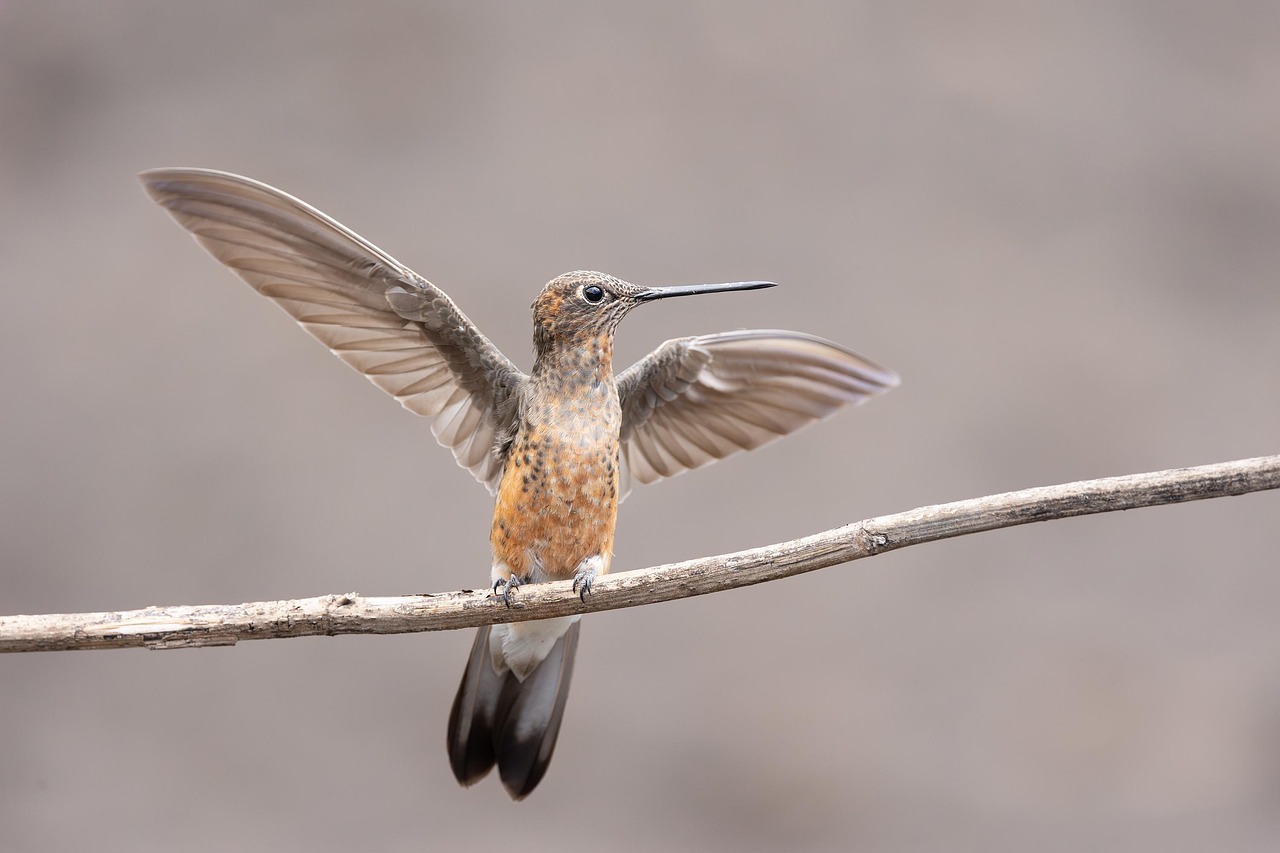
Choose the Best Plants for Hummingbirds
To attract hummingbirds to your garden, prioritize native plant species. Native plants have evolved alongside local pollinators, providing the high-energy, nectar-rich food sources these birds require. Because hummingbirds have high metabolisms, they must feed frequently, making a reliable, season-long food supply essential.
Focus on selecting flowers with a tubular shape. This specific anatomy is perfectly suited to the hummingbird’s long beak and tongue, while often excluding insects that cannot access the deep nectar reserves. When shopping at your local nursery, prioritize blooms in vibrant shades of red, orange, and pink, as these colors are particularly effective at catching a hummingbird’s attention from a distance.
A successful hummingbird sanctuary relies on a mix of perennials, which return year after year, and annuals, which provide a burst of color and nectar throughout the growing season. Incorporate a variety of these species to ensure there is always something in bloom:
- Bee Balm (Monarda): A perennial powerhouse that produces unique, tubular flowers throughout the summer.
- Columbine (Aquilegia): An early-season favorite that provides vital nectar when other food sources may be scarce.
- Salvia: Available in many varieties, these plants offer long-lasting, nectar-filled spikes that hummingbirds revisit repeatedly.
- Trumpet Vine: A vigorous climber that provides a massive amount of nectar, though it requires sturdy support structures.
- Penstemon: Excellent for adding height and reliable, bell-shaped blooms to your garden beds.
When preparing your planting beds, use a sharp hand trowel to ensure you are digging holes deep enough to accommodate the root balls of your new plants without damaging them. If your soil is compacted, use a garden fork to gently aerate the area before planting to encourage strong root development. For larger installations, a lightweight spade will make moving soil and compost much easier on your back.
Once your garden is established, maintain a consistent watering schedule. Hummingbirds are often attracted to the mist of a gentle sprinkler, which can double as a way to keep your nectar-rich plants hydrated during the heat of the day. By layering these plants and maintaining the soil health with organic mulch, you create a sustainable, self-replenishing habitat that will keep hummingbirds returning to your yard every year.
Install and Maintain Feeders Properly
While native flowers provide essential nutrients, installing hummingbird feeders is a reliable way to supplement their diet, especially during peak migration periods. To ensure your feeders remain a safe and attractive destination, consistency and cleanliness are paramount.
When preparing nectar, simplicity is best. Avoid complex recipes or additives that can be toxic to delicate hummingbirds. Use the following standard ratio to mimic natural nectar:
- Mix one part white granulated sugar with four parts water.
- Boil the water to dissolve the sugar completely, then allow it to cool entirely before filling the feeder.
- Never use honey, which can cause fatal fungal infections, or artificial sweeteners, which provide no energy.
- Avoid adding red dye; the bright red color of the feeder itself is sufficient to attract the birds.
Proper maintenance of your equipment is vital for bird health. Hummingbirds are susceptible to mold and bacteria, which can grow rapidly in warm, sugary solutions. A neglected feeder can quickly become a health hazard rather than a food source.
Establish a regular cleaning routine to keep your equipment in top condition:
- Clean feeders every three to four days, or more frequently during periods of extreme heat.
- Disassemble the feeder completely and scrub all parts, including the feeding ports and reservoir, using hot water and a dedicated bottle brush.
- If you notice black spots or a cloudy film, soak the components in a solution of one part white vinegar to two parts water to eliminate mold growth.
- Rinse all parts thoroughly with clean water until no scent of vinegar remains before refilling.
Position your feeders in a shaded area to prevent the sugar-water from fermenting too quickly. If you have multiple feeders, space them out to reduce territorial aggression, as hummingbirds can be highly protective of their food sources. By maintaining clean, accessible feeders, you create a dependable sanctuary that encourages these vibrant birds to return to your garden throughout the season. Remember, the goal is to provide a safe, natural-like experience; if you are unable to clean the feeders regularly, it is better to provide fewer feeders that you can maintain consistently rather than many that go neglected.

Create a Safe and Protective Environment
Creating a sanctuary for hummingbirds requires more than just nectar-rich flowers; you must provide a secure habitat where these birds can rest and escape predators. Hummingbirds are vulnerable to hawks, cats, and even larger insects, so strategic planting is essential. Incorporating small trees or dense, twiggy shrubs near your feeding stations offers the perfect perching spots and protective cover they need to feel safe.
When selecting plants for shelter, prioritize native species that offer a thick branching structure. These plants not only provide refuge from wind and rain but also serve as natural nesting sites. As you maintain these areas, keep your gardening practices focused on long-term safety:
- Prune with care: Use sharp, clean hand pruners to maintain the shape of your shrubs, but avoid aggressive trimming during the nesting season (typically spring and early summer) to prevent disturbing active nests.
- Minimize chemical use: Eliminate the use of synthetic pesticides and herbicides entirely. Hummingbirds rely on small insects, spiders, and gnats for up to 20% of their diet, providing the essential protein required for growth and energy.
- Natural mulching: Instead of chemical fertilizers, use organic compost or leaf mulch around the base of your trees and shrubs. This encourages a healthy soil ecosystem that supports the beneficial insects hummingbirds hunt.
- Tool hygiene: Keep your outdoor power equipment and hand tools clean. If you use a leaf blower or string trimmer, ensure you are not clearing away the natural debris and spiderwebs that hummingbirds often use as building materials for their nests.
By shifting your gardening approach toward a more natural, chemical-free environment, you transform your yard into a reliable haven. A well-maintained garden that mimics a wild, protected ecosystem will encourage hummingbirds to return year after year. Focus on creating “layers” in your landscape—tall trees for observation, mid-sized shrubs for hiding, and low-growing flowers for feeding. This structural diversity is the most effective way to protect these delicate birds from environmental stressors and predators alike. Remember, a slightly “messy” garden is often the most productive one for wildlife, as it provides the necessary nooks and crannies that hummingbirds require for daily survival.
Incorporate Water Features
While nectar-rich flowers provide the fuel hummingbirds need, water is essential for their hygiene. Unlike many songbirds that enjoy deep birdbaths, hummingbirds prefer misting water or shallow, moving water. Because they are tiny and vulnerable, they feel safest when they can hover through a fine spray or perch on a wet leaf to bathe.
To create an inviting oasis, you can easily adapt your existing garden tools and equipment. A simple mister attachment for your garden hose is one of the most effective ways to attract them. By setting the nozzle to a fine mist and directing it toward a dense shrub or a patch of broad-leaved plants, you create a natural bathing station that mimics morning dew.
If you prefer a more permanent setup, consider these practical options:
- Shallow Basins: Use a shallow saucer or a specialized birdbath no deeper than one inch. If the basin is too deep, place smooth, clean river stones in the center so the birds have a safe place to perch while they dip their wings.
- Fountain Pumps: A small, low-voltage solar fountain pump can be placed in a shallow basin to keep the water moving. The gentle sound and rippling surface are highly attractive to hummingbirds.
- Drippers: Many garden centers sell simple dripper attachments that connect to your outdoor spigot. A slow, rhythmic drip into a shallow dish creates the movement these birds crave.
Maintenance is the most critical aspect of providing water. Stagnant water quickly becomes a breeding ground for mosquitoes and a potential vector for avian diseases. To keep your garden safe for your feathered visitors, follow these maintenance tips:
Keep it Clean: Scrub your water basin at least twice a week using a stiff-bristled hand brush and a solution of one part vinegar to nine parts water. Rinse thoroughly to ensure no chemical residue remains.
Clear Debris Daily: Use a small net or your fingers to remove fallen leaves, twigs, or insect debris daily. Hummingbirds are sensitive to water quality, and clean, clear water will encourage them to return to your garden repeatedly throughout the season. By integrating these simple water features into your landscape, you provide a vital resource that keeps hummingbirds healthy and local to your yard.

Frequently Asked Questions and Seasonal Care
Timing is critical when attracting hummingbirds to your garden. Generally, you should place your feeders out one to two weeks before the historical arrival date of hummingbirds in your specific region. Checking local migration maps or consulting with nearby wildlife experts can help you pinpoint this window, ensuring that early scouts find a reliable food source immediately upon arrival.
Managing territorial behavior is another common concern. Hummingbirds are naturally aggressive and often guard feeders from rivals. To minimize conflict, space your feeders at least 10 to 15 feet apart or place them in areas where one feeder is obscured from the view of another. Planting dense native shrubs also provides natural cover, allowing birds to retreat and hide when they feel threatened.
Maintaining your garden landscape is essential for creating a welcoming habitat, but it must be done with caution. If you are using power equipment like hedge trimmers or string trimmers to shape shrubs and clear lawn edges, follow these safety protocols:
- Always wear ANSI-rated safety glasses and durable work gloves to protect against flying debris.
- Before starting any maintenance, perform a thorough visual inspection of the foliage to ensure there are no active nests present.
- Avoid heavy pruning during peak nesting months, as hummingbirds build delicate, cup-shaped nests that are easily disturbed.
- Keep your hand tools, such as bypass pruners and trowels, clean and sharp to ensure precise cuts that promote plant health and minimize stress to nectar-producing flowers.
Seasonal care involves more than just feeders. In the autumn, keep your nectar sources available until you are certain the birds have migrated south, as late-season stragglers rely heavily on these resources to fuel their long journeys. If you notice a bird that appears lethargic, has drooping wings, or seems unable to fly, do not attempt to handle it yourself. Contact a licensed local wildlife rehabilitator immediately for professional guidance.
Finally, remember that the best garden maintenance is observant maintenance. By keeping your lawn care equipment well-maintained and your garden tidy but habitat-friendly, you create a sanctuary that hummingbirds will return to year after year. If you struggle to identify the specific species visiting your yard, take clear photographs and reach out to local birding organizations for expert assistance.
