
Growing sweet basil indoors allows you to enjoy fresh, aromatic herbs regardless of the season. This guide covers the essential light, water, and maintenance requirements to help your basil thrive on your windowsill or under grow lights. With the right approach, you can easily cultivate a bountiful supply of flavorful leaves right in your kitchen.
While basil is a sun-loving Mediterranean herb, it adapts well to indoor environments if you provide the proper conditions. Success depends on balancing consistent moisture with adequate drainage and maximizing natural light exposure. By understanding these specific biological needs, you can prevent common issues like wilting or stunted growth throughout the colder months.
In the following sections, we break down the practical steps for maintaining a healthy indoor basil plant. You will learn how to select the right potting mix, identify the best spot for optimal photosynthesis, and master the art of pruning for a bushier harvest. Follow these expert tips to ensure your basil remains vibrant and productive.
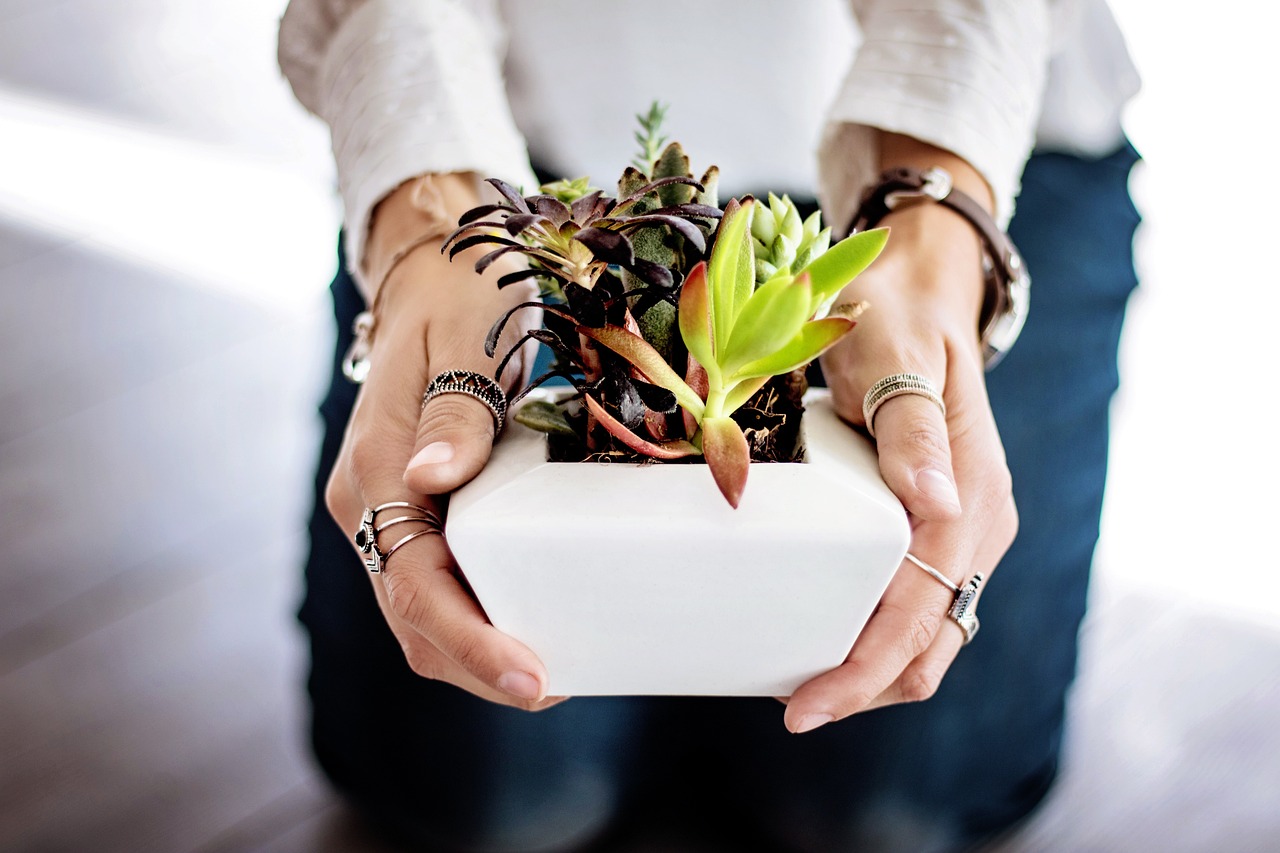
Selecting the Right Pot and Soil
Choosing the correct foundation is the most critical step in successfully growing sweet basil indoors. Because basil is highly susceptible to root rot, your choice of pot and soil must prioritize moisture management and aeration above all else.
Start by selecting a container that is at least six inches deep. As your basil plant matures, it develops a robust root system that requires adequate space to spread. If the pot is too shallow, the roots will become crowded, leading to stunted growth and a weakened plant.
Most importantly, ensure your pot has functional drainage holes at the bottom. Without these, excess water will pool at the base, suffocating the roots and inviting fungal diseases. If you fall in love with a decorative pot that lacks holes, use it as a cachepot by placing a smaller, plastic nursery pot with drainage inside it.
For the growing medium, avoid using garden soil, which is often too heavy and can harbor pests or pathogens. Instead, follow these guidelines for the best results:
- Use high-quality potting mix: Select a lightweight, peat-based or coco-coir-based mix specifically designed for containers. These blends are formulated to retain moisture while remaining airy enough for roots to breathe.
- Check for drainage additives: Look for mixes that contain perlite or vermiculite. These small, white volcanic rocks create tiny air pockets in the soil, preventing compaction and ensuring water flows through easily.
- Refresh the soil: If you are transplanting a nursery-bought basil plant, gently remove the old, compacted soil from the root ball before placing it in your new container with fresh, nutrient-rich mix.
By providing a well-draining environment from day one, you eliminate the most common cause of indoor basil failure. A container that allows the soil to dry out slightly between waterings creates the perfect conditions for your basil to thrive, producing lush, flavorful leaves throughout the season.
Optimizing Light Exposure
Sweet basil is a sun-worshipping herb that requires significant light to thrive indoors. To produce healthy, flavorful leaves, your plant needs a minimum of six to eight hours of direct sunlight every single day. Without this intensity, the stems will become thin, weak, and “leggy” as they stretch desperately toward the nearest light source.
The best location for your basil is a south-facing window, which typically provides the most consistent and intense light throughout the day. If you live in an area with limited natural light or during the shorter, dimmer days of winter, your basil may struggle. In these cases, natural light alone is rarely enough.
When natural light falls short, supplementing with artificial lighting is the most effective way to maintain plant health. A full-spectrum LED grow light is an excellent investment for indoor herb gardening. These lights mimic the sun’s natural spectrum, providing the energy necessary for photosynthesis without generating excessive heat.
Follow these guidelines to optimize your indoor lighting setup:
- Positioning: Place your LED grow light just a few inches above the top of the foliage. This ensures the light intensity is high enough to stimulate growth.
- Duration: If using artificial lights, keep them on for 10 to 12 hours daily to compensate for the lower intensity compared to direct outdoor sun.
- Rotation: Even with a good window, rotate your pot every few days. This ensures that all sides of the plant receive equal exposure, preventing the basil from leaning heavily in one direction.
- Monitoring: Watch for signs of light stress. If the leaves appear scorched or develop brown, crispy edges, move the light source slightly further away. Conversely, if the plant stops growing or the leaves turn pale, increase the light duration or move the plant to a brighter window.
By prioritizing consistent light exposure, you provide the foundation for a lush, productive basil plant that you can harvest from year-round.

Watering and Humidity Needs
Sweet basil thrives when its soil remains consistently moist, mimicking the humid, warm conditions of its native tropical habitat. However, finding the right balance is critical; while basil loves water, it detests having “wet feet.” If the roots sit in stagnant water, they will quickly succumb to root rot, which is often fatal for indoor plants.
To determine if your basil needs a drink, use the finger test. Insert your finger about one inch deep into the potting mix. If the soil feels dry to the touch, it is time to water. If it still feels damp or cool, wait another day or two before checking again.
When you water, follow these best practices to keep your plant healthy:
- Water the base: Always pour water directly onto the soil surface. Getting water on the foliage can encourage fungal diseases, such as downy mildew, which thrive in damp, stagnant conditions.
- Use drainage: Ensure your pot has adequate drainage holes. After watering, empty the saucer beneath the pot so the plant is not sitting in runoff.
- Consistent moisture: Try to keep the soil moisture level steady. Drastic swings between bone-dry and saturated soil can stress the plant and cause leaves to wilt or drop.
Humidity is another vital factor for indoor success. Basil prefers a humid environment, but indoor air—especially during winter months when heaters are running—is often too dry. While you do not need to mist the leaves, you should ensure the plant is placed in an area with good air circulation. Proper airflow helps manage ambient humidity levels around the foliage and prevents moisture from lingering on the leaves, which significantly reduces the risk of fungal issues. If your home is exceptionally dry, grouping your basil with other indoor plants can create a microclimate that helps retain necessary moisture without the need for constant intervention.
Pruning and Harvesting Techniques
Regular pruning is the secret to transforming a spindly indoor sweet basil plant into a lush, productive mound. By removing specific stems, you signal the plant to stop growing upward and instead focus energy on producing lateral branches. This process creates a bushier structure and significantly increases your overall leaf yield.
To prune correctly, locate a leaf node—the point where two small leaves emerge from the main stem. Use clean, sharp garden shears or scissors to snip the stem just above this node. You will soon notice two new stems sprouting from that exact location, effectively doubling the plant’s foliage in those spots.
Follow these best practices to ensure your plant remains healthy during the process:
- Sanitize your tools: Wipe your shears with rubbing alcohol before and after pruning to prevent the introduction of pathogens or mold to the fresh cuts.
- Follow the one-third rule: Never remove more than one-third of the total plant at any one time. Over-pruning can shock the basil and hinder its ability to photosynthesize effectively.
- Protect your skin: If you have sensitive skin, wear lightweight gardening gloves. While basil is generally safe, the oils can occasionally cause minor irritation for some individuals.
- Pinch off flower buds: If you see small flower spikes forming, snip them off immediately. Flowering signals the end of the plant’s life cycle and causes the leaves to turn bitter.
When harvesting for culinary use, always work from the top of the plant downward. This ensures that the remaining leaves continue to receive optimal sunlight. If you find yourself with more basil than you can use immediately, the clippings can be placed in a glass of water to root, allowing you to propagate new plants. By consistently trimming and harvesting, you maintain a vigorous, healthy herb garden that provides fresh flavor for your kitchen throughout the entire year.

Troubleshooting and Long-Term Care
Even with perfect conditions, basil can occasionally struggle. If you notice your plant’s leaves turning yellow or growth appearing stunted, take a close look at the undersides of the foliage. These symptoms are often early warning signs of common indoor pests, such as aphids or spider mites. If you spot tiny webbing or small insects, isolate the plant immediately to prevent the infestation from spreading to your other houseplants.
For persistent pest issues, avoid harsh chemicals, especially since you plan to consume the leaves. Instead, consult your local nursery or agricultural extension office for safe, organic treatment options like neem oil or insecticidal soaps. Always follow label instructions carefully to ensure the plant remains safe for culinary use.
Long-term care is primarily about maintaining the plant’s vigor and flavor. Basil is an annual that naturally wants to reproduce by flowering. Once the plant begins to produce buds or flowers, it shifts its energy away from leaf production, which can cause the leaves to become bitter and tough. To keep your basil bushy and flavorful, follow these maintenance tips:
- Pinch early and often: As soon as you see flower buds forming at the tips of the stems, pinch them off immediately using your fingers or clean garden shears.
- Harvest strategically: Regularly harvest the top sets of leaves. This encourages the plant to branch out, resulting in a fuller, more productive bush rather than a single, leggy stem.
- Monitor hydration: Ensure the soil remains consistently moist but never waterlogged. If the leaves droop, the plant is likely thirsty, but avoid letting it sit in standing water, which can lead to root rot.
By staying vigilant and pruning regularly, you can extend the life of your indoor basil plant significantly. With the right attention, a single healthy plant can provide a steady supply of fresh, aromatic leaves for your kitchen throughout the growing season.

Dedicated team of gardening enthusiasts with years of hands-on experience testing lawn mowers, gardening tools, and outdoor equipment. We help home gardeners and professionals alike make informed buying decisions with honest, thorough reviews. From push mowers to pruning shears, we test it all so you don’t have to. Got a gardening tool you’d like us to review? Get in touch!