
Learning how to care for succulents inside is remarkably simple once you understand their basic needs. These popular plants are beloved for their striking geometric shapes and low-maintenance nature, making them perfect for any indoor space. By following a few fundamental rules, you can easily help your collection thrive and stay healthy year-round.
While succulents are known for being resilient, they are not entirely indestructible. They require specific environmental conditions to mimic their natural desert habitats, meaning you cannot treat them exactly like standard leafy houseplants. Setting realistic expectations regarding their unique growth cycles will prevent common issues like overwatering or lack of proper sunlight exposure.
This comprehensive guide explains the essential steps to help your indoor succulents flourish in any room. We will dive into the critical requirements for light, water, and soil composition to ensure your plants remain vibrant. Follow these practical tips to master the art of indoor succulent care and keep your greenery looking its absolute best.
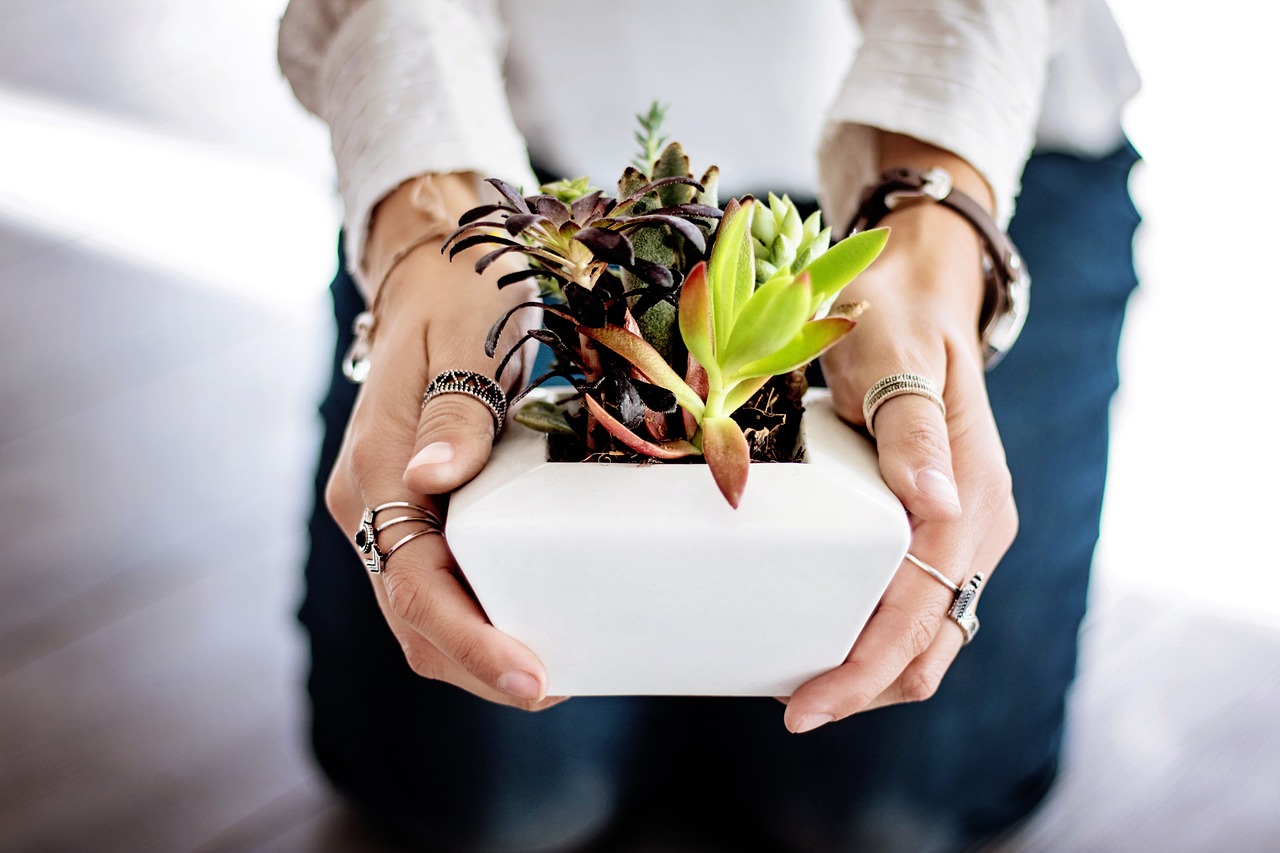
Choosing the Right Light for Indoor Succulents
Light is the most critical factor in keeping indoor succulents healthy. Unlike many common houseplants that thrive in low-light corners, succulents are sun-loving plants that require significant intensity to maintain their compact, vibrant shape. Without adequate light, they will begin to “stretch” or etiolate, resulting in weak, elongated stems and pale leaves as they desperately reach for a light source.
To provide the best environment, place your succulents near a south or west-facing window. These locations typically offer the most consistent, bright, indirect sunlight throughout the day. Aim for a minimum of six hours of light daily to ensure your plants remain sturdy and colorful.
If your home does not have a window with sufficient exposure, you may notice your succulents leaning heavily toward the glass or losing their structural integrity. In these cases, artificial supplementation is often necessary. Follow these guidelines for successful indoor lighting:
- Rotate regularly: Even in a sunny window, rotate your pots every week to ensure all sides of the plant receive equal light exposure, preventing lopsided growth.
- Monitor leaf color: If a succulent begins to lose its deep green or variegated color and turns a pale, sickly light green, it is signaling a need for more intensity.
- Use grow lights: If natural light is insufficient, invest in a full-spectrum LED grow light. These are highly effective and can be placed a few inches above the plants for 8 to 12 hours a day to mimic natural sun cycles.
- Watch for sunburn: While succulents love light, sudden exposure to harsh, direct midday sun through glass can scorch delicate leaves. If you notice brown, crispy patches, move the plant slightly further from the window or use a sheer curtain to diffuse the intensity.
By prioritizing bright, consistent light, you provide the foundation for long-term health, helping your succulents thrive rather than just survive in an indoor environment.
Watering Techniques to Prevent Root Rot
The most frequent cause of indoor succulent failure is overwatering. Unlike tropical houseplants that prefer consistent moisture, succulents are biologically adapted to arid environments. They store water in their fleshy leaves and stems, allowing them to survive long periods of drought. Providing too much water prevents the soil from aerating, which quickly leads to root rot—a condition that is often fatal once it takes hold.
To keep your succulents healthy, you must master the “soak and dry” method. Never water on a set schedule, such as every Monday. Instead, rely on the state of the soil. Before adding water, insert a wooden skewer or your finger at least two inches into the potting mix. If you feel any moisture, wait. The soil must be completely bone-dry throughout the entire pot before you water again.
When the soil is fully dry, follow this technique to ensure proper hydration:
- Soak thoroughly: Pour water directly onto the soil, avoiding the leaves, until it runs freely out of the bottom drainage holes. This ensures the entire root system is hydrated.
- Drain completely: Allow the pot to sit in the sink for 15 to 20 minutes until all excess water has escaped.
- Remove standing water: Empty the saucer or decorative cachepot immediately.
Never let a succulent sit in a saucer of standing water. If the roots remain submerged, they cannot breathe, and the plant will begin to rot from the bottom up. You may notice the leaves turning translucent, mushy, or yellow—these are clear warning signs that the roots are drowning.
If you have accidentally overwatered, remove the plant from its pot immediately to inspect the roots. Healthy roots are firm and light-colored, while rotting roots will appear dark, slimy, and fragile. Trim away any mushy sections with sterilized scissors, let the roots air-dry for a day, and repot the succulent into fresh, dry, well-draining cactus mix to give it a fresh start.

Selecting the Best Soil and Containers
Succulents are native to arid environments, meaning they are accustomed to dry, rocky soil that sheds water quickly. When growing them indoors, your primary goal is to replicate these conditions to prevent root rot, which is the most common cause of succulent failure. Using standard indoor potting soil is typically too heavy and retains too much moisture, so selecting the right medium is essential.
For the best results, use a commercial cactus or succulent potting mix. These blends are specifically formulated with added grit to improve aeration and drainage. If you prefer to make your own, you can create a high-quality substrate by mixing two parts standard potting soil with one part perlite or coarse horticultural sand. This amendment ensures that water passes through the pot rather than pooling around the roots.
The container you choose is just as important as the soil. Regardless of the material, your pot must have drainage holes at the bottom. Without them, excess water has nowhere to go, leading to stagnant moisture that quickly kills the plant.
If you have a beautiful decorative ceramic pot that lacks drainage, you can create your own holes. Follow these safety steps to modify your container:
- Wear safety goggles to protect your eyes from ceramic shards or dust.
- Use heavy-duty work gloves to maintain a firm grip and protect your hands.
- Use a masonry drill bit designed for tile or ceramic.
- Keep the surface slightly wet while drilling to reduce heat and prevent the ceramic from cracking.
- Apply gentle, steady pressure; let the drill bit do the work rather than forcing it through the material.
By providing a fast-draining environment, you allow your succulents to thrive indoors. Always check that the soil has dried out completely between waterings, as the combination of proper drainage and careful moisture management is the secret to healthy, vibrant indoor plants that can last for many years.
Maintaining Your Succulents Throughout the Seasons
Succulents are not static houseplants; their care requirements shift significantly as the seasons change. Understanding these cycles is the key to preventing root rot in winter and dehydration during the summer heat.
During the spring and summer, your succulents are in their active growing phase. They benefit from longer daylight hours and warmer temperatures, which allow them to process water more efficiently. During this time, you can water whenever the top inch of soil feels completely dry to the touch.
As autumn arrives and daylight hours decrease, most succulents enter a semi-dormant state. Their growth slows down, and their metabolism shifts to conserve energy. During this period, you must adjust your care routine to avoid overwatering, which is the most common cause of indoor succulent failure.
Follow these seasonal adjustments to keep your plants healthy year-round:
- Winter Watering: Reduce your watering frequency significantly. In the depths of winter, many succulents only require water once a month, or even less, depending on the ambient humidity of your home.
- Temperature Control: Keep your succulents away from cold drafts near windows or doors. Conversely, avoid placing them in the direct path of heating vents or radiators. These artificial heat sources can quickly dry out the soil and dehydrate the leaves, leading to shriveling.
- Light Exposure: While succulents love light, the intensity changes with the seasons. If your plants look “stretched” or leggy during winter, they are reaching for more light. Move them to your brightest south-facing window to compensate for the shorter days.
- Fertilizer Pause: Only fertilize during the active growing season (spring and summer). Never fertilize a dormant plant in the fall or winter, as the plant cannot absorb the nutrients, which can lead to salt buildup in the soil and potential root burn.
By observing these subtle changes, you allow your succulents to rest properly, ensuring they remain vibrant and ready for the next burst of spring growth.

Troubleshooting Common Issues and When to Seek Help
Even the most attentive indoor gardeners encounter setbacks. Succulents are resilient, but they communicate their health status clearly through their leaves. Learning to interpret these signals is the most effective way to keep your collection thriving.
The most frequent issue is improper watering. Because succulents store moisture in their foliage, their appearance changes based on hydration levels:
- Overwatering: If leaves appear yellow, mushy, or translucent, the plant is likely sitting in too much moisture. This often leads to root rot. Stop watering immediately and check the soil; if it is soggy, repot the plant into fresh, well-draining cactus mix and remove any blackened, decaying roots.
- Underwatering: If leaves look shriveled, wrinkled, or puckered, the plant is using up its stored water reserves. A thorough soak will usually plump them back up within a few days.
Pests can also compromise your plants. Mealybugs are a common nuisance, appearing as small, white, cotton-like clusters in the crevices of stems and leaves. If you spot them, isolate the infested plant immediately to prevent the insects from spreading to your other succulents. Treat the plant by gently wiping the affected areas with a cotton swab dipped in 70% isopropyl alcohol or by applying a gentle insecticidal soap.
Sometimes, despite your best efforts, a plant may suffer from severe fungal rot or complete root loss. If the base of the stem has turned brown, soft, or mushy, the rot has likely traveled too far to save the main plant. In this scenario, do not despair. Inspect the plant for any firm, healthy leaves or stem cuttings. You can often propagate these healthy sections to start fresh. Simply place the healthy cuttings on top of dry, well-draining soil and wait for new roots to develop. By acting quickly, you can preserve the genetics of your plant even when the original specimen cannot be saved.
