
Learning how to care for succulents for beginners is straightforward because these plants are naturally resilient. Succulents are popular for their unique shapes and low-maintenance nature, making them perfect for those new to indoor gardening who want to add greenery to their homes without the stress of constant upkeep.
While these desert-adapted plants are famous for being hardy, they are not entirely indestructible. Understanding that they require specific environmental conditions is the key to long-term success. By mimicking their natural habitat with the right balance of sunlight and drainage, you can easily avoid common pitfalls like overwatering or root rot.
This guide covers the essential steps to help your new plants thrive, focusing on light, water, and soil requirements. We will walk you through the practical basics of succulent maintenance, ensuring you have the confidence to keep your collection healthy, vibrant, and growing strong throughout every season of the year.

Understanding Light Requirements for Succulents
Succulents are famous for their love of sunshine, but “plenty of light” does not mean they can all handle the harsh, scorching rays of the midday sun. Understanding the difference between light intensities is the secret to keeping your plants compact and vibrant.
Bright indirect light is the gold standard for most succulents. This means the plant is placed in a spot where it can “see” the sky but is not hit by direct sunbeams. A bright windowsill with a sheer curtain or a spot a few feet away from a sunny south-facing window is ideal. Think of it as a well-lit room where you could easily read a book without needing a lamp.
Direct sun refers to the unfiltered rays hitting the leaves. While some desert varieties thrive here, many common succulents will suffer from “sunburn,” which appears as bleached, white, or brown crusty patches on the foliage. If you move a plant from a dim area to a sunny spot, do so gradually over two weeks to prevent damage.
The most common sign that your succulent is not getting enough light is etiolation. This occurs when a plant desperately stretches toward a light source, resulting in a weak, elongated stem with wide gaps between the leaves. A healthy succulent should look tight, symmetrical, and compact.
If you notice your plant beginning to etiolate, take these steps:
- Gradually increase light: Move the plant to a brighter location, but avoid sudden, intense heat that could shock it.
- Rotate the pot: Turn your succulent every few days to ensure all sides receive equal light, which promotes even growth.
- Prune if necessary: If a plant has already become significantly stretched, you can “behead” it to encourage new, compact growth from the base, though this is a more advanced technique.
By monitoring your plant’s shape and leaf color, you can easily adjust its position to provide the perfect balance of light for healthy, thriving growth.
Mastering the Watering Schedule
The most frequent mistake beginner gardeners make with succulents is overwatering. These plants are adapted to arid environments, meaning they store water in their fleshy leaves and stems. When you provide too much moisture, the roots cannot breathe, leading to root rot and eventual plant death.
To keep your succulents thriving, adopt the “soak and dry” method. This technique mimics the natural rainfall patterns these plants experience in the wild. Instead of giving your plant small, frequent sips, you should drench the soil thoroughly until water drains out of the bottom of the pot. Then, wait until the soil is completely dry before watering again.
Never rely on a set schedule, such as watering every Monday. Environmental factors like humidity, temperature, and light levels change throughout the year, altering how quickly your plant consumes water. Instead, use these simple methods to check for moisture:
- The Finger Test: Insert your index finger about two inches into the soil. If you feel any dampness or coolness, wait a few more days before watering.
- The Skewer Method: For deeper pots, insert a clean wooden skewer or chopstick into the soil for a few seconds. If it comes out dark or damp, the soil is still holding moisture. If it comes out clean and dry, it is time to water.
Always ensure your succulent is planted in a container with adequate drainage holes. If your pot lacks holes, excess water will pool at the bottom, creating a swampy environment that kills roots quickly. If the leaves start to look translucent, mushy, or yellow, you are likely watering too frequently. If the leaves look shriveled or wrinkled, the plant is signaling that it is thirsty. By observing these visual cues and ensuring the soil is bone-dry between waterings, you will significantly extend the lifespan of your succulents.
Choosing the Right Soil and Containers
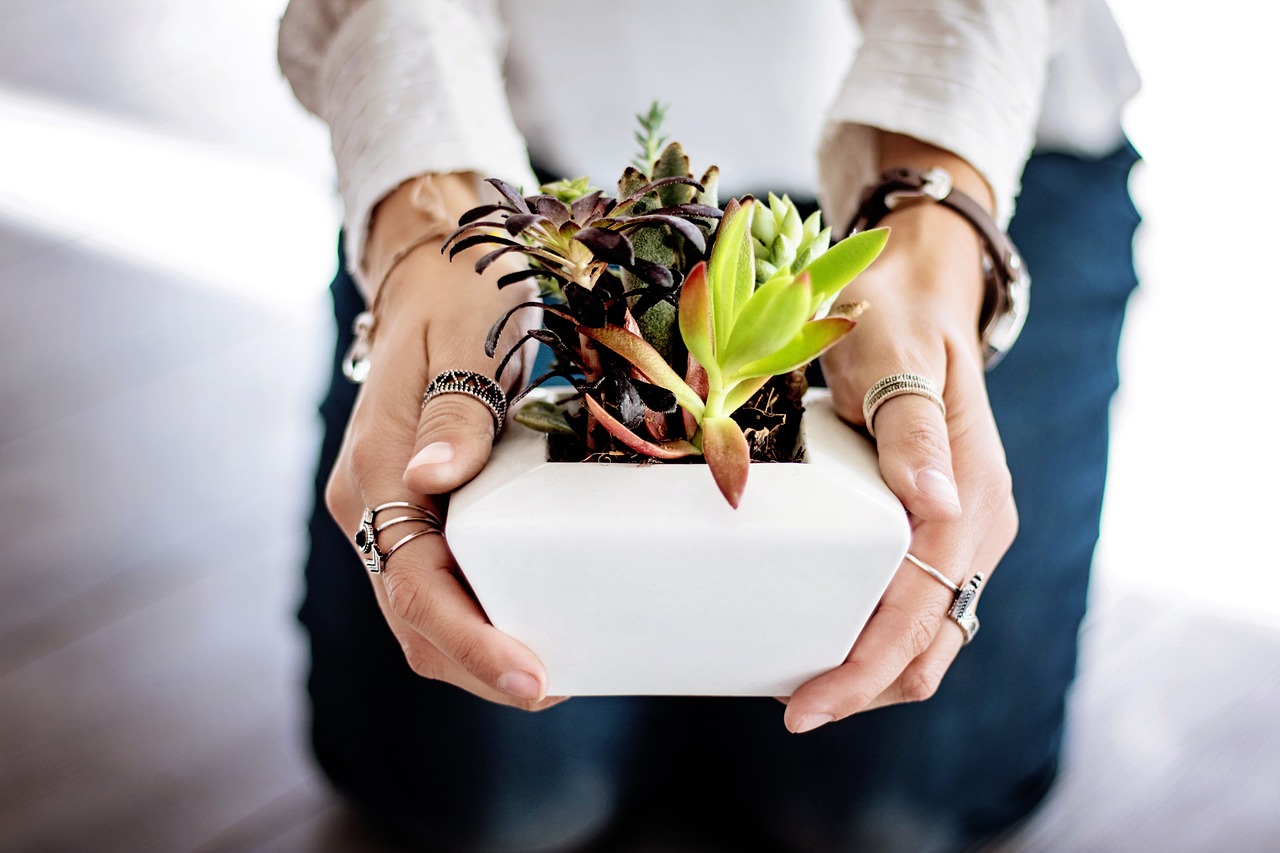
The foundation of succulent health begins with soil and drainage. Unlike traditional houseplants that enjoy moisture-retentive potting soil, succulents are adapted to arid environments. They require a substrate that mimics their natural habitat by allowing water to pass through quickly, preventing the roots from sitting in damp conditions, which leads to fatal root rot.
For the best results, avoid standard indoor potting soil. Instead, purchase a specialized cactus or succulent mix. These blends are formulated with higher concentrations of perlite, pumice, or coarse sand, which increase aeration and improve drainage capacity. If you cannot find a pre-mixed bag, you can create your own by combining two parts regular potting soil with one part perlite or poultry grit.
Your choice of container is equally critical. Every pot must have at least one drainage hole at the bottom. If you fall in love with a decorative container that lacks a hole, you must create one to ensure the plant’s survival.
If you choose to drill into a ceramic or terracotta pot, prioritize your safety by following these steps:
- Always wear protective eyewear to shield your eyes from flying ceramic shards or dust.
- Use thick, puncture-resistant work gloves to protect your hands.
- Select a masonry drill bit designed specifically for tile or ceramic.
- Keep the surface cool by dripping a small amount of water over the drilling area to prevent the material from cracking and to reduce airborne dust.
While porous materials like unglazed terracotta are excellent because they allow moisture to evaporate through the walls of the pot, you can successfully grow succulents in plastic or glazed ceramic containers as long as you provide adequate drainage. Regardless of the material, always ensure the pot is only slightly larger than the plant’s root ball. A container that is too large holds excess soil, which retains too much water and increases the risk of decay. By prioritizing fast-draining soil and proper drainage holes, you provide the essential environment your succulents need to thrive.
Essential Maintenance and Pruning
Succulents are low-maintenance, but they still require regular attention to thrive. Routine grooming keeps your plants healthy, prevents pest infestations, and ensures they look their best.
Start by inspecting your succulents for dead or shriveled leaves at the base of the plant. These leaves are natural remnants of the growth cycle, but they can trap moisture against the stem if left behind, potentially leading to rot. Gently tug them away; if they don’t come off easily, wait a few days until they are completely dry.
Dust accumulation is another common issue that hinders photosynthesis. To clean your plants:
- Use a soft, dry paintbrush or a can of compressed air held at a distance to gently remove dust from the leaves.
- Avoid using water to wipe leaves, as moisture trapped in the rosettes can cause fungal issues.
- For stubborn grime, a damp cotton swab can be used sparingly, provided the leaf dries quickly afterward.
If your succulent becomes leggy or overgrown, you may need to prune it to encourage a more compact shape. Use sharp, sterilized pruning shears to make clean cuts. Always keep your fingers well away from the blades and focus on cutting just above a leaf node. Once you have finished your maintenance, store your shears in a secure, dry place out of reach of children or pets.
Proper cleanup is essential for plant hygiene. Collect all removed leaves and pruned stems immediately. Do not leave plant debris sitting on the soil surface, as decaying organic matter can harbor fungus gnats or bacteria. Dispose of this waste in your compost bin or household trash. By keeping the area around your succulent free of debris, you create a cleaner environment that discourages pests and promotes better airflow.
Consistent, gentle care is the secret to long-term success. By integrating these simple tasks into your routine, you help your succulents remain vibrant and healthy for years to come.

Troubleshooting and Long-Term Care
Even with the best intentions, succulents sometimes show signs of distress. Understanding these signals is key to long-term success. If your plant has yellowing, mushy leaves, it is almost certainly receiving too much water. Succulents store moisture in their foliage, and overwatering leads to root rot. Conversely, if leaves appear wrinkled or wilted despite regular watering, the roots may be damaged or unable to absorb moisture due to compacted soil.
Common troubleshooting steps include:
- Check for pests: Inspect the undersides of leaves and the stem joints for tiny, white, cotton-like spots (mealybugs) or fine webbing (spider mites).
- Adjust drainage: Ensure your pot has a hole at the bottom. If it doesn’t, repot the succulent into a container with proper drainage immediately.
- Assess light: If your plant looks “stretched” or leggy, it is reaching for more sunlight. Move it to a brighter location gradually to avoid sunburn.
Repotting is a necessary part of long-term care, usually required every two years or when the succulent has clearly outgrown its container. Choose a pot only one size larger and use a well-draining cactus or succulent potting mix. When repotting, gently remove old soil from the roots and inspect them for health; healthy roots should be firm and light-colored, not dark or slimy.
Sometimes, despite your best efforts, a plant may fail to thrive. If you notice persistent issues like dark, spreading lesions on the leaves, a foul odor emanating from the soil, or an infestation that does not respond to a gentle wipe-down with diluted rubbing alcohol, it is time to seek professional advice. Local nursery staff are excellent resources for diagnosing specific diseases or identifying stubborn pests. Taking a clear photo of the plant or bringing a sample (in a sealed bag) to your local garden center can help experts provide a targeted treatment plan. Remember, gardening is a learning process, and even seasoned experts occasionally lose a plant to unforeseen complications.
