
Learning how to care for a Sansevieria snake plant is simple because it is one of the most resilient and popular houseplants for beginners. To keep yours thriving, focus on providing bright, indirect light and allowing the soil to dry out completely between waterings to prevent common issues like root rot.
While these architectural plants are incredibly forgiving, they are not invincible. Understanding their natural desert origins helps you avoid the most common mistake: overwatering. By mimicking their native environment, you can ensure your snake plant remains a long-lasting, vibrant addition to your home decor for many years to come with minimal effort.
This comprehensive guide covers the essential care requirements to help your snake plant thrive in any indoor space. We will walk you through everything from ideal light needs and soil composition to professional watering techniques. Follow these practical steps to master plant care and watch your Sansevieria grow strong, healthy, and beautiful.
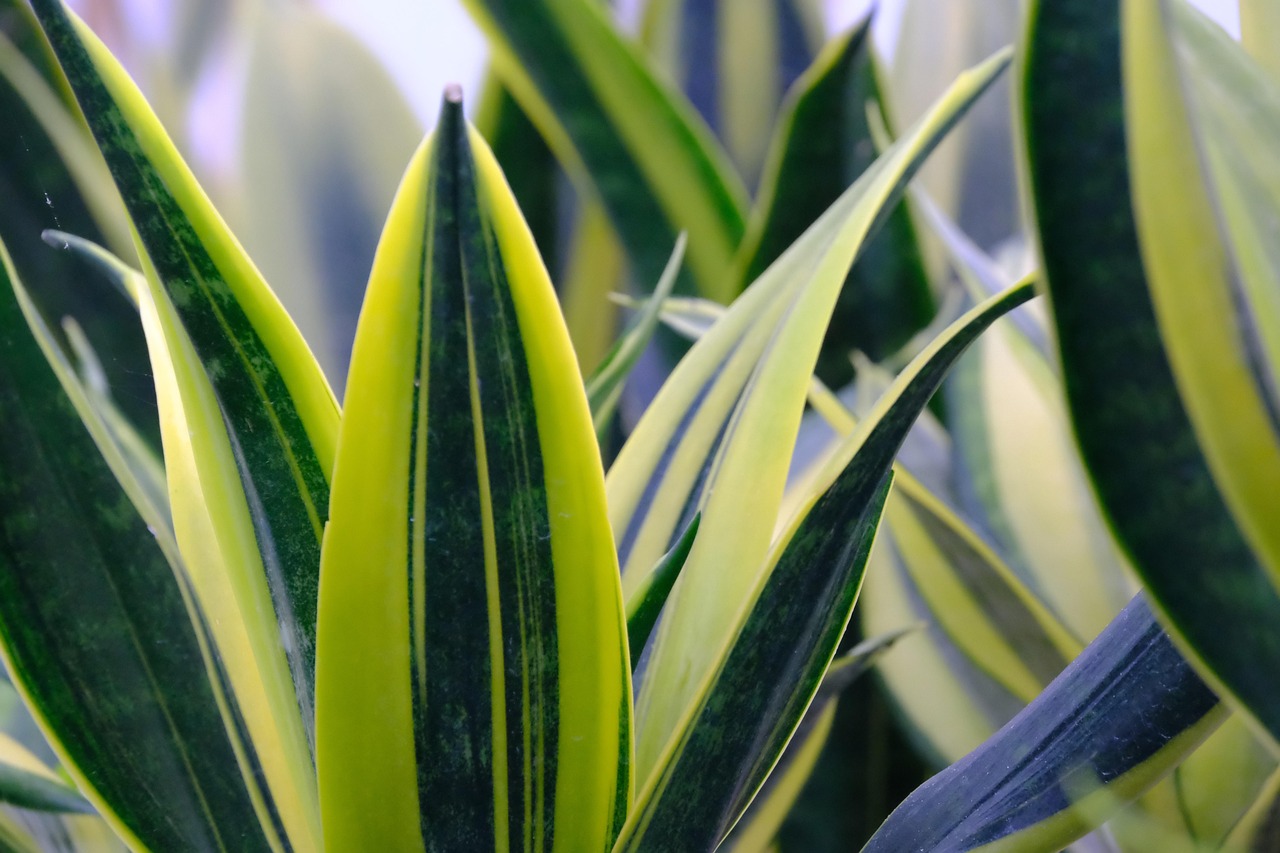
Ideal Light and Placement for Snake Plants
Snake plants (Sansevieria or Dracaena trifasciata) are frequently marketed as “low-light” plants. While it is true that they can survive in dim corners where other houseplants would perish, they are not truly shade-loving plants. In reality, they are simply highly resilient.
To help your snake plant thrive rather than just survive, aim for bright, indirect sunlight. When provided with optimal light, these plants grow faster, produce more vibrant leaf patterns, and maintain a sturdier, upright structure.
Here is how to find the best spot in your home:
- The Ideal Window: An east-facing window is usually perfect, as it provides gentle morning sun. If you use a south or west-facing window, place the plant several feet back from the glass or use a sheer curtain to filter the light.
- Avoid Direct Exposure: Harsh, direct afternoon sun can quickly scorch the leaves. Look for brown or bleached patches on the foliage, which are clear indicators that your plant is receiving too much intense light.
- Low-Light Compromise: If you must keep your plant in a low-light area, such as a windowless office or a hallway, be aware that its growth will slow significantly. You must also reduce your watering frequency, as the plant will use water much more slowly in lower light levels, increasing the risk of root rot.
If you notice your snake plant beginning to lean or stretch, it is likely “reaching” for a better light source. Rotating the pot every few weeks ensures that all sides of the plant receive equal exposure, which promotes even growth and prevents the plant from becoming lopsided.
Ultimately, the best placement balances your aesthetic goals with the plant’s biological needs. If you find your snake plant is not thriving, simply moving it a few feet closer to a natural light source is often the quickest fix to restore its health and color vibrancy.
Watering Best Practices to Prevent Root Rot
The most critical aspect of caring for a Sansevieria is mastering your watering schedule. Because these plants are succulents, they store water in their thick, fleshy leaves, making them highly susceptible to root rot if kept in consistently damp soil. To keep your snake plant thriving, you must adopt the “soak-and-dry” method.
The soak-and-dry method requires you to wait until the soil is completely dehydrated before adding more water. Unlike tropical houseplants that prefer consistent moisture, a snake plant thrives on neglect. When the soil remains soggy, the roots suffocate and eventually decay, which often leads to yellowing leaves or a mushy base.
Before reaching for your watering can, always verify the moisture level deep within the pot. Surface-level dryness can be deceptive, as the bottom of the container may still be saturated. Use these reliable techniques to check for moisture:
- The Finger Test: Insert your index finger at least two to three inches into the soil. If you feel any dampness, wait another few days before checking again.
- The Skewer Method: Insert a wooden chopstick or bamboo skewer into the soil near the edge of the pot. Leave it for a few seconds, then pull it out. If the wood comes out dark or damp, the plant does not need water.
- Weight Check: Lift the pot after watering to feel its “full” weight. As the soil dries, the pot will become noticeably lighter. This is a great way to gauge hydration without disturbing the roots.
When it is finally time to water, pour water slowly around the base of the plant until it flows freely out of the drainage holes. Ensure you empty the saucer or decorative cachepot immediately after watering; never allow your Sansevieria to sit in standing water. During the winter months, your plant will enter a period of dormancy and require even less water—sometimes as little as once every six to eight weeks depending on your home’s humidity levels.
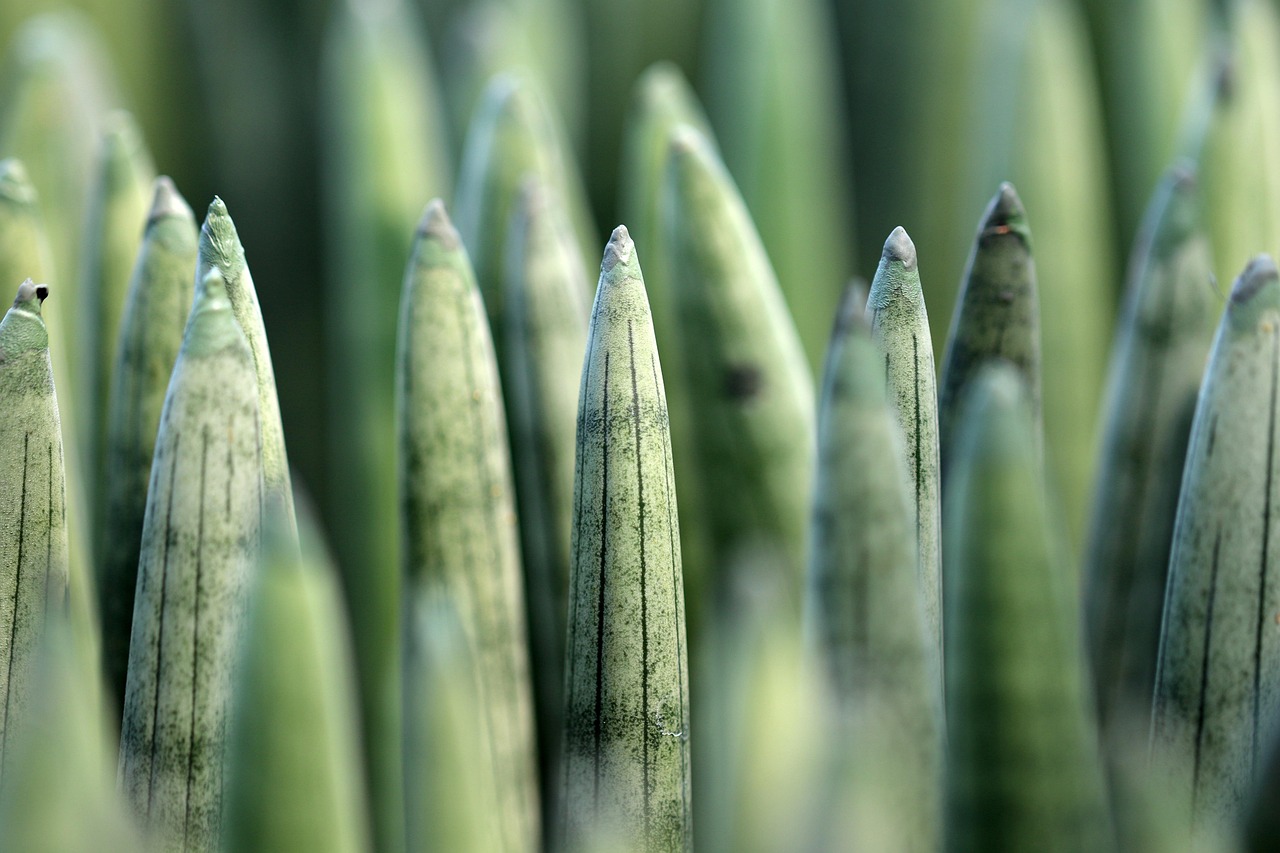
Soil Requirements and Potting Essentials
Sansevieria, commonly known as the snake plant, is highly susceptible to root rot. Because these plants store water in their thick, fleshy leaves, they require a growing medium that promotes rapid drainage. Standard potting soil retains too much moisture, which can quickly lead to fungal issues and decay. Instead, choose a high-quality cactus or succulent potting mix. These blends are specifically formulated with perlite, sand, or pumice to ensure excess water passes through the roots quickly.
The container you choose is just as important as the soil. Always select a pot that features at least one drainage hole at the bottom. If you fall in love with a decorative pot that lacks drainage, use it as a cachepot—simply keep the plant in its original plastic nursery liner and place that inside the decorative container. This allows you to remove the plant for watering and ensures that your snake plant never sits in standing water.
When it is time to repot your snake plant, follow these safety steps to protect both yourself and the plant:
- Wear protective gloves: Gardening gloves shield your skin from abrasive soil debris and help prevent potential skin irritation caused by the plant’s sap.
- Use clean tools: If you notice crowded or damaged roots, use clean, sharp garden shears to trim them. Sterilizing your shears with rubbing alcohol before and after use prevents the spread of bacteria.
- Avoid over-potting: Only move your snake plant into a container that is one to two inches wider than the current root ball. A pot that is too large holds excess soil, which increases the risk of water retention.
After repotting, wait about a week before watering. This transition period allows any roots that were accidentally trimmed or damaged during the process to callus over, significantly reducing the risk of rot. Once established in its fresh, well-draining environment, your snake plant will be set up for long-term health and steady growth.
Temperature, Humidity, and Maintenance
Sansevieria, commonly known as the snake plant, is prized for its resilience and adaptability. To keep your plant thriving, focus on maintaining a stable environment that mimics its natural, arid habitat.
Temperature and Humidity
Snake plants prefer standard household temperatures between 60°F and 80°F (15°C to 27°C). While they can tolerate minor fluctuations, avoid placing them in direct drafts, near air conditioning vents, or right next to heating radiators, as extreme temperature swings can cause stress.
Regarding humidity, these plants are remarkably unfussy. Unlike tropical houseplants that require misting or pebble trays, the snake plant thrives in the average humidity levels found in most homes. You do not need to supplement the air with a humidifier; in fact, high-humidity environments can sometimes lead to soil issues if the potting medium remains damp for too long.
Leaf Maintenance
Because snake plants have large, broad leaves, they act as magnets for household dust. A layer of dust on the leaf surface can block sunlight, hindering the plant’s ability to perform photosynthesis efficiently. Regular cleaning is essential for both health and aesthetics.
Follow these simple steps to keep your plant clean:
- Use a soft, lint-free cloth dampened with lukewarm water.
- Gently wipe each leaf from the base to the tip, supporting the underside of the leaf with your hand to prevent snapping.
- Avoid using harsh chemical leaf shines or commercial polishing sprays. These products can clog the plant’s pores (stomata), preventing it from “breathing” and potentially causing long-term damage or discoloration.
By keeping the leaves clean and the plant away from extreme temperature drafts, you provide the ideal conditions for your snake plant to grow steadily. A simple wipe-down once or twice a month is usually sufficient to keep your plant looking vibrant and functioning at its best.

Common Questions and Troubleshooting
Even the most resilient snake plants can occasionally show signs of distress. Understanding how to interpret these signals is key to maintaining a healthy specimen. Most issues stem from environmental imbalances, primarily regarding water and light.
If you notice yellowing leaves, it is often a sign of overwatering. Snake plants are succulents that store moisture in their thick foliage; they prefer to dry out completely between waterings. If the leaves appear mushy or translucent near the base, the plant is likely suffering from root rot. In these cases, gently remove the plant from its pot to inspect the roots. Healthy roots should be firm and pale; mushy, dark, or foul-smelling roots indicate decay that requires immediate intervention.
Drooping leaves usually suggest the plant is not receiving enough light or that the soil has become too compacted, preventing proper aeration. While snake plants tolerate low light, they grow best in bright, indirect sunlight. If your plant begins to lean or tilt, rotate the pot to ensure all sides receive even light exposure.
When dealing with dead, brown, or severely damaged foliage, pruning is necessary to keep the plant healthy and aesthetically pleasing. Follow these steps for safe maintenance:
- Use a pair of sharp, clean scissors or pruning shears.
- Sterilize your tools with rubbing alcohol before and after use to prevent the spread of bacteria or fungal spores.
- Cut the damaged leaf off cleanly at the soil line or just above the healthy tissue.
- Allow the cut surface to callous over for a day or two before watering.
While minor issues can be managed at home, severe decay is difficult to reverse. If the base of the plant feels soft or the foliage continues to collapse despite your best efforts, the root system may be compromised beyond recovery. If you are unsure how to proceed, consult a local nursery expert who can provide a professional diagnosis and guidance on whether the plant can be salvaged.

Dedicated team of gardening enthusiasts with years of hands-on experience testing lawn mowers, gardening tools, and outdoor equipment. We help home gardeners and professionals alike make informed buying decisions with honest, thorough reviews. From push mowers to pruning shears, we test it all so you don’t have to. Got a gardening tool you’d like us to review? Get in touch!