
To care for potted mini roses indoors, provide them with at least six hours of bright, direct sunlight and ensure the soil remains consistently moist but never waterlogged. These charming plants thrive best when placed in a well-ventilated area with cooler temperatures, away from drying heaters or drafty windows during the winter months.
Miniature roses can bring vibrant color and charm to your indoor space, but they have specific needs compared to their outdoor counterparts. While they are essentially smaller versions of traditional garden roses, they require more frequent attention to humidity levels and light exposure to prevent common issues like spider mites or powdery mildew.
This guide provides practical steps to keep your potted roses healthy, blooming, and thriving inside your home. We will cover essential maintenance routines, including proper pruning techniques, the right fertilization schedule, and how to successfully transition your plants through their seasonal growth cycles for long-lasting beauty throughout the entire year.
Finding the Perfect Spot for Light and Air
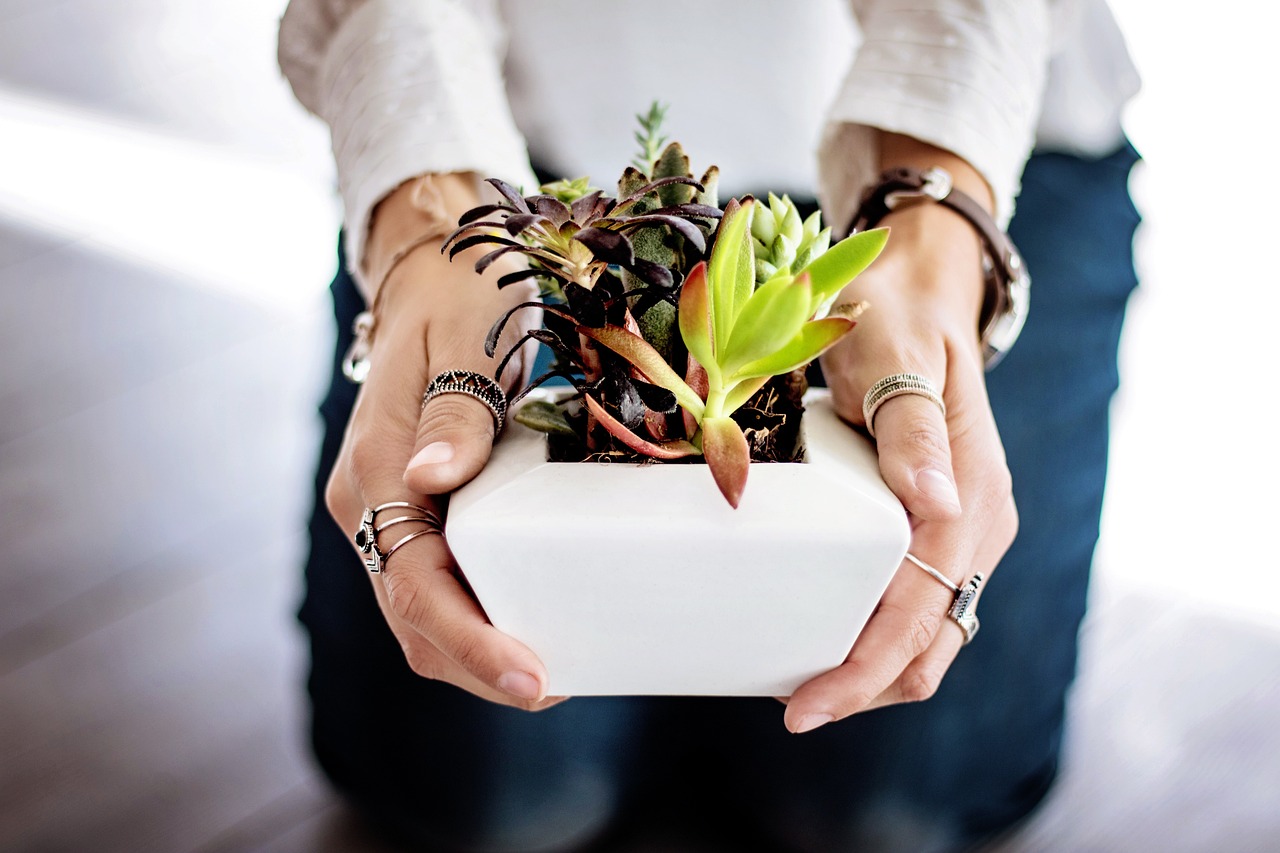
Mini roses are sun-loving plants that require significant energy to produce their signature blooms. To help your plant thrive, prioritize location above all else. Place your mini rose in a south or west-facing window where it will receive at least six hours of bright, indirect sunlight every day. If your home lacks sufficient natural light, a dedicated full-spectrum LED grow light can serve as an effective supplement.
While light is essential, the quality of the air surrounding your rose is equally important. These plants prefer a stable environment with good air circulation, which helps prevent common issues like powdery mildew. However, avoid placing your pot in the path of direct, harsh air currents.
To keep your mini rose healthy, steer clear of these high-stress zones:
- Heating and cooling vents: Constant airflow from HVAC systems can rapidly dehydrate the foliage.
- Radiators or space heaters: Excessive dry heat will cause the leaves to wilt, turn brown, and drop prematurely.
- Drafty entryways: Sudden temperature fluctuations from opening doors can shock the plant and halt flower production.
If you notice the leaves beginning to curl or crisp at the edges, it is a clear sign that the air is too dry or the location is too hot. In such cases, move the plant a few feet away from the window or heat source while maintaining its exposure to bright light. If your home is particularly dry during the winter months, consider placing the pot on a tray filled with pebbles and a small amount of water. This creates a localized microclimate of humidity without soaking the roots. By balancing bright light with a stable, draft-free atmosphere, you provide the ideal foundation for your mini rose to bloom consistently throughout the season. Observe your plant closely during the first week; if it reaches toward the light or shows signs of drooping, adjust its position slightly to find that perfect, steady equilibrium.
Watering and Humidity Requirements
Miniature roses are thirsty plants that require consistent moisture to thrive indoors. Unlike many other houseplants, they do not tolerate drying out completely. To ensure your rose receives the right amount of water, make it a habit to check the soil daily. Insert your finger about one inch deep into the potting mix; if it feels dry to the touch, it is time to water.
When watering, precision is essential for plant health. Always pour water directly onto the soil at the base of the plant. Avoid splashing water onto the leaves or blooms. Wet foliage is a primary catalyst for fungal diseases, such as powdery mildew, which can quickly damage your rose.
Indoor environments, especially during winter months, often lack the humidity these roses crave. To create a more hospitable microclimate, follow these practical steps:
- Use a pebble tray: Fill a shallow tray with decorative pebbles and add enough water to reach just below the top of the stones. Place your rose pot on top of the pebbles, ensuring the bottom of the pot does not touch the standing water. As the water evaporates, it increases the humidity directly around the plant.
- Monitor drainage: Ensure your pot has adequate drainage holes. While these plants love moisture, they will develop root rot if allowed to sit in stagnant water. Always discard any excess water that collects in the saucer after a few minutes.
- Avoid heat sources: Keep your potted roses away from direct drafts, heaters, or air conditioning vents. These dry air currents will strip moisture from the leaves rapidly, leading to crispy edges and premature bud drop.
By maintaining a balance of consistent soil moisture and elevated ambient humidity, you can successfully mimic the outdoor conditions these roses prefer, keeping your indoor blooms vibrant and healthy throughout the season.

Soil Nutrition and Fertilization
Miniature roses grown in containers have limited access to nutrients compared to those planted in the ground. Because their root systems are confined to a small pot, they quickly deplete the minerals in their soil. Providing the right nutrition is essential for sustained blooming and overall plant health.
Start with a high-quality potting mix specifically formulated for roses or flowering plants. These blends are designed to retain adequate moisture while ensuring excellent drainage, which prevents the roots from sitting in water—a common cause of root rot. Avoid using garden soil, as it is often too heavy and may contain pests or diseases that thrive in indoor environments.
During the active growing season, which generally spans from spring through late summer, your roses require regular supplementation. Follow this routine to keep your plants thriving:
- Feeding Schedule: Apply a balanced, water-soluble fertilizer every two to four weeks.
- Product Selection: Use a formula specifically designed for roses, which typically includes a balanced ratio of nitrogen, phosphorus, and potassium to support both foliage and flower production.
- Application: Always dilute the fertilizer according to the manufacturer’s instructions on the package.
It is tempting to increase the frequency or strength of fertilizer to encourage faster growth, but this is counterproductive. Over-fertilizing can lead to a buildup of salts in the soil, which effectively burns the delicate root tips and causes leaf yellowing or stunted development. If you notice white crusty deposits appearing on the surface of the soil, this is a sign of salt accumulation; flush the pot with plain water to wash away the excess minerals.
As the days grow shorter in autumn and the plant enters a period of dormancy, stop fertilizing entirely. Allow the rose to rest through the winter months, resuming your feeding schedule only when you see signs of new growth in the spring. Consistent, moderate care is the secret to keeping indoor mini roses vibrant year after year.
Pruning and Safety Precautions
Regular maintenance is the secret to keeping indoor mini roses vibrant and blooming. The most important task is deadheading, which involves removing spent flowers as soon as they begin to fade. By snipping away these withered blooms, you redirect the plant’s energy away from seed production and back into creating new buds, ensuring a more prolific display throughout the season.
When you are ready to prune, precision is key. Use sharp, clean bypass pruners to make your cuts. Always aim for a clean snip at a 45-degree angle, positioned approximately one-quarter inch above a leaf node—the point where a leaf meets the stem. This technique encourages healthy, outward-facing growth while preventing unsightly stubs that can invite rot.
Because mini roses are often densely packed with sharp thorns, safety should be your priority during maintenance. Follow these practical steps to protect yourself and your equipment:
- Wear protective gear: Always use thick, puncture-resistant gardening gloves. Even small mini rose thorns can cause painful scratches or skin irritation.
- Sanitize your tools: Wipe the blades of your pruners with rubbing alcohol between each plant. This simple habit prevents the accidental transmission of fungal spores or bacteria from one rose to another.
- Secure your equipment: Pruners are sharp tools. When you are finished, immediately lock the blades and store them in a secure location, well out of reach of curious children and household pets.
Beyond deadheading, keep an eye out for yellowing or diseased foliage. If you notice leaves that look spotted or wilted, remove them promptly to improve air circulation around the base of the plant. A well-pruned rose is not only more aesthetically pleasing but also significantly more resilient against common indoor pests like spider mites. By keeping your tools clean and your techniques precise, you provide your indoor roses with the best possible environment to thrive and repeat-bloom.

Troubleshooting and Long-Term Care
Even with the best intentions, indoor mini roses can occasionally show signs of stress. If you notice yellowing leaves or a sudden lack of blooms, your plant is likely signaling that its environmental needs are not being met. Most often, this points to an imbalance in light exposure or watering habits.
Before assuming the worst, evaluate these two factors first:
- Light: Ensure your rose is receiving at least six hours of bright, indirect sunlight daily. If the plant looks “leggy” or pale, move it to a sunnier windowsill.
- Water: Check the soil moisture. If the top inch feels dry, water thoroughly until it drains from the bottom. Avoid letting the plant sit in standing water, as this leads to root rot.
Pests are another common hurdle for indoor roses. Keep a close eye on the undersides of leaves for fine webbing (spider mites) or clusters of tiny insects (aphids). If you spot an infestation, act immediately by isolating the plant and treating it with a gentle insecticidal soap or neem oil. Consistent monitoring prevents these pests from overwhelming your plant.
As your rose grows, it may become root-bound, meaning the roots have filled the container and have no room to expand. If you see roots circling the surface or growing out of the drainage holes, it is time to repot. Gently move the plant into a container only one size larger, using fresh, well-draining potting mix to provide a nutrient boost.
If your rose continues to decline despite your best efforts, do not be discouraged. Mini roses are, by nature, outdoor plants that struggle with the low humidity of indoor environments. Moving your rose to a sheltered, sunny spot outdoors during the warmer months can often act as a “reset button.” The increased airflow and natural light frequently help a struggling plant recover its vigor and encourage a fresh flush of blooms.

Dedicated team of gardening enthusiasts with years of hands-on experience testing lawn mowers, gardening tools, and outdoor equipment. We help home gardeners and professionals alike make informed buying decisions with honest, thorough reviews. From push mowers to pruning shears, we test it all so you don’t have to. Got a gardening tool you’d like us to review? Get in touch!