
To successfully care for a potted hydrangea plant, you must prioritize consistent moisture and partial shade. These popular shrubs are prized for their lush, showy blooms, but they can be temperamental when grown in containers rather than the ground. Following a few specific maintenance rules will ensure your plant stays healthy and vibrant all season.
Growing hydrangeas in pots requires a different approach than traditional garden planting because roots have limited space and access to nutrients. You should expect to water them more frequently, as containers dry out quickly in the sun. Understanding these unique environmental needs is the first step toward preventing wilted leaves and stunted flower development.
This guide provides practical steps to help your potted hydrangea thrive throughout the year. We will cover essential techniques for success, ranging from choosing the right nutrient-rich soil to managing daily hydration and necessary seasonal transitions. By mastering these simple care habits, you can enjoy stunning, long-lasting flowers right on your own patio or balcony.
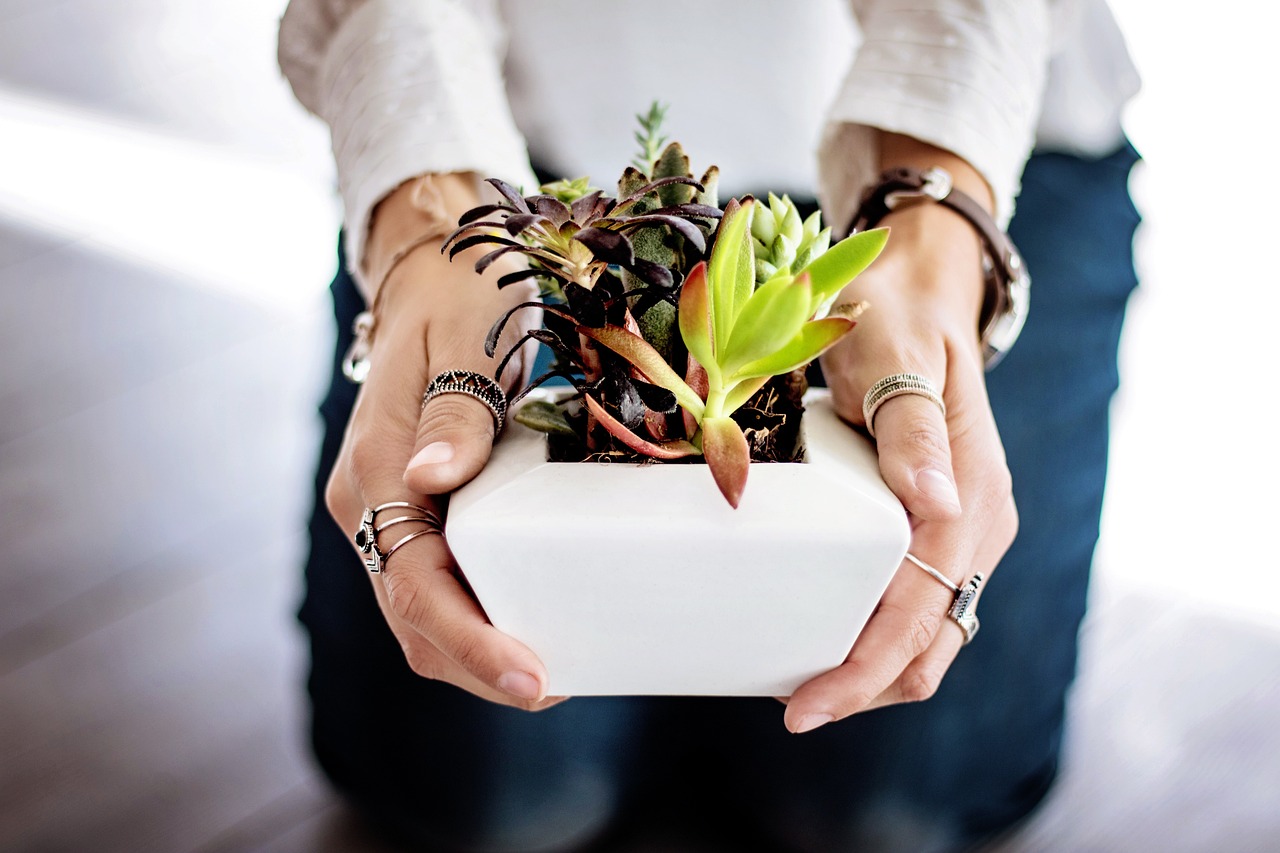
Selecting the Right Pot and Potting Mix
Selecting the correct container is the foundation of a healthy potted hydrangea. Because these plants grow rapidly and develop heavy, lush blooms, they require a pot that is at least 15 to 20 inches in diameter. A container of this size provides enough room for the root system to expand and ensures the plant remains stable as it becomes top-heavy during the flowering season.
Stability is a critical factor. Choose a pot made of a substantial material, such as glazed ceramic, terracotta, or heavy-duty resin. Lightweight plastic pots may tip over easily once the hydrangea reaches full size, potentially damaging the stems or spilling soil. Regardless of the material, always confirm the container has ample drainage holes at the bottom. Hydrangeas love moisture, but they cannot tolerate “wet feet,” which quickly leads to root rot.
Equally important is the potting medium. Avoid using standard garden soil, which is often too dense and may harbor pests or diseases. Instead, opt for a high-quality, peat-based potting mix designed for container gardening. This type of medium is ideal because it balances moisture retention with essential aeration.
To ensure your hydrangea thrives, look for a mix that includes the following components:
- Peat moss or coco coir: These materials act as a sponge to hold consistent moisture around the roots.
- Perlite or vermiculite: These small, white volcanic rocks or minerals create air pockets, preventing the soil from compacting and allowing excess water to drain away freely.
- A balanced, slow-release fertilizer: Many high-quality mixes come pre-enriched, providing a steady supply of nutrients for the first few months of growth.
Before planting, ensure your mix is slightly damp. Fill the container, leaving about an inch of space at the top to allow for easy watering without overflow. By prioritizing a heavy, well-draining pot and a premium, airy potting mix, you create the perfect environment for your hydrangea to produce vibrant, long-lasting blooms all season long.
Light and Temperature Requirements
Potted hydrangeas are sensitive to their environment, making light and temperature control essential for vibrant blooms. These plants thrive best in bright, indirect light. The ideal placement is a spot that receives gentle morning sun followed by filtered shade during the intense heat of the afternoon.
Direct midday sun can be harmful to container-grown hydrangeas. The ultraviolet intensity often leads to scorched leaves, characterized by brown, crispy edges, and can cause the delicate flower heads to wilt prematurely. If you keep your plant on a balcony or patio, observe the light patterns throughout the day to ensure it is protected during the peak hours of sunlight.
Temperature stability is equally important for plant health. Hydrangeas prefer cooler, moderate temperatures and generally struggle in extreme heat or freezing conditions. To maintain an ideal environment, follow these practical guidelines:
- Avoid Heat Traps: Do not place pots against south-facing brick or concrete walls that radiate heat long after the sun has set, as this can stress the root system.
- Shield from Wind: Strong, drying winds can strip moisture from the foliage and soil rapidly. Position your container in a sheltered area, such as near a porch corner or behind a windbreak, to prevent dehydration.
- Monitor Seasonal Shifts: If you live in an area with harsh winters, move your potted hydrangea to an unheated garage or shed once the plant goes dormant. This protects the roots from deep freezes while allowing the plant to experience the necessary winter rest period.
By balancing light exposure and shielding your plant from harsh environmental elements, you provide the stability required for consistent growth. If you notice the leaves drooping despite adequate soil moisture, it is often a sign that the plant is receiving too much direct sun or wind exposure. Moving the container to a more sheltered, shaded location usually helps the plant recover quickly.

Watering and Fertilization Best Practices
Hydrangeas are notoriously thirsty plants, especially when confined to containers. Because pots dry out much faster than garden soil, consistent monitoring is the most important step in your care routine. Make it a daily habit to check the moisture level by inserting your index finger one inch deep into the potting mix. If the soil feels dry or dusty at that depth, it is time to water.
When you water, do so thoroughly. Pour water evenly over the surface until you see it running freely out of the drainage holes at the bottom of the pot. This ensures that the entire root ball is hydrated and helps flush out any excess mineral salts that may have accumulated. Always empty the saucer beneath the pot after a few minutes; hydrangeas do not like to sit in standing water, as this can lead to root rot.
Feeding your hydrangea properly encourages lush foliage and vibrant blooms. Follow these guidelines for successful fertilization:
- Timing: Apply a balanced, slow-release granular fertilizer once in early spring, just as you notice the first signs of new leaf growth.
- Dosage: Always follow the specific application rates listed on the product label. Using more fertilizer than recommended will not make your plant grow faster.
- Caution: Avoid over-fertilizing your potted hydrangea. An excess of nitrogen can encourage vigorous green leaf growth at the expense of flower production, leaving you with a leafy plant that fails to bloom.
If you notice the leaves beginning to wilt during the heat of the day, do not panic. This is often a temporary reaction to high temperatures and intense sunlight. Check the soil moisture first; if the soil is damp, the plant is likely just conserving water. If the soil is dry, provide a deep soak immediately, and your hydrangea should perk up by the following morning.
Pruning and Safety Considerations
Pruning is a vital step in maintaining the health and aesthetic appeal of your potted hydrangea. The best time to prune is immediately after the blooms begin to fade. Trimming back spent flowers encourages the plant to direct its energy into root development and foliage growth rather than seed production, which helps ensure a more vigorous display the following season.
When pruning, always use sharp, sanitized shears. Dull blades can crush stems, creating jagged wounds that take longer to heal and invite pests or fungal infections. To sanitize your tools, wipe the blades with rubbing alcohol or a diluted bleach solution before and after use to prevent the transmission of diseases between plants.
Follow these best practices to ensure a safe and effective pruning session:
- Wear protective gear: Always wear sturdy gardening gloves. While hydrangeas do not have thorns, the stems can be rough, and gloves provide a necessary barrier against accidental scratches or skin irritation.
- Use proper technique: Make clean, angled cuts just above a leaf node. An angled cut prevents water from pooling on the stem, which helps reduce the risk of rot.
- Prioritize safety: Always direct your cuts away from your body. Maintain a firm grip on the shears and keep your non-cutting hand well away from the blades.
- Secure your tools: Once you have finished pruning, immediately clean and dry your shears. Store them in a locked shed or a high drawer, ensuring they are out of reach of children or pets to prevent accidental injury.
By removing dead or crossing branches, you also improve airflow throughout the plant, which is essential for preventing powdery mildew in container-grown hydrangeas. Regularly clearing away debris from the soil surface after pruning further minimizes the risk of pests taking hold. With these simple maintenance habits, your hydrangea will remain a healthy, vibrant centerpiece for your patio or balcony throughout the growing season.

Troubleshooting and Seasonal Care
Hydrangeas are thirsty plants, but wilting doesn’t always mean they need more water. If your plant droops despite moist soil, the issue often lies beneath the surface. Carefully slide the hydrangea out of its container to inspect the root ball. If the roots are circling tightly around the perimeter, the plant is root-bound and cannot absorb water efficiently. In this case, repot it into a slightly larger container with fresh, well-draining potting mix.
Poor drainage is another common culprit for wilting. If the soil remains soggy or the pot lacks adequate drainage holes, the roots may be suffocating or rotting. Ensure your container allows excess water to escape freely and never leave the pot sitting in a saucer of standing water.
As the seasons change, your hydrangea requires different care to survive the winter:
- Dormancy: Once the leaves drop in late autumn, the plant enters dormancy. It no longer needs regular sunlight or heavy watering.
- Protection: Move the pot to a sheltered, unheated location, such as an unheated garage, shed, or a protected porch. This prevents the roots from experiencing the extreme freeze-thaw cycles that occur outdoors, which can kill the plant.
- Hydration: While dormant, the soil should remain barely moist. Check it once a month; if it is bone-dry, add a small amount of water.
If you notice persistent issues despite these adjustments, such as strange spots, discolored leaves, or visible pests that do not respond to basic care, do not wait for the problem to spread. Take a clear photograph of the affected area or bring a sample to a local nursery or your regional university extension office. These experts can provide a specific diagnosis and recommend safe, targeted treatments to restore your plant’s health. Early intervention is the most effective way to ensure your hydrangea returns with vibrant blooms next spring.

Dedicated team of gardening enthusiasts with years of hands-on experience testing lawn mowers, gardening tools, and outdoor equipment. We help home gardeners and professionals alike make informed buying decisions with honest, thorough reviews. From push mowers to pruning shears, we test it all so you don’t have to. Got a gardening tool you’d like us to review? Get in touch!