
Growing herbs in containers is a rewarding way to have fresh flavors at your fingertips year-round. This guide provides actionable steps for potting, watering, and maintaining healthy herbs, ensuring your kitchen garden thrives. Whether you are a seasoned gardener or a complete beginner, mastering the basics of container gardening will help you cultivate a vibrant, productive herb collection right on your windowsill.
While many people assume herbs are difficult to maintain, they are actually quite resilient when provided with the right environment. Success depends less on having a green thumb and more on understanding the specific light, soil, and drainage needs of your plants. By setting up your pots correctly from the start, you can avoid common pitfalls and enjoy a steady harvest of aromatic greens.
In the following sections, we break down the essential care requirements for your potted herbs. You will learn how to choose the best containers, establish a consistent watering schedule, and implement simple pruning techniques to encourage lush growth. Follow these practical tips to transform your home into a flourishing culinary garden that provides fresh ingredients for every meal you prepare.
Selecting the Right Containers and Soil
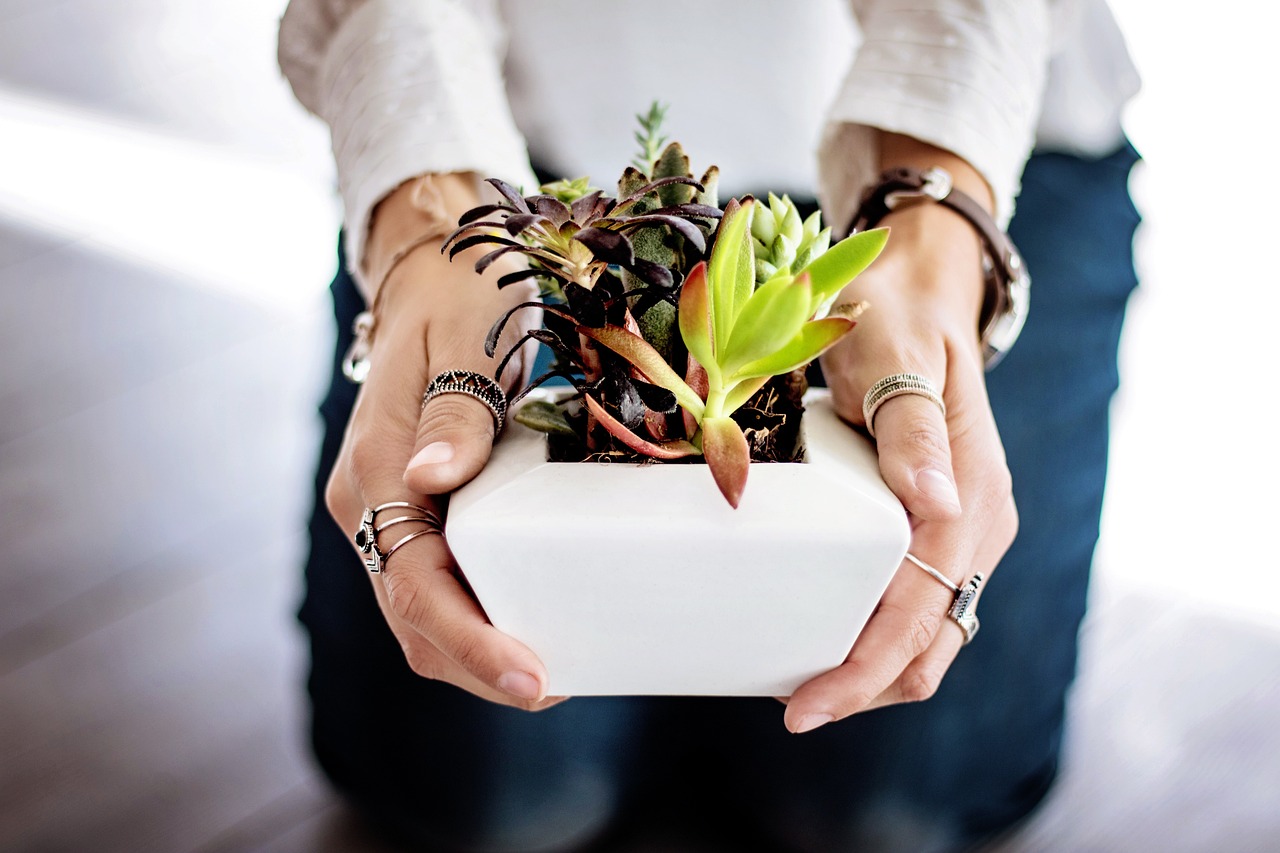
The foundation of a thriving herb garden begins with your choice of container. Regardless of the material—whether terra cotta, plastic, or glazed ceramic—the most critical feature is the presence of drainage holes at the bottom. Herbs are highly susceptible to root rot, and standing water is the primary cause of plant failure in containers. Without proper drainage, soil becomes waterlogged, depriving roots of the oxygen they need to survive.
When selecting your medium, avoid using standard garden soil. Native soil is often too heavy and dense for containers, which can lead to compaction, poor aeration, and drainage issues. Instead, invest in a high-quality, lightweight potting mix specifically formulated for container gardening. These blends typically contain peat moss, perlite, or vermiculite, which help maintain a balance of moisture retention while ensuring excess water flows freely away from the root zone.
Before you begin planting, prioritize your safety by wearing gardening gloves. Handling soil—even bagged potting mix—can expose your skin to potential irritants, bacteria, or sharp debris like wood chips and twigs often found in organic matter. Gloves provide a necessary barrier, keeping your hands clean and protected while you work.
To ensure your herbs have the best environment, follow these practical steps during setup:
- Check for drainage: If your pot lacks holes, use a drill with an appropriate bit to create several openings in the base.
- Elevate the pot: Use pot feet or small bricks to lift the container slightly off the saucer or ground, allowing air to circulate and water to drain effectively.
- Fill correctly: Leave about an inch of space between the top of the soil and the rim of the pot. This prevents water from spilling over the sides during irrigation and ensures the root ball is fully covered.
- Moisten the mix: Lightly dampen your potting soil before adding it to the container to ensure it settles evenly around the herb’s root system.
Mastering Sunlight and Placement
Most culinary herbs, such as basil, rosemary, thyme, and oregano, are sun-loving plants. To thrive, they require a minimum of six hours of direct sunlight each day. Without adequate light, these plants often become “leggy,” meaning they grow thin, weak stems as they stretch toward the nearest light source, resulting in reduced flavor and poor overall health.
For indoor gardening, your best option is a south-facing window, which typically provides the most consistent and intense light throughout the day. If a south-facing spot is unavailable, an east or west-facing window can work, though you may need to supplement with a full-spectrum LED grow light during shorter winter days.
If you are growing your herbs outdoors, choose a location that receives full sun from morning through mid-afternoon. If you find yourself moving heavy pots to follow the shifting light patterns throughout the seasons, prioritize your physical safety:
- Use wheeled caddies: Place your pots on sturdy plant dollies or wheeled caddies. This allows you to effortlessly roll your herbs to the sunniest spot without lifting heavy containers.
- Practice safe lifting: If you must lift a pot manually, always bend at your knees rather than your waist. Keep the weight close to your body, engage your core muscles, and push up with your legs to avoid unnecessary strain on your lower back.
- Assess weight: Before moving a large pot, check if the soil is saturated with water, as wet soil significantly increases the container’s weight. If it is too heavy, wait until the soil is slightly drier to move it.
Consistency is key. Once you find a spot where your herbs are actively growing and producing vibrant foliage, try to keep them there. Constant relocation can shock the plants, leading to leaf drop or stunted growth. Observe your herbs closely for the first week; if they look wilted or scorched, shift them slightly out of the direct midday heat.

Watering and Feeding Best Practices
Consistent moisture is the secret to thriving potted herbs, but overwatering is the most common cause of failure. Because pots have limited soil volume, they can dry out quickly, yet they also risk waterlogging if drainage is poor. To avoid root rot, check the soil moisture daily by inserting your finger about an inch deep into the dirt. Only water when this top layer feels dry to the touch.
When you water, pour slowly at the base of the plant rather than over the leaves. Continue until you see a small amount of water escaping through the drainage holes at the bottom of the pot. This ensures the entire root ball is hydrated while flushing out excess mineral salts that can accumulate in container soil.
Herbs grown in containers also require regular feeding, as frequent watering leaches nutrients from the potting mix. Use a balanced, water-soluble organic fertilizer diluted to half-strength once every four to six weeks during the active growing season. Avoid over-fertilizing, which can lead to rapid, leggy growth that lacks the concentrated essential oils responsible for flavor.
Proper harvesting is a form of maintenance that encourages bushier, healthier plants. To prune or harvest your herbs effectively, follow these safety and care guidelines:
- Use only clean, sharp garden shears. Dull blades crush stems, which invites disease and slows down recovery.
- Always keep your fingers clear of the cutting path. Position your hand well away from the blades before making a snip.
- Engage the safety lock immediately after each use. Never leave open shears unattended on a potting bench or near children.
- Sanitize your shears with rubbing alcohol between different plants to prevent the spread of pathogens.
By removing the top sets of leaves rather than just the tips, you stimulate lateral growth. This simple practice keeps your potted herbs compact, productive, and ready for your kitchen throughout the season.
Routine Maintenance and Pruning
Consistent maintenance is the secret to thriving potted herbs. Rather than letting your plants grow tall and sparse, you should actively manage their shape. Regular harvesting acts as a natural pruning process, signaling the plant to redirect its energy into producing new, lush foliage rather than focusing on vertical growth.
To keep your herbs compact and bushy, get into the habit of pinching back the tips of the stems. Using your thumb and forefinger or a pair of sharp garden scissors, snip off the top inch of growth just above a leaf node. This simple action forces the plant to branch out from the sides, creating a fuller, more productive herb.
If you notice your herbs are beginning to flower—a process known as bolting—pinch those buds off immediately. Once a plant shifts its energy into flower and seed production, the flavor of the leaves often becomes bitter and the overall growth slows down significantly.
Beyond shaping, you must prioritize plant hygiene to keep your indoor garden healthy. Inspect your pots every few days for signs of trouble. Follow these steps to maintain a clean environment:
- Remove dead or yellowing leaves: These can attract pests or harbor fungal spores.
- Prune diseased foliage: If you spot brown, spotted, or moldy leaves, remove them immediately to prevent the issue from spreading to healthy stems.
- Disinfect your tools: Always wipe your shears with rubbing alcohol between plants. This prevents the accidental transmission of bacteria or viruses from one pot to another.
- Ensure airflow: If your herbs are crowded, prune away inner stems to improve air circulation, which significantly reduces the risk of powdery mildew.
By staying proactive, you prevent common issues before they take hold. A few minutes of routine care each week ensures your potted herbs remain vibrant, flavorful, and ready for your kitchen at a moment’s notice.

Troubleshooting Common Herb Problems
Even with the best intentions, potted herbs can occasionally struggle. Recognizing early warning signs allows you to intervene before a minor issue becomes fatal for your plant.
The most frequent culprit behind struggling herbs is improper moisture management. If you notice your plant’s leaves turning yellow or drooping despite moist soil, it is likely suffering from overwatering or poor drainage. Herbs require consistent moisture, but they despise “wet feet.”
Follow these steps to improve drainage:
- Ensure your pot has functional drainage holes at the bottom.
- Never leave your pots sitting in saucers filled with standing water, as this prevents roots from breathing and encourages rot.
- Empty saucers promptly after watering to keep the root zone healthy.
Pests can also be a persistent challenge for indoor and patio gardens. If you spot tiny insects like aphids clustering on the undersides of leaves or along new stems, take action quickly to prevent an infestation. Start by physically washing the pests off with a gentle stream of water or wiping them away with a damp cloth.
If the problem persists, consult your local nursery for targeted, organic treatment options. These professionals can recommend products that are safe for edible plants.
When applying any treatment, prioritize your safety and the safety of your household:
- Always wear eye protection to prevent accidental splashes or spray.
- Read and strictly follow all safety labels and dosage instructions on the product packaging.
- Wash your hands thoroughly after handling any garden products, even organic ones.
By monitoring your herbs daily, you can catch these issues early. Most herbs are resilient and will bounce back quickly once their environment is corrected. If a plant appears beyond recovery, do not be discouraged; use the experience to refine your watering schedule or placement for your next planting.

Dedicated team of gardening enthusiasts with years of hands-on experience testing lawn mowers, gardening tools, and outdoor equipment. We help home gardeners and professionals alike make informed buying decisions with honest, thorough reviews. From push mowers to pruning shears, we test it all so you don’t have to. Got a gardening tool you’d like us to review? Get in touch!