
Learning how to care for potted gardenias is the secret to enjoying their intoxicating fragrance and glossy foliage at home. While these plants are notoriously finicky when grown in containers, they will thrive with the right environment. By mastering a few specific maintenance habits, you can encourage consistent, beautiful blooms throughout the season.
It is important to set realistic expectations, as gardenias are naturally sensitive to environmental shifts. Because they are confined to pots, they require more consistent attention than those planted directly in the ground. Understanding their unique needs for humidity, temperature, and stability is the first step toward preventing common issues like bud drop.
This guide provides practical, actionable advice on light, water, and soil requirements to help your potted gardenias succeed. We will break down the essential care steps, from choosing the perfect potting mix to managing moisture levels effectively. Follow these simple expert tips to ensure your gardenias remain healthy, vibrant, and fragrant all year long.
Ideal Light and Temperature Conditions
Gardenias are notoriously particular about their environment, but mastering their light and temperature needs is the secret to achieving those iconic, fragrant blooms. Because they are tropical in origin, they require a delicate balance to thrive in a container setting.
For optimal growth, place your potted gardenia in a location that receives bright, indirect light. Morning sun is highly beneficial and encourages flower production, but you must protect the foliage from harsh afternoon rays. Intense, direct sunlight during the hottest part of the day can quickly scorch the leaves, causing them to turn yellow or develop unsightly brown spots.
Temperature consistency is equally vital. Gardenias perform best when kept in a stable environment, ideally between 60°F and 75°F. They are highly sensitive to sudden shifts, which can cause the plant to drop its buds prematurely. To keep your gardenia healthy, follow these practical placement tips:
- Avoid Drafts: Do not place your container near air conditioning vents, heating ducts, or drafty windows. Sudden temperature fluctuations are a leading cause of stress for indoor gardenias.
- Monitor Seasonal Changes: If you keep your gardenia outdoors during the warmer months, bring it inside well before the first frost. The plant will struggle to recover if exposed to temperatures below 50°F.
- Watch the Humidity: While temperature is key, remember that gardenias also crave humidity. If your home is dry, especially during winter, consider placing the pot on a tray filled with pebbles and water to boost local moisture levels without saturating the soil.
By mimicking their natural, warm, and bright habitat, you help your gardenia focus its energy on producing lush, glossy foliage and those coveted, sweet-scented blossoms. If you notice the leaves beginning to wilt or drop, re-evaluate your placement; often, moving the pot just a few feet away from a heat source or into a slightly shadier corner is all the adjustment needed to restore the plant’s vigor.
Watering and Humidity Requirements
Gardenias are notoriously particular about their water intake. The goal is to keep the soil consistently moist to the touch, but never soggy or waterlogged. If the soil remains saturated, the roots will quickly succumb to rot, which often manifests as yellowing leaves and sudden bud drop. Always check the top inch of soil with your finger before watering; if it feels damp, wait another day.
When it is time to hydrate your plant, use room-temperature water. Gardenias are sensitive to sudden temperature shifts, and using ice-cold water straight from the tap can shock the root system, causing the plant to stress. Allow your watering can to sit out for an hour before application to ensure the water reaches ambient temperature.
Beyond soil moisture, these plants thrive in high-humidity environments. Without adequate ambient moisture, gardenias often develop brown, crispy leaf edges or fail to bloom entirely. This is particularly challenging during winter months when indoor heating systems dry out the air.
To maintain the high humidity levels your gardenia craves, consider these practical strategies:
- Pebble Tray Method: Place your pot on a shallow tray filled with a layer of pebbles and enough water to reach just below the top of the stones. As the water evaporates, it creates a localized pocket of humidity around the foliage. Ensure the pot sits on the stones, not directly in the water, to prevent root rot.
- Regular Misting: Use a spray bottle to lightly mist the leaves in the morning. This provides a temporary boost in moisture, though it is less effective than a pebble tray for long-term maintenance.
- Group Plants Together: Clustering your gardenia with other houseplants creates a mini-microclimate. As plants transpire, they release moisture into the air, collectively raising the humidity level in that specific area.
By balancing consistent soil moisture with a humid atmosphere, you provide the essential conditions necessary for your gardenia to produce its signature fragrant, waxy blooms.

Soil and Fertilization Needs
Gardenias are notoriously particular about their environment, and getting the soil right is the most critical step for success. Because these plants thrive in acidic conditions, standard potting soil is often insufficient. Instead, use a high-quality, well-draining potting mix specifically formulated for acid-loving plants, such as those labeled for azaleas, camellias, or rhododendrons. This type of medium provides the necessary pH balance while ensuring that excess water drains away, preventing the root rot that often plagues container-grown gardenias.
To keep your gardenia healthy and blooming, you must provide consistent nutrition throughout the active growing season. Gardenias are heavy feeders that require specific nutrients to maintain their lush, dark green foliage and fragrant flowers.
Follow these best practices for fertilization:
- Choose the right product: Use a balanced, acidic fertilizer designed for acid-loving shrubs. These formulas often contain essential micronutrients like iron, which helps prevent leaf yellowing (chlorosis).
- Time it correctly: Begin feeding in early spring as new growth emerges and continue through late summer. Stop fertilizing in the fall to allow the plant to enter its natural dormancy period.
- Follow the label: Always adhere strictly to the manufacturer’s instructions regarding application rates. Over-fertilizing is a common mistake that leads to fertilizer burn, which can damage delicate roots and cause leaf tips to brown.
- Apply to moist soil: Never apply fertilizer to bone-dry soil. Water your gardenia thoroughly before fertilizing to ensure the nutrients are distributed evenly and to protect the root system from concentrated salts.
If you notice your gardenia’s leaves turning yellow while the veins remain green, this is a classic sign of iron deficiency caused by improper soil pH. If this occurs, a soil-acidifying supplement or a chelated iron spray can help correct the imbalance. By maintaining the correct acidity and providing steady, moderate nutrition, you create the ideal foundation for a vibrant, healthy, and fragrant potted gardenia.
Pruning and Maintenance Safety
Pruning is essential for maintaining the shape and health of your potted gardenia. The ideal time to prune is immediately after the main flowering period ends. By trimming back the stems at this stage, you encourage the plant to produce bushier, more compact growth rather than long, leggy branches. This practice also helps improve air circulation within the foliage, which is vital for preventing common fungal issues.
Before you begin, prioritize your safety and the health of your plant by following these best practices:
- Wear protective gear: Always wear durable gardening gloves. While gardenias do not have traditional thorns, their sap can cause skin irritation for some individuals, and gloves provide a necessary barrier against accidental scratches from stiff stems.
- Use the right tools: Utilize bypass pruning shears rather than anvil-style cutters. Bypass shears act like scissors, providing a clean, precise cut that minimizes tissue damage.
- Sanitize your equipment: Wipe your blades with rubbing alcohol or a mild bleach solution before and after pruning. This simple step prevents the transmission of pathogens from other plants to your gardenia.
- Keep blades sharp: Dull tools crush stems rather than slicing through them. A clean, sharp cut allows the plant to heal rapidly, reducing the window of time during which the gardenia is vulnerable to pests or diseases.
When making your cuts, aim for a 45-degree angle just above a leaf node. This technique directs water runoff away from the cut surface, further protecting the plant from rot. If you notice any dead, damaged, or diseased wood, remove it immediately regardless of the flowering cycle. Keeping your gardenia tidy and well-ventilated is the most effective way to ensure it remains a vigorous, blooming centerpiece for your home or patio. By maintaining a regular maintenance schedule, you minimize stress on the plant and ensure it has the energy required to set plenty of buds for the following season.
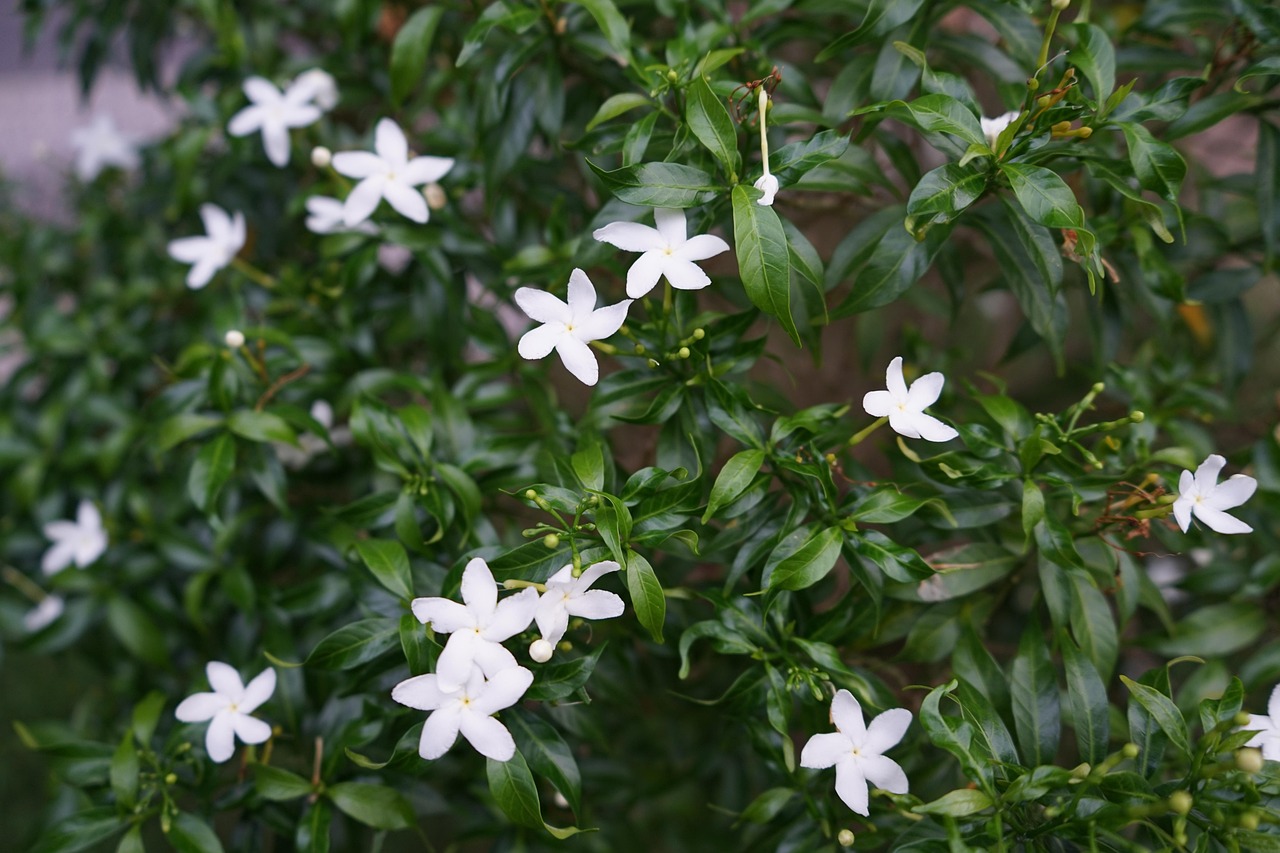
Troubleshooting Common Issues
Gardenias are notoriously fussy, but most common issues stem from minor environmental imbalances. If your plant begins to struggle, start by inspecting the foliage and soil moisture levels closely.
Yellowing leaves, known as chlorosis, are a frequent complaint. This is usually caused by one of two factors:
- Overwatering: If the soil feels soggy or the pot lacks proper drainage, the roots may be suffocating. Allow the top inch of soil to dry out completely before watering again.
- Nutrient Deficiency: Gardenias require acidic, iron-rich soil. If the leaves yellow while the veins remain green, apply a liquid fertilizer specifically formulated for acid-loving plants to correct the iron deficiency.
Pests can also compromise your plant’s health. Aphids and spider mites often hide on the undersides of leaves or near the buds. If you spot tiny webs or sticky residue, act immediately. Gently wipe the leaves with a damp cloth and apply an insecticidal soap or neem oil. Consistent monitoring is the best way to prevent a full-blown infestation.
If your gardenia looks healthy but refuses to produce blooms, evaluate its location. These plants require bright, indirect light to trigger flowering. Furthermore, they appreciate a slight temperature fluctuation between day and night; if your indoor environment is kept at a perfectly static temperature, the plant may not receive the necessary cues to set buds.
Sometimes, despite your best efforts, a plant continues to decline. Do not get discouraged, as gardenias are sensitive to subtle changes in water quality and humidity. If the problem persists, take a sample of the foliage or a small soil core to a local nursery professional. They can perform a soil test to check the pH balance or help you identify specific pests that may require a more targeted treatment. Providing the right diagnosis early is the most effective way to restore your gardenia to its full, fragrant potential.

Dedicated team of gardening enthusiasts with years of hands-on experience testing lawn mowers, gardening tools, and outdoor equipment. We help home gardeners and professionals alike make informed buying decisions with honest, thorough reviews. From push mowers to pruning shears, we test it all so you don’t have to. Got a gardening tool you’d like us to review? Get in touch!