
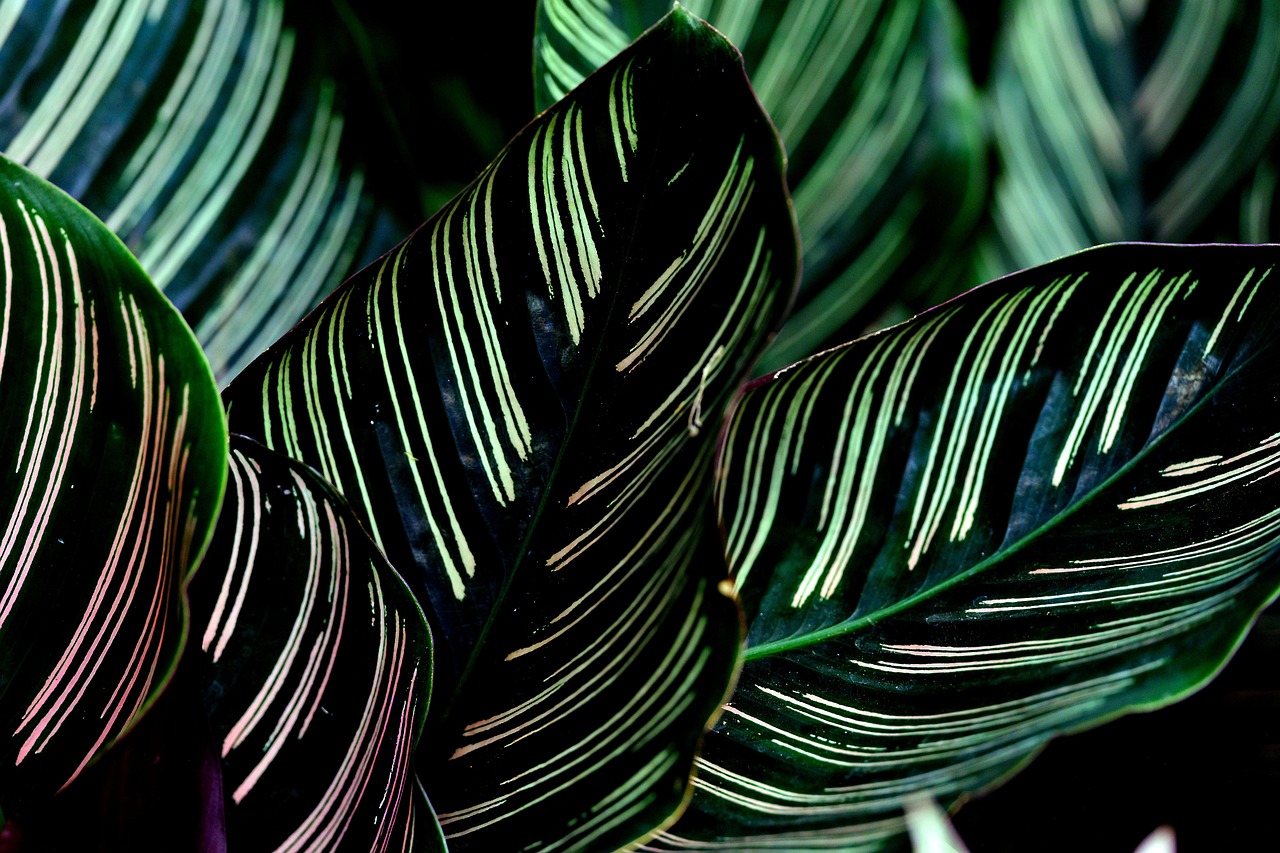
Learning how to care for a Pinstripe Calathea requires focusing on high humidity and consistent moisture to keep its foliage vibrant. This stunning plant, known scientifically as Calathea ornata, thrives best when you mimic its native tropical environment by avoiding harsh direct sunlight and maintaining a steady, warm temperature in your home.
While these plants are often labeled as temperamental, they are actually quite manageable once you understand their specific preferences. It is important to set realistic expectations, as these beauties do not tolerate neglect well. With a little patience and the right environmental adjustments, you can easily prevent common issues like brown leaf edges.
In this guide, we break down the exact light, water, and humidity requirements you need to keep your plant thriving. We will cover everything from choosing the right potting mix to mastering your watering schedule. Follow these practical steps to ensure your Pinstripe Calathea stays healthy, lush, and beautiful throughout the entire year.

Light and Temperature Requirements
The Pinstripe Calathea (*Calathea ornata*) is a stunning tropical plant that requires specific environmental conditions to maintain its vibrant, pin-striped foliage. Because it is native to the rainforest floor, it is highly sensitive to harsh light and temperature fluctuations.
Ideal Lighting Conditions
These plants thrive in bright, indirect light. Direct sunlight is the most common cause of damage, as it can quickly scorch the delicate leaves, causing the signature pink stripes to fade or the edges to turn brown and crispy. To achieve the best growth, place your Calathea in a spot that mimics its natural habitat:
- North or East-facing windows: These locations provide gentle morning light without the intensity of midday sun.
- Filtered light: If you only have a south or west-facing window, use a sheer curtain to diffuse the light before it reaches the plant.
- Distance matters: If you notice the leaves losing their deep color, move the plant slightly closer to the light source. If you see brown, brittle spots, move it further away.
Temperature and Airflow
Maintaining a stable environment is just as important as light. Pinstripe Calatheas prefer consistent room temperatures between 65°F and 80°F (18°C–27°C). Because they are tropical, they do not tolerate cold well and will show signs of stress if temperatures drop below 60°F.
Equally important is avoiding sudden temperature shifts. Keep your plant away from the following areas to prevent leaf curling and shock:
- Drafty windows or doors: Cold winter air can damage the foliage overnight.
- Heating and cooling vents: Direct airflow from HVAC systems creates dry, erratic conditions that the plant cannot handle.
- Appliances: Avoid placing the plant on top of electronics or near radiators, as these create localized heat pockets that dry out the soil too quickly.
By mimicking a steady, warm, and softly lit environment, you will ensure your Pinstripe Calathea remains healthy and continues to display its striking, ornamental patterns.
Watering and Humidity Needs
The Pinstripe Calathea (Calathea ornata) is native to tropical rainforests, meaning it thrives in consistently moist conditions. However, finding the right balance is critical; while these plants love moisture, they are highly susceptible to root rot if left in waterlogged soil. Always check your plant before watering by inserting your finger into the top inch of the soil. If it feels dry, it is time to water. If it still feels damp, wait another day or two.
Water quality matters significantly for this species. Calatheas are notorious for being sensitive to the chemicals and minerals found in standard tap water, which often cause brown, crispy edges on their delicate leaves. To keep your foliage looking pristine, use the following water sources whenever possible:
- Filtered water from a pitcher system.
- Distilled water.
- Rainwater collected in a clean container.
Beyond soil moisture, humidity is the secret to a healthy Pinstripe Calathea. These plants require high humidity levels to prevent leaf curling and browning. If your home environment is dry, especially during winter months when heating systems are running, you must take active steps to boost the local moisture levels around the plant.
You can effectively mimic a tropical habitat by using one of these practical methods:
- Humidifier: Placing a small humidifier near your plant is the most effective way to maintain consistent humidity.
- Pebble Tray: Fill a shallow tray with pebbles and water, then set your pot on top. Ensure the base of the pot sits above the water line to prevent root saturation.
- Group Plants: Clustering your Calathea with other humidity-loving houseplants creates a microclimate that traps moisture in the air between the leaves.
By mimicking the damp, humid conditions of its natural rainforest floor, you will encourage your Pinstripe Calathea to produce lush, vibrant growth throughout the year.
Soil and Fertilization
The Pinstripe Calathea (Calathea ornata) is sensitive to soil conditions. Because these plants are prone to root rot if left in soggy earth, drainage is your top priority. Avoid standard, dense potting soils, which often retain too much moisture and suffocate the delicate root system.
Instead, create or purchase an airy, well-draining potting mix. A high-quality blend should mimic the forest floor environment these plants naturally inhabit. Aim for a mixture that includes the following components:
- Peat moss or coco coir: Retains essential moisture without becoming waterlogged.
- Perlite: Increases aeration and helps prevent soil compaction.
- Orchid bark: Adds structure and encourages better drainage around the roots.
When potting, ensure your container has ample drainage holes at the bottom. If you notice the soil staying wet for more than a few days after watering, your mix may be too heavy, and you should consider adding more perlite or bark to improve airflow.
Regarding nutrition, the Pinstripe Calathea is a light feeder. Over-fertilizing can lead to salt buildup in the soil, which often manifests as brown, crispy leaf edges. To keep your plant healthy without causing chemical burn, follow these guidelines:
- Timing: Fertilize only during the active growing season, typically from early spring through early autumn. Do not fertilize during the winter months when the plant enters a period of dormancy.
- Dilution: Use a balanced, water-soluble houseplant fertilizer. Always dilute the solution to half-strength—or even quarter-strength—to ensure it is gentle enough for the plant’s sensitive root system.
- Frequency: Apply the diluted fertilizer once a month.
If you notice yellowing leaves or stunted growth, check your fertilization schedule. However, always prioritize consistent moisture and high humidity over aggressive feeding, as these are the primary drivers of a thriving Pinstripe Calathea.
Pruning and Maintenance Safety
Maintaining the health of your Pinstripe Calathea (Calathea ornata) requires consistent, gentle grooming. Regularly inspecting your plant for dead, damaged, or yellowing foliage is essential for aesthetic appeal and overall vitality. By removing these dying leaves, you allow the plant to redirect its energy toward producing new, healthy growth rather than attempting to sustain decaying tissue.
When you identify a leaf that needs removal, precision is key. Never tear or pull leaves by hand, as this can damage the delicate vascular system of the stem. Instead, follow these steps for safe maintenance:
- Use the right tools: Always use sharp, clean pruning shears or scissors. Dull blades can crush stems, creating jagged wounds that are slow to heal and prone to infection.
- Sanitize before and after: Wipe your blades thoroughly with rubbing alcohol before you begin and again after you finish. This simple step prevents the accidental transmission of bacteria, fungi, or pests from other plants in your collection.
- Make clean cuts: Snip the stem as close to the base of the plant as possible without nicking the main crown or damaging neighboring healthy stems.
Pinstripe Calathea stems are notoriously brittle and can snap easily if handled roughly. When reaching into the foliage to prune, support the stem you are cutting with one hand while your tool does the work with the other. Avoid tugging on the plant to reach inner leaves, as the petioles are sensitive to mechanical stress.
Finally, observe the cut site after pruning. If you notice any weeping sap, you can dab the area with a clean paper towel. Keep the plant in a stable environment with consistent humidity following a pruning session to help it recover quickly. By practicing these careful maintenance habits, you ensure your Calathea remains a vibrant, stress-free centerpiece in your home for years to come.

Troubleshooting and Common Questions
Even with the best intentions, your Pinstripe Calathea may occasionally show signs of distress. Because these plants are sensitive to their environment, they act as excellent indicators of your home’s air quality and water habits. Most issues are easily corrected once you identify the underlying cause.
If you notice the leaves curling inward, your plant is likely signaling that it is thirsty or the air is too dry. Calatheas thrive in humidity levels above 50%, so consider moving the plant to a bathroom or using a nearby humidifier. If the soil feels bone-dry, give it a thorough soak, ensuring the water drains completely from the bottom of the pot.
Brown, crispy leaf tips are a common complaint. This is usually not a disease, but rather a reaction to mineral buildup from tap water. To resolve this, try the following steps:
- Switch to filtered, distilled, or rainwater to avoid chlorine and fluoride.
- Flush the soil with fresh water occasionally to wash away accumulated salts.
- Trim the brown edges with sterilized scissors, taking care not to cut into the healthy green tissue.
If your plant stops growing or you spot fine webbing, you may be dealing with spider mites. These pests thrive in dry conditions. If you see them, isolate the plant immediately to protect your other greenery. Wipe the leaves down with a damp cloth and treat the foliage with neem oil or a gentle insecticidal soap until the infestation clears.
Finally, if you are maintaining a consistent routine but the plant continues to decline, inspect the roots. Gently remove the plant from its container to check for mushy, dark, or foul-smelling roots, which indicate root rot. If you find rot, trim the affected areas and repot the plant in fresh, well-draining soil. Providing a stable environment with consistent moisture and high humidity is the best way to keep your Pinstripe Calathea thriving for years to come.

Dedicated team of gardening enthusiasts with years of hands-on experience testing lawn mowers, gardening tools, and outdoor equipment. We help home gardeners and professionals alike make informed buying decisions with honest, thorough reviews. From push mowers to pruning shears, we test it all so you don’t have to. Got a gardening tool you’d like us to review? Get in touch!