
To care for a Pin Stripe Calathea, you must maintain high humidity levels and consistent, indirect light. This stunning plant thrives when you replicate its native tropical environment by keeping the soil evenly moist but never waterlogged. Following these specific environmental requirements is the key to preventing brown, crispy edges on its beautiful foliage.
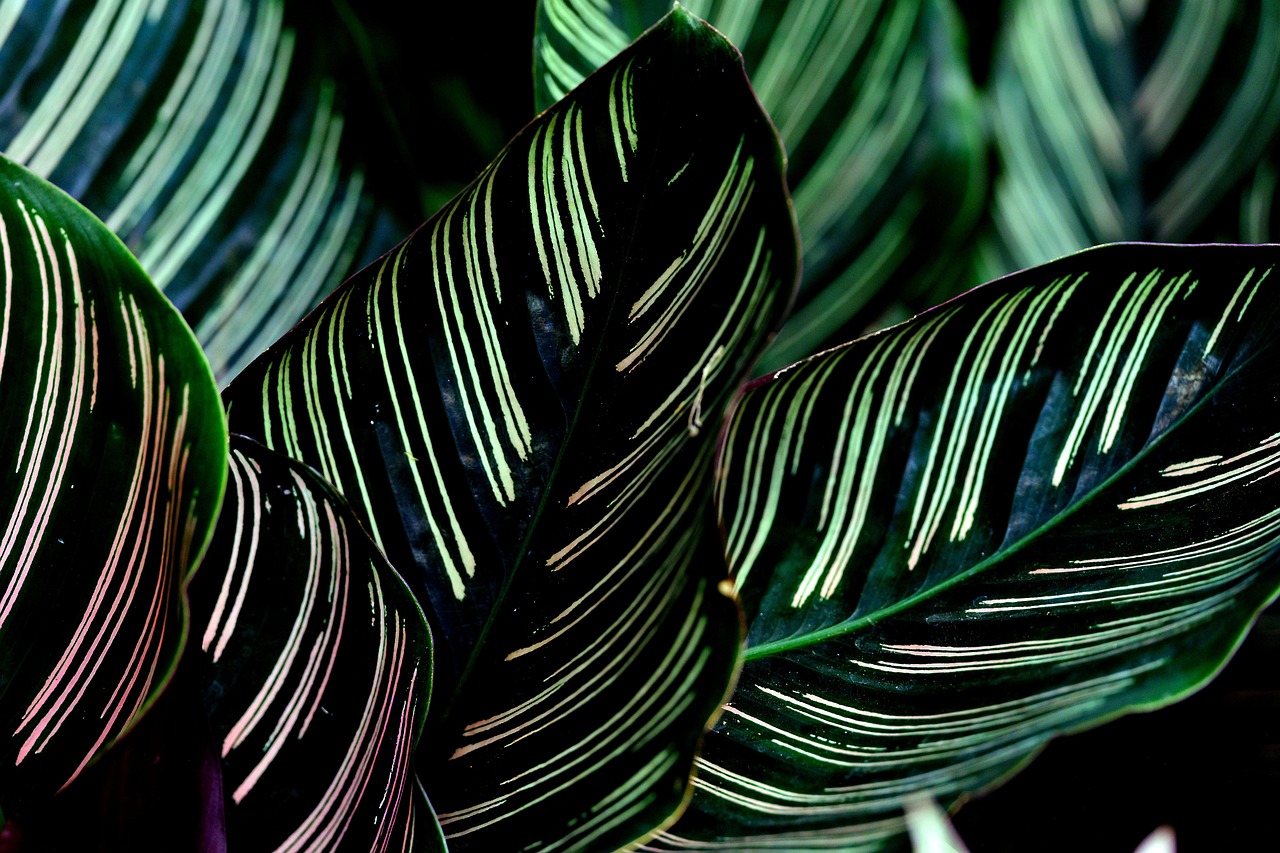
While the Pin Stripe Calathea is famous for its dark leaves and delicate pink pinstripes, it is also known to be a somewhat temperamental houseplant. It is not the most forgiving variety for beginners, as it reacts quickly to dry air or tap water chemicals. However, with consistent care, it remains a rewarding addition.
In this guide, we provide practical, step-by-step instructions to help your plant stay healthy and vibrant. We will cover essential topics, including proper watering techniques, ideal humidity management, and the best placement for your home. Follow these expert tips to ensure your Calathea stays lush and continues to show off its signature patterns.

Light and Temperature Requirements
The Pin Stripe Calathea (Calathea ornata) is a tropical plant that relies on specific environmental conditions to maintain its striking foliage. Understanding the balance between light and temperature is the most important step in preventing leaf browning and pattern fading.
Light Requirements
In its native rainforest habitat, this plant grows under the canopy, filtering sunlight through larger trees. To replicate this at home, place your Calathea in bright, indirect light. A spot near an east-facing window is often ideal, as it provides gentle morning sun without the intensity of midday rays.
Avoid placing the plant in direct sunlight. Even a few hours of intense sun can scorch the delicate leaves, leading to crisp, brown edges or bleached patches. Conversely, placing the plant in a dark corner will cause the signature pink pinstripes to lose their vibrancy and may stunt new growth.
If you notice your plant leaning heavily toward a light source, rotate the pot weekly to encourage even growth and ensure all leaves receive adequate light.
Temperature and Airflow
Calatheas are sensitive to temperature fluctuations. They thrive in consistent, warm conditions between 65 and 80 degrees Fahrenheit. Because they are tropical, they do not tolerate cold stress well.
To keep your plant healthy, follow these placement guidelines:
- Avoid cold drafts: Keep the plant away from drafty windows, exterior doors, or entryways during winter months.
- Mind the vents: Do not place your Calathea directly in the path of air conditioning vents or heaters. Rapid temperature changes and dry, forced air will cause the leaves to curl or turn crispy.
- Maintain stability: Consistent temperatures are more important than exact heat levels. A stable, warm room is better than a space that fluctuates between hot and cold throughout the day.
By mimicking the stable, dappled-light environment of a tropical forest floor, you will help your Pin Stripe Calathea maintain its lush, colorful appearance year-round.
Watering and Humidity Needs
The Calathea ornata, or Pinstripe Calathea, thrives when its environment mimics the consistent moisture of its native tropical rainforest floor. Achieving the right balance is the most critical step in preventing common issues like drooping leaves or crispy edges.
Watering Best Practices
Consistency is essential. You should check your plant’s soil moisture at least once a week. Use your finger to test the top inch of potting mix; if it feels dry to the touch, it is time to water. Allow the excess to drain completely from the bottom of the pot, as these plants are highly susceptible to root rot if left sitting in standing water.
Water quality matters significantly for this species. Pinstripe Calatheas are sensitive to the minerals and chemicals, such as fluoride and chlorine, found in standard tap water. These additives often accumulate in the leaf tips, causing unsightly brown edges. To keep your foliage vibrant, use the following water sources whenever possible:
- Filtered water
- Distilled water
- Rainwater collected in a clean container
Maintaining Humidity
Because they are tropical plants, Pinstripe Calatheas require high humidity levels, ideally staying above 50 percent. In average home environments, especially during winter months when indoor heating is active, the air is typically too dry for this calathea to thrive.
If you notice the edges of the leaves curling or turning brown despite regular watering, your plant is likely signaling a need for more moisture in the air. You can easily boost local humidity using these practical methods:
- Use a humidifier: Place a small humidifier near the plant to maintain a constant mist.
- Group your plants: Placing several tropical plants together creates a microclimate, as they naturally release moisture through transpiration.
- Utilize a pebble tray: Fill a shallow tray with pebbles and water, then place the pot on top. Ensure the base of the pot sits above the water line to prevent the roots from becoming waterlogged.
Soil and Fertilization
The Pin Stripe Calathea (Calathea ornata) is native to tropical rainforest floors, where it thrives in rich, consistently moist soil. To replicate this environment in a container, you must prioritize a balance between moisture retention and aeration. Avoid dense garden soil, which compacts easily and suffocates the delicate root system.
The ideal potting medium for this plant is a porous, peat-based mix. Peat moss provides the necessary moisture-holding capacity, while the addition of perlite or orchid bark ensures proper drainage. This combination prevents the roots from sitting in stagnant water, which is a primary cause of root rot in indoor calatheas.
To prepare the perfect environment, consider these soil components:
- Peat moss or coco coir: Retains essential moisture.
- Perlite or pumice: Increases drainage and root aeration.
- Orchid bark: Adds structure and prevents soil compaction.
Fertilization is equally important for maintaining the vibrant, striped foliage of your plant. During the active growing season—typically from early spring through early autumn—the plant requires extra nutrients to support new leaf development. Use a balanced, water-soluble liquid fertilizer specifically formulated for houseplants.
Follow these feeding guidelines to ensure healthy growth:
- Dilution: Always dilute your fertilizer to half the strength recommended on the product label. Calatheas are sensitive to high salt concentrations.
- Frequency: Apply the diluted solution once a month during the growing season.
- Dormancy: Cease all fertilization during the winter months when growth naturally slows down.
Avoid the temptation to over-fertilize. Excess minerals can quickly accumulate in the potting medium, causing unsightly brown tips on the leaves and chemical burns on the roots. If you notice a white crust forming on the surface of the soil, flush the pot with distilled water to leach out excess salts. By maintaining a light, consistent feeding schedule and a well-draining soil structure, you provide the stable foundation your Pin Stripe Calathea needs to remain lush and healthy year-round.
Pruning and Maintenance Safety
Regular maintenance is essential for keeping your Pin Stripe Calathea (Calathea ornata) healthy and visually appealing. As the plant grows, older leaves will naturally yellow or brown. Promptly removing this dying foliage helps the plant redirect its energy toward new, vibrant growth rather than attempting to sustain damaged tissue.
To perform maintenance correctly, always use a pair of sharp, clean pruning shears. Dull blades can crush the delicate stems, creating jagged wounds that take longer to heal and increase the risk of infection. Before you begin, sanitize your blades with rubbing alcohol to ensure you do not inadvertently introduce bacteria or fungal spores to your plant.
Follow these steps to prune your Calathea safely:
- Wear protective gear: Always put on gardening gloves before handling your plant. While the Pin Stripe Calathea is generally considered non-toxic, the sap can cause skin irritation or contact dermatitis in sensitive individuals.
- Identify the target: Locate the stem of the yellowing or dead leaf at the base of the plant, near the soil line.
- Make precise cuts: Use your sanitized shears to make a clean, swift cut as close to the main stem as possible without damaging the healthy crown of the plant.
- Sanitize between cuts: If you are pruning multiple leaves, wipe your shears with rubbing alcohol between each cut. This simple habit prevents the spread of pathogens if one section of the plant is harboring an underlying infection.
After pruning, dispose of the clippings immediately rather than leaving them in the pot. Decaying plant matter on the soil surface can attract pests like fungus gnats or encourage mold growth. By keeping the base of your Calathea clean and clear of debris, you improve airflow around the plant, which is vital for maintaining its humidity requirements and overall vigor. Consistent, hygienic pruning ensures your Pin Stripe Calathea remains a lush, stress-free centerpiece in your home.

Troubleshooting Common Calathea Issues
Even with the best intentions, your Pin Stripe Calathea may occasionally show signs of distress. Because these plants are sensitive to their environment, they act as excellent barometers for your home’s conditions. Learning to decode these signals early is the best way to ensure your plant thrives.
If you notice the leaves curling inward, your plant is likely telling you it is thirsty. Calatheas prefer consistently moist soil; when the potting medium dries out too much, the leaves curl to conserve moisture. Check the top inch of soil; if it feels dry, give your plant a thorough watering until liquid drains from the bottom of the pot.
Brown, crispy edges on the foliage usually indicate that the air in your home is too dry. Pin Stripe Calatheas are tropical plants that crave high humidity. To remedy this, consider placing your plant on a pebble tray filled with water, grouping it with other plants, or using a humidifier nearby to maintain consistent moisture levels.
Pests can also be a frustration. If you spot fine webbing or tiny speckles on the leaves, you may be dealing with spider mites. Follow these steps to manage an infestation:
- Gently wipe both the tops and undersides of the leaves with a soft, damp cloth to remove dust and pests.
- Apply a mild insecticidal soap or a diluted neem oil solution to the foliage.
- Isolate the plant from others to prevent the pests from spreading.
If your Calathea continues to decline despite providing consistent light, water, and humidity, it is time to inspect the root system. Gently remove the plant from its pot to check for mushy, dark, or foul-smelling roots, which are telltale signs of root rot caused by overwatering. If the roots appear compromised, trim away the damaged sections and repot the plant into fresh, well-draining soil. Providing a clean start often gives a struggling Calathea the boost it needs to recover and grow new, healthy foliage.

Dedicated team of gardening enthusiasts with years of hands-on experience testing lawn mowers, gardening tools, and outdoor equipment. We help home gardeners and professionals alike make informed buying decisions with honest, thorough reviews. From push mowers to pruning shears, we test it all so you don’t have to. Got a gardening tool you’d like us to review? Get in touch!