
Growing oregano indoors allows you to enjoy fresh, flavorful herbs year-round, regardless of the weather outside. You can successfully cultivate this aromatic perennial on a sunny windowsill by mimicking its native Mediterranean habitat. With the right approach to light, soil, and watering, your indoor herb garden will remain productive and healthy throughout every season.
While oregano is naturally hardy, it requires specific conditions to thrive inside your home. Because this plant craves intense light, you must be prepared to supplement with grow lights if your windows lack direct sun. Managing moisture is equally critical, as oregano prefers well-draining soil and dislikes sitting in stagnant water for long periods.
This guide provides all the practical steps necessary to master indoor herb cultivation with confidence. We will walk you through choosing the best containers, establishing a proper watering routine, and harvesting your leaves for maximum flavor. Follow these expert tips to ensure your indoor oregano plant stays vibrant, bushy, and ready for your kitchen.

Choosing the Right Pot and Soil
The foundation of a thriving indoor oregano plant begins with the right container. Because oregano is native to Mediterranean climates, it is highly susceptible to root rot if its roots remain damp for too long. To prevent this, always select a pot that features drainage holes at the bottom. If you fall in love with a decorative pot that lacks holes, use it as a cachepot by placing a smaller, plastic nursery pot with drainage inside it.
Material choice also plays a role in moisture management. Terracotta or unglazed ceramic pots are excellent options because they are porous, allowing the soil to breathe and moisture to evaporate more quickly through the sides of the container. However, keep in mind that these materials are heavy, so ensure your plant is placed on a sturdy, stable surface.
The potting medium is just as critical as the container. Standard indoor potting soil often holds too much moisture, which can quickly lead to fungal issues for oregano. Instead, prioritize a fast-draining environment by following these guidelines:
- Use a specialized potting mix formulated for Mediterranean herbs or cacti and succulents.
- If you only have general-purpose potting soil, amend it by mixing in one part perlite or coarse horticultural sand for every three parts of soil to improve aeration.
- Avoid garden soil, which is too dense and may harbor pests or pathogens that thrive in indoor conditions.
When potting your oregano, fill the container loosely rather than packing the soil down tightly. This ensures that oxygen can easily reach the root system. Proper drainage is the single most effective way to keep your indoor oregano healthy and productive throughout the year. By pairing a breathable pot with a gritty, well-draining soil mix, you mimic the natural, rocky conditions where oregano thrives in the wild, setting your herb up for long-term success on your windowsill.
Providing Adequate Light
Oregano is a Mediterranean herb that thrives in high-intensity light. To grow it successfully indoors, your primary goal is to replicate the bright, intense sun it would receive in its natural environment. Without sufficient light, the plant will become “leggy”—stretching out with weak stems and sparse, flavorless leaves.
For optimal growth, provide your oregano with at least six to eight hours of bright, direct sunlight every day. A south-facing windowsill is generally the best location in your home, as it offers the most consistent light exposure throughout the day.
If you lack a sunny south-facing window, or if your home experiences shorter daylight hours during the winter, your plant will likely struggle. In these cases, supplemental lighting is necessary to maintain healthy, compact growth.
Follow these tips to ensure your oregano gets the light it needs:
- Rotate the pot: Even in a sunny window, rotate your oregano container a quarter-turn every few days. This prevents the plant from leaning heavily toward the light source and ensures even growth on all sides.
- Use grow lights: If natural light is insufficient, invest in a full-spectrum LED grow light. Position the light just a few inches above the top of the plant.
- Monitor light duration: If using artificial lights, set them on a timer for 10 to 12 hours a day to compensate for the lower intensity compared to direct outdoor sun.
- Keep leaves clean: Dust can accumulate on indoor leaves, blocking sunlight. Gently wipe the foliage with a damp cloth occasionally to ensure the plant can photosynthesize efficiently.
By prioritizing light exposure, you encourage the production of the essential oils that give oregano its signature aroma and culinary potency. If you notice your plant turning pale or dropping leaves, it is a clear signal that it needs to be moved to a brighter spot or requires additional artificial light support.
Watering and Humidity Needs
The golden rule for indoor oregano is to mimic its native Mediterranean environment by allowing the soil to dry out significantly between waterings. Unlike moisture-loving houseplants, oregano thrives when its roots have a chance to breathe in relatively dry conditions. Overwatering is the most common cause of failure, as soggy soil quickly leads to root rot.
To determine if your plant needs water, use the finger test. Insert your index finger about one inch into the soil. If it feels dry to the touch, it is time to water. If you feel any dampness, wait another day or two before checking again.
When it is time to water, follow these best practices to keep your plant healthy:
- Use a small pitcher or watering can to pour water directly onto the soil surface.
- Avoid splashing the leaves, as wet foliage can promote fungal issues and powdery mildew.
- Water until you see a small amount of liquid drain into the saucer below.
- Empty the saucer immediately after watering. Never let your oregano sit in standing water, as this will rapidly suffocate the root system.
Regarding humidity, oregano is remarkably unfussy. While many tropical plants require supplemental misting or a humidifier, oregano prefers the standard, lower humidity levels found in most homes. In fact, excess humidity can sometimes be detrimental, making it prone to mold. Keep your plant in a well-ventilated area with good air circulation to ensure the foliage stays dry and the soil moisture levels remain stable.
During the winter months, your oregano will enter a period of slower growth. Because the plant is not actively pushing out new leaves, its water requirements will decrease significantly. Be extra vigilant during this time; you may find that you only need to water every two weeks rather than weekly. Always prioritize the state of the soil over a rigid calendar schedule to ensure your herb remains vibrant and flavorful throughout the year.
Pruning and Harvesting Safely
Regular pruning is the secret to a thriving indoor oregano plant. While it may be tempting to let your herb grow tall, frequent harvesting actually encourages the plant to branch out, resulting in a fuller, bushier shape rather than a sparse, leggy one. By removing the tips of the stems, you stimulate new growth from the leaf nodes below.
To harvest safely and effectively, follow these steps:
- Select a stem that has at least two sets of leaves.
- Use clean, sharp kitchen shears or garden scissors to snip the stem just above a leaf node—the point where leaves emerge from the main stalk.
- Avoid removing more than one-third of the plant at any single time to ensure it maintains enough foliage to continue photosynthesizing.
Safety should always be your priority when working with cutting tools. Always keep your fingers well away from the blades while making your snips. Because indoor gardening often takes place in kitchen environments, it is easy to become distracted; maintain full focus on your hand placement throughout the process.
Proper tool maintenance is just as important as the pruning itself. After you have finished harvesting, wipe your shears with a clean cloth to remove any plant sap or debris. If you are using sharp professional-grade garden scissors, store them immediately in a protective sheath or a secure kitchen drawer. Never leave sharp tools lying loose on a countertop or near the edge of a table where they could easily be knocked over or cause accidental cuts.
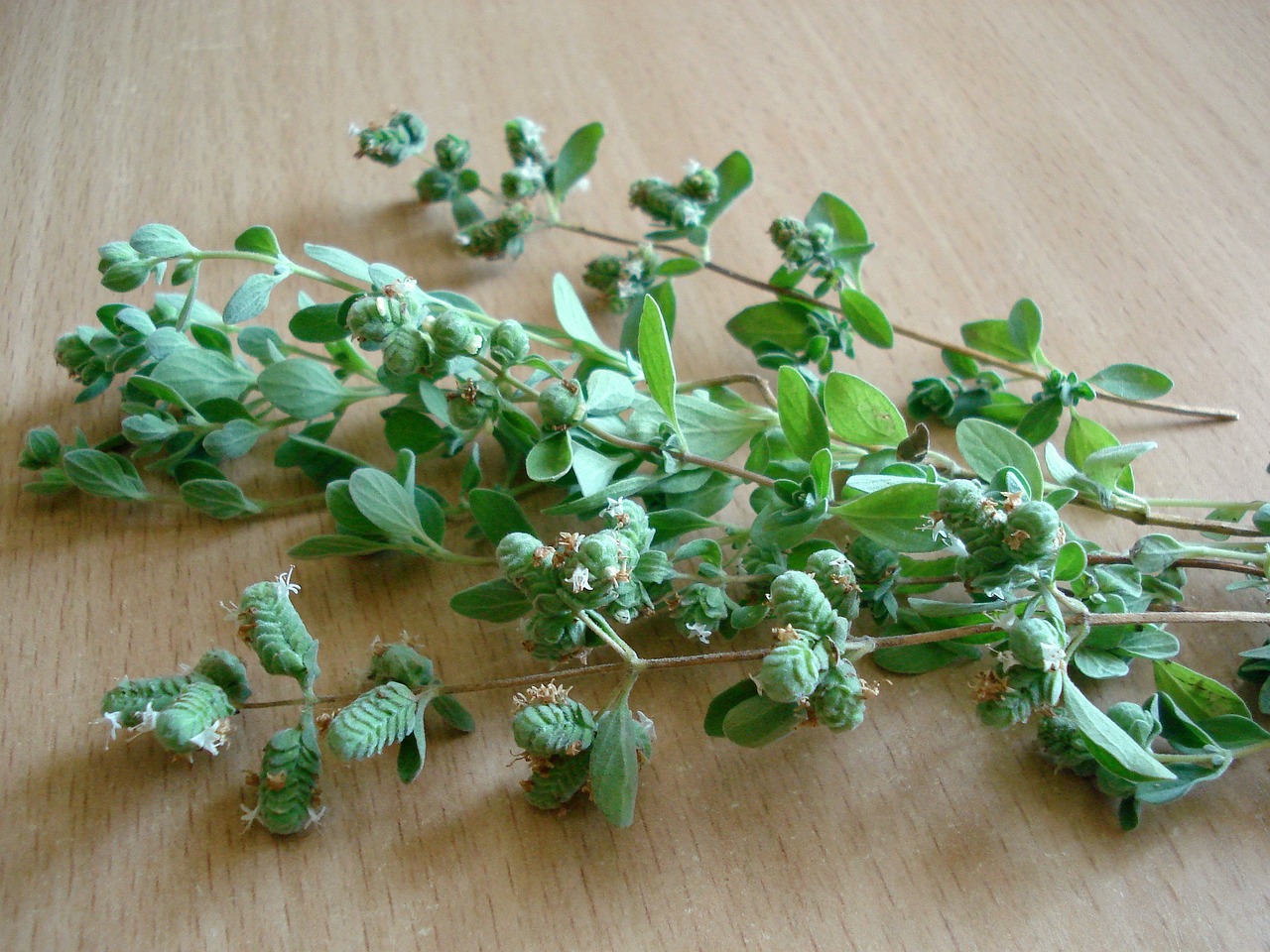
By harvesting regularly, you not only keep your oregano plant compact and healthy, but you also ensure a steady supply of fresh herbs for your cooking. If the plant begins to flower, pinch off the buds immediately. This redirects the plant’s energy back into leaf production, keeping the flavor profile of your oregano potent and delicious for your next meal.
Troubleshooting and Long-Term Care
Even with the best intentions, indoor oregano can occasionally struggle. Recognizing early signs of distress is the key to keeping your herb thriving throughout the year.
If you notice your oregano’s leaves turning yellow, it is almost always a sign of overwatering. Oregano prefers to dry out between waterings. Ensure your pot has adequate drainage holes and never allow the plant to sit in a saucer of standing water, which can lead to root rot.
If your plant appears stunted or leggy, it likely needs more light or a larger home. Oregano requires at least six to eight hours of bright, direct sunlight daily. If your indoor space lacks natural light, consider placing it under a dedicated LED grow light. If the roots are circling the bottom of the pot, it is time to repot into a container one size larger using fresh, well-draining potting mix.
While oregano is a hardy perennial, indoor plants may naturally become woody or sparse after a year or two. To rejuvenate an aging plant, perform a hard prune in the spring to encourage fresh, succulent growth.
Pests can occasionally find their way onto indoor herbs. If you spot aphids or spider mites, take these immediate steps:
- Manual Removal: Gently wipe the leaves and stems with a soft, damp cloth to physically remove insects.
- Organic Treatment: If the infestation persists, use an organic insecticidal soap specifically labeled for edible plants. Follow the manufacturer’s instructions carefully to ensure the herb remains safe for culinary use.
- Isolation: Move the affected plant away from your other indoor greenery to prevent the pests from spreading.
If you notice signs of a severe infestation or if the plant fails to recover despite your best efforts, consult a local nursery expert. They can provide specific advice tailored to your climate and the unique growing conditions of your home, helping you decide whether to treat the plant or start fresh with a new cutting.

Dedicated team of gardening enthusiasts with years of hands-on experience testing lawn mowers, gardening tools, and outdoor equipment. We help home gardeners and professionals alike make informed buying decisions with honest, thorough reviews. From push mowers to pruning shears, we test it all so you don’t have to. Got a gardening tool you’d like us to review? Get in touch!