
Learning how to care for an orange tree in a pot is simpler than you might think with the right approach. By providing consistent sunlight, proper drainage, and regular fertilization, you can successfully grow vibrant citrus right on your patio. These compact trees thrive in containers when given the specific environment they crave.
Growing citrus in containers is a rewarding way to enjoy fresh fruit even in cooler climates. While potted orange trees require more attention than those planted in the ground, they offer excellent portability. Understanding their seasonal needs allows you to protect your tree from harsh frosts while maximizing its potential for fruit production.
This guide provides actionable steps for maintaining a healthy potted orange tree, from selecting the right vessel to ensuring optimal sunlight and seasonal care. You will learn how to master watering schedules, choose the best soil mixes, and identify common pests. Follow these expert tips to nurture a thriving, productive tree all year long.
Selecting the Right Pot and Soil
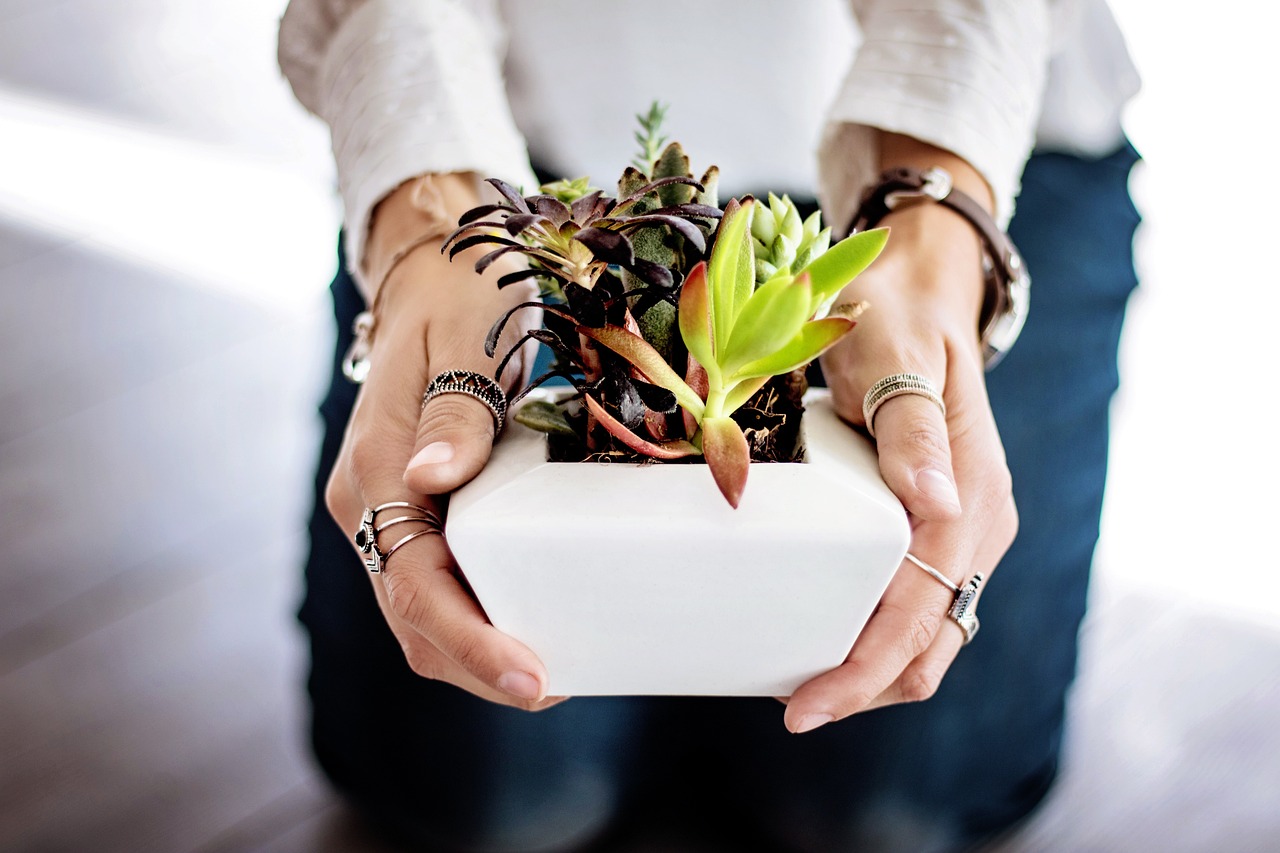
Choosing the right container is the most critical step in ensuring your potted orange tree thrives. Because citrus trees have extensive root systems, you must select a pot that is at least 15 to 20 inches in diameter. A pot of this size provides enough room for the roots to expand while offering sufficient stability to prevent the tree from tipping over as it grows.
Drainage is non-negotiable for container-grown citrus. Before adding soil, verify that your pot has ample drainage holes at the bottom. If the container lacks them, drill several half-inch holes to allow excess water to escape. Without proper drainage, water collects at the base, leading to root rot—a condition that can quickly kill an otherwise healthy tree.
Equally important is the medium you use. Never use standard garden soil, as it is too heavy, compacts easily, and retains excessive moisture that suffocates roots. Instead, choose a high-quality, well-draining potting mix specifically formulated for citrus or cacti. These blends are designed to provide the ideal balance of moisture retention and aeration.
When preparing your pot, keep these tips in mind for the best results:
- Prioritize Aeration: A light, porous mix allows oxygen to reach the roots, which is essential for nutrient uptake.
- Check the Material: Terracotta pots are excellent for citrus because they are porous, allowing the soil to breathe and dry out more evenly than plastic or glazed ceramic.
- Avoid Over-potting: While you need room for growth, avoid moving a small tree into an excessively large pot immediately, as the large volume of unused soil can stay wet for too long.
By pairing a properly sized, well-draining container with a professional-grade citrus mix, you create a healthy foundation that mimics the natural environment your orange tree needs to flourish. This setup minimizes the risk of waterlogging and ensures your tree has the stability and nutrients required to eventually produce fruit.
Light and Temperature Requirements
Orange trees are quintessential sun-lovers that thrive on intensity. To ensure your potted citrus tree remains healthy and productive, it requires a minimum of six to eight hours of direct, unfiltered sunlight every single day. Without this substantial light exposure, the tree will struggle to produce fruit and may become leggy or susceptible to pests.
If you are growing your tree indoors, placement is the most critical factor. Choose the brightest spot in your home, ideally a south-facing window. If your home lacks sufficient natural light, supplement the tree’s needs with a full-spectrum LED grow light positioned a few inches above the foliage for 10 to 12 hours daily.
Temperature management is equally vital, especially since potted trees lack the thermal insulation provided by the earth. Follow these guidelines to protect your plant:
- Ideal Range: Keep your orange tree in an environment between 60°F and 85°F (15°C–29°C) during the active growing season.
- Winter Protection: Potted citrus is highly sensitive to frost. As temperatures drop below 40°F (4°C), move the container to a sheltered patio, a sunroom, or indoors.
- Avoid Drafts: When keeping the tree inside, keep it away from direct heat sources like radiators, fireplaces, or forced-air vents, as these can dry out the leaves rapidly.
- Acclimatization: When moving your tree outdoors in the spring, do so gradually over a week. Start with a few hours of shade, slowly increasing exposure to direct sun to prevent leaf scorch.
Because containers are exposed to air on all sides, the root ball is more vulnerable to temperature fluctuations than trees planted in the ground. If you live in an area with cold winters, ensure the pot is placed on a plant caddy or stand. This keeps the roots off cold concrete floors, which can sap heat from the container and shock the plant during the dormant season.
Watering and Fertilization Schedules
Consistent moisture is the foundation of a healthy potted orange tree. Because containers dry out faster than garden soil, you must monitor hydration closely. The most reliable method is the finger test: insert your finger into the soil up to the second knuckle. If the top two inches feel dry, it is time to water. When you do water, saturate the soil thoroughly until you see liquid flowing freely from the drainage holes at the bottom of the pot. This ensures the entire root ball is hydrated and helps flush out excess salt buildup.
Citrus trees are “heavy feeders,” meaning they require regular nutrition to support fruit production and foliage growth. During the active growing season—typically from early spring through late summer—you should maintain a consistent fertilization schedule.
- Choose the right product: Use a high-quality, balanced citrus-specific fertilizer. These blends contain the essential micronutrients, such as iron, zinc, and manganese, that orange trees need to prevent leaf yellowing.
- Follow dosage instructions: Always adhere to the manufacturer’s recommended application rates. Over-fertilizing can lead to “nutrient burn,” which manifests as brown, crispy leaf edges and can severely stress or kill your tree.
- Apply evenly: Distribute the fertilizer across the surface of the soil, keeping it away from the base of the trunk to prevent stem rot.
As autumn approaches and temperatures drop, your orange tree will enter a period of dormancy. During these cooler winter months, growth slows significantly, and the tree’s metabolic needs decrease. You should reduce your watering frequency—only watering when the soil is dry deeper down—and pause fertilization entirely. Resuming a regular feeding schedule in the early spring will provide the necessary energy boost as the tree prepares for its next cycle of flowering and fruit development. By balancing these two critical tasks, you create the stable environment your orange tree needs to thrive indoors or on a patio.
Pruning and Maintenance Safety
Pruning is essential for maintaining the health and productivity of a potted orange tree. The ideal time to prune is in late winter, just before the tree begins its spring growth flush. During this dormant period, you can clearly see the branch structure and remove any dead, damaged, or diseased wood that might otherwise harbor pests or fungi.
Focus on thinning out branches that cross or rub against one another. Removing these creates an open canopy, which is vital for improving airflow and allowing sunlight to reach the center of the tree. Better light penetration helps prevent fungal issues and encourages more uniform fruit production.
When performing maintenance, prioritize safety and precision with these practices:
- Tool Hygiene: Always use sharp, clean pruning shears. Dull blades crush plant tissue rather than slicing it, which slows healing and invites infection. Wipe your blades with rubbing alcohol before and after use to prevent the spread of pathogens.
- Hand Protection: Citrus trees often feature sharp, woody thorns. Wear heavy-duty, puncture-resistant gardening gloves to protect your hands from scratches and potential sap irritation.
- Eye Safety: If you are pruning branches at or above eye level, wear safety glasses. This simple step prevents falling twigs, dust, or debris from causing eye injuries as you work.
Make your cuts at a slight angle, just outside the branch collar—the swollen area where the branch meets the main trunk. Avoid leaving long stubs, as these can die back and invite rot. If you are removing a large limb, use the three-cut method to prevent the weight of the branch from tearing the bark of the main trunk.
Regular maintenance is not just about aesthetics; it is a preventative measure. By keeping your tree tidy and well-ventilated, you reduce the likelihood of common citrus pests like scale or mealybugs taking hold. Always step back frequently while pruning to assess the shape and ensure you are maintaining a balanced, manageable size for your container.

Troubleshooting and Ongoing Care
Successful container gardening requires consistent observation. Even with the best setup, orange trees can face challenges that require prompt intervention. Regularly inspect the undersides of leaves and the junctions where stems meet branches to catch problems early.
Common pests, such as spider mites and scale, are frequent visitors to indoor and patio citrus. Spider mites often appear as tiny, moving specks accompanied by fine webbing, while scale looks like small, immobile brown or tan bumps on the foliage. If you spot these intruders, treat the tree immediately using these methods:
- Horticultural oil: Effective at smothering pests on contact.
- Insecticidal soap: A gentle, targeted option for localized infestations.
- Manual removal: For minor scale outbreaks, you can gently scrape the insects off with a soft toothbrush or cotton swab dipped in rubbing alcohol.
Leaf color is the most reliable indicator of your tree’s internal health. If you notice widespread yellowing, evaluate your watering habits first. Citrus trees hate “wet feet”; ensure your pot has excellent drainage and that the top two inches of soil are dry before adding more water. If the soil moisture is correct, yellowing may signal a nutrient deficiency, specifically a lack of nitrogen or iron. Applying a high-quality, citrus-specific fertilizer during the active growing season usually resolves these imbalances.
If your orange tree continues to struggle despite your best efforts, do not get discouraged. Environmental factors can vary significantly by region. Reach out to your local university cooperative extension office for assistance. They can provide guidance on soil pH testing, which is critical for citrus, as these trees prefer slightly acidic soil to absorb nutrients efficiently. If the issue remains persistent, a consultation with a certified arborist can help identify specific regional diseases or root-related problems that are not visible above the soil line. With a proactive approach, you can restore your tree to vibrant health and continue enjoying its fragrant blooms and homegrown fruit.

Dedicated team of gardening enthusiasts with years of hands-on experience testing lawn mowers, gardening tools, and outdoor equipment. We help home gardeners and professionals alike make informed buying decisions with honest, thorough reviews. From push mowers to pruning shears, we test it all so you don’t have to. Got a gardening tool you’d like us to review? Get in touch!