
Learning how to care for night blooming jasmine indoors is entirely possible with the right approach. This tropical shrub is prized for its intoxicating fragrance, but keeping it happy inside requires specific environmental conditions. By mimicking its natural habitat, you can successfully cultivate this exotic plant and enjoy its sweet, nocturnal scent within your home.
While these plants are naturally vigorous growers, they often struggle when transitioned into indoor spaces. You must be prepared to provide abundant sunlight, consistent humidity, and well-draining soil to prevent common issues like leaf drop or pests. Understanding these limitations is the first step toward maintaining a healthy, vibrant specimen throughout the entire year.
This comprehensive guide explains how to replicate its tropical needs indoors to ensure healthy growth and fragrant blooms. We will cover essential topics, including proper lighting placement, strategic watering schedules, and the best fertilization practices for container-grown plants. Follow these practical steps to master the art of indoor jasmine care and help your plant thrive.
Light and Temperature Requirements for Indoor Jasmine
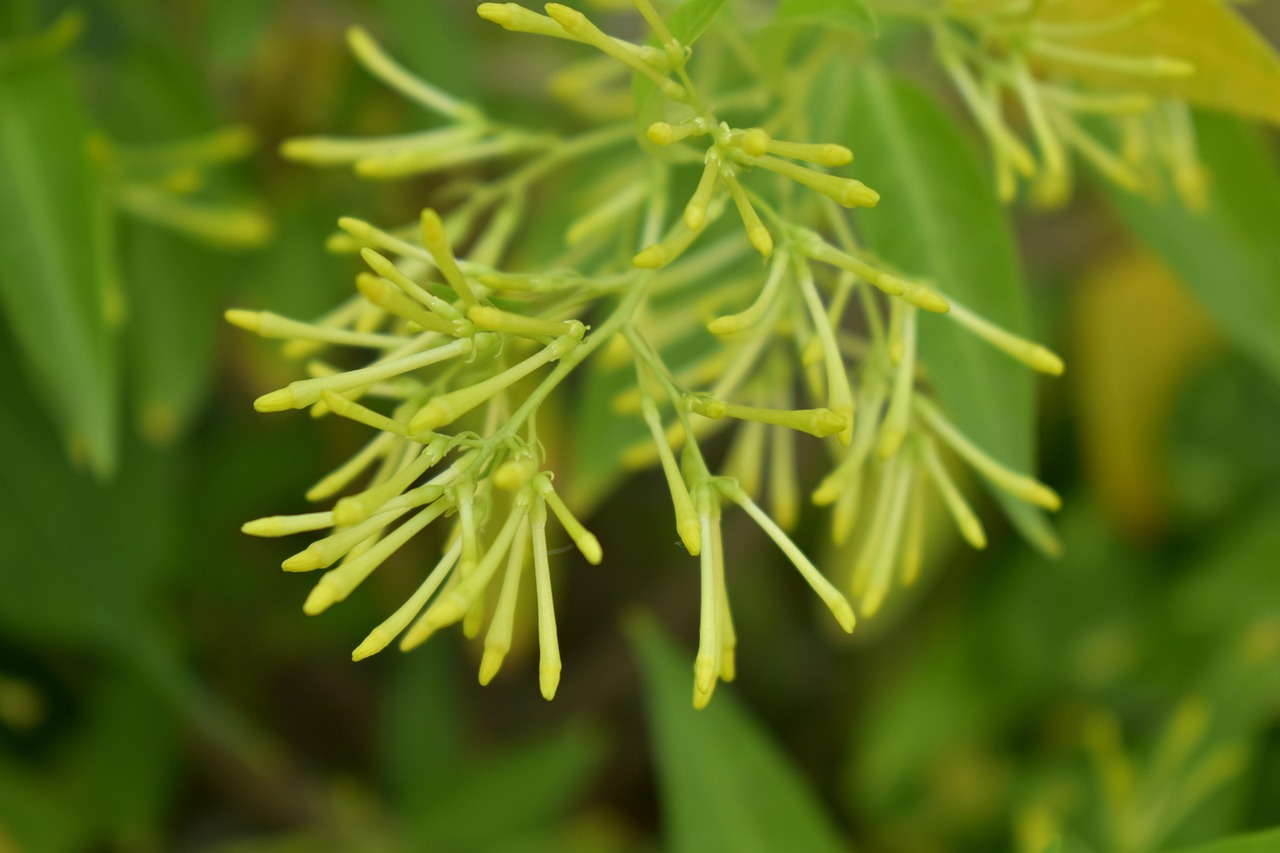
Night blooming jasmine (*Cestrum nocturnum*) is a sun-loving plant that requires significant light to produce its iconic, fragrant flowers. To mimic its natural tropical environment, place your plant in a south-facing window. It needs at least six hours of direct, bright sunlight every day to remain healthy and encourage blooming.
If your home lacks a spot with sufficient natural light, your jasmine will likely become leggy and fail to flower. In these cases, supplement with a full-spectrum LED grow light positioned a few inches above the foliage for 10 to 12 hours daily.
Temperature management is equally critical for indoor success. Night blooming jasmine thrives in temperatures between 65 and 80 degrees Fahrenheit. While it can tolerate slight fluctuations, you must protect it from extreme environmental stress to prevent leaf drop or stunted growth.
Follow these placement tips to maintain a stable environment:
- Avoid drafts: Keep the plant away from drafty windows, exterior doors, or entryways where cold air can shock the root system.
- Steer clear of vents: Do not place your jasmine near heating vents, radiators, or air conditioning ducts. These sources create dry, fluctuating air currents that dehydrate the leaves rapidly.
- Monitor seasonal changes: During winter, ensure the plant is not touching cold window glass, as the chill can damage the foliage even if the room temperature feels comfortable to you.
If you notice the leaves yellowing or drooping, first check the proximity to these heat or cooling sources. Often, moving the pot just a few feet away from a vent or adjusting its position on the windowsill is enough to stabilize the plant. Consistent, warm, and bright conditions are the foundation for a thriving indoor jasmine that will reward you with its powerful evening fragrance throughout the growing season.
Watering and Humidity Management
Achieving the right balance of moisture is the most critical aspect of caring for night-blooming jasmine (Cestrum nocturnum) indoors. While this plant thrives in tropical climates, it is susceptible to root rot if left in saturated soil. Your goal is to maintain consistent moisture without allowing the roots to sit in standing water.
Before watering, check the soil moisture by inserting your finger about one inch deep. If the soil feels dry to the touch at this depth, it is time to water. If it still feels damp, wait another day or two. Always ensure your pot has functional drainage holes to allow excess water to escape, as stagnant water is a primary cause of leaf drop and root decay.
Because night-blooming jasmine originates from humid environments, standard indoor air—especially during winter months—can be too dry for the plant. Low humidity often leads to crispy leaf tips or stunted growth. To create a more hospitable atmosphere, consider these practical methods:
- Daily Misting: Use a spray bottle filled with room-temperature water to mist the foliage once a day. This helps replicate the natural dew and moisture the plant craves.
- Pebble Tray Method: Place your pot on a shallow tray filled with a layer of pebbles and enough water to reach just below the top of the stones. As the water evaporates, it creates a localized microclimate of humidity around the plant. Ensure the bottom of the pot does not touch the water directly.
- Grouping Plants: Clustering your jasmine with other indoor plants can naturally increase the humidity levels in the immediate area through transpiration.
If you notice the leaves beginning to curl or turn yellow, evaluate your watering frequency. Adjusting your routine based on the season is also vital; the plant will require more frequent watering during its active growing phase in the spring and summer, while its needs will significantly decrease during the cooler, dormant winter months.

Soil, Fertilization, and Potting Needs
Cestrum nocturnum, or night-blooming jasmine, thrives when its root environment mimics its native tropical habitat. Because this plant is susceptible to root rot if left in soggy conditions, selecting the right soil is the most critical step. Use a high-quality, well-draining potting mix specifically formulated for tropical plants. If you find the mix retains too much moisture, incorporate perlite or pumice to improve aeration and drainage.
Proper nutrition is essential to support the plant’s rapid growth and intense fragrance production. During the active growing season—typically from early spring through late summer—your jasmine requires consistent feeding to maintain its health.
- Use a balanced, water-soluble fertilizer (such as a 10-10-10 NPK formula).
- Dilute the fertilizer to half-strength to prevent accidental root burn.
- Apply the solution every two weeks while the plant is producing new leaves or flowers.
- Cease all fertilization during the autumn and winter months when the plant enters a period of dormancy.
As a vigorous grower, night-blooming jasmine will eventually outgrow its container. You should plan to repot your plant every two years, ideally in the early spring just as new growth begins to emerge. Repotting serves two purposes: it provides fresh, nutrient-rich soil and offers the root system necessary space to expand.
When selecting a new container, ensure it is only one to two inches larger in diameter than the current pot. A container that is too large can hold excess moisture, which often leads to root issues. Always choose a pot with drainage holes at the bottom to allow excess water to escape freely. If you are repotting a mature, large specimen, you can simply refresh the top two inches of soil with new potting mix instead of moving the entire plant to a larger vessel. This light refresh provides a boost of nutrients without the stress of a full transplant.
Pruning and Safety Precautions
Pruning is essential for maintaining the health and appearance of your night blooming jasmine (*Cestrum nocturnum*). Because this plant can grow quite leggy when kept indoors, regular trimming helps manage its size and encourages a fuller, bushier growth habit. The best time to prune is immediately after the plant finishes its blooming cycle.
To ensure a clean cut that promotes quick healing, always use sharp, sterilized pruning shears. Dull blades can crush stems, leaving the plant vulnerable to disease or pests. When making your cuts, aim for just above a leaf node; this is where new lateral branches are most likely to sprout, leading to a denser canopy.
Safety should be your top priority during maintenance. Follow these precautions to protect yourself and your household:
- Wear protective gear: Always wear gardening gloves when pruning. The sap of the night blooming jasmine can cause skin irritation or allergic reactions in some individuals.
- Keep it out of reach: This plant is toxic if ingested. Ensure it is placed on a high shelf or in a room inaccessible to curious pets and small children.
- Sanitize your tools: Wipe your shears with rubbing alcohol before and after pruning to prevent the spread of bacteria or fungi between your indoor plants.
- Wash hands thoroughly: Even if you wear gloves, wash your hands and arms immediately after handling the plant to remove any lingering sap or plant debris.
If you have pets that are prone to chewing on foliage, it is best to reconsider the placement of this plant entirely. While its fragrance is delightful, the risk of ingestion outweighs the aesthetic benefits in households with curious animals. By combining diligent pruning with these safety measures, you can enjoy the intoxicating scent of your night blooming jasmine while keeping your indoor environment healthy and secure.
Troubleshooting and Long-Term Care
If your night-blooming jasmine fails to produce its signature fragrant flowers, the culprit is usually environmental. These plants require intense, direct light to set buds. If your indoor space is too dim, move the plant to your sunniest south-facing window or supplement with a high-output grow light.
Additionally, night-blooming jasmine often requires a seasonal trigger to bloom. During the winter months, move the plant to a cooler room where temperatures drop slightly at night—ideally between 50°F and 60°F. This brief period of dormancy mimics its natural cycle and encourages a flush of flowers in the spring.
Indoor plants are susceptible to common pests, particularly when airflow is stagnant. Keep a close eye on the undersides of leaves for signs of infestation:
- Aphids: Look for clusters of tiny green or black insects on new growth.
- Spider Mites: Watch for fine webbing between leaves or a stippled, dusty appearance on the foliage.
If you spot these pests, isolate the plant immediately. Treat the infestation by wiping the leaves with a damp cloth and applying organic neem oil. Follow the product label carefully to ensure complete coverage, repeating the application every seven to ten days until the pests are eradicated.
Persistent yellowing or stunted growth often indicates issues beneath the soil surface. If your plant looks sickly despite a consistent watering schedule, investigate the root system. Gently remove the plant from its pot to check for the following:
- Root Rot: Roots should be firm and light-colored. If they appear mushy, brown, or emit a foul odor, you must trim the damaged sections and repot in fresh, well-draining soil.
- Drainage Issues: Ensure the pot has adequate drainage holes. If water pools at the bottom, your soil mix may be too dense. Incorporate perlite or coarse sand to improve aeration and prevent future saturation.
By addressing these environmental triggers and monitoring plant health closely, you can maintain a thriving, fragrant jasmine year-round.

Dedicated team of gardening enthusiasts with years of hands-on experience testing lawn mowers, gardening tools, and outdoor equipment. We help home gardeners and professionals alike make informed buying decisions with honest, thorough reviews. From push mowers to pruning shears, we test it all so you don’t have to. Got a gardening tool you’d like us to review? Get in touch!