
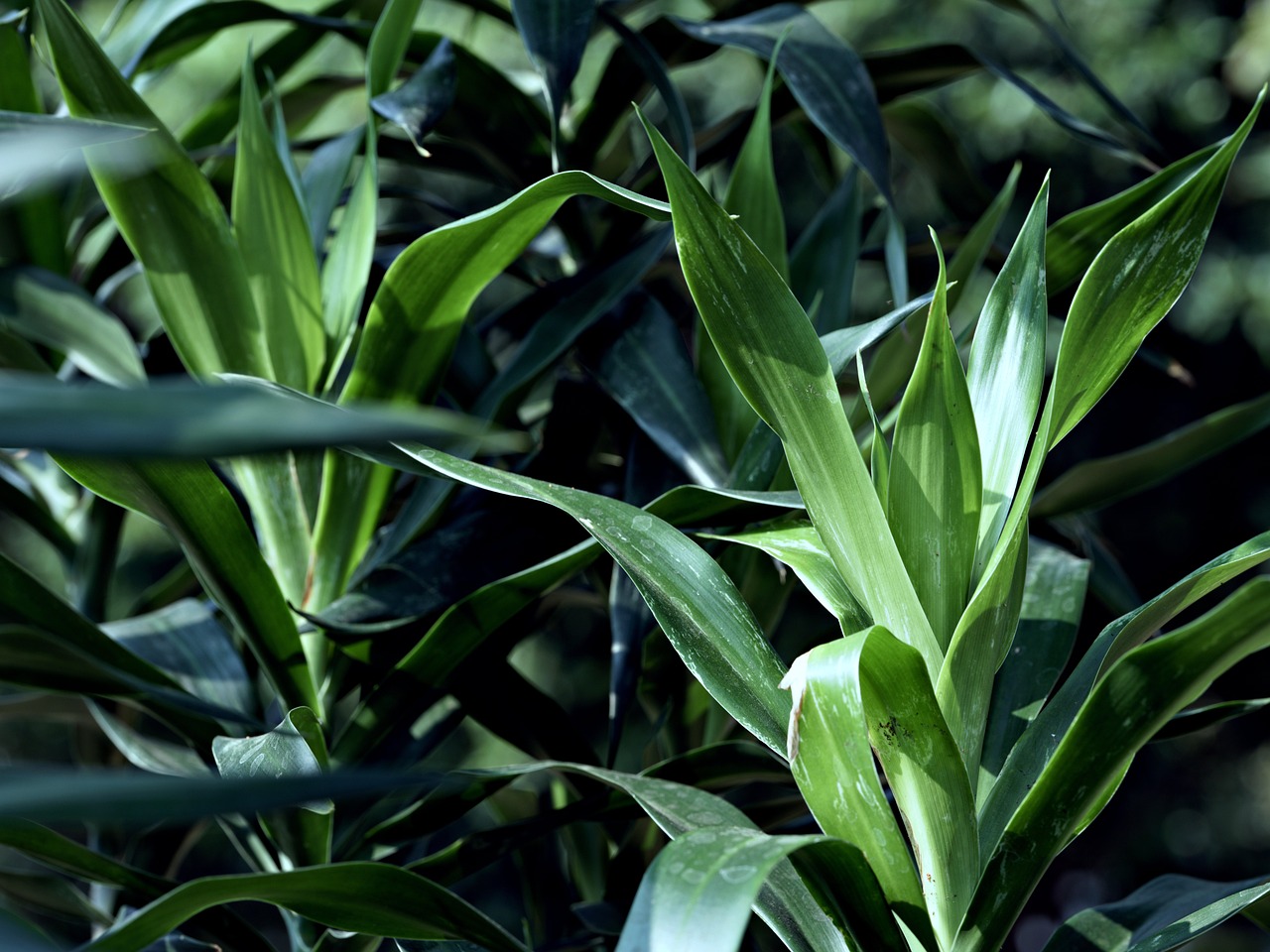
Learning how to care for my dracaena plant is straightforward because these species are naturally resilient and forgiving. To keep yours thriving, provide bright, indirect light and allow the top inch of soil to dry out completely between waterings. These simple adjustments ensure your plant remains healthy, vibrant, and free from common issues like root rot.
Dracaena plants are popular indoor choices for their architectural beauty and low-maintenance nature. While they are incredibly hardy, they still require specific conditions to reach their full potential in a home environment. Understanding their natural tropical origins helps you set realistic expectations, as consistent care prevents leaf browning and encourages steady, lush new growth.
This guide explains the essential care steps to help your plant thrive, covering light, water, and environment requirements to keep your dracaena healthy. We will break down the best practices for soil selection, humidity management, and seasonal maintenance. By following these practical tips, you can confidently nurture your dracaena into a stunning focal point for your home.

Optimal Light and Temperature Conditions
Dracaenas thrive when placed in bright, indirect light. Think of the dappled sunlight found under a forest canopy; this mimics their natural habitat and encourages vibrant, healthy foliage. Positioning your plant near an east-facing window or a few feet away from a south- or west-facing window is usually ideal.
Avoid placing your dracaena in direct, harsh sunlight. While these plants are resilient, intense rays can quickly scorch their leaves, leaving behind unsightly brown patches or bleached spots. Conversely, placing a dracaena in a dark corner will lead to leggy, stretched growth as the plant desperately reaches for a light source. If your plant begins to lose its color or shows significantly slowed growth, it is a clear signal that it needs more light.
Temperature consistency is just as vital as light quality. Dracaenas are tropical plants that prefer the same comfortable indoor temperatures that humans enjoy. Aim for the following conditions to keep your plant thriving:
- Ideal Temperature Range: Keep your home between 65°F and 75°F (18°C to 24°C).
- Avoid Extremes: Temperatures consistently below 55°F (13°C) can cause stress and leaf drop.
- Draft Management: Keep the plant away from drafty windows, exterior doors, or air conditioning units, as sudden cold gusts can damage the foliage.
- Heat Sources: Never place your dracaena directly next to heating vents, radiators, or fireplaces. The dry, hot air can dehydrate the plant rapidly and cause the tips of the leaves to turn brown and crispy.
By mimicking these stable, temperate conditions, you provide the foundation for a long-lived and lush houseplant. If you notice your dracaena struggling, evaluate its current placement first; often, simply moving the pot a few feet away from a harsh vent or closer to a soft light source is enough to resolve most environmental issues. Consistency is the key to success with this forgiving indoor species.
Watering and Soil Requirements
Mastering the balance of moisture is the most critical step in keeping your Dracaena healthy. These plants are sensitive to “wet feet,” meaning they struggle significantly if their roots remain saturated for too long. Overwatering is the leading cause of root rot, which can quickly turn vibrant foliage yellow and lead to plant decline.
Before reaching for your watering can, always check the soil moisture level. Insert your finger about one to two inches deep into the potting mix. If you feel dampness, wait a few more days before watering. Only when the top inch or two of soil feels completely dry to the touch should you provide more water. When you do water, saturate the soil thoroughly until excess liquid drains from the bottom of the pot, then discard any water sitting in the saucer.
To support this cycle of hydration and drying, your Dracaena requires the right physical environment:
- Drainage Holes: Never plant your Dracaena in a container without drainage holes. Without an exit point, water pools at the bottom of the pot, creating a breeding ground for fungal pathogens and root decay.
- Well-Draining Soil: Use a high-quality, peat-based potting mix designed for indoor foliage plants. If the mix feels too dense or heavy, incorporate perlite or pumice to improve aeration and drainage.
- Pot Material: While plastic pots retain moisture longer, terracotta pots are porous and allow the soil to dry out more quickly. Choose your pot material based on your home’s humidity and your personal watering habits.
During the winter months, your plant’s growth slows down, and it will require significantly less water than during the active growing season in spring and summer. Always adjust your schedule based on the plant’s current needs rather than a rigid calendar. By prioritizing soil aeration and allowing for proper drainage, you create a stable foundation that prevents root rot and encourages long-term, lush growth for your Dracaena.

Cleaning and Pruning Your Dracaena
Keeping your dracaena clean and tidy is essential for both its aesthetic appeal and its overall health. Dust accumulation on the broad, waxy leaves can block sunlight, hindering the plant’s ability to photosynthesize efficiently. To keep your plant thriving, gently wipe the leaves every few weeks using a soft, damp cloth. Support the underside of each leaf with your hand while wiping to prevent accidental tearing.
Regular pruning helps maintain the plant’s shape and encourages healthy new growth. Over time, it is natural for the lower leaves to turn yellow or brown as the plant matures. When you notice damaged or unsightly foliage, remove it promptly to direct the plant’s energy toward healthy stems.
Follow these steps for safe and effective pruning:
- Sanitize your tools: Always use sharp, clean pruning shears. Wipe the blades with isopropyl alcohol before and after each cut to prevent the spread of bacteria or fungal diseases between stems.
- Make clean cuts: Snip the damaged leaf or stem as close to the main stalk as possible without damaging the primary tissue.
- Wear protection: Dracaena sap can cause contact dermatitis in sensitive individuals. Always wear gardening gloves while pruning to protect your skin from potential irritation.
If you decide to prune a tall, leggy stem to encourage branching, the plant will typically sprout new growth from just below the cut site. Ensure your shears are exceptionally sharp for this task to create a clean wound that heals quickly. Avoid pruning more than 20% of the plant at one time, as heavy trimming can stress the dracaena. If you notice any sap bleeding from the cut, you can gently dab it with a clean paper towel. By keeping the foliage dust-free and removing spent leaves, you create an environment where your dracaena can flourish for years to come.
Fertilizing and Repotting
Dracaena plants do not require heavy feeding, but they benefit from a consistent schedule during their active growing season. From early spring through late summer, apply a balanced, water-soluble fertilizer diluted to half-strength once every four to six weeks. Avoid fertilizing during the autumn and winter months, as the plant enters a period of dormancy and cannot process the nutrients effectively.
Over-fertilizing can lead to salt buildup in the soil, which often manifests as brown leaf tips. If you notice this, flush the soil thoroughly with distilled or filtered water to wash away excess minerals. Always ensure the soil is slightly damp before applying fertilizer to protect the roots from potential chemical burn.
As your dracaena matures, it will eventually outgrow its container. You should assess the need for repotting every two to three years. Look for these clear signs that your plant needs more space:
- Roots are visibly circling the surface of the soil.
- Roots are growing out of the drainage holes at the bottom of the pot.
- The plant has become top-heavy and unstable in its current container.
- Water runs straight through the pot without moistening the soil, indicating the root ball has completely filled the space.
When you are ready to repot, select a new container that is only one to two inches larger in diameter than the current one. A pot that is too large will hold excess moisture, which significantly increases the risk of root rot. Choose a container with reliable drainage holes to ensure the root system stays healthy.
Gently remove the plant, tease out any tightly bound roots, and place it in the new pot using a high-quality, well-draining potting mix. Fresh soil provides the essential aeration and nutrients required for continued growth. After repotting, water the plant lightly to help the soil settle around the roots, then return it to its usual spot with bright, indirect light.
Common Issues and When to Seek Help
Even with the best intentions, your dracaena may occasionally show signs of stress. Most issues are environmental and can be corrected with simple adjustments to your care routine.
Brown leaf tips are the most common complaint. These are frequently caused by low humidity or sensitivity to minerals found in tap water, such as fluoride or chlorine. If you notice persistent browning, try switching to filtered or distilled water and misting the foliage regularly or placing the plant on a pebble tray to increase ambient moisture.
Yellowing foliage often points to watering inconsistencies. Dracaenas prefer to dry out slightly between waterings; if the soil stays perpetually soggy, root rot can occur. Ensure your pot has adequate drainage holes, and always check that the top two inches of soil are dry before adding more water.
While environmental factors are usually to blame, you should inspect your plant for pests if you notice sticky residue, webbing, or small spots on the undersides of leaves. Common culprits include:
- Spider mites: Look for fine webbing between stems.
- Mealybugs: These appear as small, white, cottony masses.
- Scale: These look like small, brown, raised bumps on the stems or leaves.
If you identify an infestation, isolate the plant immediately to protect your other greenery and treat it with a gentle insecticidal soap or neem oil. Wipe down the leaves regularly to keep them free of dust, which also helps prevent pests from settling in.
Finally, it is vital to remember that dracaenas are toxic to cats and dogs if ingested. Symptoms of ingestion can include vomiting, drooling, or lethargy. If you suspect your pet has nibbled on your plant, do not wait for symptoms to worsen. Contact your veterinarian immediately for guidance. Keeping your dracaena in a room inaccessible to pets is the safest way to enjoy this beautiful plant while ensuring the well-being of your furry companions.

Dedicated team of gardening enthusiasts with years of hands-on experience testing lawn mowers, gardening tools, and outdoor equipment. We help home gardeners and professionals alike make informed buying decisions with honest, thorough reviews. From push mowers to pruning shears, we test it all so you don’t have to. Got a gardening tool you’d like us to review? Get in touch!