
Learning how to care for monstera plants indoors is simpler than you might think. To help your Monstera deliciosa thrive, prioritize bright, indirect sunlight and consistent watering once the top inch of soil feels dry. These iconic tropical plants are surprisingly resilient, making them a perfect addition to any indoor home garden.
While these plants are famous for their dramatic, fenestrated leaves, they do require specific conditions to reach their full potential. Keep in mind that growth rates vary based on your home’s humidity levels and temperature. Providing a stable environment helps prevent common issues like yellowing leaves or stunted growth throughout the year.
This comprehensive guide covers all the essential steps to keep your Swiss cheese plant healthy and vibrant. We will explore the best soil mixtures, proper watering schedules, and vital maintenance tips for long-term success. Follow these practical instructions to master your indoor plant care routine and enjoy lush, healthy foliage for years.

Optimal Light and Temperature Conditions
To keep your Monstera thriving, you must replicate the conditions of its native tropical rainforest floor. The most critical factor for success is providing the right balance of light. These plants crave bright, indirect sunlight to fuel their growth and maintain their iconic fenestrations.
Place your Monstera near a window that receives plenty of natural light but is shielded from the sun’s harsh rays. If the plant is exposed to direct afternoon sun, the leaves will quickly develop unsightly brown, crispy patches known as leaf scorch. If you notice your Monstera leaning heavily toward the light or producing smaller, solid leaves without splits, it is likely not receiving enough brightness and should be moved closer to a window.
Temperature stability is equally important for long-term health. Because Monsteras are tropical plants, they prefer a consistent environment that mimics their natural habitat. Aim to keep your indoor space within the following parameters:
- Ideal Temperature Range: Maintain a steady environment between 65°F and 85°F (18°C to 29°C).
- Avoid Fluctuations: Keep your plant away from cold drafts, air conditioning vents, and heating units. Rapid temperature swings can cause stress, leading to stunted growth or yellowing foliage.
- Winter Protection: During colder months, ensure the plant is not touching a freezing windowpane, as the extreme chill can damage the leaf tissue.
If you are comfortable in your home, your Monstera likely is, too. However, be mindful of the “microclimate” immediately surrounding the plant. If your home tends to be drafty, consider using a decorative screen or moving the plant to an interior corner that maintains a more stable, warmer temperature. By protecting your Monstera from extreme shifts and harsh direct light, you provide the essential foundation for it to grow large, healthy, and vibrant leaves that will last for years to come.
Watering and Humidity Requirements
Mastering the watering routine is the most critical step in keeping your Monstera deliciosa healthy. These plants prefer a consistent “soak-and-dry” approach rather than a rigid schedule. Before adding water, always check the soil moisture manually.
Insert your finger about two inches deep into the potting mix. If the soil feels dry to the touch at this depth, it is time to water. If it still feels damp or cool, wait a few more days. Watering while the soil is still saturated can lead to root rot, which is often fatal for indoor plants.
When you do water, saturate the soil thoroughly until excess liquid drains from the bottom of the pot. Always empty the saucer afterward; never let your Monstera sit in standing water, as this suffocates the roots.
Beyond soil moisture, Monstera plants thrive in environments that mimic their native tropical habitat. They prefer moderate to high humidity, which is essential for developing those iconic, healthy fenestrations (the natural splits in the leaves). If your home air is dry, especially during winter, consider these practical adjustments:
- Pebble Trays: Place your plant on a tray filled with pebbles and a small amount of water. Ensure the pot sits on the stones, not directly in the water, to prevent root rot.
- Humidifiers: Running a humidifier nearby is the most effective way to maintain consistent moisture levels in the air.
- Grouping Plants: Cluster your Monstera with other indoor plants to create a localized microclimate with higher humidity.
Avoid placing your plant directly in front of heating vents, radiators, or air conditioning units. These drafts can quickly dehydrate the foliage, leading to brown, crispy edges. By balancing proper soil hydration with a humid environment, you provide the ideal conditions for your Monstera to grow lush, vibrant, and structurally impressive leaves.
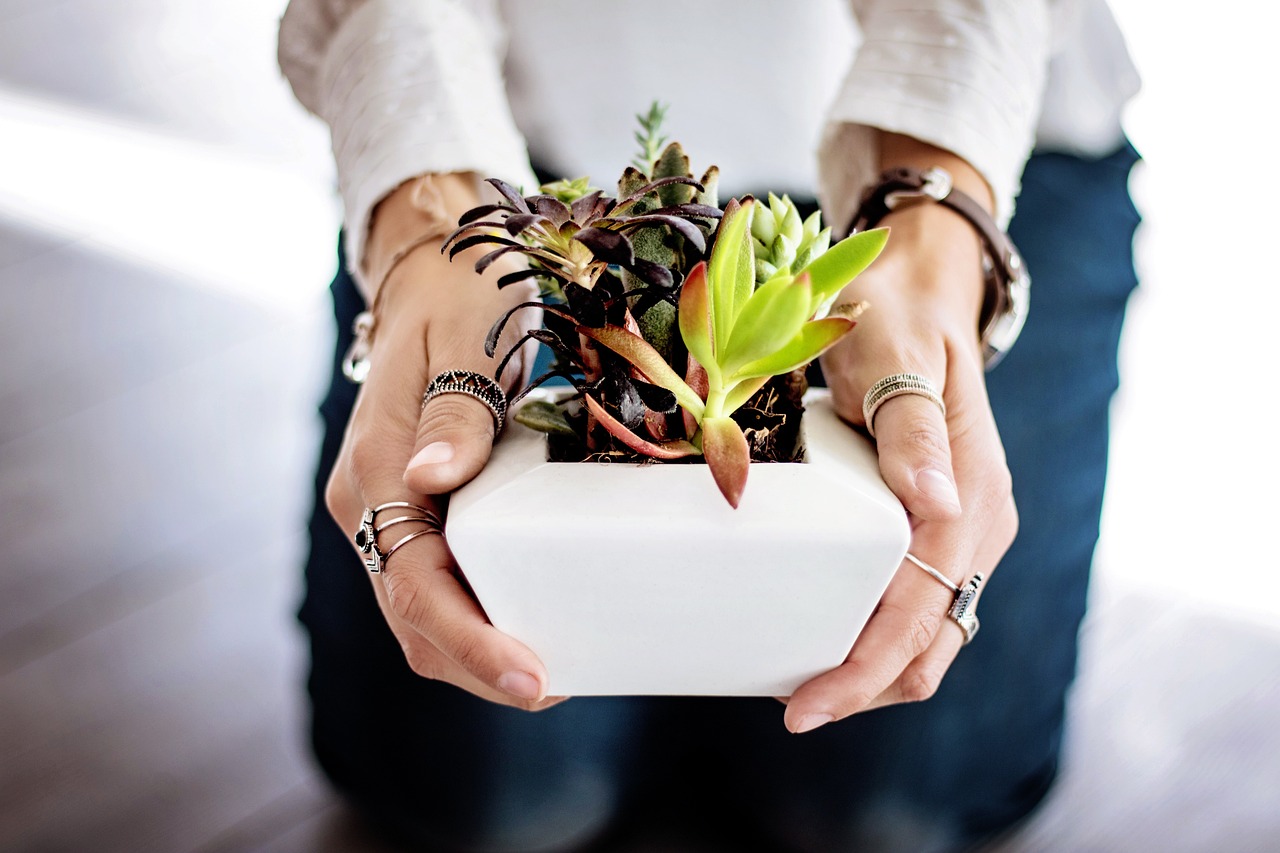
Soil, Potting, and Drainage Essentials
Monstera plants are tropical epiphytes, meaning they naturally grow on trees rather than in dense, heavy soil. To keep your indoor Monstera thriving, you must replicate this airy environment. Standard potting soil is often too heavy and retains too much moisture, which can suffocate the roots and lead to fatal root rot.
The ideal potting medium for a Monstera is a “chunky” mix that allows oxygen to reach the root system while still holding enough hydration. You can easily create this at home by blending these three key components:
- Orchid Bark: Provides structure and creates large air pockets, preventing the soil from compacting over time.
- Perlite: These small, white volcanic rocks improve drainage and ensure that excess water flows through the pot quickly.
- Peat Moss or Coco Coir: Retains just enough moisture to keep the roots hydrated without becoming waterlogged.
A good rule of thumb is to mix these ingredients in equal parts. If you are using a pre-bagged indoor potting soil, improve it by adding a generous amount of perlite and bark to increase porosity.
Beyond the soil composition, your choice of container is critical. Regardless of how well-draining your soil mix is, it will not prevent root rot if the water has nowhere to go. Always select a pot that features at least one large drainage hole at the bottom.
If you fall in love with a decorative pot that lacks drainage, use it as a cachepot instead. Simply keep your Monstera in a basic plastic nursery pot with drainage holes and place that inside the decorative container. When it is time to water, remove the nursery pot, let the water drain completely into the sink, and then return the plant to its decorative home. This simple habit prevents water from pooling at the bottom, protecting your plant from the most common cause of indoor gardening failure.
Pruning, Cleaning, and Safety Precautions
Regular maintenance is essential to keep your Monstera thriving and aesthetically pleasing. Pruning is a simple process that directs the plant’s energy toward healthy new growth. If you notice leaves that are yellowing, brown, or damaged, it is best to remove them entirely.
To prune correctly, use a pair of clean, sharp pruning shears. Always cut the stem back to the main vine, taking care not to damage the primary stalk. Using dull tools can crush the stem, creating jagged wounds that take longer to heal and increase the risk of infection.
Follow these essential hygiene and safety steps to protect both your plant and yourself:
- Sanitize your tools: Wipe your shears with rubbing alcohol before and after each cut. This prevents the transmission of pathogens or pests between different parts of the plant.
- Wear protective gloves: Monstera sap contains calcium oxalate crystals, which can cause skin irritation or contact dermatitis. Wearing gloves ensures your skin remains protected during the pruning process.
- Prioritize pet safety: Monstera plants are toxic to cats and dogs if ingested. The calcium oxalate crystals cause immediate irritation to the mouth, tongue, and throat, often leading to excessive drooling, vomiting, and difficulty swallowing.
Beyond pruning, keep your Monstera looking its best by cleaning its leaves. Dust can accumulate on the large, broad foliage, which hinders the plant’s ability to photosynthesize efficiently. Every few weeks, gently wipe the leaves with a soft, damp cloth. Avoid using harsh leaf-shine products, as these can clog the plant’s pores.
If you have curious pets, consider placing your Monstera on a high plant stand or in a room that is inaccessible to them. If you suspect your pet has chewed on the leaves, monitor them closely for signs of distress and contact your veterinarian immediately. By combining routine cleaning with mindful safety practices, you create a healthy indoor environment for your plant and your household.

Troubleshooting Common Monstera Issues
Even the most attentive plant owners encounter challenges with their Monstera deliciosa. Most issues are symptoms of environmental stress and can be corrected with minor adjustments to your care routine.
Yellowing leaves are usually a sign of overwatering or poor drainage. Ensure your pot has drainage holes and allow the top two inches of soil to dry out completely before watering again. If the leaves are turning brown and crispy at the edges, your plant is likely suffering from low humidity or underwatering. Increase the ambient humidity with a pebble tray or humidifier, and ensure you are providing a thorough soak when the soil feels dry.
If your mature Monstera is failing to produce its signature leaf splits (fenestrations), it is likely not receiving enough bright, indirect light. Move the plant closer to a window, but avoid harsh, direct sun, which can scorch the foliage.
To keep your Monstera healthy and upright, consider these practical maintenance tips:
- Support: As a climbing epiphyte, Monsteras thrive when given a moss pole. Secure the main stem to the pole using soft garden ties to encourage upward growth and larger, healthier leaves.
- Repotting: If you see roots circling the surface or growing out of the drainage holes, your plant is root-bound. Repot into a container only one to two inches larger in diameter using a well-draining, peat-based potting mix.
- Pest Management: Inspect your plant regularly for webbing or sticky residue, which indicate spider mites or scale. Wipe leaves with a damp cloth and use neem oil for minor infestations.
If you notice widespread webbing, heavy discoloration, or pests that persist despite treatment, do not hesitate to contact a local nursery. Professional arborists or nursery staff can provide specific advice on systemic treatments, ensuring you save your plant before the infestation becomes critical. Consistent observation is your best tool for long-term success.

Dedicated team of gardening enthusiasts with years of hands-on experience testing lawn mowers, gardening tools, and outdoor equipment. We help home gardeners and professionals alike make informed buying decisions with honest, thorough reviews. From push mowers to pruning shears, we test it all so you don’t have to. Got a gardening tool you’d like us to review? Get in touch!