
Learning how to care for maidenhair ferns indoors requires mastering consistent moisture and high humidity levels. These beautiful plants thrive when you mimic their natural, shaded forest floor environment by keeping their soil evenly damp but never waterlogged. With the right routine, you can successfully maintain their signature delicate, lacy fronds throughout the year.
While maidenhair ferns are prized for their elegant appearance, they have a reputation for being somewhat temperamental in typical household conditions. They do not tolerate dry air or fluctuating temperatures well, often signaling stress by dropping leaves. Understanding these specific sensitivities is the first step toward moving from mere plant survival to genuine indoor growth.
This guide breaks down the specific moisture, light, and humidity needs required to keep your Adiantum thriving in a home environment. We will explore practical tips for choosing the perfect spot, establishing a reliable watering schedule, and troubleshooting common issues. Follow these expert strategies to keep your fern lush, vibrant, and healthy for many seasons to come.

Understanding the Natural Habitat of Maidenhair Ferns
To successfully grow a maidenhair fern (Adiantum) indoors, you must act as a translator for its natural environment. In the wild, these delicate plants are typically found on forest floors, tucked into rocky crevices, or clinging to the mist-sprayed edges of waterfalls. They are adapted to stable, sheltered conditions where the air is constantly saturated with moisture and direct sunlight never reaches their fronds.
If your fern is struggling with crispy, brown edges or shedding leaflets, it is likely because your indoor environment is too dry or too bright. To replicate their native habitat, focus on these three environmental pillars:
- Filtered Light: Maidenhair ferns thrive in dappled light. Place your plant in a spot that receives bright, indirect light, such as a north-facing window or a few feet away from a sunny east-facing window. Avoid direct sun, which will scorch the thin, delicate fronds almost immediately.
- High Humidity: This is the most critical factor for success. Because they are accustomed to the ambient moisture of a forest floor, they struggle in the dry air of modern homes. Grouping plants together to create a microclimate, using a room humidifier, or placing the pot on a tray filled with pebbles and water can significantly improve their health.
- Consistent Moisture: In their natural habitat, these ferns grow in damp, well-draining soil near water sources. They do not tolerate drying out. Keep the potting medium consistently moist—not waterlogged—to ensure the root system stays hydrated enough to support the lush, feathery foliage.
Bathrooms and kitchens are often the best rooms for maidenhair ferns because these spaces naturally provide higher humidity levels than living rooms or bedrooms. By mimicking the sheltered, damp, and shaded conditions of a woodland stream, you provide the stability this plant needs to remain vibrant and lush. If you cannot provide a naturally humid room, be prepared to mist the plant regularly or invest in a small humidifier to prevent the fronds from turning brown and brittle.
Optimal Light and Temperature Requirements
Maidenhair ferns are notoriously selective about their environment. To keep their delicate, lace-like fronds vibrant and healthy, you must mimic the dappled light found on a forest floor. The ideal location is a spot with bright, indirect light. Avoid placing your fern in direct sun, as the intense rays will quickly scorch and turn the leaves brown.
If you notice the fronds looking pale or stretched, the plant likely needs more light. Conversely, if the edges appear singed, move it further away from the window or use a sheer curtain to filter the intensity.
Temperature consistency is equally vital for this species. Maidenhair ferns thrive in temperatures between 65 and 75 degrees Fahrenheit. Because they are sensitive to environmental stress, they require a stable setting to prevent leaf drop.
To maintain the perfect climate for your fern, follow these practical placement tips:
- Keep the plant away from drafty windows or doors where cold air can penetrate during winter.
- Avoid placing the pot directly under or near air conditioning vents, which dry out the air and create harmful temperature swings.
- Steer clear of heating units, radiators, or fireplaces. The dry, hot air produced by these sources will cause the fronds to crisp and wither rapidly.
Sudden fluctuations in temperature are a primary cause of decline for indoor ferns. If you live in a home with central heating or cooling, try to place your fern in a room that stays naturally temperate, such as a bathroom with a window. The combination of consistent warmth and ambient humidity found in a bathroom often makes it the most successful location for a maidenhair fern. If you must keep it in a living area, ensure it is far enough from vents to avoid direct airflow. By providing a stable, filtered-light environment, you significantly reduce the risk of your plant losing its foliage and ensure it remains a lush, green centerpiece in your home.

Mastering Watering and Humidity Levels
The Maidenhair fern (Adiantum) is notoriously sensitive to its environment, making consistent moisture the most critical factor in its survival. These plants thrive when the soil is kept evenly moist to the touch. If the potting mix dries out completely, the delicate fronds will crisp, turn brown, and drop rapidly. While moisture is essential, avoid overwatering; the soil should never become waterlogged or soggy, as this can lead to root rot.
To maintain the perfect balance, check the top inch of soil daily. If it feels dry, it is time to water. Always use room-temperature, filtered, or distilled water, as these ferns can be sensitive to the chlorine and minerals found in standard tap water.
Beyond soil moisture, Maidenhair ferns require high ambient humidity to mimic their natural forest floor habitat. Without sufficient humidity, the plant will struggle to maintain its lush, green appearance. You can effectively boost moisture levels in your home by using these practical methods:
- Pebble Tray: Place your pot on a tray filled with pebbles and a small amount of water. Ensure the bottom of the pot sits above the water line to prevent root saturation.
- Room Humidifier: Running a humidifier nearby is the most reliable way to maintain the 50% humidity level these ferns prefer.
- Grouping: Cluster your fern with other moisture-loving houseplants. As they transpire, they create a small, humid microclimate that benefits the entire group.
Even with perfect care, you may occasionally notice a few brown or withered stems. Pruning is a natural part of maintenance and helps the plant focus its energy on new growth. When you spot dead fronds, use clean, sharp pruning shears to make a precise cut at the base of the stem. Handle the plant gently, as the stems are fragile and can easily snap if handled roughly. By keeping the environment stable and tidying up dead foliage, your fern will remain vibrant and healthy year-round.
Soil Choice and Fertilization Tips
The Maidenhair fern (Adiantum) is notoriously particular about its root environment. Because these plants thrive in consistently moist conditions, your soil choice must balance water retention with excellent drainage. A high-quality, peat-based potting mix is the gold standard, as it mimics the organic-rich forest floor where these ferns naturally grow. To improve aeration and prevent root rot, consider mixing in a handful of perlite or vermiculite.
Avoid heavy garden soils or mixes that contain too much clay, as these tend to compact easily and stay waterlogged, which will quickly lead to yellowing fronds or root death. The goal is a medium that feels damp to the touch but never soggy or muddy.
Regarding container size, resist the urge to “upgrade” your fern to a large pot. Maidenhair ferns prefer to be slightly root-bound. If you must repot, follow these guidelines:
- Choose a container only one size larger (usually 1–2 inches wider in diameter) than the current one.
- Ensure the new pot has adequate drainage holes at the bottom.
- Use fresh, sterile potting mix to minimize the risk of pests or soil-borne diseases.
Feeding is essential for lush growth, but moderation is key. These ferns are sensitive to salt buildup from fertilizers, so less is often more.
During the active growing season—typically from early spring through late summer—feed your fern once a month. Use a balanced, liquid houseplant fertilizer specifically diluted to half-strength. Applying full-strength fertilizer can easily burn the delicate, lace-like foliage.
As the days grow shorter in autumn, transition your plant into a dormant state. Stop all fertilization completely during the winter months. Because the fern’s growth slows significantly during this period, it cannot process nutrients effectively. Resuming a light feeding schedule in the spring, once you notice new fiddleheads emerging, will provide the necessary energy boost for the upcoming season.
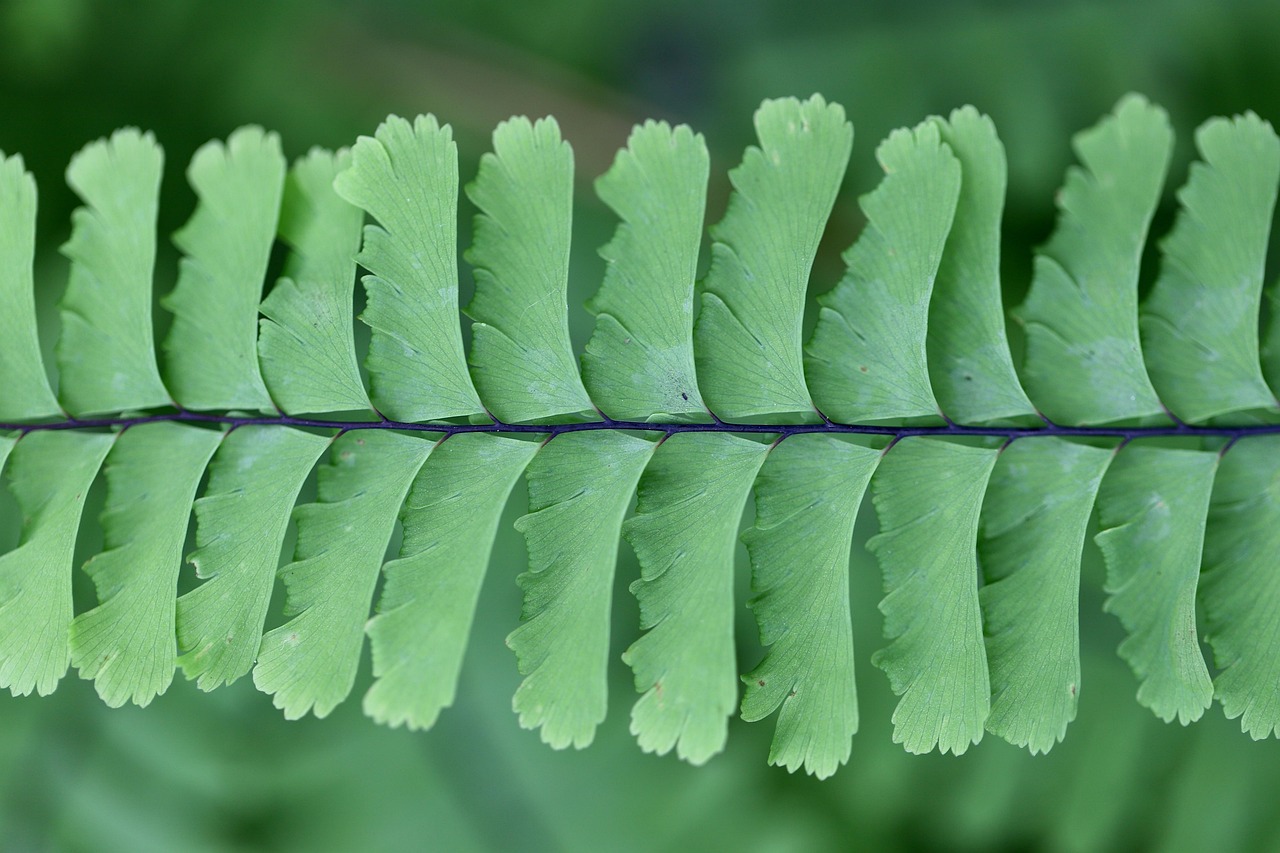
Troubleshooting Common Issues and Maintenance
Maidenhair ferns are notoriously sensitive to their environment, but most issues stem from simple imbalances in moisture or humidity. If your fern begins losing fronds, your first step should be to evaluate the soil moisture and ambient air conditions. These plants thrive on consistency; sudden shifts in their surroundings often trigger leaf drop.
Use these indicators to diagnose your plant’s health:
- Yellowing leaves: This is frequently a sign of overwatering or poor drainage. Ensure your pot has adequate drainage holes and never allow the fern to sit in standing water, which can lead to root rot.
- Brown, crispy edges: This almost always indicates that the air is too dry. Maidenhair ferns require high humidity. Increase moisture levels by placing the plant on a pebble tray filled with water or using a room humidifier.
- Wilting despite moist soil: If the soil is damp but the plant looks limp, the root system may be compromised. Check for signs of decay and ensure the potting medium is light and well-aerated.
Maintenance goes beyond just watering. To keep your fern healthy, regularly remove dead or damaged fronds using clean, sharp scissors. Always sanitize your pruning tools with rubbing alcohol between uses to prevent the spread of fungal spores or pathogens, which these delicate ferns are particularly susceptible to.
If you notice persistent pests, such as scale or aphids, or if the plant fails to show signs of recovery after you have adjusted its environment, do not hesitate to seek professional help. Bring a photo of your fern to a local nursery; experts can often identify specific mineral deficiencies or pest infestations that are difficult to spot at home. Remember that recovery is a slow process for this species. Once you have corrected the environmental stressors, provide the plant with stable, indirect light and steady humidity, and it should eventually push out new, vibrant growth. Patience is the most important tool in your gardening kit when nursing a maidenhair fern back to health.

Dedicated team of gardening enthusiasts with years of hands-on experience testing lawn mowers, gardening tools, and outdoor equipment. We help home gardeners and professionals alike make informed buying decisions with honest, thorough reviews. From push mowers to pruning shears, we test it all so you don’t have to. Got a gardening tool you’d like us to review? Get in touch!