
To care for a maidenhair fern, you must provide consistent moisture and high humidity levels. These plants thrive when kept in bright, indirect light away from harsh, drying drafts. By mimicking their natural forest floor environment, you can successfully maintain their delicate, fan-shaped fronds and keep your plant lush and healthy indoors.
Maidenhair ferns are widely prized for their elegant appearance, but they have a reputation for being notoriously finicky. While they are not the easiest houseplants for beginners, understanding their specific environmental triggers makes them manageable. With a little patience and the right routine, you can prevent browning fronds and encourage steady, vibrant growth.
This guide simplifies their complex care requirements into actionable steps. We will focus on the essential light, humidity, and water needs that help these elegant plants flourish in your home. Read on to discover the practical techniques and expert tips necessary to master maidenhair fern care and keep your collection looking its absolute best.
Understanding the Ideal Environment
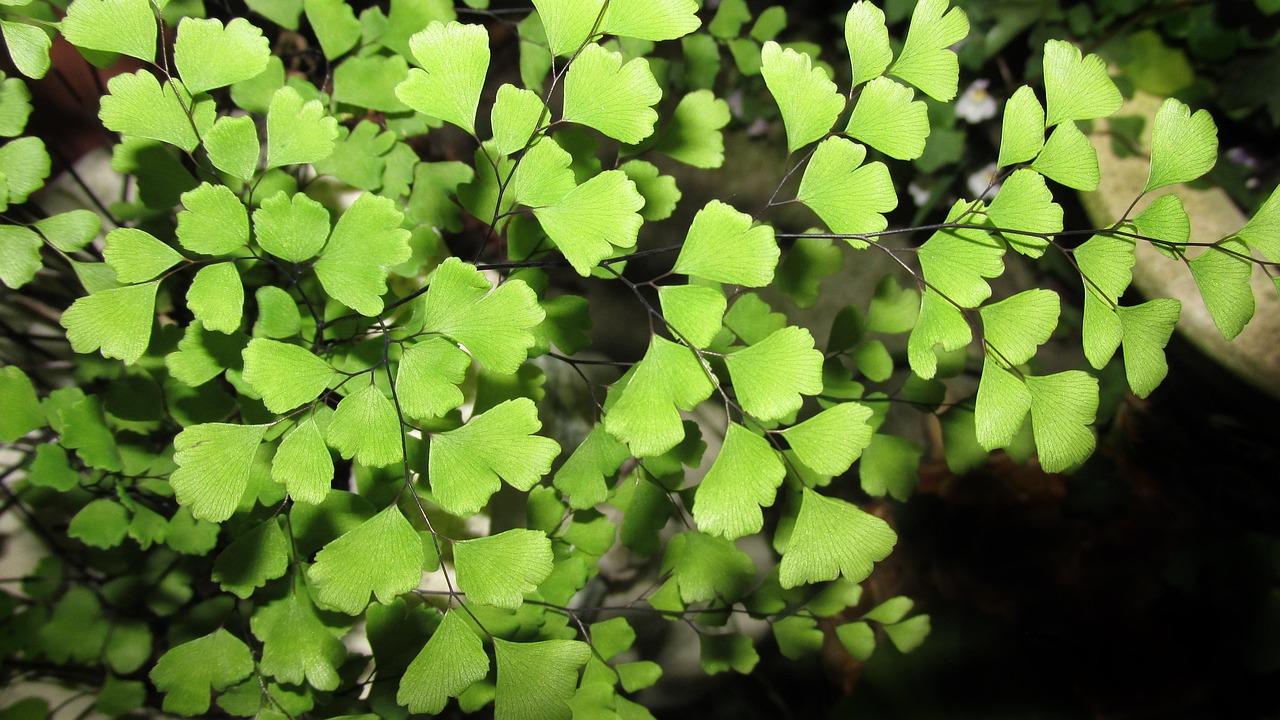
Maidenhair ferns (Adiantum) are native to moist, shaded forest floors, where they thrive under the canopy of larger trees. To keep your fern healthy indoors, you must replicate this delicate balance of high humidity, consistent moisture, and filtered light. Understanding these environmental needs is the first step toward preventing crispy, brown fronds.
The most important factor is light. Your maidenhair fern requires bright, indirect light to thrive. Place the plant near a window with a sheer curtain or in a spot that receives soft morning light. Avoid direct sunlight at all costs; the fragile, lace-like leaves will scorch and turn brittle within hours if exposed to harsh, midday rays.
Temperature stability is equally critical. These plants are sensitive to sudden environmental shifts and do not tolerate fluctuations well. To ensure your fern remains lush, follow these placement guidelines:
- Keep the plant away from cold drafts, such as those near entryways or drafty windows.
- Avoid placing the pot directly in the path of air conditioning vents or heating units, as these dry out the air rapidly.
- Maintain a consistent room temperature between 60°F and 75°F (15°C–24°C).
Because these ferns evolved in humid forest environments, they struggle in the dry air common in most modern homes. If your indoor humidity levels drop below 50%, the foliage will quickly lose its vibrant green color. To combat this, consider grouping your maidenhair fern with other moisture-loving plants to create a microclimate, or place the pot on a tray filled with pebbles and a small amount of water. Ensure the bottom of the pot sits above the water line to prevent root rot.
By mimicking the sheltered, humid conditions of their natural habitat, you provide the stability these ferns crave. With the right placement, your maidenhair fern will reward you with a steady display of delicate, arching fronds that bring a touch of woodland elegance to your living space.
Mastering Watering and Humidity
Maidenhair ferns are notorious for their sensitivity to moisture levels. Unlike many other houseplants that prefer their soil to dry out between waterings, these delicate ferns require consistent, even dampness. If the soil dries out completely, the fronds will quickly turn crisp, brown, and brittle. Conversely, avoid waterlogging the pot, as sitting in standing water can lead to root rot. Always check the top inch of soil with your finger; if it feels slightly dry, it is time to hydrate.
Humidity is just as critical as soil moisture. Native to shaded, damp forest floors, these plants struggle in the dry air of modern homes. To maintain the lush, vibrant green foliage they are known for, try these practical strategies:
- Bathroom Placement: The steam from daily showers makes the bathroom an ideal environment for a maidenhair fern.
- Pebble Trays: Fill a shallow tray with pebbles and water, then set the pot on top. Ensure the base of the pot sits above the water line to prevent root saturation while increasing ambient humidity.
- Plant Grouping: Clustering your ferns with other moisture-loving plants creates a localized microclimate where transpiration helps keep the air around the leaves humid.
Even with perfect care, you may occasionally notice a few brown or dead fronds. These are a natural part of the plant’s life cycle. When you spot them, remove them promptly to keep the plant looking its best and to direct energy toward new growth. Use sharp, sterilized pruning shears for this task. Cleaning your blades with rubbing alcohol before each use is a simple, effective way to prevent the spread of fungal or bacterial diseases.
If your fern begins to look sparse, do not panic. Simply trim back the dead growth and maintain a steady watering schedule. With patience and a commitment to consistent moisture, your maidenhair fern will often produce a flush of fresh, delicate new fronds.
Soil and Fertilization Needs
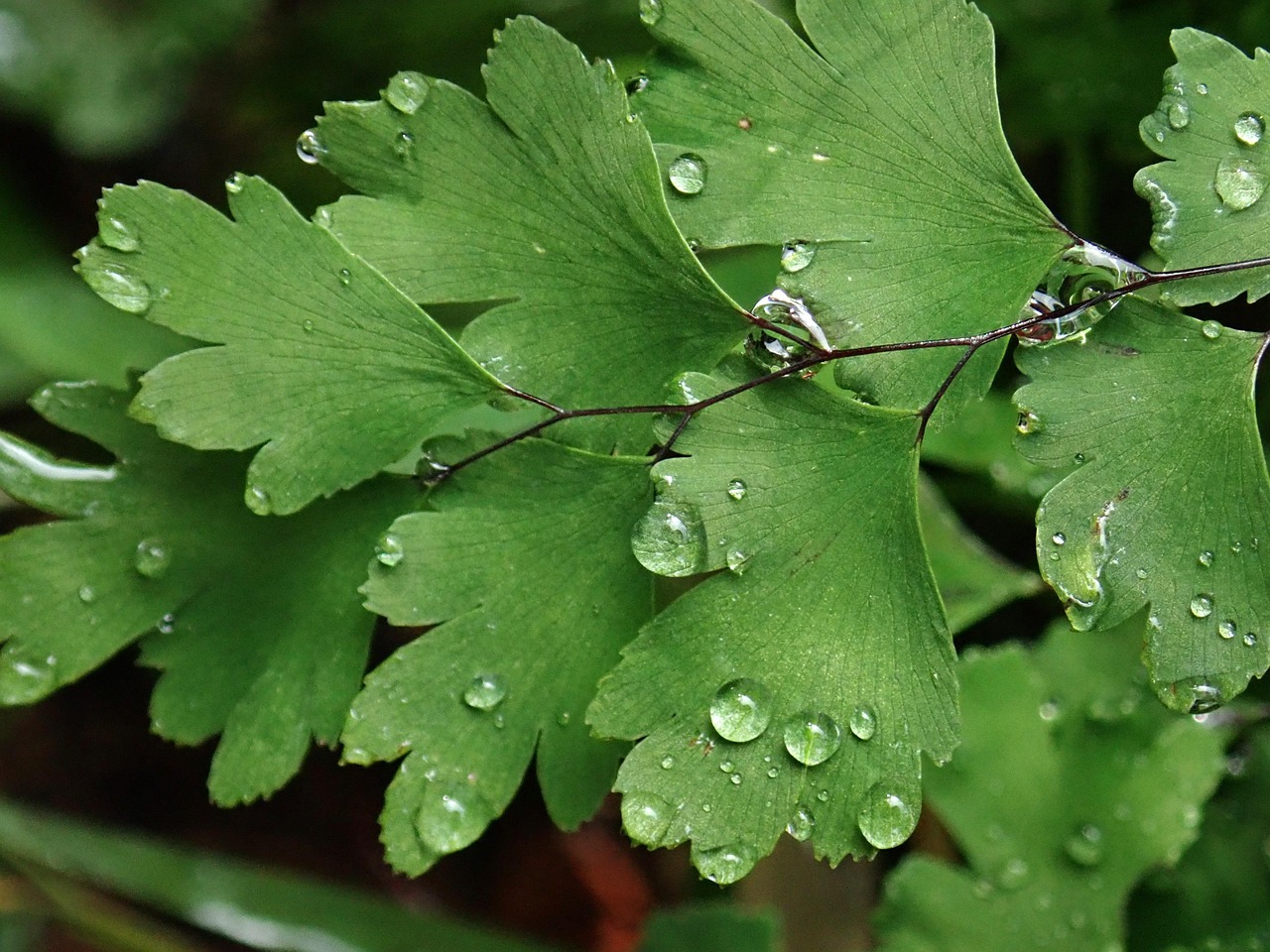
Maidenhair ferns (Adiantum) have delicate, thin fronds that thrive when their root systems are kept consistently moist but never waterlogged. Because these plants are sensitive to root rot, the foundation of your care routine must be a high-quality, well-draining potting medium.
The ideal soil environment for a maidenhair fern should be loose, airy, and rich in organic matter. A peat-based mix is highly recommended because it retains the necessary moisture to keep the plant hydrated while preventing the soil from becoming overly compacted, which would otherwise suffocate the fine, hair-like roots.
To create or maintain the perfect growing environment, consider these soil management tips:
- Use a mix specifically formulated for ferns or African violets, which typically contains peat moss, perlite, and vermiculite.
- Ensure your pot has adequate drainage holes to allow excess water to escape freely.
- If your soil starts to feel dense or hard, repot the fern in fresh medium to restore proper aeration.
Regarding fertilization, maidenhair ferns are light feeders. Providing too many nutrients can quickly lead to salt buildup in the soil, which often manifests as brown, crispy tips on your fern’s delicate foliage. To keep your plant healthy without causing chemical burn, follow this simple feeding schedule during the active growing season:
During spring and summer, apply a balanced, water-soluble fertilizer once a month. Crucially, always dilute the fertilizer to half-strength. If the manufacturer suggests one teaspoon per gallon, use only half a teaspoon. This gentle approach provides the fern with the essential nitrogen, phosphorus, and potassium it needs to produce new growth without overwhelming its sensitive root system.
Avoid fertilizing entirely during the autumn and winter months when the plant’s growth naturally slows down. During this dormant period, the fern requires only minimal moisture and no additional nutrients. By focusing on a light, consistent feeding routine and a breathable soil structure, you will provide the stability your maidenhair fern needs to stay lush and vibrant throughout the year.
Pruning and Maintenance Safety
Maidenhair ferns are delicate plants that require consistent maintenance to thrive. Regularly removing brown, yellow, or withered fronds is essential, as this directs the plant’s energy toward producing healthy new growth rather than trying to sustain dying foliage. A well-pruned fern not only looks more vibrant but also benefits from improved air circulation throughout its canopy.
When you are ready to prune, use a pair of clean, sharp scissors or pruning shears. Avoid tearing or pulling the delicate stems by hand, as this can damage the crown of the plant. Instead, make clean cuts as close to the soil line as possible. Always handle your tools with care to avoid accidental nicks or cuts during the process.
To keep your maintenance routine safe and effective, follow these best practices:
- Sanitize your tools: Wipe your scissors or shears with rubbing alcohol before and after pruning to prevent the spread of pathogens between your houseplants.
- Monitor for pests: While pruning, inspect the undersides of the fronds for common pests like scale or aphids. Early detection makes treatment much easier.
- Protect your skin: If you are working with potting soil that may contain dust, perlite, or fungal spores, consider wearing gardening gloves. This is especially important if you have sensitive skin or a history of contact dermatitis.
- Manage respiratory health: If you have respiratory concerns or allergies, work in a well-ventilated area when refreshing soil or repotting. If the soil is particularly dry and dusty, lightly mist the surface with water before you begin to minimize airborne particles.
After pruning, ensure your fern is placed in a spot with high humidity and indirect light. Proper maintenance is a balance of gentle handling and consistent care. By keeping your tools sharp and your environment clean, you provide your maidenhair fern with the best possible conditions to recover quickly and flourish in your home.
Troubleshooting and Common Care Questions
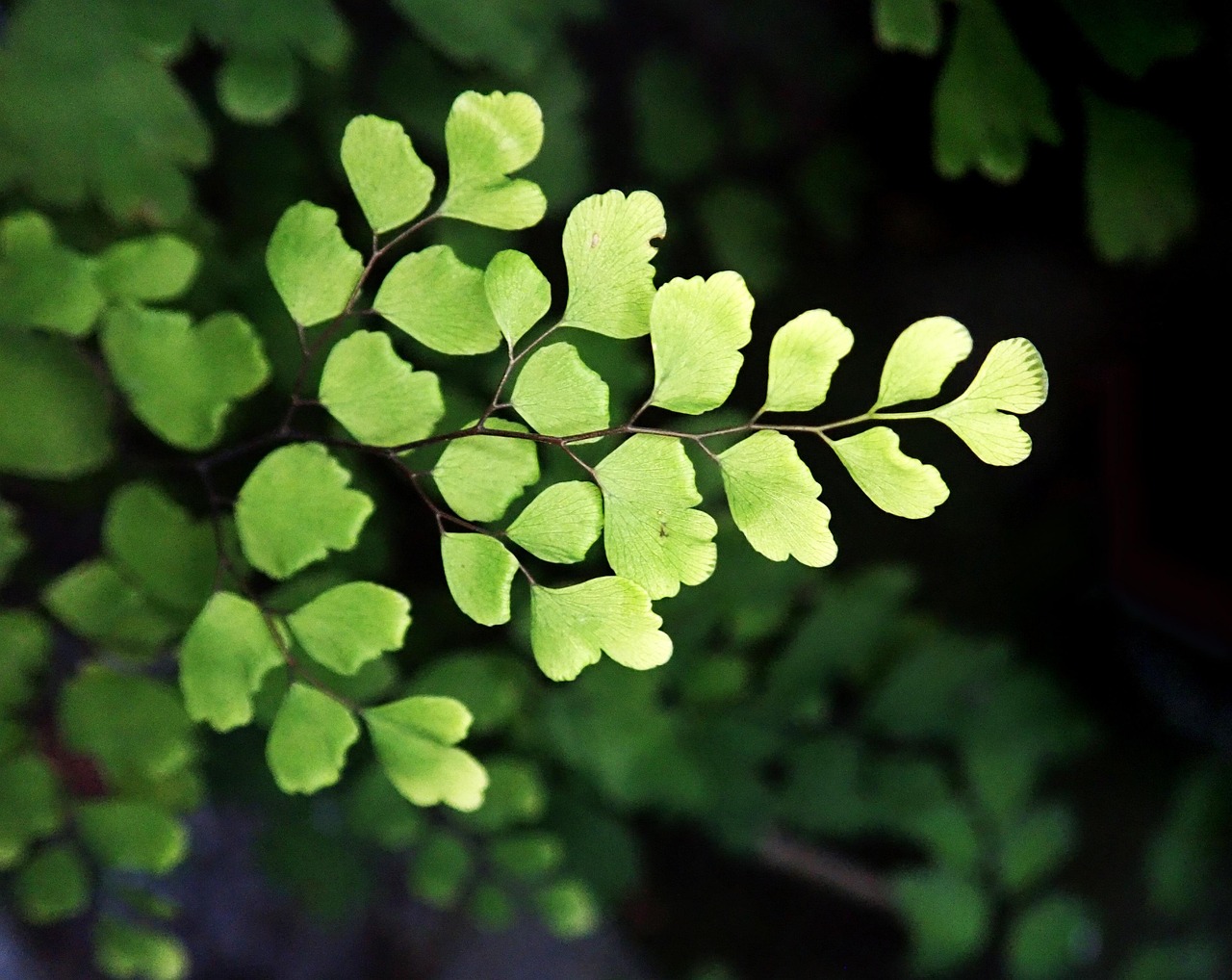
Maidenhair ferns are notoriously sensitive to their environment, often signaling distress through their delicate foliage. Understanding these visual cues is the first step toward restoring your plant’s health.
If you notice yellowing leaves, the most common culprit is overwatering. These ferns prefer consistently moist soil, but they cannot tolerate sitting in standing water. Ensure your pot has adequate drainage holes and allow the top inch of soil to dry slightly before watering again.
Conversely, crispy or browning fronds usually indicate low humidity or underwatering. Maidenhair ferns thrive in high-humidity environments like bathrooms or kitchens. If your home is dry, consider these steps to improve conditions:
- Group your fern with other plants to create a microclimate.
- Place the pot on a tray filled with pebbles and water, ensuring the bottom of the pot sits above the water line.
- Use a humidifier nearby during winter months when indoor air is typically parched.
It is common for owners to panic if a fern loses all its fronds, but do not discard the plant immediately. Even if the visible foliage is dead, the underground rhizomes may still be alive. Trim back the dead stems, keep the soil lightly moist, and place the pot in a warm, indirect light location. With patience, you may see new, fiddlehead-like growth emerge from the soil after a few weeks.
If you suspect more severe issues, such as a heavy pest infestation (like scale or mealybugs) or foul-smelling, mushy soil indicating root rot, take immediate action. Root rot is difficult to reverse once it reaches an advanced stage, and systemic pests can quickly spread to your other houseplants. In these instances, consult a local nursery professional. They can provide specific, localized advice on whether the plant can be salvaged through repotting or if specialized treatment is required to save the root system.

Dedicated team of gardening enthusiasts with years of hands-on experience testing lawn mowers, gardening tools, and outdoor equipment. We help home gardeners and professionals alike make informed buying decisions with honest, thorough reviews. From push mowers to pruning shears, we test it all so you don’t have to. Got a gardening tool you’d like us to review? Get in touch!