
Learning how to care for a Kalanchoe plant indoors is surprisingly simple because these succulents thrive with minimal intervention. To keep your plant healthy, place it in a spot with bright, indirect sunlight and allow the soil to dry out completely between waterings. These steps ensure your Kalanchoe remains vibrant and happy year-round.
Kalanchoe plants are popular indoor succulents known for their vibrant clusters of flowers and low-maintenance nature. While they are resilient, they do require specific conditions to produce those signature blooms repeatedly. Understanding their natural desert origins helps you avoid common mistakes like overwatering, which is the most frequent cause of houseplant decline.
This guide covers the essential light, water, and soil requirements to keep your Kalanchoe healthy and blooming throughout the year. We will explore practical tips for managing humidity, choosing the right potting mix, and encouraging new flower growth. Follow these straightforward instructions to master the art of indoor succulent care and enjoy long-lasting beauty.
Optimal Light and Temperature Requirements
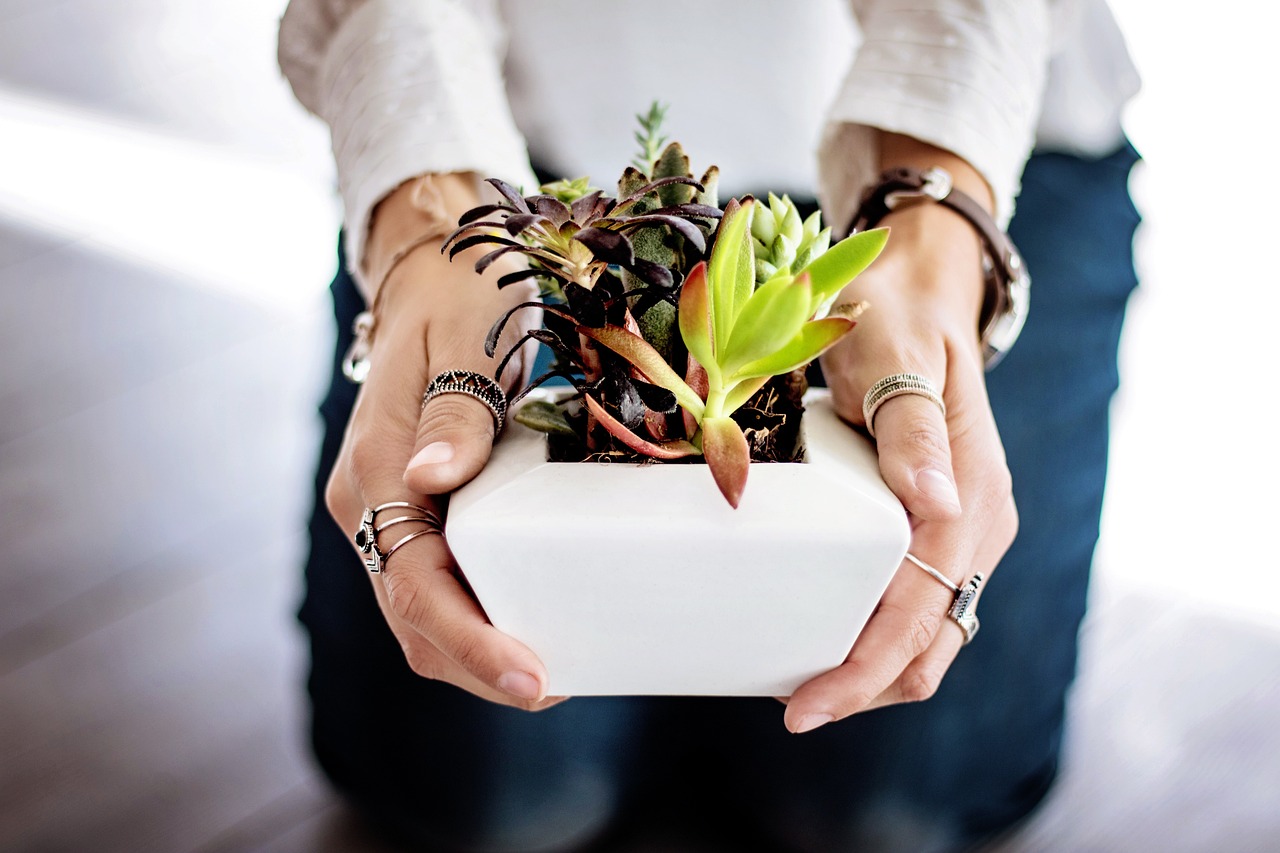
Kalanchoe plants are cherished for their vibrant blooms and succulent leaves, but their health depends heavily on getting the lighting conditions right. To help your plant thrive indoors, place it on a bright windowsill where it can receive several hours of indirect sunlight daily. A south- or west-facing window is usually ideal, provided the harsh afternoon sun is filtered through a sheer curtain to prevent leaf scorch.
If your Kalanchoe does not receive enough light, it will become “leggy,” meaning the stems will stretch out and lose their compact, bushy appearance. If you notice this happening, move the plant to a brighter location or supplement with a grow light to maintain its structural integrity.
Temperature management is equally vital for keeping your Kalanchoe healthy throughout the seasons. These plants prefer a consistent indoor climate, mirroring the moderate conditions of their native habitats. Follow these guidelines to ensure your plant stays comfortable:
- Ideal Temperature Range: Keep your home between 60 and 75 degrees Fahrenheit (15 to 24 degrees Celsius).
- Avoid Temperature Extremes: Do not place your plant near drafty windows, exterior doors, or air conditioning vents during the winter months.
- Keep Away from Heat Sources: Ensure your Kalanchoe is not sitting directly next to radiators, space heaters, or wood stoves. Dry, intense heat can dehydrate the foliage rapidly and cause the blooms to drop prematurely.
While Kalanchoes are resilient, they are sensitive to sudden temperature shifts. By maintaining a stable environment, you encourage the plant to focus its energy on flower production rather than stress recovery. If you are comfortable in your home, your Kalanchoe will likely be happy as well, provided it is kept out of the direct path of heating or cooling appliances. Regularly rotating the pot every few weeks will also ensure that all sides of the plant receive equal light, promoting even growth and a beautiful, symmetrical shape.
Watering Best Practices for Succulents
Because the Kalanchoe is a succulent, it is biologically designed to store moisture within its thick, waxy leaves. This adaptation allows the plant to thrive in dry conditions but makes it highly susceptible to root rot if it sits in soggy soil. Mastering your watering schedule is the most important step in keeping your Kalanchoe healthy indoors.
The golden rule for watering a Kalanchoe is to let the soil dry out significantly between sessions. Before adding more water, insert your finger about two inches deep into the potting mix. If you feel any moisture, wait a few more days. Only when the top two inches of soil are completely dry should you provide more water.
When you do water, follow these practical steps to ensure your plant stays rot-free:
- Use drainage holes: Never keep your Kalanchoe in a decorative pot that lacks drainage. Excess water must be able to escape the root zone freely.
- Water thoroughly: Pour water directly onto the soil rather than over the leaves. Continue until water begins to run out of the drainage holes at the bottom of the pot.
- Clear the saucer: This is a critical step often overlooked. After watering, wait about ten minutes for the excess to drain, then empty the saucer or tray underneath the pot. Never allow the plant to sit in standing water, as this will quickly lead to fungal issues and root decay.
During the winter months, your Kalanchoe will enter a period of slower growth. You should reduce your watering frequency during this time, as the plant requires less moisture when it is not actively producing new foliage. Always prioritize the dryness of the soil over a strict calendar schedule. If the leaves begin to look slightly wrinkled or limp, it is a sign that the plant is thirsty, but if the leaves turn yellow or mushy, you are likely watering too often. Adjust your routine based on these visual cues to maintain a thriving, long-lived houseplant.
Soil Selection and Repotting Safety
Choosing the right soil is the most critical step in preventing root rot, which is the primary cause of failure for indoor kalanchoes. Because these plants are succulents, they require a medium that allows water to pass through quickly rather than retaining moisture around the roots. Always use a high-quality potting mix specifically formulated for cacti or succulents. These blends typically contain extra perlite, pumice, or coarse sand to ensure optimal drainage and aeration.
When you decide to repot your kalanchoe—ideally during the active growing season in spring—you must prioritize both plant health and personal safety. Follow these best practices to ensure a smooth transition:
- Wear protective gloves: Kalanchoe sap can cause skin irritation or allergic reactions in some individuals. Gardening gloves create a necessary barrier between your skin and the plant’s tissues.
- Sanitize your tools: If you need to trim dead leaves or prune overgrown stems during the repotting process, use sharp, sterilized pruning shears. Wipe the blades with isopropyl alcohol before and after use to prevent the spread of pathogens.
- Handle with care: Use a gentle touch when removing the plant from its old container. If the roots are tightly bound, carefully loosen them with your fingers rather than pulling forcefully, which can damage the delicate root system.
- Avoid over-potting: Choose a new container that is only one size larger than the current one and features adequate drainage holes at the bottom. A pot that is too large will hold excess moisture, increasing the risk of rot.
After repotting, avoid watering the plant immediately. Wait three to five days to allow any damaged roots to callous over. This brief period of dryness helps prevent fungal infections and encourages the plant to establish itself securely in its new environment. By combining the correct soil composition with careful handling techniques, you create the ideal foundation for your kalanchoe to thrive indoors for years to come.
Encouraging Seasonal Blooms
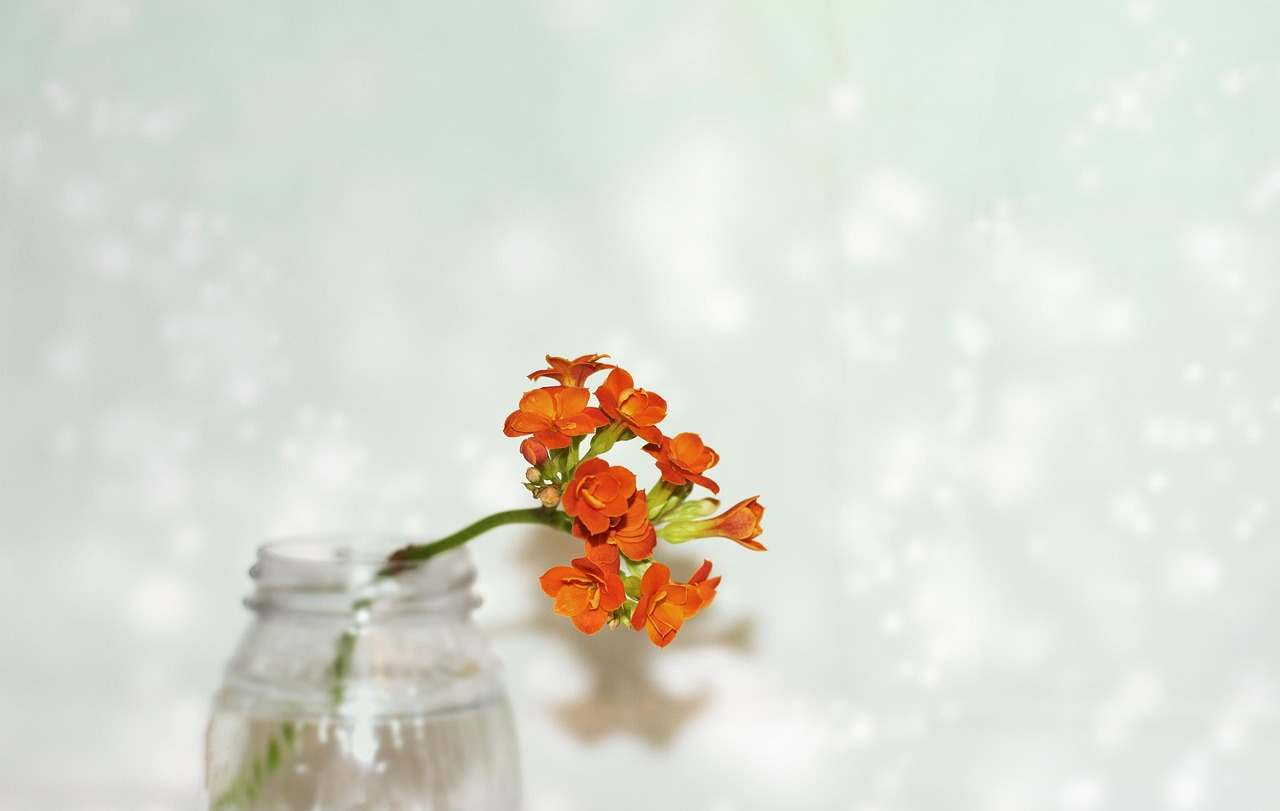
Kalanchoes are photoperiodic plants, which means their flowering cycle is triggered by the length of the light they receive. In their natural environment, these succulents bloom as days shorten during the winter months. If your indoor plant has stopped producing flowers, you can mimic these seasonal changes to encourage a new display of vibrant blossoms.
To successfully initiate blooming, your kalanchoe requires a period of strict light control. For approximately six weeks during the winter, the plant needs about 14 hours of total darkness every single day. During the remaining 10 hours, it should receive bright, indirect sunlight to maintain its health and energy levels.
Follow these steps to manage your plant’s light exposure effectively:
- Set a consistent schedule: Choose a specific time each evening to begin the darkness period, such as 6:00 PM, and uncover it at the same time each morning.
- Use a dark space: Place the pot in a completely dark closet or a room that is not used at night. Ensure there are no ambient light leaks from lamps or electronics.
- Use a cover: If you cannot move the plant, simply cover it with a cardboard box or a thick, opaque cloth each evening. Ensure the cover is breathable so the plant does not overheat or suffer from trapped humidity.
Consistency is the most important factor during this six-week window. Even brief exposure to artificial light during the “dark” hours can interrupt the process and prevent the plant from setting buds. Once you notice flower buds beginning to form, you can stop the forced darkness routine and return the kalanchoe to its regular spot in a bright window.
Remember to keep the soil slightly drier during this resting phase. Reducing water intake slightly while the plant is in its dark cycle helps prevent root rot and signals the kalanchoe that it is time to shift its energy from vegetative growth to flower production. With patience, you will be rewarded with a fresh flush of long-lasting blooms.

Troubleshooting Common Issues and Maintenance
Even with the best intentions, indoor kalanchoes can occasionally show signs of stress. Observing your plant closely allows you to intervene before minor issues become permanent damage. Most problems are directly related to the plant’s environment, specifically water and light levels.
If you notice yellowing leaves or mushy, soft stems, you are likely overwatering. Kalanchoes are succulents that store water in their foliage, making them highly susceptible to root rot in soggy soil. If this occurs, stop watering immediately and allow the soil to dry out completely. Ensure your pot has adequate drainage holes to prevent future water retention.
Leggy growth, where the stems stretch out and become sparse, is a clear signal that your plant is not receiving enough sunlight. While kalanchoes enjoy bright, indirect light, they will reach toward the nearest light source if starved. Move your plant to a brighter windowsill, ideally one facing south or west, to encourage compact, bushy growth.
Beyond light and water, keep these maintenance tips in mind:
- Pet Safety: Kalanchoe is toxic to cats and dogs if ingested. Always place your plant on a high shelf or in a room inaccessible to curious pets.
- Pest Management: If you spot white, cottony patches on the stems or undersides of leaves, you likely have mealybugs. Isolate the plant immediately to protect your other greenery.
- Treatment: For persistent infestations, avoid harsh chemicals. Contact a local nursery to ask about organic insecticidal soaps or neem oil treatments specifically formulated for indoor succulents.
Regularly grooming your plant by removing spent flowers and dead leaves will also keep it looking tidy and encourage new blooms. By keeping a watchful eye on these common indicators, you can ensure your kalanchoe remains a vibrant, healthy addition to your indoor space for years to come. Remember, consistency is the key to success with these resilient, low-maintenance succulents.

Dedicated team of gardening enthusiasts with years of hands-on experience testing lawn mowers, gardening tools, and outdoor equipment. We help home gardeners and professionals alike make informed buying decisions with honest, thorough reviews. From push mowers to pruning shears, we test it all so you don’t have to. Got a gardening tool you’d like us to review? Get in touch!