
To care for Kalanchoe blossfeldiana, place your plant in bright, indirect sunlight and allow the soil to dry out completely between waterings. This popular, low-maintenance succulent is prized for its vibrant clusters of flowers and thick, waxy green leaves. By mimicking its natural environment, you can easily keep this cheerful bloomer healthy and thriving indoors year-round.
While these plants are remarkably resilient, they do require specific conditions to produce those signature colorful blooms repeatedly. Understanding their succulent nature is key, as they store moisture within their foliage and are highly susceptible to root rot if overwatered. With the right balance of light and drainage, you can enjoy these stunning plants for many seasons.
This guide provides practical, step-by-step advice on light, water, and maintenance to help your plant thrive indoors. We will walk you through essential techniques for pruning spent flowers, choosing the correct potting mix, and identifying common signs of stress. Follow these simple tips to ensure your Kalanchoe remains a vibrant, healthy centerpiece in your home gardening collection.
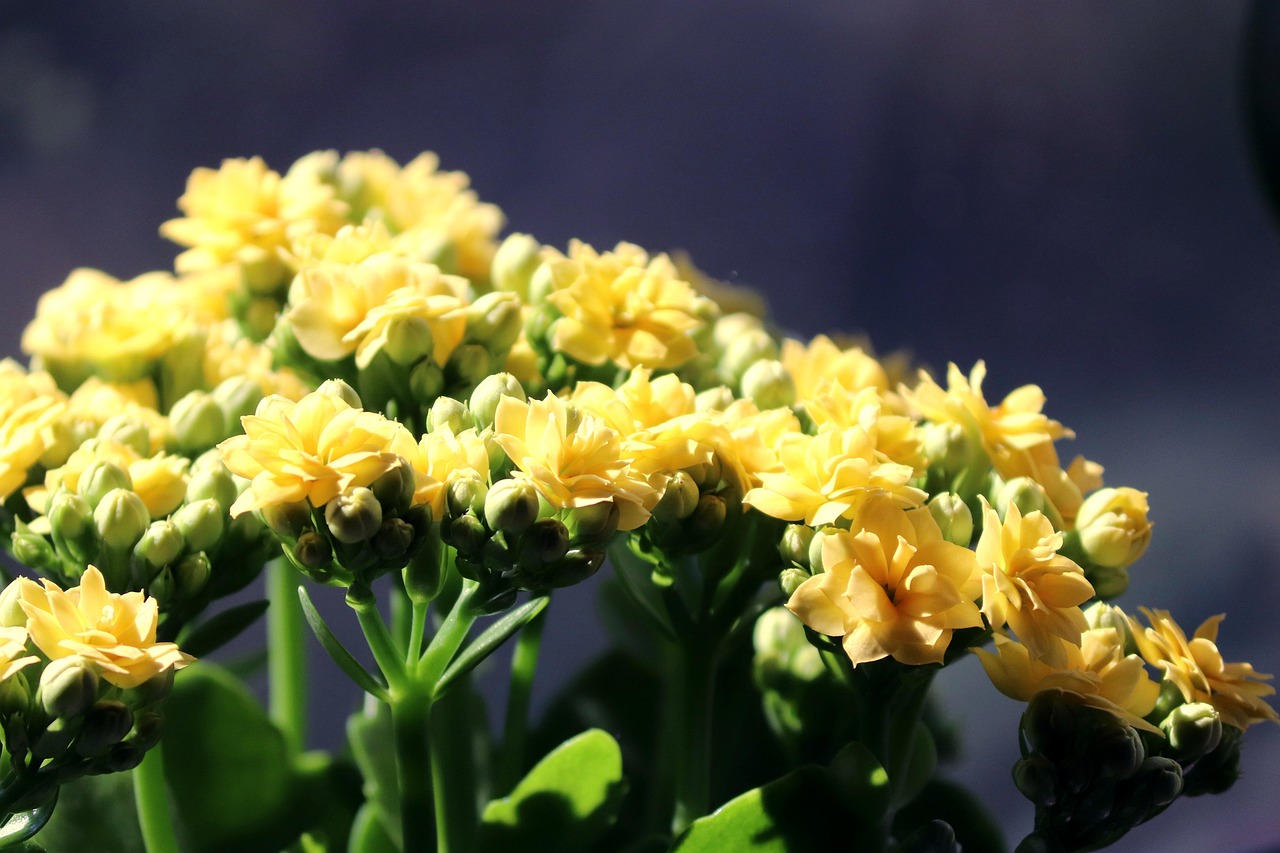
Ideal Light and Temperature Requirements
To keep your Kalanchoe blossfeldiana healthy and blooming, light is the most critical factor. This succulent thrives in bright, indirect sunlight. The ideal spot in your home is near a south- or west-facing window, where the plant can soak up plenty of natural light throughout the day.
Be careful to avoid harsh, direct sun, especially during the peak of summer. Intense afternoon rays can easily scorch the succulent’s fleshy leaves, leaving unsightly brown patches. If you notice the leaves turning pale or the stems becoming long and “leggy,” your plant is likely searching for more light and should be moved to a brighter location.
Temperature control is equally important for maintaining the plant’s vigor. Kalanchoe blossfeldiana prefers a stable environment that mimics its natural tropical habitat. To ensure optimal growth, aim for the following conditions:
- Temperature Range: Keep your home between 60°F and 75°F (15°C to 24°C).
- Draft Avoidance: Place your plant away from cold window drafts, air conditioning vents, or heating ducts, as sudden temperature fluctuations can shock the plant and cause flower buds to drop prematurely.
- Seasonal Shifts: While the plant is hardy, it does not tolerate frost. If you keep your kalanchoe outdoors during warmer months, be sure to bring it inside well before the first autumn chill.
Consistency is key when managing these requirements. While the plant is relatively forgiving, providing a steady, bright environment will encourage a more compact growth habit and a longer, more vibrant blooming season. If you find that your home lacks sufficient natural light, you can supplement with a standard LED grow light, keeping the fixture a few inches above the foliage to prevent heat damage. By balancing these specific light and temperature needs, you create the perfect foundation for a thriving, long-lived kalanchoe that rewards you with clusters of colorful, long-lasting flowers year after year.
Watering and Soil Best Practices
As a succulent, Kalanchoe blossfeldiana is uniquely adapted to store moisture within its fleshy, waxy leaves. Because of this internal water reservoir, the plant is highly susceptible to root rot if it sits in soggy soil for too long. Mastering your watering routine is the most critical step in keeping your kalanchoe healthy and vibrant.
The golden rule for kalanchoe care is to allow the soil to dry out significantly between waterings. Before you reach for your watering can, check the moisture level by inserting your finger into the soil. You should allow the top two inches of the potting medium to dry out completely. If the soil still feels damp or cool to the touch, wait a few more days before watering again.
When it is time to water, follow these practical steps to ensure success:
- Use drainage holes: Never plant your kalanchoe in a container without drainage holes. If your decorative pot lacks them, keep the plant in its plastic nursery liner and place that inside the decorative cover.
- Water thoroughly: Pour water directly onto the soil, avoiding the foliage as much as possible. Continue until water begins to run freely out of the bottom drainage holes.
- Discard excess water: Never let the pot sit in a saucer of standing water. Empty the saucer immediately after the pot has finished draining to prevent the roots from suffocating.
Your choice of soil is just as important as your watering schedule. Standard potting soil often retains too much moisture, which can quickly lead to fungal issues. Instead, use a specialized potting mix designed specifically for cacti or succulents. These blends are formulated with extra perlite, sand, or pumice to promote rapid drainage and proper aeration. If you find your current soil stays wet for more than a week, consider repotting into a grittier mixture to protect the root system from decay.

Pruning and Maintenance Safety
Consistent maintenance is the secret to keeping your Kalanchoe blossfeldiana blooming throughout the season. By regularly removing faded or spent flower heads, you redirect the plant’s energy away from seed production and back into developing new, vibrant buds. This simple practice ensures your plant remains tidy and encourages a more prolific second bloom.
When it is time to prune, precision is essential for the health of the plant. Always use sharp, clean garden shears to make your cuts. Dull blades can crush stems, creating ragged wounds that take longer to heal and may become entry points for pests or fungal infections. To maintain a sterile environment, wipe your shear blades with a cloth soaked in rubbing alcohol before and after each pruning session to prevent the potential spread of pathogens between plants.
Safety should be a priority during any maintenance task. While Kalanchoe blossfeldiana is a popular indoor succulent, it contains sap that can cause contact dermatitis or skin irritation in sensitive individuals. To protect yourself, follow these best practices:
- Wear gloves: Always put on a pair of gardening gloves before handling the plant to create a protective barrier against the sap.
- Avoid eye contact: Be mindful not to touch your face or eyes while pruning, as the sap can cause significant irritation.
- Wash thoroughly: Once you finish your gardening session, wash your hands and any exposed skin with soap and water, even if you wore gloves.
- Supervise pets: Keep curious pets and small children away from the area while you are pruning, as the plant is toxic if ingested.
By incorporating these careful habits into your routine, you protect both your own health and the longevity of your kalanchoe. A little bit of intentional care goes a long way in ensuring your plant remains a healthy, flourishing centerpiece in your home.
Encouraging Reblooming
One of the most rewarding aspects of caring for Kalanchoe blossfeldiana is coaxing it to produce a second flush of vibrant flowers. Because this succulent is a photoperiodic “short-day” plant, it relies on specific light cycles to transition from its vegetative growth phase into its reproductive blooming phase.
In nature, these plants respond to the lengthening nights of autumn. To replicate this cycle indoors and trigger new buds, you must strictly control the plant’s light exposure for approximately six weeks.
Follow this routine to encourage reblooming:
- Consistent Darkness: Provide your Kalanchoe with 14 hours of absolute, uninterrupted darkness every night. Even a small amount of light from a lamp or streetlamp can disrupt the process and prevent bud formation.
- Strategic Placement: During the 14-hour dark period, place the plant in a completely dark closet, a spare room, or cover it with a light-proof box or heavy cloth.
- Daytime Light: During the remaining 10 hours of the day, move the plant back to a bright, sunny location. A south-facing window is ideal, as it provides the energy the plant needs to develop healthy buds.
- Maintain Care: Continue your regular watering schedule, but be careful not to overwater while the plant is in its dark cycle, as it will be growing more slowly.
After six weeks of this regimen, you should notice small flower buds beginning to form. Once the buds are clearly visible and starting to show color, you can stop the dark-treatment cycle and return the plant to its permanent spot in your home. Ensure it continues to receive plenty of bright, indirect sunlight to support the developing blooms. If the plant remains healthy but refuses to bloom, verify that it is not being exposed to any stray artificial light during its “night” hours, as even minor light pollution can reset the plant’s internal clock and delay the flowering process.
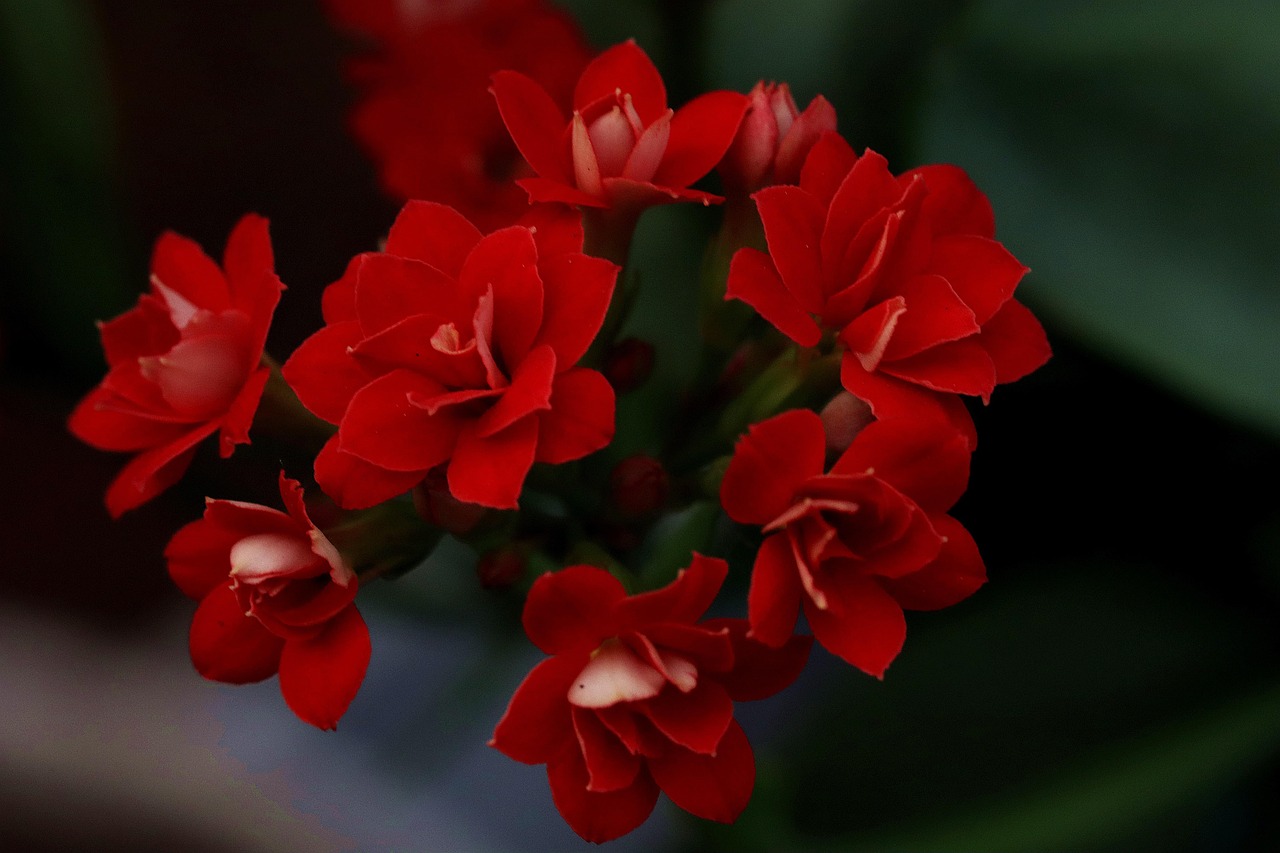
Common Questions and Troubleshooting
Even with the best intentions, your Kalanchoe blossfeldiana may occasionally show signs of stress. Most issues are easily corrected once you identify the cause, as these succulents are resilient and responsive to care adjustments.
If you notice yellowing leaves or soft, mushy stems, you are likely overwatering. Kalanchoes store water in their foliage and prefer to dry out between waterings. To fix this, allow the top two inches of soil to become completely dry before adding more moisture, and ensure your pot has adequate drainage holes to prevent root rot.
If your plant becomes leggy, with long, sparse stems and wide gaps between leaves, it is not receiving enough light. While they enjoy bright, indirect sunlight, they will stretch toward the nearest light source if they are kept in a dim corner. Move your plant to a south- or west-facing window to encourage compact, bushy growth.
For persistent issues like pests, such as aphids or mealybugs, take immediate action to prevent an infestation from spreading:
- Manual Removal: Gently wipe the leaves and stems with a soft, damp cloth to remove visible insects.
- Insecticidal Soap: If the pests return, apply a mild insecticidal soap specifically formulated for houseplants, following the label instructions carefully.
- Isolation: Keep the affected plant away from your other greenery until you are certain the pests have been eradicated.
Sometimes, despite your best efforts, a plant may fail to thrive. If the foliage remains shriveled or the stems appear stunted despite proper light and water, there may be an underlying issue with soil quality or root health. If you are unsure about your plant’s specific diagnosis, consult a local nursery professional. They can provide tailored advice based on your local climate and the specific potting medium you are using, ensuring your Kalanchoe returns to its vibrant, blooming self.

Dedicated team of gardening enthusiasts with years of hands-on experience testing lawn mowers, gardening tools, and outdoor equipment. We help home gardeners and professionals alike make informed buying decisions with honest, thorough reviews. From push mowers to pruning shears, we test it all so you don’t have to. Got a gardening tool you’d like us to review? Get in touch!