
Indoor cacti are popular for their unique aesthetics and low-maintenance nature. This guide explains how to provide the right light, water, and soil conditions to help your indoor cactus thrive and stay healthy year-round. By following these simple steps, you can easily master the art of keeping these desert plants happy indoors.
While cacti are famously resilient, they are not entirely indestructible. Many beginners struggle because they treat these succulents like traditional houseplants, often leading to overwatering and root rot. Understanding their specific environmental needs is the secret to success. With the right approach, even novice gardeners can enjoy these striking, architectural plants for years.
In the following sections, we break down everything you need to know about professional plant care. We will cover how to identify the best sunny spots in your home, the importance of proper drainage, and a seasonal watering schedule. Get ready to transform your space with healthy, vibrant cacti that truly flourish under your care.

The Importance of Proper Light and Placement
Cacti are desert-native plants that require significant light to maintain their structural integrity and health. Unlike many common houseplants that prefer indirect or filtered light, most cacti thrive when exposed to bright, direct sunlight for the majority of the day. Providing inadequate light is the most common cause of poor growth and long-term decline in indoor specimens.
To ensure your cactus receives the energy it needs, follow these placement guidelines:
- Prioritize South or West-facing windows: These locations typically offer the most intense, consistent sunlight throughout the day.
- Aim for six hours: Most cactus species require at least six hours of direct sun daily to remain compact and vibrant.
- Rotate regularly: If your cactus is on a windowsill, rotate the pot by a quarter turn every few weeks to promote even growth and prevent the plant from leaning heavily to one side.
If your home lacks a bright, sun-drenched window, you may notice your cactus becoming “etiolated.” This occurs when the plant stretches toward a distant light source, resulting in thin, pale, and weak stems that cannot support the plant’s weight. Once a cactus has etiolated, that specific growth will not revert to its original shape, making prevention essential.
For homes with limited natural light, supplemental lighting is a highly effective solution. Full-spectrum LED grow lights are ideal for indoor gardening because they provide the specific light wavelengths necessary for photosynthesis without producing excessive heat. Position the grow light approximately 6 to 12 inches above the top of the cactus and keep it running for 8 to 12 hours a day.
Monitor your plant’s appearance closely during the first few weeks of placement. If the skin of the cactus begins to look bleached or develops dry, brown patches, it may be receiving too much intense heat through the glass. In such cases, move the plant slightly further from the window or use a sheer curtain to diffuse the harshest midday rays while maintaining high light levels.
Watering Techniques for Indoor Cacti
Overwatering is the leading cause of indoor cactus failure. Because these plants are native to arid environments, their root systems are highly susceptible to rot if left in consistently damp soil. To keep your cactus healthy, you must prioritize proper moisture management.
The golden rule of cactus care is to only water when the soil is completely dry. Before adding water, insert a wooden skewer or your finger at least two inches into the potting mix. If you feel any moisture, wait a few more days. Never water on a strict schedule, as light levels, humidity, and temperature will change how quickly your plant dries out.
During the active growing season in spring and summer, follow these steps for effective hydration:
- Water the soil directly, avoiding the body of the cactus to prevent fungal issues.
- Continue pouring until water begins to flow freely from the drainage holes at the bottom of the pot.
- Allow the pot to sit for 15 minutes, then discard any excess water collected in the saucer. Never let the pot sit in standing water, as this will quickly suffocate the roots.
As autumn approaches and daylight hours decrease, your cactus will enter a period of winter dormancy. During these cooler months, the plant’s metabolism slows significantly, and it requires very little moisture. You should reduce your watering frequency drastically—often to just once a month or even less, depending on your home’s climate.
If you notice the stem beginning to shrivel slightly, it is a natural sign that the plant is using up its stored water reserves. Do not panic and overcompensate with a heavy soak. A small amount of water is usually sufficient to carry the plant through to spring. By mimicking these natural seasonal cycles, you ensure your indoor cactus remains resilient and healthy throughout the year.
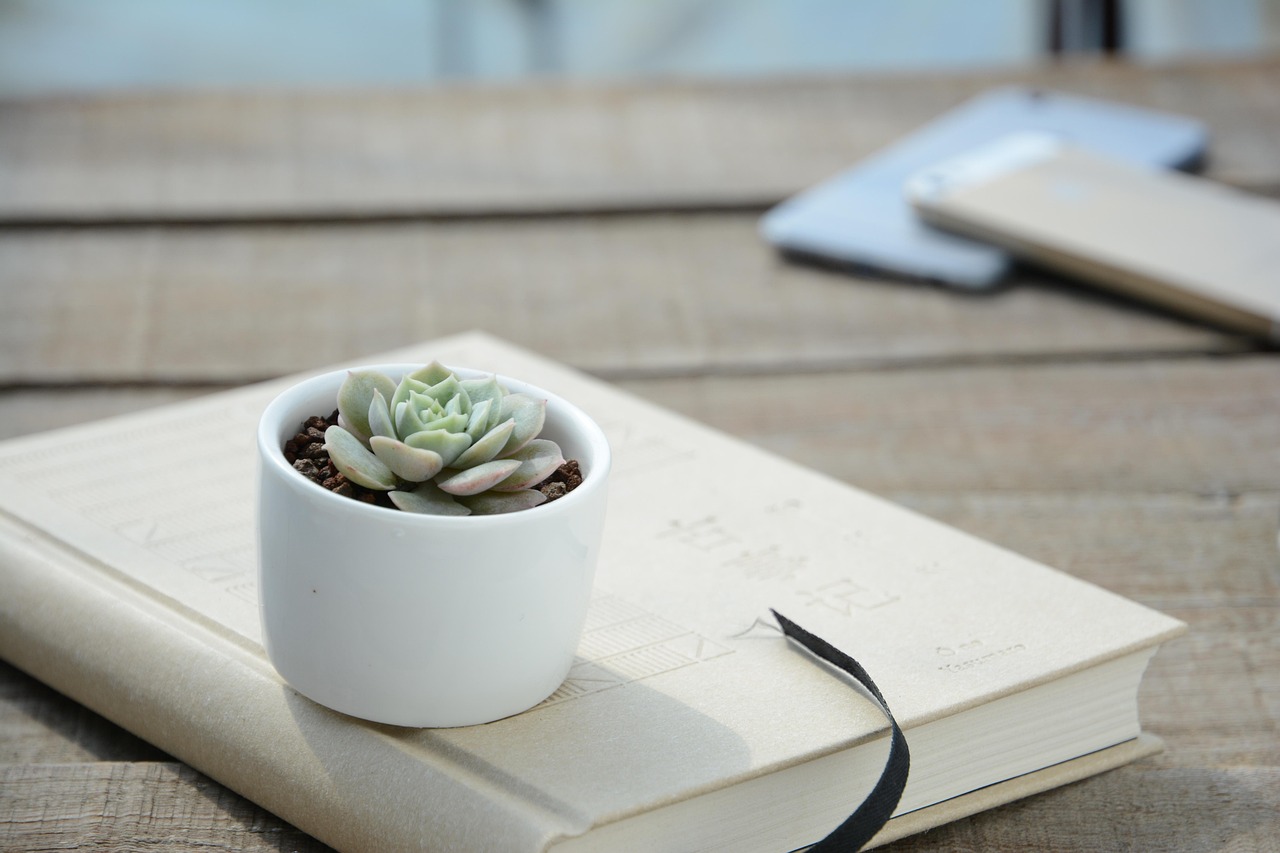
Choosing the Right Soil and Container
The foundation of a healthy indoor cactus begins with the right environment. Because cacti are native to arid climates, they are highly susceptible to root rot if their roots sit in damp, heavy soil. Providing the correct drainage is the single most important step in preventing plant death.
Always select a container that features at least one drainage hole at the bottom. While decorative pots without holes are aesthetically pleasing, they trap excess water, which quickly leads to fungal issues and root decay. If you must use a decorative cachepot, ensure the cactus is planted in a plastic nursery liner that can be removed for watering.
When it comes to soil, standard indoor potting mix is unsuitable. It is designed to retain moisture, which will suffocate a cactus. Instead, choose a specialized cactus or succulent potting mix. These blends are formulated to be fast-draining and porous. If you cannot find a pre-mixed bag, you can create your own by amending standard potting soil with the following materials:
- Perlite or Pumice: These volcanic rocks create air pockets within the soil, allowing oxygen to reach the roots.
- Coarse Sand: Horticultural sand improves drainage and mimics the gritty texture of desert soil.
A good rule of thumb is to aim for a mixture that is roughly 50% organic matter and 50% inorganic material. When you repot your cactus, avoid packing the soil down too firmly. A loose, airy structure allows water to pass through the container quickly, ensuring the roots remain dry and healthy between waterings.
Finally, consider the material of the pot itself. Terracotta or unglazed clay pots are excellent choices for cacti because they are porous. This allows moisture to evaporate through the walls of the container, providing an extra layer of protection against overwatering. If you prefer glazed ceramic or plastic, be extra diligent about your watering schedule, as these materials do not allow the soil to breathe as effectively.
Essential Safety and Handling Tips
Handling indoor cacti requires a balance of care for both your skin and the plant’s delicate structure. Because many species are armed with sharp spines or hair-like glochids, prioritizing safety during maintenance is essential to avoid painful punctures and skin irritation.
Before you begin any repotting or pruning, always wear thick, puncture-resistant leather gardening gloves. Avoid using thin fabric or rubber gloves, as spines can easily penetrate these materials. If you are dealing with a particularly large or heavily armored specimen, consider these professional-grade handling techniques:
- Use a Newspaper Wrap: Fold several sheets of thick newspaper into a long, sturdy strip. Wrap this band around the body of the cactus to create a handle, allowing you to lift or reposition the plant without direct contact.
- Utilize Kitchen Tongs: For smaller cacti or those with tight clusters, a pair of silicone-tipped kitchen tongs provides excellent leverage and grip while keeping your fingers at a safe distance.
- Cardboard Shields: If you need to stabilize the plant while potting, use a piece of stiff cardboard to gently push or hold the cactus in place.
After handling your plants, inspect your skin closely. Some cacti have microscopic glochids that can break off and embed in the skin unnoticed. If you feel a stinging sensation, use a piece of adhesive tape or a pair of tweezers to carefully lift the tiny spines from the surface of your skin.
Finally, placement is a critical safety factor. Always position your cacti in areas that are inaccessible to small children and curious pets. Even “non-toxic” varieties can cause significant physical injury if knocked over or grabbed. By keeping your plants on high shelves or in designated plant rooms, you protect both the household members and the structural integrity of the cactus itself. Always treat every cactus as if it has hidden spines, even if the surface appears smooth, to ensure a stress-free gardening experience.

Troubleshooting Common Cactus Issues
Even with the best intentions, indoor cacti can face health challenges. Recognizing the early warning signs is key to keeping your succulent healthy and vibrant. Here is how to troubleshoot the most common issues.
Dehydration vs. Overwatering
If your cactus appears shriveled or wrinkled, it is likely thirsty and needs a thorough watering. However, be careful not to overcompensate. If the plant looks mushy, translucent, or shows dark discoloration at the base, you are likely dealing with overwatering or root rot. In these cases, stop watering immediately and allow the soil to dry out completely. If the base remains soft to the touch, the rot may be advanced.
Managing Pests
Indoor cacti are occasionally susceptible to pests, most notably mealybugs, which look like small, white, cottony tufts. If you spot them, act quickly to prevent an infestation:
- Dip a cotton swab in 70% isopropyl (rubbing) alcohol.
- Gently dab the alcohol directly onto the mealybugs to dissolve their protective coating.
- Monitor the plant daily for a week to ensure no new pests appear.
When to Seek Help
Sometimes, a cactus may stop growing or develop persistent soft spots that do not improve with drier conditions. If you notice severe rot spreading upward from the roots, the plant may require emergency intervention. In such cases, consult a local nursery expert. They can help you determine if the plant can be saved through careful repotting in fresh, well-draining soil or if specialized treatment is required.
Remember that cacti are slow-growing plants. A lack of visible growth is often normal, especially during the winter dormant season, and does not necessarily indicate a problem. Always prioritize proper light and drainage to prevent these issues from occurring in the first place.

Dedicated team of gardening enthusiasts with years of hands-on experience testing lawn mowers, gardening tools, and outdoor equipment. We help home gardeners and professionals alike make informed buying decisions with honest, thorough reviews. From push mowers to pruning shears, we test it all so you don’t have to. Got a gardening tool you’d like us to review? Get in touch!