
Learning how to care for a cilantro plant indoors is simple once you understand its specific environmental needs. You can easily enjoy fresh, aromatic herbs year-round right from your kitchen windowsill, even without a backyard garden. With the right approach to light and soil moisture, this flavorful herb will thrive in your home.
While cilantro can be a bit finicky due to its natural preference for cooler temperatures, it remains a rewarding plant for indoor growers. It grows quickly, but it also has a tendency to bolt if it gets too hot. Setting realistic expectations about its short lifecycle helps you plan successive plantings for a continuous harvest.
In this guide, we provide practical, actionable advice to help your indoor cilantro plants reach their full potential. We will cover the essential requirements for sunlight exposure, proper watering techniques, and the best harvesting methods to maximize your yield. Follow these steps to ensure your indoor herb garden remains healthy, vibrant, and ready for your favorite recipes.
Choosing the Right Pot and Soil
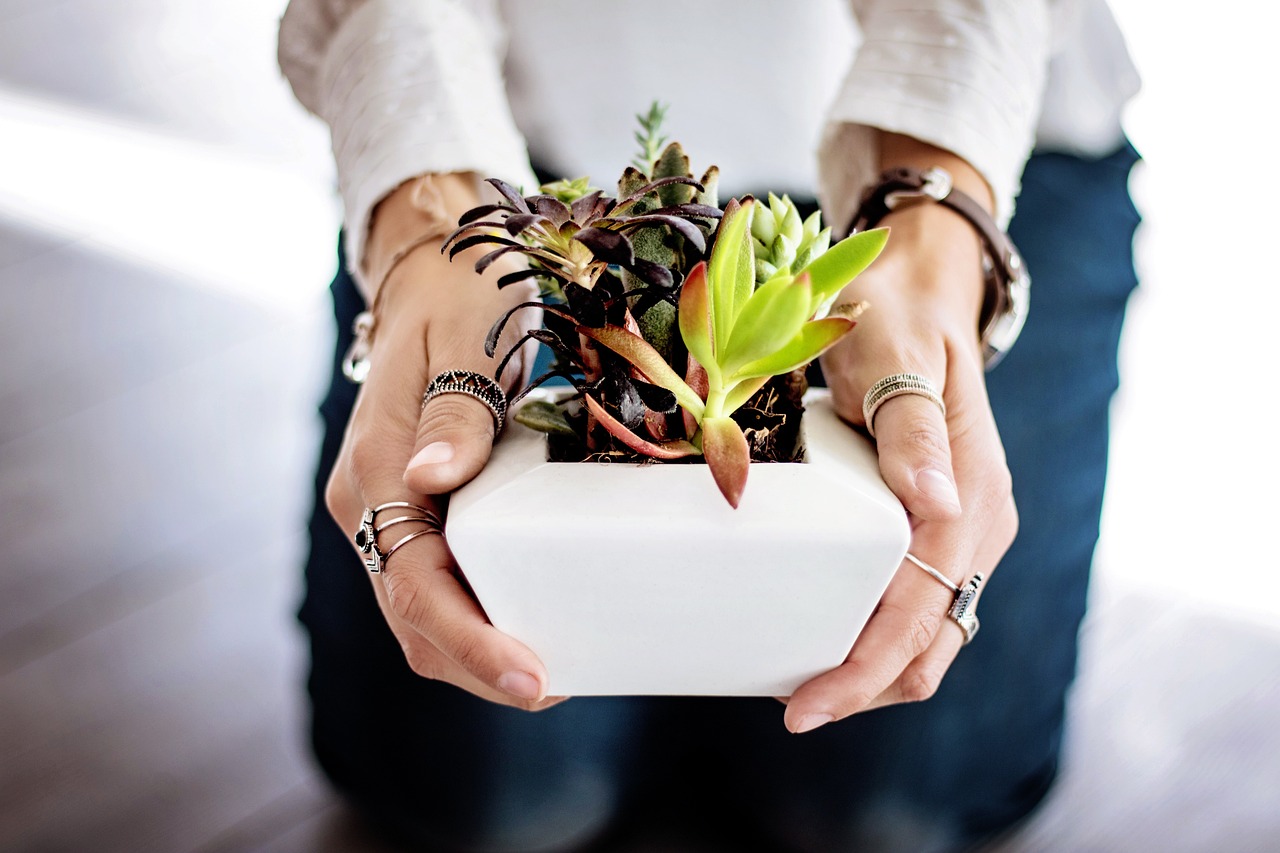
To successfully grow cilantro indoors, your choice of container is the most critical first step. Because cilantro develops a long, delicate taproot, it requires a pot that is at least 8 to 10 inches deep. Using a container that is too shallow will stunt the plant’s growth and cause it to bolt prematurely, leading to bitter leaves.
Regardless of the material you choose—whether terracotta, plastic, or ceramic—ensure the pot has large, unobstructed drainage holes at the bottom. Cilantro loves moisture but hates “wet feet.” If water sits at the base of the container, the roots will quickly succumb to rot, which is often fatal for indoor herbs.
Equally important is the medium you use to fill your pot. Avoid using soil dug directly from your outdoor garden. Garden soil is often too heavy and dense for container environments, which can lead to poor aeration and may introduce unwanted pests or fungal diseases into your home.
Instead, follow these guidelines for the best results:
- Use high-quality potting mix: Choose a light, airy, peat-based or coco-coir-based potting mix specifically designed for indoor containers.
- Improve drainage: If your mix feels too dense, you can amend it with a handful of perlite or vermiculite to ensure excess water flows through easily.
- Refresh the soil: Because indoor containers have limited nutrients, use a fresh bag of mix rather than reusing old soil from previous plants.
By providing a deep container and a loose, well-draining environment, you mimic the natural conditions cilantro needs to thrive. This foundation allows the roots to expand freely, resulting in a healthier, more productive plant that you can harvest repeatedly for your kitchen. Always place a saucer beneath your pot to protect your indoor surfaces from water runoff, but be sure to empty it promptly after watering to keep the root zone healthy and oxygenated.
Light and Temperature Requirements
Cilantro is a sun-loving herb that requires significant light to develop strong, flavorful foliage. To ensure your indoor plant grows vigorously rather than becoming thin and leggy, place it in a south-facing window. This position typically provides the most consistent intensity throughout the day.
Your cilantro needs at least six hours of direct sunlight daily. If your home lacks a bright, south-facing window or if you live in a region with short winter days, natural light alone will likely be insufficient. In these cases, supplement with a full-spectrum LED grow light positioned about 6 to 12 inches above the plant for 10 to 12 hours a day.
Temperature management is just as critical as light exposure. Cilantro is a cool-season herb that is highly sensitive to heat. When temperatures consistently exceed 75°F (24°C), the plant perceives the stress as a signal to transition from vegetative growth to reproduction. This process, known as bolting, causes the plant to produce a tall flower stalk and bitter-tasting leaves, effectively ending your harvest.
To keep your cilantro productive for as long as possible, follow these climate guidelines:
- Ideal range: Maintain an indoor temperature between 60°F and 70°F.
- Avoid heat sources: Keep pots away from heating vents, radiators, or appliances that generate excess warmth.
- Air circulation: Ensure the plant is in a well-ventilated area, but avoid placing it directly in the path of cold drafts, which can shock the root system.
If you notice your cilantro starting to grow a central, spindly stalk with feathery, thin leaves, it is beginning to bolt. While you can pinch off the flower buds to delay the process, the plant will eventually prioritize seed production over leaf growth. By keeping the environment cool and providing intense, consistent light, you can significantly extend the lifespan of your indoor cilantro and enjoy a continuous supply of fresh herbs for your kitchen.

Watering and Feeding Best Practices
Achieving the perfect balance of moisture is the most critical factor in indoor cilantro care. Cilantro thrives when the soil is consistently moist, but it is highly susceptible to root rot if left in standing water. Always ensure your pot has adequate drainage holes to allow excess liquid to escape.
To determine if your plant needs water, perform a simple touch test. Insert your finger about one inch into the soil. If the soil feels dry to the touch, it is time to water. If it still feels damp, wait another day or two before checking again.
Feeding your cilantro helps support its rapid growth, especially when grown in containers. Use a balanced, water-soluble fertilizer diluted to half-strength once every four to six weeks during the active growing season. Avoid over-fertilizing, as this can encourage leafy growth at the expense of flavor.
Proper harvesting techniques will keep your plant productive for longer. When you are ready to prune or harvest leaves, follow these safety and care guidelines:
- Use sharp, clean garden shears to make precise cuts. Dull blades can crush the stems, leading to damaged tissue and potential disease.
- Always handle your tools with care. Keep your fingers well away from the blades while cutting and ensure you are working on a stable surface.
- After harvesting, wipe the blades clean with rubbing alcohol to prevent the spread of pathogens between plants.
- Store your shears in a secure, dry location out of the reach of children or pets immediately after use.
By removing the outer leaves first, you allow the center of the plant to continue developing. Never remove more than one-third of the plant at any single time, as this can cause unnecessary stress and hinder its ability to recover. With consistent monitoring and careful handling, your indoor cilantro will provide a steady supply of fresh herbs for your kitchen.
Managing Growth and Harvesting
To encourage a lush, bushy cilantro plant rather than a spindly, tall one, proactive pruning is essential. Once your plant reaches approximately six inches in height, pinch off the top set of leaves. This simple action signals the plant to redirect its energy into producing lateral stems, resulting in a fuller, more productive indoor herb.
When you are ready to harvest, follow a strategic approach to keep your plant thriving for as long as possible:
- Harvest from the outside in: Always select the oldest, outermost leaves first. These are the most mature and flavorful, and removing them allows the younger, inner growth to receive more sunlight and airflow.
- Limit your harvest: Never remove more than one-third of the total foliage at any single time. Over-harvesting shocks the plant and depletes the energy reserves it needs to regenerate new leaves.
- Use clean tools: While pinching with your fingers works well for young stems, use sharp, sanitized scissors for larger harvests to ensure clean cuts that heal quickly without inviting disease.
Cilantro is a fast-growing herb, but it is also prone to “bolting,” which is when the plant shifts its focus from leaf production to flower and seed production. If you notice the stems beginning to stretch rapidly or develop thin, feathery leaves, harvest the plant immediately. While you can let it bolt to harvest the seeds (coriander), the flavor of the leaves will become bitter once the plant flowers.
By harvesting regularly, you prevent the plant from becoming overgrown and encourage it to remain in a productive vegetative state. If your plant seems to be slowing down, ensure it is still receiving at least six hours of bright, indirect light daily. Consistent, light harvesting combined with proper light exposure is the best way to enjoy a steady supply of fresh cilantro from your kitchen windowsill throughout the season.

Troubleshooting Common Cilantro Issues
Growing cilantro indoors can be rewarding, but it often comes with a few common hurdles. Recognizing these early signs can help you maintain a healthy, flavorful harvest throughout the season.
If your cilantro plant begins to grow tall, thin stalks with small flowers, it has started to “bolt.” This is a natural reaction to heat or long daylight hours. Once bolting occurs, the plant shifts its energy from leaf production to seed development. While you can harvest these seeds—known as coriander—for cooking, the leaves will unfortunately turn bitter and lose their signature fresh taste. To delay this, keep your plant in a cooler spot away from direct midday heat.
Yellowing leaves are another frequent concern for indoor gardeners. This is usually a sign of an imbalanced watering routine. Cilantro prefers consistently moist soil, but it dislikes “wet feet.” If the leaves turn yellow or start to droop, check the soil moisture levels:
- Ensure your pot has adequate drainage holes to prevent water from pooling at the bottom.
- Never let the plant sit in a saucer of stagnant water, as this leads to root rot.
- Allow the top inch of soil to dry out slightly before watering again.
Pests, particularly aphids, can occasionally find their way onto indoor herbs. These tiny insects cluster on the undersides of leaves or along the stems, sucking the plant’s sap. If you notice a sticky residue or small insects, act quickly to protect your harvest:
- Gently wipe the affected leaves with a soft, damp cloth to physically remove the pests.
- For more persistent infestations, use an insecticidal soap specifically formulated for edible plants.
- Always follow the label instructions carefully to ensure the product is safe for herbs you intend to consume.
By monitoring your plant’s growth and addressing these issues promptly, you can keep your indoor cilantro thriving and ready for your kitchen needs.

Dedicated team of gardening enthusiasts with years of hands-on experience testing lawn mowers, gardening tools, and outdoor equipment. We help home gardeners and professionals alike make informed buying decisions with honest, thorough reviews. From push mowers to pruning shears, we test it all so you don’t have to. Got a gardening tool you’d like us to review? Get in touch!