
Growing catnip indoors is a rewarding project for cat owners and herb enthusiasts alike. This guide covers the essential light, water, and soil requirements to help your Nepeta cataria thrive on a sunny windowsill. With the right environment, you can successfully cultivate this hardy, aromatic perennial inside your own home year-round.
While catnip is naturally vigorous, indoor conditions present unique challenges compared to an outdoor garden. You must provide ample sunlight and proper drainage to prevent common issues like root rot or stunted growth. Understanding these specific environmental needs is the key to keeping your plant healthy, vibrant, and ready for your feline friend.
In the following sections, we break down the practical steps for long-term plant success. You will learn how to select the right container, establish a consistent watering schedule, and manage indoor temperatures effectively. Follow these simple expert tips to ensure your catnip plant remains a lush, thriving addition to your indoor herb collection.
Choosing the Right Pot and Soil
Selecting the correct environment is the most important step in successfully growing catnip indoors. Because catnip is prone to root rot if left in standing water, your choice of container and soil medium is critical for long-term plant health.
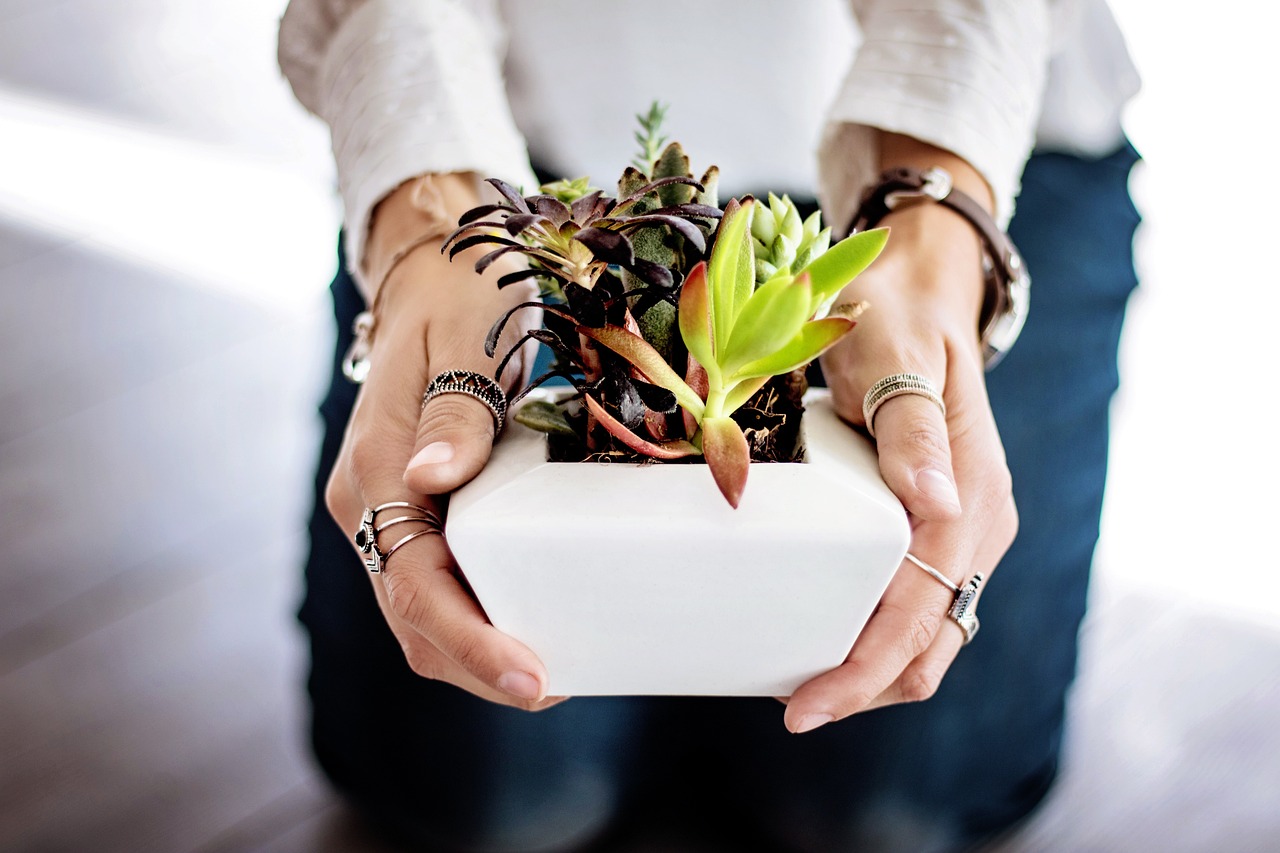
Start by choosing a pot that features at least one large drainage hole at the bottom. While decorative pots are appealing, they often lack proper drainage. If you choose a pot without holes, use it only as a cachepot—place the catnip in a plastic nursery pot inside the decorative container, and always remove the inner pot to water it, ensuring it drains completely before returning it to its display spot.
Regarding size, catnip develops a robust root system relatively quickly. A container that is at least 8 to 10 inches deep and wide provides enough room for the roots to spread, preventing the plant from becoming root-bound too early. Terracotta pots are an excellent choice for indoor catnip because the porous material allows excess moisture to evaporate through the sides, further reducing the risk of waterlogged soil.
For the growing medium, avoid using heavy garden soil, which can compact and suffocate roots in a container. Instead, follow these guidelines for the best results:
- Use a high-quality, standard indoor potting mix. These blends are specifically formulated to hold moisture while maintaining enough aeration for roots to breathe.
- If your potting mix feels too dense, you can improve drainage by mixing in a handful of perlite or coarse sand.
- Ensure the soil is loose and fluffy when you fill the pot; do not pack it down tightly, as this restricts root growth and inhibits water movement.
By prioritizing a container that breathes and a soil mix that drains efficiently, you create a stable foundation that allows your catnip to thrive indoors. Proper drainage is the simplest way to prevent common issues like fungal growth and yellowing leaves, ensuring your plant remains healthy and vibrant.
Light and Temperature Requirements
Catnip (Nepeta cataria) is a sun-loving herb that thrives when provided with ample light. To keep your indoor plant healthy and vigorous, place it in a location that receives at least six hours of bright, direct sunlight every day. A south-facing window is typically the best spot in your home, as it offers the most consistent light exposure throughout the day.
If your home lacks a sunny windowsill or you live in an area with limited daylight during winter months, your catnip may become “leggy,” meaning the stems will stretch out and weaken as they search for light. In these cases, using a full-spectrum LED grow light is a highly effective solution. Position the light about 6 to 12 inches above the plant and keep it on for 8 to 10 hours daily to mimic natural conditions.
Regarding temperature, catnip is quite adaptable, but it performs best in moderate indoor environments. Keep the following guidelines in mind to ensure optimal growth:
- Ideal Range: Maintain temperatures between 60°F and 75°F (15°C to 24°C).
- Avoid Drafts: Keep your plant away from direct blasts of air from heating vents, radiators, or air conditioning units, as extreme fluctuations can stress the foliage.
- Air Circulation: While temperature is important, ensure there is gentle airflow around the plant to prevent humidity buildup, which can lead to fungal issues.
Because catnip is a hardy perennial, it does not require a complex climate-controlled environment. As long as you prioritize bright light and avoid placing the pot in stagnant, overly hot, or freezing spots, your plant will remain productive. If you notice the leaves beginning to yellow or the plant drooping despite regular watering, it is often a sign that it needs more light or is suffering from a temperature-related draft. Adjusting its placement is usually enough to restore its health quickly.

Watering and Maintenance Best Practices
Proper hydration is the cornerstone of a healthy indoor catnip plant. Unlike many houseplants that thrive on strict schedules, catnip requires a more intuitive approach. Before reaching for your watering can, perform a simple finger test: press your index finger about one inch into the soil. If the soil feels dry, it is time to water. If it still feels damp, wait another day or two.
Consistency is vital, but overwatering is the most common mistake indoor gardeners make. Catnip is susceptible to root rot and fungal infections if left sitting in saturated soil. Always ensure your pot has adequate drainage holes, and never allow the plant to sit in a saucer of standing water. If you notice yellowing leaves or a musty odor near the soil, you are likely providing too much moisture.
Regular maintenance keeps your catnip bushy rather than sparse and leggy. As the plant grows, stems may become long and weak, especially if they are stretching toward a light source. Pruning encourages lateral growth, resulting in a fuller, more vigorous plant.
Follow these steps for effective pruning:
- Use sharp, clean garden shears to ensure a clean cut, which helps the plant heal faster and prevents disease transmission.
- Snip back leggy stems by about one-third of their length, ideally cutting just above a set of healthy leaves.
- Wear gardening gloves during this process. Catnip stems can be slightly abrasive, and gloves protect your skin from minor scratches or irritation.
- Remove any dead or dried-out foliage immediately to redirect the plant’s energy toward new, healthy growth.
By monitoring soil moisture levels closely and keeping the plant trimmed, you provide the ideal environment for your catnip to thrive. A well-maintained plant will not only look better but will also produce more potent, aromatic leaves for your feline companion to enjoy throughout the year.
Safety and Handling Precautions
Maintaining an indoor catnip plant requires both horticultural skill and a focus on household safety. When pruning your plant to encourage bushier growth, always use sharp, clean shears. To prevent accidental injury, ensure you are cutting away from your body and keep your fingers well clear of the blade path at all times. Once your maintenance tasks are complete, store all gardening tools in a secure, locked cabinet or drawer out of the reach of children and pets.
While catnip (*Nepeta cataria*) is generally considered non-toxic to cats, the indoor gardening environment presents its own set of risks. Because cats are naturally drawn to the scent of the plant, they may attempt to climb, play with, or chew on the foliage. To keep your home and your pet safe, consider these practical precautions:
- Secure the pot: Place your catnip in a heavy ceramic or stone pot to prevent it from tipping over if your cat brushes against it or attempts to jump onto the surface.
- Monitor consumption: While the plant is safe, ingesting large amounts of raw foliage or soil can cause mild digestive upset or vomiting in cats. If you notice your pet obsessively eating the plant, move it to a location they cannot access.
- Avoid chemical additives: Never use synthetic pesticides or fertilizers on indoor catnip. If your cat ingests a plant treated with chemicals, it could lead to toxicity. Stick to organic, pet-safe fertilizers and natural pest control methods like neem oil if necessary.
- Protect the soil: Cats are often attracted to loose potting soil. Place decorative stones or a mesh screen over the top of the soil to prevent your cat from digging or tracking dirt through your home.
By taking these simple steps, you can enjoy the benefits of growing your own catnip while ensuring a safe, stress-free environment for your feline companion.
Troubleshooting and Long-Term Care
Even with the best care, indoor catnip can occasionally encounter setbacks. Early detection is the key to maintaining a healthy plant. If you notice your catnip’s leaves turning yellow, it is often a sign of overwatering or poor drainage. Ensure your pot has adequate drainage holes and allow the top inch of soil to dry out completely before watering again.
If you spot pests, such as aphids or spider mites, act quickly to protect your plant. Follow these steps to manage an infestation:
- Isolate: Immediately move the affected plant away from your other houseplants to prevent the pests from spreading.
- Treat: Gently spray the foliage with a mild insecticidal soap or a diluted neem oil solution. Be sure to coat both the tops and undersides of the leaves.
- Monitor: Keep the plant in isolation for at least two weeks, checking daily for signs of returning pests before reintroducing it to your collection.
As your catnip grows, it may eventually become root-bound. This occurs when the roots fill the entire container, leaving little room for soil or moisture retention. If you notice roots growing out of the drainage holes or the plant wilting shortly after watering, it is time to repot. Gently transplant your catnip into a container that is two to three inches wider in diameter, using fresh, well-draining potting mix to encourage renewed growth.
For persistent issues, such as unusual spots, mold, or stunted growth that does not improve with standard care, do not hesitate to reach out for expert help. Take a clear photo of the affected area or bring a small sample of the plant to a local nursery professional. They can provide specific diagnostics and recommend safe, targeted treatments tailored to your plant’s health needs. With consistent observation and proactive maintenance, your indoor catnip will thrive for seasons to come.

Dedicated team of gardening enthusiasts with years of hands-on experience testing lawn mowers, gardening tools, and outdoor equipment. We help home gardeners and professionals alike make informed buying decisions with honest, thorough reviews. From push mowers to pruning shears, we test it all so you don’t have to. Got a gardening tool you’d like us to review? Get in touch!