
Growing carnivorous plants like Venus flytraps, sundews, and pitcher plants indoors is rewarding but requires specific conditions that mimic their natural boggy habitats. To help these unique species thrive in your home, you must provide plenty of bright, indirect sunlight and consistent moisture. These fascinating botanical hunters are surprisingly accessible for indoor gardeners who understand their quirks.
It is important to remember that these plants are not typical houseplants and will not survive in standard potting soil or with tap water. They evolved in nutrient-poor environments, meaning they rely on specialized substrates and pure water sources to remain healthy. While they may seem delicate, meeting these specific environmental needs ensures they stay vibrant and active.
This guide covers the essential light, water, and soil requirements to help your unique plants thrive in a home environment. We will walk you through the best placement for optimal growth, how to manage humidity levels, and the correct feeding techniques for your indoor collection. Follow these practical tips to master the art of indoor carnivorous gardening with confidence.
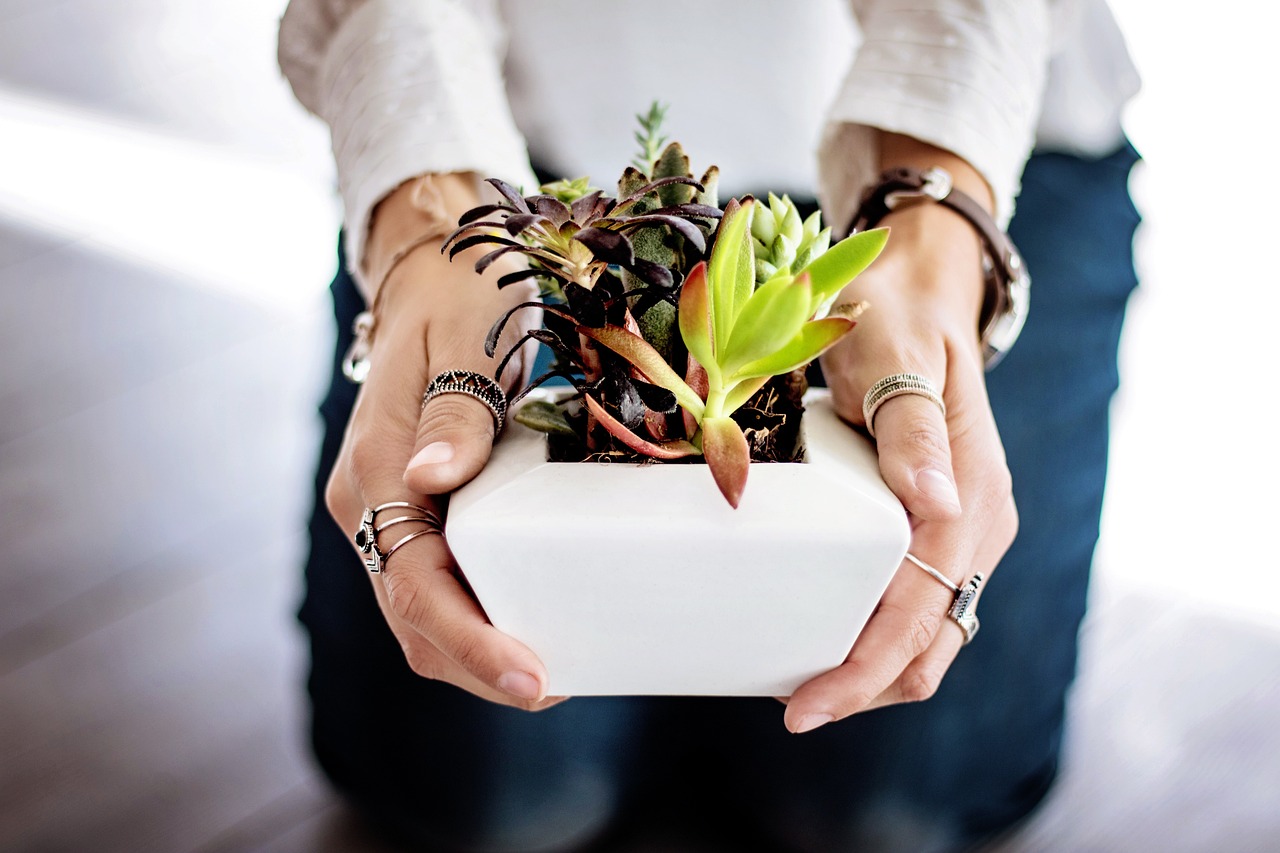
Choose the Right Species for Indoor Conditions
Not every carnivorous plant thrives in a typical home environment. Many popular species, such as the Venus flytrap (Dionaea muscipula) and North American pitcher plants (Sarracenia), have complex biological needs that are difficult to replicate indoors. These plants require a distinct winter dormancy period—a time of cold temperatures and shorter daylight hours—to survive long-term. Without this seasonal reset, they often weaken and die within a year.
For indoor success, focus on tropical varieties that do not require a dormancy phase. These plants are accustomed to consistent temperatures and humidity levels, making them far more resilient in a residential setting. Beginners should prioritize the following species:
- Cape Sundew (Drosera capensis): Often considered the easiest carnivorous plant for beginners, these thrive on sunny windowsills and produce beautiful, sticky tentacles that effectively trap small pests like fungus gnats.
- Tropical Sundews (Drosera spatulata or adelae): These compact plants adapt well to standard room temperatures and provide a rewarding display of glistening dew drops.
- Butterworts (Pinguicula): These plants look like succulents and use sticky, flat leaves to catch tiny insects. They are highly forgiving and tolerate indoor conditions better than many other varieties.
Before purchasing, always check the specific origin of your plant. Avoid species labeled as “bog plants” from temperate climates unless you have a dedicated outdoor space or a controlled terrarium setup capable of simulating winter cold. By choosing tropical species, you eliminate the stress of trying to manage seasonal temperature shifts inside your living room.
Remember that even “easy” indoor carnivorous plants still require specific care, such as the use of distilled or rainwater and high light exposure. Starting with a species that matches your home’s ambient environment is the most important step in ensuring your plant doesn’t just survive, but actively catches prey and grows throughout the year.
Provide Intense Light and Proper Hydration
Carnivorous plants are evolutionarily adapted to thrive in nutrient-poor environments, making them exceptionally light-hungry. To keep your plant healthy, you must mimic the intense, unobstructed sun of a bog habitat. The best location in your home is a south-facing window that receives direct sunlight for most of the day. If you lack a bright windowsill or live in a region with limited winter sun, supplement with a full-spectrum LED grow light. Keep the light positioned 6 to 12 inches above the plant for 12 to 14 hours daily to maintain vigorous growth and vibrant coloration.
Watering is equally critical, but it requires a specific approach. Because these plants evolved in acidic, mineral-deficient soils, they are highly sensitive to the chemicals and dissolved solids found in standard tap water. Using the wrong water source can cause mineral burn, leading to yellowing leaves and eventual plant death.
To ensure proper hydration, follow these guidelines:
- Use Pure Water Only: Rely exclusively on distilled water, collected rainwater, or reverse osmosis water. These sources are free of the salts, chlorine, and minerals that damage root systems.
- The Tray Method: Most carnivorous plants, such as Venus flytraps and sundews, prefer to sit in a shallow saucer of water. Keep the soil consistently moist by maintaining about an inch of water in the tray, allowing the plant to wick moisture upward as needed.
- Avoid Over-Saturation: While they love moisture, ensure the soil remains “boggy” rather than stagnant. If the water in the tray becomes murky, discard it and replace it with fresh, pure water.
By strictly controlling the water quality and maximizing light exposure, you create the stable environment necessary for your carnivorous plants to flourish indoors. Avoid the temptation to fertilize the soil, as these plants obtain their necessary nutrients through captured insects rather than root uptake. Focus instead on providing consistent light and pure hydration, and your plants will remain healthy and productive.

Use Nutrient-Free Soil and Appropriate Containers
Carnivorous plants have evolved to thrive in nutrient-poor environments, such as bogs and marshes. Consequently, standard potting soils—which are typically enriched with fertilizers—will quickly burn their sensitive roots and eventually kill the plant. To ensure your indoor plant thrives, you must use a nutrient-free substrate that mimics its natural habitat.
The most effective soil mixtures for carnivorous plants include:
- Peat Moss and Perlite: A classic 1:1 ratio provides excellent aeration and moisture retention. Ensure the peat moss is free of added fertilizers or wetting agents.
- Long-Fiber Sphagnum Moss: This is an ideal, sustainable-friendly choice that holds water well while allowing roots to breathe.
When preparing these materials, always wear gloves. Peat moss dust can cause skin irritation, and handling dry sphagnum moss can be abrasive. If you are using shears or trowels to mix your substrate or repot your plants, handle these sharp tools with extreme caution to prevent accidental injury.
Your choice of container is just as important as the soil. Because carnivorous plants require consistently moist (but not waterlogged) soil, drainage is critical. Always select a pot that features drainage holes at the bottom. This prevents stagnant water from accumulating, which can lead to root rot—a common killer of indoor bog plants.
Avoid using unglazed terracotta or clay pots, as these materials can leach minerals into the soil over time. Instead, opt for plastic, glazed ceramic, or glass containers. Plastic pots are generally preferred because they are lightweight, non-reactive, and help retain the necessary soil moisture for longer periods. Before potting, ensure your container is thoroughly cleaned with water to remove any residue from previous uses. By providing the correct, inert growing medium and a well-draining vessel, you create the stable foundation your carnivorous plants need to capture prey and flourish indoors.
Maintain Humidity and Feeding Habits
Most carnivorous plants, such as Venus flytraps, sundews, and pitcher plants, are native to boggy environments where humidity levels are naturally high. To keep them healthy indoors, you must mimic these damp conditions. Low household humidity often causes leaves to crisp at the edges or prevents the plant from producing its signature sticky nectar.
Avoid the common mistake of misting your plants. While it seems helpful, the effect is fleeting and can encourage fungal growth on the foliage. Instead, use these more effective methods to maintain a consistent microclimate:
- Use a pebble tray: Place your plant pot on a shallow tray filled with pebbles and enough water to reach just below the top of the stones. As the water evaporates, it creates a humid pocket of air directly around the plant.
- Group plants together: Clustering your carnivorous plants creates a small, shared ecosystem. As they transpire, they collectively raise the humidity levels in their immediate vicinity.
- Consider a terrarium: If your home is particularly dry, growing these plants in an open-topped glass container can help trap moisture without restricting necessary airflow.
When it comes to nutrition, remember that carnivorous plants are specialized hunters. They have evolved to thrive in nutrient-poor soil by trapping insects, so you should never fertilize them like standard houseplants. Do not offer them human food, such as hamburger, cheese, or deli meats; these items will cause the trap to rot and can kill the plant.
In most indoor settings, your plant will capture enough prey on its own. If your home is strictly insect-free and you feel your plant is struggling, you may provide supplemental nutrition. Use a single, live, flightless fruit fly no more than once a month. Ensure the insect is small enough for the trap to seal completely. If the plant is dormant or shows signs of stress, skip the feeding entirely and focus on light and water instead.

Troubleshooting Common Issues and Long-Term Care
Even with perfect conditions, carnivorous plants may occasionally show signs of stress. If your plant begins to turn brown or wilt, the most common culprit is mineral buildup in the soil. Because these plants evolved in nutrient-poor environments, they are highly sensitive to salts and minerals found in tap water. Always flush the soil with distilled or reverse osmosis water to clear out deposits, and ensure you are never using standard potting soil, which contains fertilizers that can be fatal to these species.
Insufficient light is another frequent cause of decline. If your plant appears leggy or loses its vibrant coloration, it is likely starving for energy. Move it closer to a high-intensity grow light or a south-facing window. If you notice fuzzy mold developing on the soil surface or the plant itself, your environment likely lacks adequate airflow. Increase ventilation by placing a small fan nearby or spacing your plants further apart to prevent stagnant, humid pockets.
If your plant continues to struggle despite these adjustments, consider these troubleshooting steps:
- Check for pests: Small insects like aphids or fungus gnats can drain a plant’s energy. Remove them manually or use a gentle, plant-safe insecticidal soap.
- Verify water quality: Confirm your water source is strictly distilled, rain, or reverse osmosis water with a TDS (Total Dissolved Solids) reading below 50 ppm.
- Consult an expert: If the plant remains in decline, reach out to a local nursery specializing in exotic or carnivorous plants. They can often provide a specific diagnosis based on your local climate.
Finally, prioritize safety in your gardening routine. Carnivorous plants often require specialized tools for maintenance, such as sharp pruning shears for removing dead traps or debris. Always store these implements in a locked cabinet or high shelf, safely out of reach of children and pets. By maintaining a clean, consistent environment and keeping your tools secure, you will ensure your unique botanical collection thrives for years to come.

Dedicated team of gardening enthusiasts with years of hands-on experience testing lawn mowers, gardening tools, and outdoor equipment. We help home gardeners and professionals alike make informed buying decisions with honest, thorough reviews. From push mowers to pruning shears, we test it all so you don’t have to. Got a gardening tool you’d like us to review? Get in touch!