
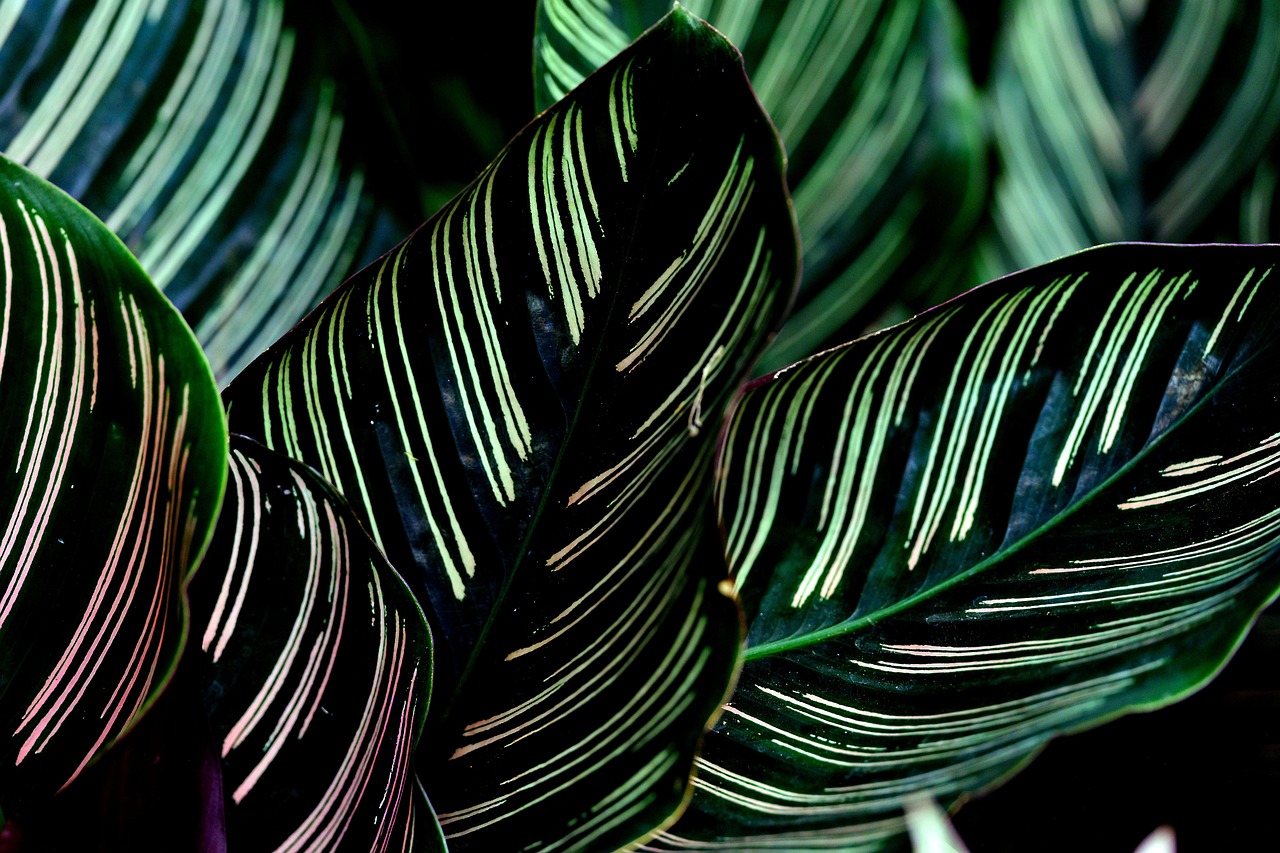
Learning how to care for Calathea Dottie is essential for keeping this stunning prayer plant vibrant and healthy. Known for its deep, near-black foliage and striking pink variegation, this plant requires specific environmental conditions to thrive. By mimicking its native tropical rainforest habitat, you can easily maintain its lush appearance indoors.
While Calathea Dottie is often labeled as finicky, it is not impossible to keep happy with the right routine. These plants are sensitive to tap water chemicals and low humidity, which often lead to unsightly brown edges on their leaves. Understanding these biological needs is the secret to successful long-term growth.
This guide provides actionable, practical steps to ensure your Dottie remains vigorous and beautiful throughout the year. We will cover everything from ideal light levels and watering schedules to the best soil amendments for moisture retention. Follow these expert tips to prevent common issues and enjoy a thriving, colorful indoor jungle display.

Light Requirements for Vibrant Foliage
Achieving the signature deep purple foliage and bright pink variegation of a Calathea Dottie depends largely on providing the right light conditions. In its native tropical habitat, this plant grows on the forest floor, shielded by a dense canopy. To keep your plant healthy, you must replicate this filtered, dappled light environment indoors.
The ideal environment for a Calathea Dottie is bright, indirect light. This means the plant should be in a well-lit room where it can “see” the sky, but the sun’s rays never directly touch the leaves. Exposure to direct sunlight is harmful and will quickly scorch the delicate foliage, leaving behind unsightly brown, crispy patches. Furthermore, excessive light often causes the plant’s vibrant pink streaks to fade, leaving the leaves looking dull and washed out.
To strike the perfect balance, consider these placement tips:
- East-facing windows: These are generally the safest locations, as they provide gentle morning sun that is rarely intense enough to burn the leaves.
- Filtered light: If you must place your plant near a south or west-facing window, use a thin sheer curtain to diffuse the light. This creates a soft, protective barrier against harsh afternoon rays.
- Distance from glass: If your windows receive strong light, set the plant back a few feet from the glass to ensure it stays in the “bright shade” zone.
It is equally important to avoid placing your Calathea Dottie in dark corners or windowless rooms. While these plants are often marketed as “low light” tolerant, they do not thrive in deep shade. In low-light conditions, the plant’s growth will significantly slow down. Even worse, the plant may lose its distinct, high-contrast patterns, causing the leaves to revert to a solid, muted green. If your plant appears to be stretching or losing its variegation, move it to a brighter spot immediately to restore its health and color.
Watering and Humidity Needs
The Calathea Dottie is a tropical plant that demands specific moisture levels to thrive. Achieving the right balance is the secret to preventing common issues like brown, crispy leaf edges. Your goal is to keep the potting medium consistently moist to the touch, but never waterlogged. Before adding more water, check the top inch of soil; if it feels dry, it is time to water. If the soil feels soggy, allow it to drain thoroughly to prevent root rot.
Water quality is just as important as frequency. Calatheas are notoriously sensitive to the chemicals and minerals found in standard tap water, such as fluoride, chlorine, and excess salts. These elements often cause unsightly leaf tip burn. To keep your Dottie looking its best, use one of the following options:
- Filtered water: Removes most harsh chemicals.
- Distilled water: The safest choice for sensitive tropicals.
- Rainwater: An excellent, mineral-rich alternative if collected cleanly.
Beyond soil moisture, humidity is the most critical factor for a healthy Calathea Dottie. Native to rainforest floors, these plants struggle in the dry air common in most homes, especially during winter months. When humidity drops below 50 percent, the leaves will naturally begin to curl inward as a defense mechanism to conserve moisture.
To maintain an ideal environment, consider these practical methods:
- Humidifier: Placing a humidifier near your plant is the most effective way to maintain consistent moisture levels in the air.
- Pebble Tray: Fill a shallow tray with pebbles and water, then place the pot on top. Ensure the base of the pot sits above the water line to avoid saturating the roots.
- Grouping: Clustering your Calatheas with other humidity-loving plants creates a microclimate that naturally increases the ambient moisture around the foliage.
By mimicking the damp, humid conditions of their native habitat, you will ensure your Dottie remains vibrant and continues to produce its striking, dark-purple foliage.
Soil and Fertilizer Best Practices
The foundation of a thriving Calathea Dottie lies in its soil. Because this plant is native to tropical rainforest floors, it requires a growing medium that mimics its natural habitat: rich in organic matter, moisture-retentive, yet exceptionally well-draining. Avoid standard garden soil, which is often too heavy and prone to compaction.
For the best results, use a high-quality, peat-based potting mix. Peat moss provides the ideal structure to hold necessary moisture while preventing the roots from sitting in stagnant water. To improve drainage further, consider amending your mix with perlite or coarse orchid bark. This ensures that excess water escapes quickly, protecting your plant from the common pitfall of root rot.
When it comes to nutrition, Calathea Dottie prefers a “less is more” approach. These plants are sensitive to chemical imbalances, so consistency is more important than strength. Follow these guidelines for safe fertilization:
- Timing: Only fertilize during the active growing season, typically from early spring through late summer. Do not fertilize during the winter months when the plant is dormant.
- Product: Use a balanced, water-soluble liquid houseplant fertilizer.
- Dilution: Always dilute the fertilizer to half or even one-quarter of the strength recommended on the product label.
- Frequency: Apply the diluted solution once every four to six weeks.
Exercise caution with your feeding schedule. It is a common mistake to over-fertilize in an attempt to boost growth. Excessive fertilizer leads to a buildup of mineral salts in the soil, which can quickly burn the delicate root system and cause brown, crispy edges on your plant’s beautiful foliage. If you notice a white, crusty residue forming on the surface of the soil, flush the pot thoroughly with filtered water to wash away the excess salts. When in doubt, it is always safer to under-fertilize than to risk chemical damage to your plant.
Safety and Maintenance Tools
Maintaining your Calathea Dottie requires regular inspection to ensure the plant remains vibrant. Over time, you may notice older leaves turning brown or yellow, which is a natural part of the plant’s life cycle. Removing these damaged leaves helps the plant redirect energy toward healthy new growth.
To perform this task safely and effectively, you need the right equipment. Always use a pair of sharp, high-quality pruning shears. A dull blade can crush the delicate stems of your Calathea rather than slicing through them, which creates jagged wounds that invite pests and fungal infections. Before you begin, sterilize your blades with isopropyl alcohol to prevent the transmission of plant diseases.
When performing maintenance, keep these safety guidelines in mind:
- Clean Cuts: Make your cut flush with the base of the stem to promote quick healing and keep the plant looking tidy.
- Tool Storage: Pruning shears are sharp and can cause injury. Always store your tools in a secure location, well out of reach of children and pets, immediately after use.
- Skin Protection: If you have sensitive skin or are prone to contact dermatitis, wear gardening gloves while handling your plants to prevent irritation from sap or foliage.
- Stable Environment: Always work on a flat, stable surface, such as a sturdy table or workbench. Avoid balancing heavy pots on uneven edges, which can lead to slips, falls, and potential damage to both your plant and your flooring.
By keeping your tools clean and your workspace organized, you create a safer environment for both yourself and your Calathea. Regular maintenance is not just about aesthetics; it is a proactive way to monitor your plant’s health and catch potential issues, such as spider mites or root rot, before they spread. After pruning, wipe your shears down again with alcohol and store them in a dry place to ensure they remain rust-free and ready for your next gardening session.

Troubleshooting Common Calathea Issues
Even with perfect care, Calathea Dottie can be temperamental. If you notice browning leaf tips, the culprit is usually low humidity or chemical sensitivity. Calatheas are sensitive to minerals in tap water; try switching to distilled or filtered water to prevent salt buildup. If the air in your home is dry, group your plants together or place them on a pebble tray to increase local humidity.
Yellowing leaves often signal overwatering. Before adding more water, check the soil moisture levels. If the top inch of soil feels soggy or emits a sour smell, you may be dealing with root rot. Gently unpot the plant to inspect the roots; healthy roots are firm and light-colored, while rotting roots will appear mushy, dark, and brittle. Trim away any decaying sections and repot in fresh, well-draining soil.
Pests, particularly spider mites, are another common frustration. These tiny invaders thrive in dry conditions and often hide on the undersides of leaves. Inspect your plant regularly for fine webbing or small, stippled spots on the foliage. If you spot them, take these steps immediately:
- Isolate the plant to prevent the infestation from spreading to your other houseplants.
- Gently wipe the undersides of the leaves with a damp cloth or a mixture of mild dish soap and water.
- Apply neem oil or an insecticidal soap according to the product instructions, ensuring you reach the crevices where mites hide.
If you have adjusted your watering schedule, increased humidity, and treated for pests, but your Calathea Dottie continues to decline, do not hesitate to seek professional help. Bring clear photos of the plant and its environment to a local nursery expert. They can provide localized advice based on your specific climate and help identify subtle issues, such as fungal infections or improper light exposure, that might be hindering your plant’s recovery. Sometimes, a fresh set of eyes is all it takes to bring a struggling Calathea back to its vibrant, dark-purple glory.

Dedicated team of gardening enthusiasts with years of hands-on experience testing lawn mowers, gardening tools, and outdoor equipment. We help home gardeners and professionals alike make informed buying decisions with honest, thorough reviews. From push mowers to pruning shears, we test it all so you don’t have to. Got a gardening tool you’d like us to review? Get in touch!