
Learning how to care for begonias in pots is straightforward once you understand their specific environmental needs. These versatile, vibrant plants thrive in containers when provided with the right balance of light, moisture, and well-draining soil. Following a few simple maintenance routines will ensure your begonias remain healthy and produce continuous, stunning blooms all season.
While begonias are relatively low-maintenance, they do require consistent attention to avoid common issues like root rot or leaf scorch. They prefer bright, indirect sunlight and will struggle if left in harsh, direct rays or deep shade. Understanding these realistic environmental expectations is the first step toward successfully growing lush, thriving plants at home.
This guide covers the essential steps to keep your potted begonias healthy and flourishing throughout the year. We will walk you through choosing the best potting mix, establishing an effective watering schedule, and managing light exposure. Read on to master the practical techniques needed to keep your container begonias vibrant and blooming beautifully.
Selecting the Right Pot and Soil Mix
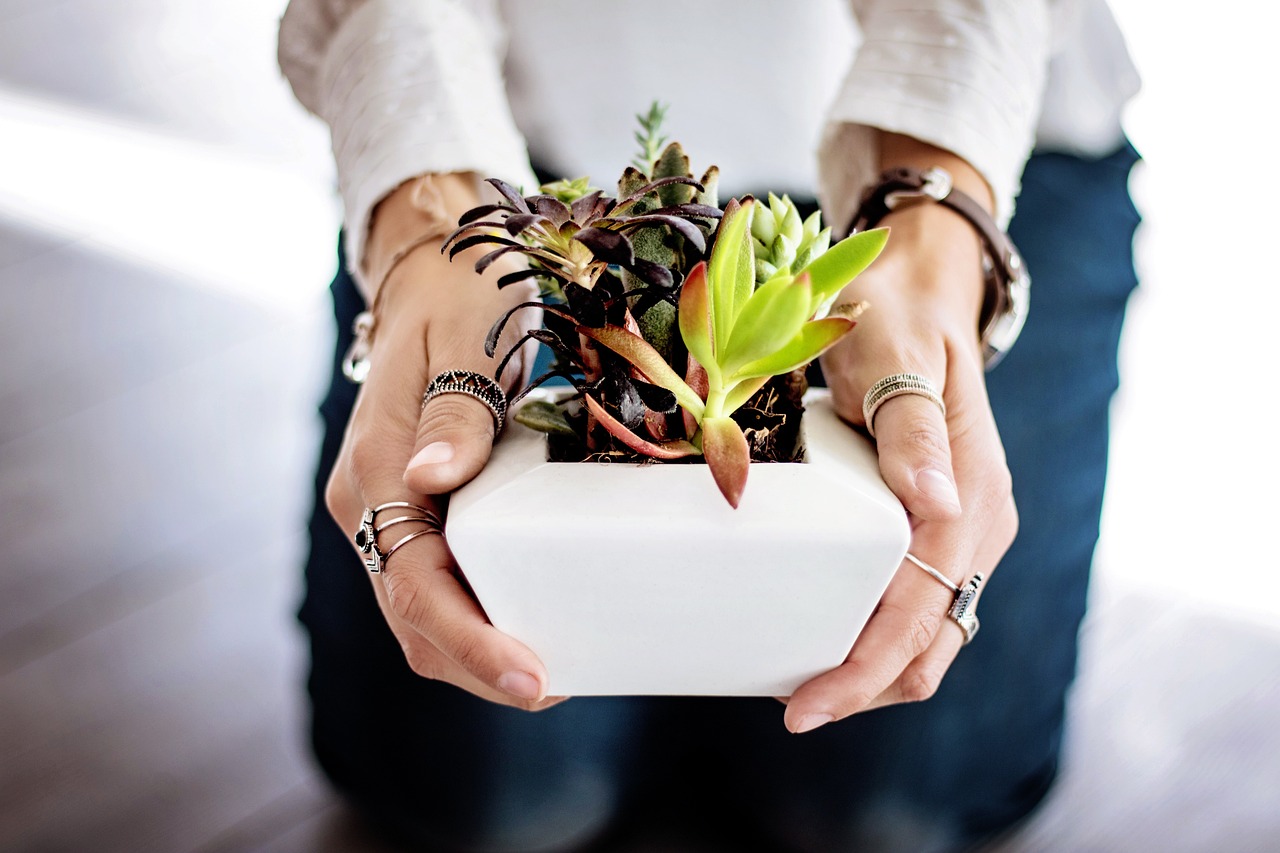
The foundation of a thriving potted begonia begins with the right container. Because these plants are highly susceptible to root rot, drainage is your most critical consideration. Always select a pot that features pre-drilled drainage holes at the bottom. If you fall in love with a decorative pot that lacks holes, use it as a cachepot—simply keep the begonia in a smaller plastic nursery pot inside the decorative one, ensuring you empty any excess water that collects in the bottom after watering.
Material choice also plays a role in plant health. Porous materials like unglazed terracotta allow the soil to breathe and moisture to evaporate more quickly, which is ideal if you tend to be an over-enthusiastic waterer. Plastic or glazed ceramic pots retain moisture longer, which may be better if your home environment is particularly dry or warm.
Equally important is the growing medium. Never use heavy garden soil, as it is far too dense for container-grown begonias. It will compact quickly, suffocating the delicate root system and preventing proper aeration.
Instead, look for a high-quality, peat-based potting mix designed for indoor plants or African violets. These mixes are specifically formulated to be lightweight, airy, and slightly acidic, which perfectly mimics the begonia’s natural forest-floor habitat. To ensure the best environment for your plant, look for a mix that includes the following components:
- Peat moss or coco coir: Provides moisture retention while maintaining a loose structure.
- Perlite or vermiculite: These small white particles are essential for improving drainage and preventing the soil from becoming waterlogged.
- A balanced pH: Begonias prefer a slightly acidic soil environment, typically between 5.5 and 6.5.
If your store-bought mix feels too dense, you can easily improve it by adding an extra handful of perlite. A well-draining, fluffy mix allows oxygen to reach the roots, which is the secret to preventing the crown rot and fungal issues that often plague indoor begonias.
Managing Light and Temperature Requirements
Begonias thrive when provided with bright, indirect light. Placing your potted begonias near an east-facing window is often ideal, as this location provides gentle morning sun without the intensity of afternoon heat. If you notice the foliage beginning to bleach or develop brown, crispy patches, your plant is likely receiving too much direct sunlight and should be moved further from the window or shielded with a sheer curtain.
Conversely, if your plant becomes “leggy”—stretching out with long, weak stems—or fails to produce blooms, it is likely not receiving enough light. While some varieties tolerate lower light conditions, most begonias require consistent, filtered brightness to maintain their vibrant color and compact growth habit.
Temperature stability is equally critical for keeping your begonias healthy. These plants perform best in environments between 60 and 75 degrees Fahrenheit. Because they are sensitive to sudden environmental shifts, it is important to be mindful of your home’s microclimates:
- Avoid cold drafts: Keep pots away from exterior doors, drafty windows, or air conditioning vents.
- Protect from heat sources: Ensure plants are not sitting directly next to radiators, space heaters, or heating vents, which can dry out the soil and cause leaf drop.
- Monitor seasonal changes: As temperatures drop in the autumn, move your pots away from cold glass panes to prevent chilling injury.
Consistency is the secret to success with potted begonias. By maintaining a steady, temperate environment and avoiding harsh, direct sun, you prevent the stress that leads to common issues like powdery mildew or leaf scorch. If you choose to move your begonias outdoors during the warmer months, ensure they are placed in a shaded patio area where they are protected from the harsh afternoon sun and heavy winds. Always bring them indoors well before the first frost, as even a brief exposure to near-freezing temperatures can cause permanent damage to these tropical-origin plants.
Watering and Feeding Best Practices
Proper hydration is the cornerstone of healthy potted begonias. These plants thrive when the soil moisture is consistent but never waterlogged. Before reaching for your watering can, perform a simple finger test: press your finger about one inch into the potting mix. If the soil feels dry to the touch, it is time to water. If it still feels damp, wait another day or two to prevent root rot.
When you water, precision is key. Always direct your stream of water at the base of the plant, focusing on the soil rather than the leaves. Begonias have delicate foliage that traps moisture easily, and wet leaves are a primary breeding ground for fungal diseases like powdery mildew and botrytis. Keeping the leaves dry is the most effective way to ensure your plant remains vibrant and disease-free.
Feeding your begonias supports the lush growth and prolific blooms they are known for. During the active growing season—typically spring through early autumn—follow these guidelines to provide adequate nutrition:
- Use a balanced, water-soluble fertilizer formulated for flowering houseplants.
- Dilute the fertilizer to half-strength to avoid burning the sensitive root systems.
- Apply this diluted solution every two to four weeks.
- Always ensure the soil is slightly moist before fertilizing to protect the roots from nutrient shock.
As the days grow shorter and temperatures drop in late autumn, your begonias will naturally enter a period of dormancy. During this time, stop fertilizing entirely and reduce your watering frequency significantly. Allowing the plant to rest during the winter months prepares it for a vigorous return to growth when the spring light returns. By balancing careful watering with a light feeding schedule, you create the ideal environment for your potted begonias to flourish year after year.
Pruning and Maintenance Safety
Consistent maintenance is the secret to keeping your potted begonias vibrant and shapely throughout the growing season. Because begonias are prone to becoming “leggy”—where stems stretch out and look sparse—regular pruning is essential to encourage fuller, bushier growth. By pinching back the tips of long stems, you signal the plant to redirect its energy into side branching rather than vertical height.
Deadheading, or the removal of faded flowers, is equally important. When a bloom begins to wilt or turn brown, snip it off at the base of the flower stem. This simple task prevents the plant from wasting resources on seed production and instead stimulates the development of new, healthy buds.
When performing these tasks, keep these safety and hygiene best practices in mind:
- Use Professional Tools: Always use sharp, clean pruning shears. Dull blades can crush stems, creating jagged wounds that invite fungal infections or pests.
- Sanitize Regularly: Wipe your blades with rubbing alcohol between plants to prevent the accidental spread of diseases.
- Protect Your Skin: Begonia sap can cause mild skin irritation or dermatitis in some individuals. Wear gardening gloves to provide a protective barrier between your hands and the plant.
- Secure Your Gear: After you finish, clean your shears thoroughly and store them in a locked cabinet or a high shelf. Sharp gardening tools pose a significant risk to curious children and should never be left unattended in a garden shed or on a potting bench.
By integrating these quick maintenance steps into your weekly routine, you help your begonias remain compact and floriferous. A little attention goes a long way in ensuring your container garden stays healthy, aesthetically pleasing, and safe for everyone in your household. If you notice any stems that appear mushy or discolored during your pruning sessions, remove those immediately to prevent the spread of rot, as excess moisture in pots can quickly compromise the plant’s root system.
Troubleshooting and Seasonal Care
Even with the best intentions, begonias occasionally show signs of distress. If you notice yellowing leaves or drooping stems, your watering schedule is almost always the first place to look. Begonias prefer soil that is consistently moist but never waterlogged. Before adding more water, check the top inch of soil with your finger; if it feels damp, wait a few days. Overwatering is the most common cause of root rot, which manifests as wilting despite wet soil.
As the seasons change, your care routine must adapt to keep your plants healthy:
- Summer Heat: During peak summer, move pots to a location with bright, indirect light to prevent leaf scorch. Increase your watering frequency as temperatures rise.
- Autumn Transition: For tuberous varieties, prepare for dormancy as daylight hours decrease. Reduce watering significantly once the foliage begins to yellow naturally.
- Overwintering: Bring tuberous begonias indoors before the first frost. Allow the foliage to die back completely, then store the tubers in a cool, dry, dark place—such as a basement or garage—until spring.
If you encounter persistent issues, such as unexplained wilting that does not improve after adjusting your moisture levels, or if you spot signs of powdery mildew (a white, dusty coating on leaves), take immediate action. Ensure your pots have adequate air circulation and that you are watering at the base of the plant rather than overhead to keep the foliage dry.
If a problem persists despite your best efforts, do not hesitate to seek professional guidance. Take clear photos of the affected leaves and stems and consult your local nursery or a university plant pathology extension service. These experts can help diagnose specific fungal infections or pest infestations, ensuring you provide the correct treatment rather than guessing with chemicals that might harm your plant further. Proper diagnosis is the key to long-term success with container-grown begonias.

Dedicated team of gardening enthusiasts with years of hands-on experience testing lawn mowers, gardening tools, and outdoor equipment. We help home gardeners and professionals alike make informed buying decisions with honest, thorough reviews. From push mowers to pruning shears, we test it all so you don’t have to. Got a gardening tool you’d like us to review? Get in touch!