
Learning how to care for azaleas in pots is the best way to enjoy these vibrant, flowering shrubs on your patio or balcony. To keep them healthy, you must provide acidic, well-draining soil and consistent moisture. With the right environment, these beautiful plants will reward you with stunning seasonal blooms every single year.
While azaleas are naturally woodland plants, they adapt surprisingly well to container life if you mimic their native habitat. Keep in mind that potted plants dry out faster than those in the ground, so diligent monitoring is necessary. Understanding these specific needs is the secret to preventing common issues like yellowing leaves.
This guide covers the essential soil requirements, watering techniques, and placement tips to help your potted azaleas thrive. We will walk you through choosing the right pot size, selecting the perfect fertilizer, and managing light exposure throughout the seasons. Follow these practical steps to ensure your container garden remains lush, healthy, and vibrant.
Choosing the Right Pot and Soil for Azaleas
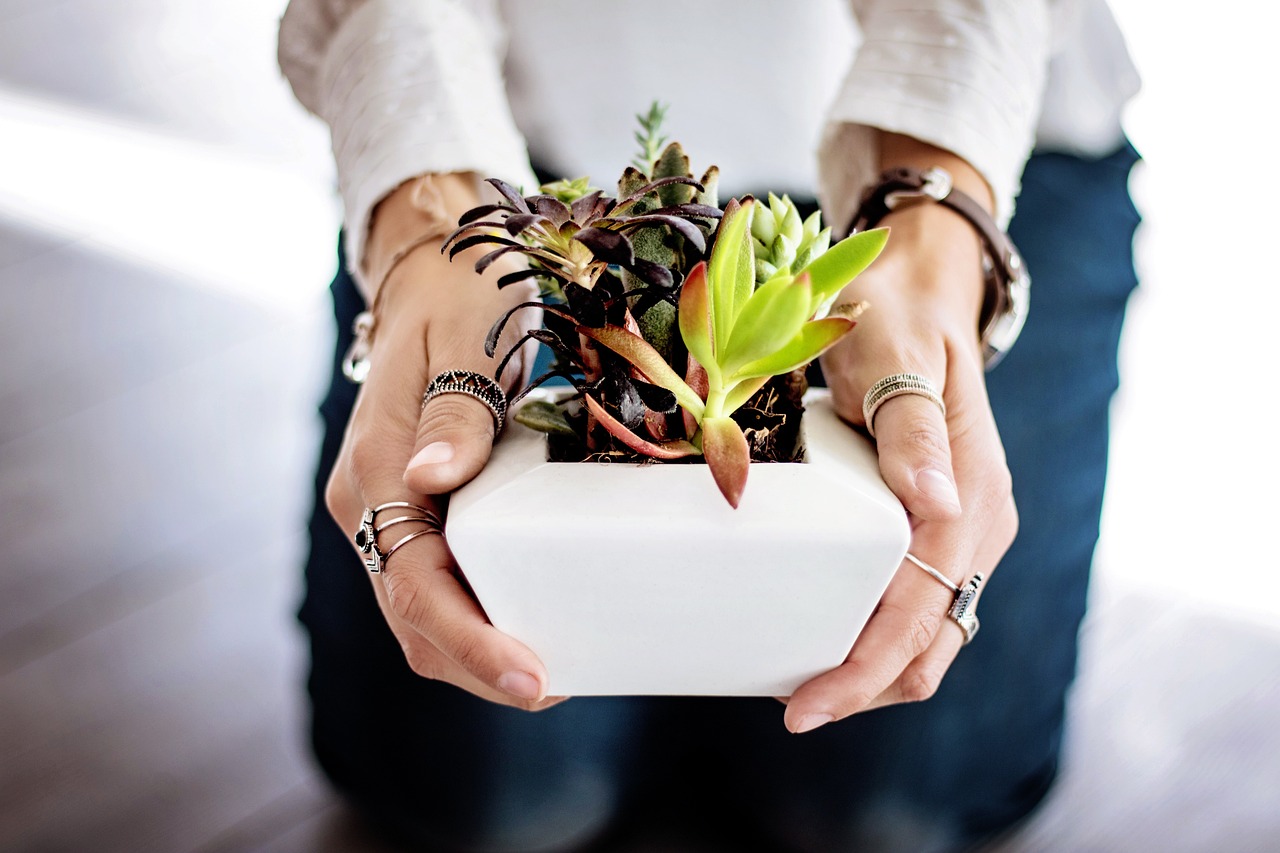
The foundation of a thriving potted azalea begins with the container. Because these plants are highly susceptible to root rot, drainage is your top priority. Always select a pot with large, unobstructed drainage holes at the bottom. If you choose a decorative ceramic or glazed pot without holes, use it as a cachepot—place the azalea in a simple plastic nursery liner inside the decorative container, and be sure to empty any standing water that collects in the bottom after every watering.
When selecting the size, avoid the temptation to “over-pot.” A container that is too large holds excess soil that stays wet for too long, which can quickly suffocate the root system. Choose a pot only two to three inches wider in diameter than the current root ball. This allows enough room for healthy root expansion while ensuring the soil dries out at an appropriate pace.
Equally important is the medium you use. Azaleas are ericaceous plants, meaning they thrive in acidic environments. Standard garden soil or heavy potting mixes will eventually compact, leading to poor aeration and root death. Instead, use a specialized potting mix designed for acid-loving plants, such as those formulated for rhododendrons and azaleas.
To ensure the best growing conditions, look for these specific components in your potting mix:
- Peat moss or coco coir: These materials help maintain the necessary acidity and moisture retention.
- Perlite or pumice: These additives create essential air pockets, ensuring that excess water drains away from the roots quickly.
- Pine bark fines: These provide structure and mimic the natural, organic-rich forest floor environment where azaleas grow best.
By pairing a well-sized, well-draining pot with an acidic, airy soil blend, you create the ideal environment for your azalea to establish a strong, healthy root system. This proactive approach prevents the most common causes of plant failure and sets the stage for vibrant, seasonal blooms.
Optimal Placement and Light Requirements
Azaleas thrive when their light environment mimics the filtered canopy of their native woodland habitats. For potted specimens, the ideal location is a spot that receives bright, dappled sunlight or gentle morning sun followed by consistent afternoon shade. This balance provides enough energy for blooming while protecting the plant from the harsh, drying effects of the midday sun.
Intense, direct afternoon rays can quickly scorch delicate azalea leaves, leading to unsightly brown edges and reduced vigor. If your patio or balcony experiences high heat, prioritize a position that remains in the shade from noon until late afternoon. If you notice the leaves curling or turning yellow, the plant may be receiving too much light and would benefit from being moved to a more sheltered area.
When choosing a permanent home for your containers, keep these practical safety and stability tips in mind:
- Ensure a level surface: Place pots on a flat, stable area such as a deck or paved patio. Avoid uneven ground, which can cause heavy containers to tip over during high winds.
- Use pot feet: Elevating your pots slightly off the ground with “pot feet” or bricks improves drainage and prevents the container from sitting in stagnant water.
- Prioritize back safety: Azaleas in large, soil-filled pots can be incredibly heavy. Never attempt to lift a heavy container by bending at the waist. Instead, bend at your knees, keep your back straight, and use your leg muscles to power the lift.
- Utilize plant caddies: If you plan to move your azaleas frequently to follow the changing sun patterns throughout the seasons, place your pots on wheeled plant caddies. This eliminates the need for heavy lifting and protects your physical health.
By carefully managing where your azaleas sit, you create a stress-free environment that encourages healthy growth and vibrant seasonal flowers. Consistent, filtered light is the secret to maintaining lush, green foliage all year round.

Watering and Feeding Your Container Azaleas
Potted azaleas have a limited root zone, which means they dry out significantly faster than shrubs planted directly in the garden. To keep your plant healthy, monitor the moisture levels in the container closely. Check the soil daily during hot or windy weather by inserting your finger about an inch deep. If the soil feels dry to the touch, it is time to water.
When you water, ensure the container has excellent drainage holes to prevent waterlogging, which can lead to root rot. Whenever possible, use collected rainwater. Tap water often contains minerals and chlorine that can accumulate in potting soil over time, potentially raising the pH levels above what azaleas prefer. If you must use tap water, letting it sit in an open container for 24 hours can help chlorine dissipate.
Feeding your container azaleas is essential for vibrant blooms and lush foliage, but it must be done carefully. Because pots are self-contained environments, nutrients wash away faster than in garden beds, yet too much fertilizer can easily burn sensitive roots.
Follow these guidelines for effective feeding:
- Timing: Apply fertilizer only once, immediately after the plant has finished flowering in early spring. This encourages new growth for next year’s buds.
- Product Choice: Use a high-quality, slow-release fertilizer specifically formulated for acid-loving plants. These products are designed to provide a steady, gentle supply of nutrients over several months.
- Application: Follow the manufacturer’s instructions precisely. It is always safer to use slightly less fertilizer than recommended rather than risking an overdose.
- Avoid Late Feeding: Do not fertilize in late summer or autumn. Late-season feeding can trigger a flush of new growth that will not have time to harden off before the first frost, leaving the plant vulnerable to cold damage.
By maintaining consistent moisture and providing a light, targeted feeding, you will help your container azaleas thrive and bloom reliably year after year.
Pruning and Maintenance Safety
Pruning is essential for maintaining the health and shape of container-grown azaleas. To encourage dense, bushier growth for the following season, prune your plants immediately after they finish their spring bloom cycle. Waiting too long can remove the developing flower buds for next year, so timing is critical.
Always use sharp, high-quality pruning shears to ensure clean, precise cuts. Dull blades can crush stems, leaving the plant vulnerable to disease. Before starting, wipe your blades with rubbing alcohol to prevent the spread of pathogens between branches.
Safety should be your top priority during maintenance. Follow these guidelines to protect yourself while caring for your shrubs:
- Wear protective gear: Always wear durable gardening gloves to protect your hands from potential sap irritation or hidden thorns.
- Mind your fingers: Keep your non-cutting hand well away from the blades at all times. Never reach into the center of a dense shrub without clearly seeing where your fingers are placed.
- Use proper tools: If you are pruning taller azaleas, use long-reach pruners rather than standing on a ladder or stool.
- Maintain stability: If you must reach upward, ensure your footing is completely secure on level ground. Avoid overextending your reach, as this can lead to loss of balance and strain on your shoulders or back.
After pruning, take a moment to inspect your container. Remove any dead or damaged wood from the base of the plant to improve airflow. Dispose of clippings promptly to keep your workspace clear and prevent tripping hazards. By keeping your tools sharp and your movements deliberate, you can maintain your azaleas effectively without risking personal injury. Consistent, careful maintenance ensures that your potted azaleas remain a vibrant, healthy focal point on your patio or balcony throughout the year.

Troubleshooting Common Issues and Ongoing Care
Even with the best care, container-grown azaleas occasionally face health challenges. Regular monitoring is your best defense, as early detection prevents minor issues from becoming plant-threatening infestations.
Keep a close watch for lace bugs, which are the most common pest for azaleas. You can identify their presence by the stippled, pale, or yellow-speckled appearance on the upper leaf surfaces. If you flip the leaves over, you may see dark, sticky excrement spots. If you spot these pests, treat the plant immediately with insecticidal soap or neem oil, ensuring you coat the undersides of the foliage thoroughly.
If your azalea’s leaves begin to yellow while the veins remain green, the plant is likely suffering from chlorosis. This is almost always a sign that the soil pH is too high. Azaleas require acidic soil (ideally between 4.5 and 6.0) to absorb essential nutrients like iron. If you notice this pattern, follow these steps:
- Test your potting mix using a simple home soil pH kit.
- If the pH is above 6.0, apply an acidifying fertilizer or soil acidifier specifically formulated for ericaceous plants.
- Avoid using tap water if it is “hard” or alkaline, as this can gradually raise the pH of your container soil over time; use rainwater whenever possible.
Consistent, stunted growth or foliage that fails to improve after correcting soil acidity and pest issues may indicate a more complex problem, such as root rot or a nutrient deficiency. If your plant does not respond to basic adjustments, do not hesitate to reach out for professional help.
Local university horticultural extensions or staff at a reputable, independent nursery are excellent resources. They can provide specialized advice tailored to your specific climate and help you diagnose issues that aren’t visible to the naked eye. Bringing a sample of the affected foliage or a photo of the entire plant can help them provide a faster, more accurate recommendation for your azalea.

Dedicated team of gardening enthusiasts with years of hands-on experience testing lawn mowers, gardening tools, and outdoor equipment. We help home gardeners and professionals alike make informed buying decisions with honest, thorough reviews. From push mowers to pruning shears, we test it all so you don’t have to. Got a gardening tool you’d like us to review? Get in touch!