
Learning how to care for an anthurium indoors is easier than you might think once you understand its native tropical needs. These stunning plants are prized for their vibrant, long-lasting blooms and glossy, heart-shaped foliage that instantly elevates any room. By mimicking their natural environment, you can keep your plant thriving year-round.
While anthuriums often have a reputation for being finicky, they actually adapt quite well to household conditions. They are not necessarily difficult to maintain, but they do require a specific balance of light, humidity, and soil moisture to flourish. Consistency is the true secret to preventing yellowing leaves and encouraging those iconic, waxy flowers.
This comprehensive guide covers everything you need to know to keep your Flamingo Flower healthy and happy. We will walk you through the essential steps, from selecting the perfect potting medium to mastering your watering schedule. Follow these practical tips to ensure your indoor anthurium remains a lush, beautiful centerpiece in your home for years.

Ideal Light and Temperature Requirements
Anthuriums are tropical plants that thrive when their natural rainforest environment is mimicked indoors. Achieving the right balance of light and temperature is the most critical factor in encouraging your plant to produce its signature waxy, long-lasting flowers.
For optimal growth, place your anthurium in a spot that receives bright, indirect light. A location near an east-facing window is often ideal, as it provides gentle morning sun. If you must use a south or west-facing window, use a sheer curtain to filter the rays. Direct sunlight is harmful to anthuriums; it will quickly scorch the delicate leaves, leaving behind unsightly brown, dry patches.
Temperature consistency is equally important for plant health. Anthuriums perform best in standard home environments, but they are sensitive to sudden fluctuations. To keep your plant stress-free, follow these guidelines:
- Maintain the target range: Keep your plant in a room that stays between 65 and 80 degrees Fahrenheit (18 to 27 degrees Celsius).
- Avoid thermal shock: Keep the pot away from cold drafts, such as those from leaky windows or doors during winter months.
- Stay clear of vents: Do not place your anthurium directly in the path of air conditioning vents or heating ducts. The concentrated stream of dry air can cause the leaves to curl and turn brown at the tips.
If your plant is failing to bloom, it is often a sign that it is not receiving enough light. While anthuriums can survive in lower light conditions, they will remain in a vegetative state and rarely produce flowers without sufficient brightness. If you notice the stems becoming long, thin, or “leggy,” move the plant slightly closer to a light source, but continue to monitor for signs of scorching. By stabilizing these environmental factors, you provide the foundation necessary for your anthurium to remain vibrant and healthy throughout the year.
Watering and Humidity Needs
Anthuriums are tropical epiphytes that require a delicate balance of moisture to mimic their native rainforest environment. Mastering your watering routine is the most critical step in preventing common issues like root rot or leaf yellowing.
Before watering, always check the soil. Insert your finger about one inch deep into the potting mix. If it feels dry, it is time to hydrate the plant. If the soil still feels damp, wait a few more days. Overwatering is the leading cause of plant failure, so never let your anthurium sit in standing water.
To ensure long-term health, follow these practical watering guidelines:
- Use drainage holes: Always plant your anthurium in a pot with functional drainage holes to allow excess water to escape.
- Drain the saucer: If you use a decorative saucer, empty it 15 minutes after watering to prevent the roots from soaking in stagnant water.
- Use room-temperature water: Cold water can shock the root system; allow your water to sit for an hour before applying it to the plant.
Beyond soil moisture, humidity is essential for vibrant foliage. Anthuriums struggle in the dry air common in most homes, especially during winter when central heating systems are running. If the tips of your leaves start turning brown and crispy, your plant is likely signaling that it needs more moisture in the air.
You can easily boost ambient humidity using these methods:
- Pebble trays: Place your pot on a tray filled with pebbles and a small amount of water. Ensure the bottom of the pot sits on the stones, not directly in the water, to avoid root rot.
- Group plants together: Placing your anthurium near other houseplants creates a microclimate that naturally increases local humidity.
- Use a humidifier: For consistent results, running a small humidifier nearby during the winter months is the most effective way to keep your anthurium thriving year-round.
Soil and Fertilization Best Practices
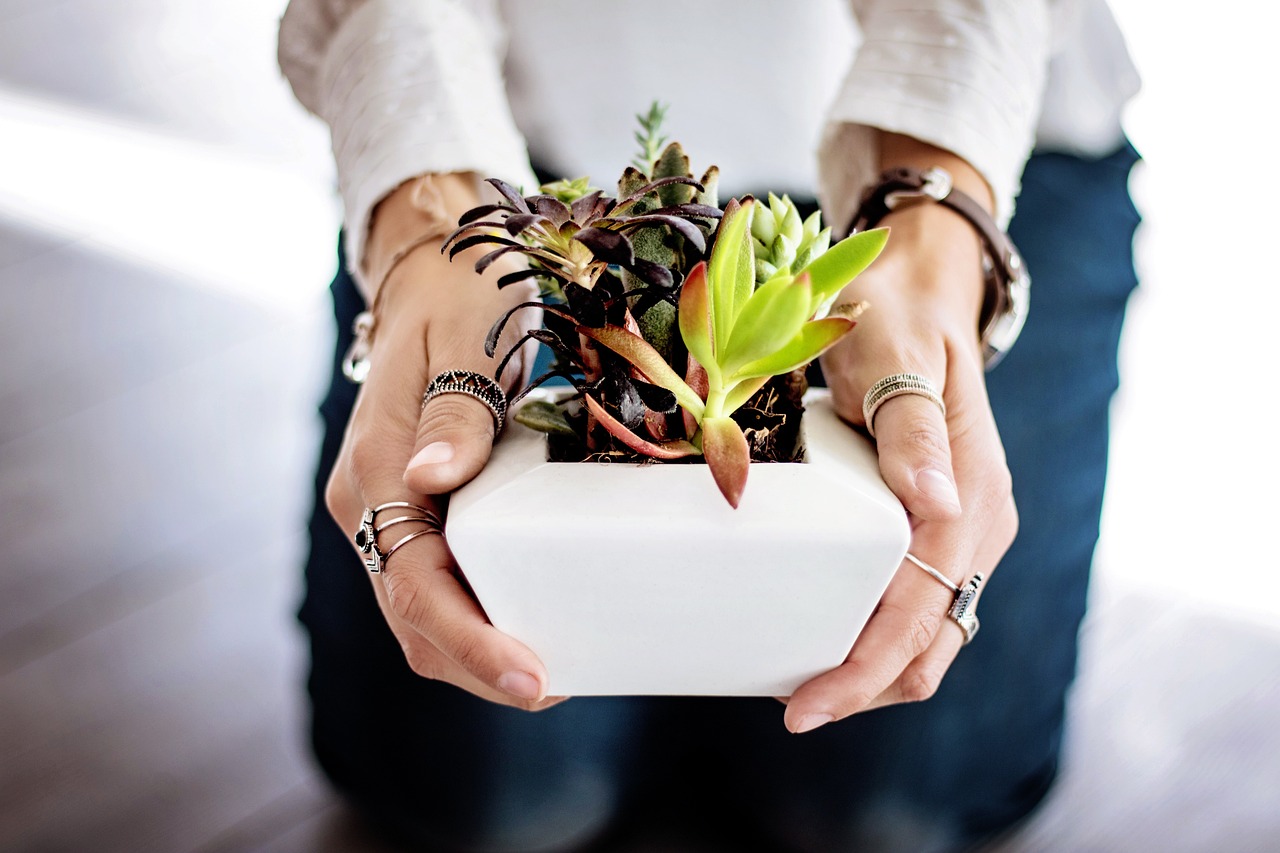
Anthuriums are epiphytes in their natural habitat, meaning they grow on other trees rather than in deep soil. Consequently, they require a potting medium that mimics this airy environment. Standard indoor potting soil is often too dense, which can cause the roots to suffocate or rot. To ensure success, use a coarse, well-draining blend that allows for excellent airflow around the root system.
For the best results, create your own mix or purchase a high-quality substrate designed for orchids or aroids. A reliable DIY recipe includes:
- Peat moss or coco coir: Provides structure and moisture retention.
- Perlite: Improves drainage and prevents soil compaction.
- Pine bark: Adds essential aeration and mimics the natural forest floor.
When potting, ensure your container has adequate drainage holes at the bottom. If the soil stays soggy for more than a few days, the roots will likely develop rot, which is the most common cause of decline in indoor anthuriums.
Regarding nutrition, anthuriums benefit from a consistent feeding schedule during their active growth phase. During the spring and summer months, apply a balanced, water-soluble fertilizer to support leaf development and potential blooms. Because these plants are sensitive to salt buildup, always dilute the fertilizer to half-strength before application.
Follow these fertilization tips for optimal plant health:
- Frequency: Feed your plant every six to eight weeks during the growing season.
- Dormancy: Stop fertilizing entirely in late autumn and winter when the plant’s growth slows down.
- Application: Pour the diluted solution directly onto the soil, avoiding the foliage to prevent accidental leaf burn.
If you notice yellowing leaves or stunted growth, check the soil moisture before assuming the plant needs more fertilizer. Often, anthuriums struggle more from over-watering than from a lack of nutrients. Always prioritize a well-draining environment to keep your plant thriving year-round.
Safe Pruning and Maintenance
Consistent maintenance is the secret to a thriving indoor anthurium. By regularly removing damaged or aging foliage, you redirect the plant’s energy toward producing vibrant new leaves and flowers rather than trying to sustain dying tissue. Inspect your plant every few weeks for leaves that have turned yellow, brown, or crispy.
To prune safely and effectively, follow these steps:
- Sanitize your tools: Always wipe your pruning shears with a cloth soaked in 70% isopropyl alcohol before and after each session. This simple step prevents the accidental spread of bacteria or fungal spores from other houseplants.
- Make clean cuts: Use sharp, sterilized shears to snip the leaf stem (petiole) as close to the base of the plant as possible without damaging the main stem. A clean cut heals faster than a ragged tear.
- Dispose of debris: Do not leave pruned leaves in the pot, as decaying matter can harbor pests or mold.
Safety is a priority when handling anthuriums. These plants contain calcium oxalate crystals, which are microscopic, needle-like structures found within the plant’s sap. If these crystals come into contact with your skin, they can cause significant irritation, redness, or itching. If you have sensitive skin, this reaction can be particularly uncomfortable.
To protect yourself, always wear gardening gloves whenever you prune or repot your anthurium. If you accidentally touch the sap with your bare hands, wash the area thoroughly with soap and warm water immediately. Keep the plant out of reach of curious pets and small children, as ingesting any part of the plant can cause painful swelling of the mouth and throat.
By keeping your tools clean and protecting your skin, you create a safe environment for both yourself and your plant. Regular, mindful maintenance will ensure your anthurium remains a healthy, striking focal point in your home for years to come.
Troubleshooting Common Anthurium Issues
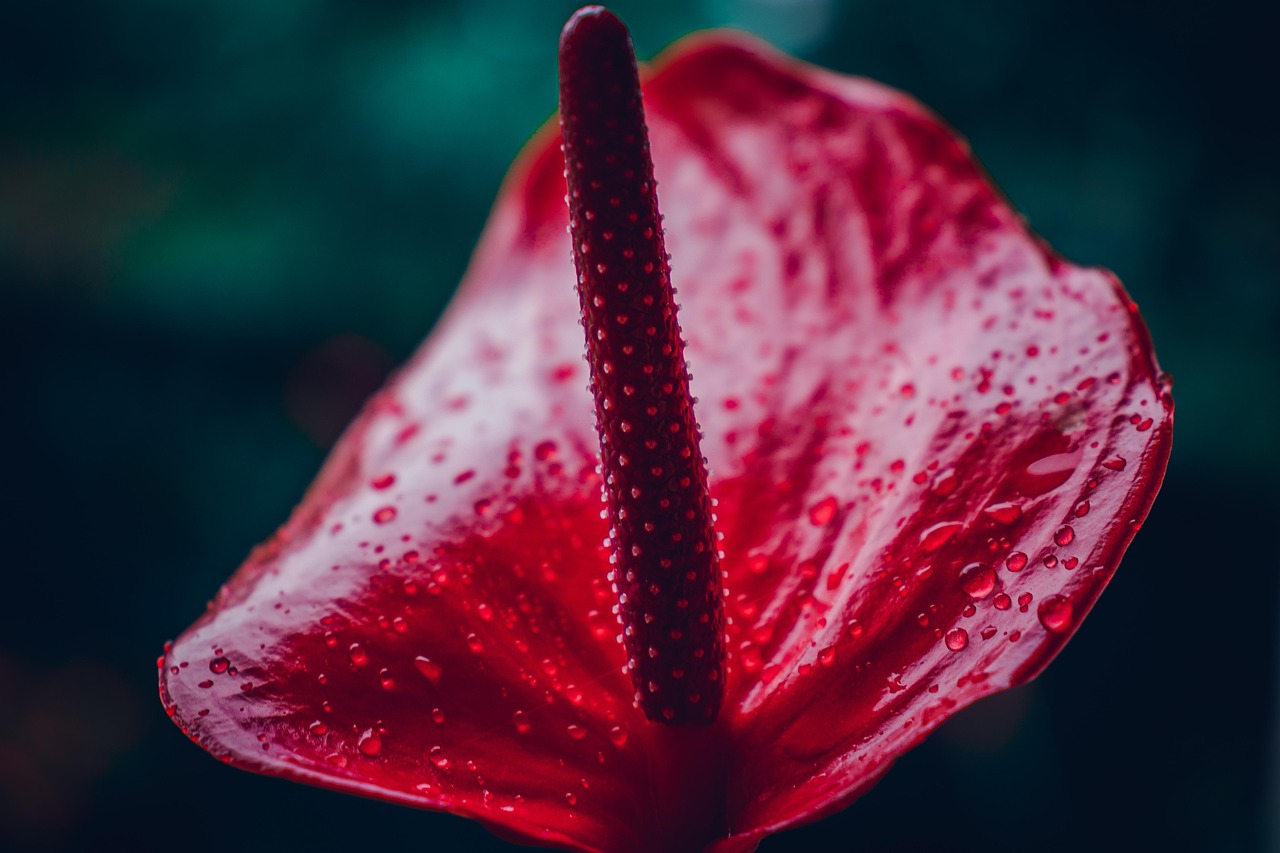
Even with the best intentions, Anthuriums can occasionally show signs of stress. Learning to read these visual cues is the secret to long-term success. Most issues are easily corrected once you identify the underlying cause.
If you notice brown, crispy leaf tips, your plant is likely struggling with its environment. Anthuriums are tropical plants that crave high humidity. If your home air is dry, try placing the pot on a pebble tray filled with water or using a humidifier nearby. Additionally, these plants can be sensitive to chemicals in tap water, such as chlorine or fluoride. If you suspect water quality is the culprit, switch to filtered or rainwater.
Yellowing leaves are the most common sign of overwatering. Anthuriums require soil that is moist but well-draining; they do not like to sit in “wet feet.” Always check that the top inch of soil is dry before watering again, and ensure your pot has adequate drainage holes to prevent root rot.
If you spot pests, don’t panic. Common intruders include spider mites and mealybugs. Manage them with these simple steps:
- Manual removal: Gently wipe both sides of the leaves and the stems with a soft, damp cloth to remove visible pests.
- Insecticidal soap: For persistent infestations, apply a mild insecticidal soap or a diluted neem oil solution, ensuring you cover all leaf surfaces.
- Isolation: Keep the affected plant away from your other houseplants until the infestation is completely resolved.
Finally, if your Anthurium is healthy but refuses to produce its iconic blooms, it likely needs a change in routine. Lack of flowering is usually a signal that the plant is not receiving enough bright, indirect light. Move it to a spot with more ambient brightness. Alternatively, your plant may simply need a period of rest. Slightly cooler temperatures and reduced water during the winter months can help trigger a new blooming cycle when spring arrives.

Dedicated team of gardening enthusiasts with years of hands-on experience testing lawn mowers, gardening tools, and outdoor equipment. We help home gardeners and professionals alike make informed buying decisions with honest, thorough reviews. From push mowers to pruning shears, we test it all so you don’t have to. Got a gardening tool you’d like us to review? Get in touch!