
Learning how to care for Aglaonema Chinese evergreen is simple because these plants thrive on neglect and minimal attention. To keep your plant healthy, place it in medium to bright indirect light and allow the top two inches of soil to dry out completely between waterings to prevent root rot.
Chinese Evergreens are prized for their stunning foliage and reputation as one of the easiest houseplants to maintain. While they are incredibly resilient, understanding their specific environmental preferences will help you avoid common issues like yellowing leaves or stunted growth, ensuring your plant remains a vibrant centerpiece in your home for years.
This guide provides practical steps to ensure your Aglaonema thrives, covering light, water, and maintenance needs for both beginners and experienced plant parents. From choosing the right potting mix to managing humidity levels, you will find all the essential tips required to master the art of caring for your beautiful Chinese evergreen today.

Understanding Light and Temperature Needs
Aglaonemas, commonly known as Chinese Evergreens, are celebrated for their remarkable adaptability, making them a top choice for indoor gardeners. While they can tolerate lower light conditions, they truly thrive when given the right environment. To keep your plant’s foliage vibrant and its patterns distinct, bright, indirect light is the gold standard.
Place your Aglaonema near a window with a sheer curtain or in a spot that receives filtered morning light. Avoid placing the plant in direct, harsh sun, as this can quickly scorch the delicate leaves, causing unsightly brown spots or bleached patches. If you notice the variegation on your plant beginning to fade, it is a clear signal that the plant needs more light to maintain its signature look.
Temperature consistency is just as vital as light quality. These tropical plants prefer a stable environment that mimics their native habitat. Follow these guidelines to ensure your plant stays comfortable:
- Ideal Range: Maintain room temperatures between 65°F and 80°F (18°C to 27°C).
- Avoid Extremes: Keep your plant away from cold drafts caused by windows, doors, or air conditioning units.
- Watch the Vents: Never place your Aglaonema directly in the path of heating vents or radiators, as the dry, hot air will rapidly dehydrate the foliage and cause crispy edges.
If your home experiences significant temperature fluctuations, try to find a spot that remains steady throughout the day. A consistent environment prevents unnecessary stress, allowing the plant to focus its energy on producing new, healthy growth. By balancing these light and temperature requirements, you provide the foundation for a long-lived, lush Chinese Evergreen. Remember that while these plants are forgiving, they will reward you with faster growth and more intense color when their environmental needs are met with precision. Regularly check the leaves for signs of environmental stress, and adjust the plant’s position as the seasons change and light patterns in your home shift.
Watering and Humidity Requirements
The most frequent mistake gardeners make with Aglaonema, or Chinese Evergreen, is overwatering. These plants are susceptible to root rot if left in saturated soil, so establishing a proper moisture routine is essential for long-term health.
Before adding water, always check the soil moisture level. Insert your finger about two inches deep into the potting mix. If the soil feels damp or cool, wait a few more days. Only water once the top two inches have dried out completely. When you do water, ensure the container has drainage holes to allow excess liquid to escape, preventing the roots from sitting in stagnant water.
As tropical plants, Chinese Evergreens thrive in environments that mimic their native humid habitats. While they are adaptable to average household conditions, they will grow more vigorously when provided with additional moisture in the air. If the tips of your plant’s leaves begin to turn brown or crispy, it is a clear sign that the air is too dry.
You can effectively boost humidity levels using these simple methods:
- Pebble Trays: Fill a shallow tray with pebbles and add enough water to reach just below the top of the stones. Place your pot on the pebbles, ensuring the bottom of the pot does not touch the water directly.
- Occasional Misting: Lightly mist the foliage with a spray bottle once or twice a week. This provides a temporary boost of moisture and helps keep the leaves dust-free.
- Grouping Plants: Placing your Aglaonema near other houseplants creates a microclimate that naturally retains more humidity.
- Humidifiers: If your home is particularly dry during winter months, running a small room humidifier nearby is the most consistent way to keep your plant happy.
By balancing consistent soil drying with elevated ambient humidity, you will provide the ideal conditions for your Chinese Evergreen to produce lush, vibrant foliage year-round.
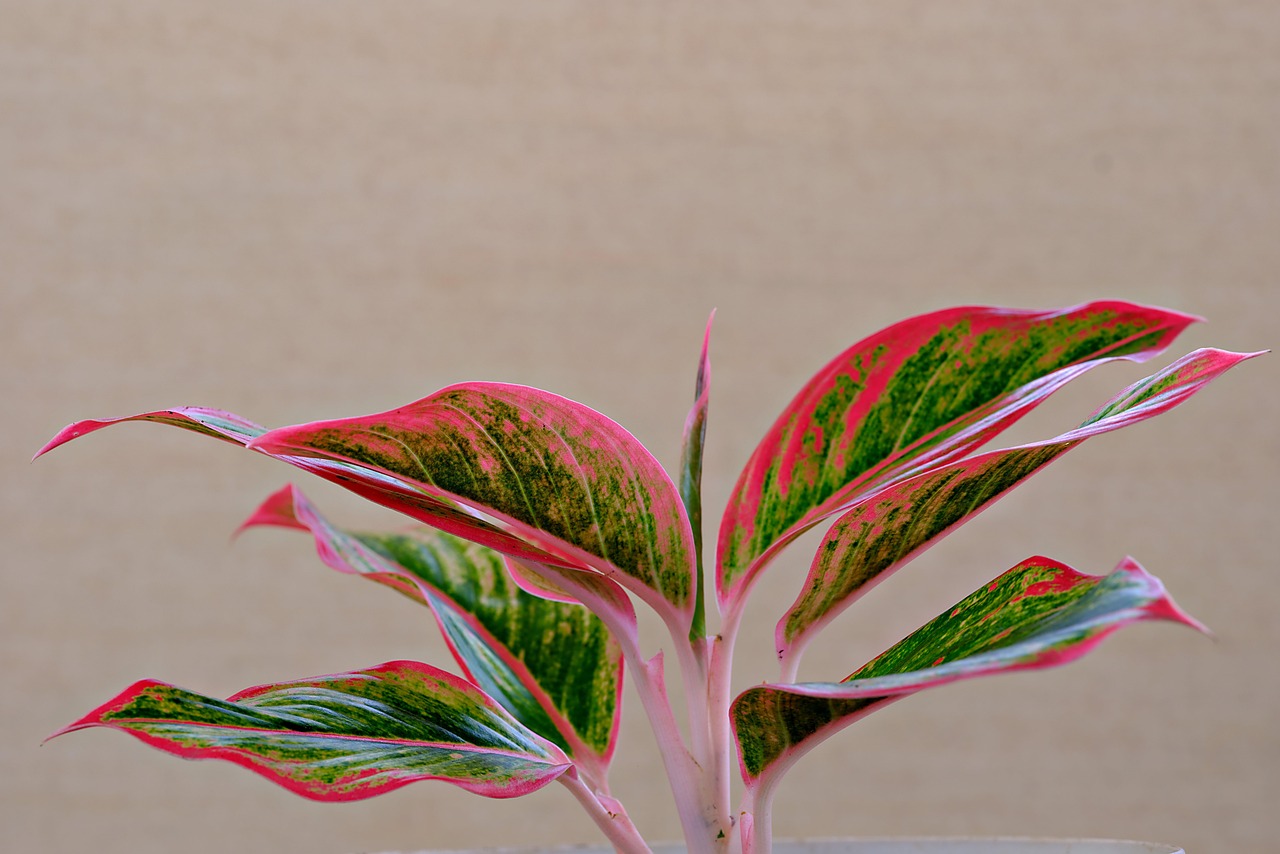
Soil, Fertilization, and Repotting
Choosing the right soil is the most critical step in preventing root rot, which is the primary cause of decline for Aglaonema. Because these plants are susceptible to moisture stress, they require a medium that retains some hydration while allowing excess water to drain away quickly. Use a high-quality, peat-based potting mix amended with perlite or orchid bark to improve aeration and drainage. Avoid heavy garden soils, which hold too much water and suffocate the roots.
Feeding your Chinese Evergreen helps maintain its vibrant foliage, but moderation is key. Over-fertilizing can lead to salt buildup in the soil, which causes leaf tip burn. Follow these guidelines for successful feeding:
- Use a balanced, water-soluble houseplant fertilizer.
- Dilute the solution to half-strength to prevent chemical burn.
- Apply only during the active growing season, typically from spring through late summer.
- Pause fertilization entirely during the winter months when the plant’s growth naturally slows.
Aglaonemas generally prefer to be slightly pot-bound, so there is no need to rush the repotting process. Frequent repotting can cause unnecessary transplant shock and disrupt the root system. Instead, aim to repot your plant only once every two to three years, or sooner if you notice roots growing out of the drainage holes or circling the surface of the soil.
When you do repot, choose a container that is only one to two inches larger in diameter than the current pot. Ensure the new pot has adequate drainage holes at the bottom. Gently loosen the root ball, place it into the fresh potting mix, and water thoroughly to help the roots settle. If the plant is already in a large container, you can simply refresh the top two inches of soil with a new potting mix to provide a nutrient boost without disturbing the established root system. This gentle approach keeps your Aglaonema healthy and prevents the stress associated with frequent repotting.
Pruning and Safety Precautions
Regular maintenance is essential for keeping your Aglaonema healthy and vibrant. Over time, it is natural for older, lower leaves to turn yellow or brown as the plant redirects energy toward new growth. When you notice these damaged or unsightly leaves, prompt removal is recommended to keep the plant looking its best and to prevent potential pest issues.
To prune your Chinese Evergreen effectively, follow these steps:
- Use clean, sharp pruning shears or scissors. Dull blades can crush stems, creating jagged wounds that take longer to heal.
- Sanitize your tools with rubbing alcohol before and after each use. This simple step prevents the accidental spread of bacteria or fungal pathogens between your houseplants.
- Make your cut close to the main stem, but avoid nicking the stem itself.
Safety should always be a priority when handling this plant. Aglaonema contains calcium oxalate crystals, which can cause significant skin irritation upon contact with the sap. Always wear a pair of gardening gloves to protect your hands while pruning or repotting.
Furthermore, it is vital to be aware of the plant’s toxicity. The Chinese Evergreen is considered toxic to both humans and pets if ingested. Ingesting any part of the plant can cause oral irritation, swelling of the throat, and digestive distress. To ensure a safe home environment, place your plant in a location that is completely inaccessible to curious toddlers or household pets, such as on a high shelf or in a room they do not frequent.
By staying diligent with your pruning routine and maintaining these safety boundaries, you can enjoy the lush, variegated foliage of your Aglaonema while minimizing risks. If you suspect that a pet or child has ingested any part of the plant, contact your veterinarian or a poison control center immediately for professional guidance.

Troubleshooting and Long-Term Care
Even with the best intentions, your Aglaonema may occasionally signal that it needs a change in routine. Troubleshooting is a natural part of plant parenting, and most issues are easily reversible if addressed promptly.
If you notice drooping leaves or brown, crispy tips, your plant is likely reacting to its environment. These symptoms are almost always tied to your watering schedule or ambient humidity levels:
- Brown leaf tips: This often indicates low humidity or a buildup of salts from tap water. Try moving the plant away from drafts or using filtered water.
- Drooping leaves: This is a classic sign of either underwatering or, more dangerously, soil that stays soggy for too long. Always check the top two inches of soil before adding more water.
Pests can also occasionally make an appearance. Mealybugs, which look like small white cottony tufts, are the most common culprit. If you spot them, do not panic. You can effectively manage them by wiping the affected areas with a soft, damp cloth or applying a light coating of neem oil to the leaves. Regularly inspecting the undersides of leaves during your watering routine will help you catch these pests before they spread.
If your plant stops growing entirely or shows signs of severe decay despite your best efforts, it is time to look beneath the surface. Carefully remove the plant from its pot to inspect the root system. Healthy roots should be firm and light-colored; if they appear mushy, dark, or smell unpleasant, you are likely dealing with root rot. In such cases, trim away the damaged roots and repot the plant in fresh, well-draining soil.
If you have tried these adjustments and the plant continues to struggle, consider consulting a local nursery professional. They can provide specific advice tailored to your local climate and help you determine if your Aglaonema needs a specialized soil mix or a different light exposure to thrive long-term.

Dedicated team of gardening enthusiasts with years of hands-on experience testing lawn mowers, gardening tools, and outdoor equipment. We help home gardeners and professionals alike make informed buying decisions with honest, thorough reviews. From push mowers to pruning shears, we test it all so you don’t have to. Got a gardening tool you’d like us to review? Get in touch!