
Learning how to care for a rubber plant indoors is straightforward once you understand its basic needs. These popular houseplants thrive when provided with bright, indirect light and a consistent watering schedule. By mimicking their native tropical environment, you can easily maintain their striking, glossy foliage and keep them healthy for years.
While rubber plants are known for being relatively low-maintenance, they still require specific conditions to reach their full architectural potential. They are not indestructible, so understanding how to balance moisture levels and light exposure is essential. With the right approach, you will avoid common pitfalls like leaf drop or root rot.
This guide provides practical, actionable steps to help your Ficus elastica thrive in a home environment. We will cover everything from ideal light requirements and soil preferences to long-term maintenance tips. Follow these simple instructions to ensure your rubber plant remains a vibrant, flourishing centerpiece in your indoor garden collection today.
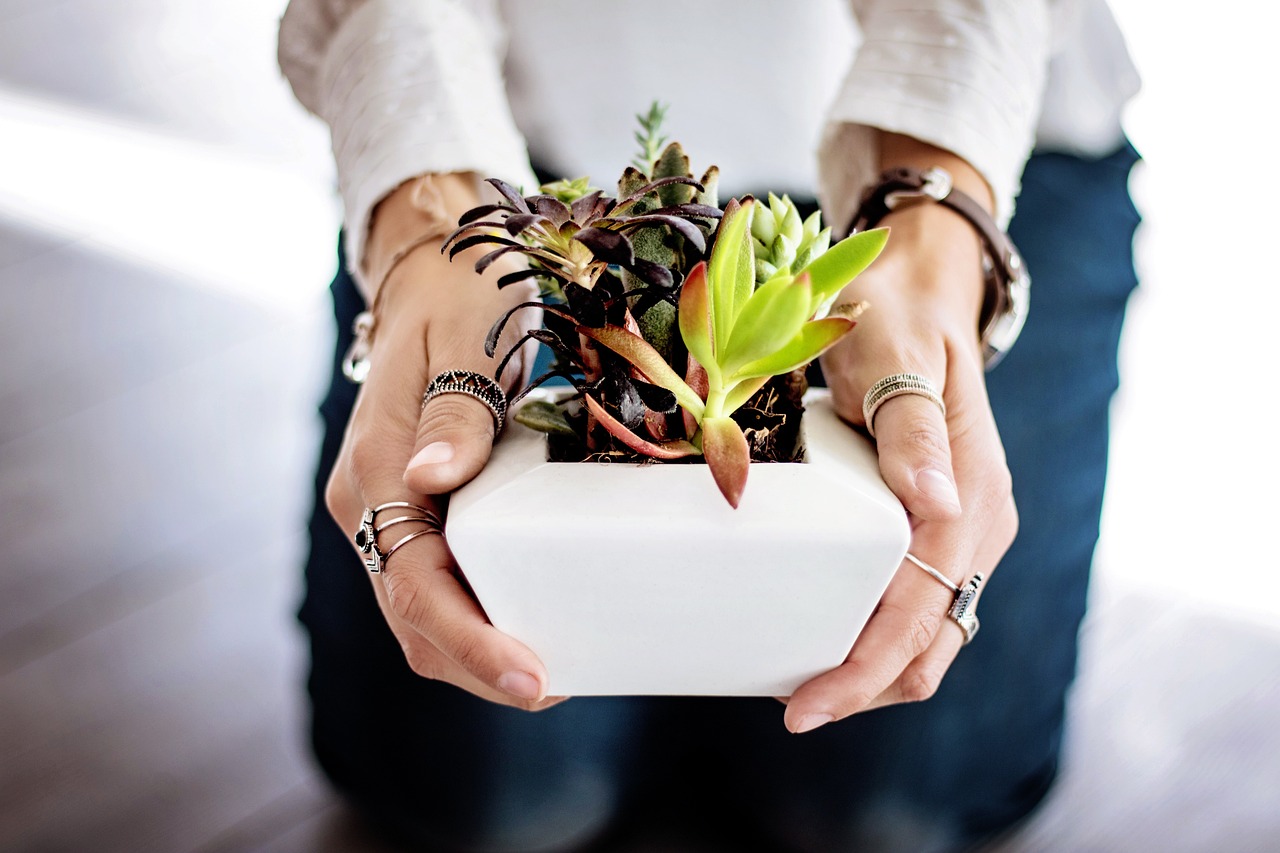
Ideal Light and Placement for Your Rubber Plant
The rubber plant (Ficus elastica) is a sun-loving species that thrives best when provided with bright, indirect light. While these plants are remarkably resilient, their light requirements are the primary factor in determining their overall health, leaf color, and growth rate.
For optimal results, position your rubber plant near an east-facing window. This placement allows the plant to soak up gentle morning sun, which encourages robust growth without the risk of heat stress. If you only have access to south- or west-facing windows, be cautious; the intense afternoon sun can be too harsh for the foliage, leading to unsightly leaf scorch or bleached, pale patches.
If your indoor space lacks natural light, you may notice the plant becoming “leggy,” with large gaps between the leaves as it stretches toward the light source. To maintain a full, symmetrical appearance, follow these simple placement practices:
- Filter harsh rays: If you must place your plant in a south-facing window, use a thin sheer curtain to diffuse the intensity of the light.
- Rotate regularly: Because rubber plants naturally lean toward the light, rotate the pot a quarter-turn every time you water. This ensures all sides of the plant receive equal exposure, promoting balanced, upright growth.
- Monitor leaf color: If the leaves begin to lose their deep, glossy sheen or variegation fades, your plant is likely not receiving enough light. Move it closer to a window, but do so gradually to avoid shocking the plant.
Avoid placing your rubber plant in dark corners or hallways with no windows. While it may survive for a short time in low light, it will eventually stop producing new leaves and may become susceptible to pests or root rot due to slow transpiration. By providing consistent, filtered brightness, you create the perfect environment for your rubber plant to flourish and reach its full potential as a stunning indoor focal point.
Watering and Humidity Requirements
Mastering the watering schedule is the most critical step in keeping your rubber plant (Ficus elastica) healthy. These plants are prone to root rot if left in waterlogged soil, so resist the urge to water on a strict calendar schedule. Instead, use the finger test: insert your finger into the soil up to the second knuckle. If the top two inches feel dry, it is time to water. If the soil still feels damp, wait a few more days.
When you do water, ensure you provide enough to moisten the entire root ball, but never let the plant sit in a saucer of standing water. Always use a pot with adequate drainage holes to allow excess moisture to escape. If your pot lacks drainage, you risk suffocating the roots, which often leads to yellowing leaves and eventual plant decline.
While rubber plants are remarkably adaptable to the average humidity levels found in most homes, they originate from tropical environments and will thrive with a little extra care. If your indoor air is particularly dry—especially during winter months when heaters are running—you can improve their environment with these simple techniques:
- Misting: Lightly mist the foliage with a spray bottle once or twice a week to mimic natural humidity.
- Leaf Cleaning: Regularly wipe the broad, glossy leaves with a soft, damp cloth. This serves two purposes: it removes dust that blocks sunlight, and it helps the plant breathe more efficiently, which directly improves photosynthesis.
- Grouping: Place your rubber plant near other houseplants to create a small, localized microclimate with higher humidity levels.
By keeping the foliage clean and the soil well-drained, you provide the ideal conditions for your rubber plant to develop its signature thick, vibrant leaves. Remember, it is always safer to underwater slightly than to overwater; if you notice the leaves drooping, the plant will usually recover quickly once you provide a thorough soak.

Soil, Fertilization, and Repotting
The foundation of a thriving rubber plant (Ficus elastica) begins with the right soil. Because these plants are susceptible to root rot, you must use a well-draining, high-quality potting mix. A blend specifically formulated for indoor tropical plants or a standard potting soil amended with perlite or orchid bark works best to ensure excess water moves away from the root system quickly.
Feeding your rubber plant encourages lush, glossy foliage. During the active growing season—typically spring and summer—apply a balanced liquid fertilizer once a month. Dilute the fertilizer to half-strength to prevent nutrient burn, and always apply it to moist soil rather than bone-dry roots to protect the plant’s health.
As your rubber plant matures, it will eventually outgrow its container. You should plan to repot your plant every one to two years. You will know it is time to upgrade when you notice the following signs:
- Roots are visibly circling the bottom of the pot or growing out of the drainage holes.
- The plant has stopped producing new leaves despite being in its growing season.
- The soil dries out much faster than it used to, indicating the root mass has overtaken the available space.
When you repot, choose a container that is only one size larger than your current one—usually two inches wider in diameter. Moving to a pot that is too large can lead to excess soil staying wet for too long, which invites fungal issues and root decay. Ensure the new pot has adequate drainage holes at the base. Gently tease the roots outward if they are tightly bound before placing the plant in its new home and backfilling with fresh, aerated soil. After repotting, water the plant thoroughly to help the soil settle around the roots, then return it to its usual spot with bright, indirect light to recover from the transition.
Pruning and Safety Precautions
Rubber plants (Ficus elastica) are vigorous growers that can quickly reach the ceiling in indoor environments. If your plant begins to look leggy or outgrows its designated space, strategic pruning is the best way to regain control and encourage a fuller, bushier appearance. By removing the main stem or side branches, you signal the plant to redirect its energy into lateral growth.
Before you begin, safety is paramount. Rubber plants contain a milky, white latex sap that is a known skin and eye irritant. To protect yourself and ensure the health of the plant, follow these essential steps:
- Wear protective gear: Always wear gardening gloves to prevent the sap from coming into contact with your skin. If the sap touches your skin, wash the area thoroughly with soap and water immediately.
- Sterilize your tools: Use sharp, high-quality bypass pruners. Wipe the blades with a cloth soaked in rubbing alcohol before and after use to prevent the spread of bacteria or fungal spores.
- Make precise cuts: Identify a leaf node—the point where a leaf meets the stem—and make your cut approximately one-quarter inch above it. The plant will typically sprout new growth from this node.
- Protect surfaces: The sap can drip during the process; lay down a drop cloth or newspaper to protect your flooring or furniture.
After pruning, you may notice the sap continuing to ooze from the cut site. You can dab the end with a clean paper towel to stop the flow. Keep the plant in its usual spot, but monitor the cut area for a few days to ensure it is healing properly.
Finally, consider the safety of your household. The latex sap and the leaves themselves are toxic to cats and dogs if ingested. Keep your rubber plant in a location inaccessible to curious pets, and ensure that any trimmings are disposed of immediately in a secure bin. If you have sensitive skin or known latex allergies, exercise extra caution when handling the plant.

Troubleshooting Common Issues and Ongoing Care
Even with a consistent routine, your rubber plant may occasionally signal distress. Observing your plant closely is the best way to catch problems before they escalate. Most issues are easily corrected by adjusting your environment or watering schedule.
If you notice your rubber plant struggling, use this quick guide to identify the cause:
- Yellowing leaves: This is the most common sign of overwatering. Ensure your pot has adequate drainage and allow the top two inches of soil to dry out completely before watering again.
- Drooping leaves: This often indicates the plant is thirsty or experiencing a sudden change in light. Check the soil moisture; if it is bone-dry, give the plant a thorough soak.
- Pests: Regularly inspect the undersides of leaves and the stems. Look for fine webbing (spider mites) or small, brown, bump-like growths (scale). Wipe these away with a damp cloth or neem oil.
If you notice persistent leaf drop or a musty smell coming from the soil, your plant may be suffering from root rot. In this case, gently remove the plant from its container to inspect the roots. Trim away any mushy, blackened sections and repot the plant into fresh, well-draining soil.
As your rubber plant matures, it may eventually outgrow your space. If the plant becomes too large to manage or loses its lower foliage, don’t worry. You can easily propagate a healthy stem cutting to start a new, smaller plant. Simply snip a section of the stem just below a leaf node, place it in water or moist potting mix, and wait for new roots to develop.
Remember that rubber plants are sensitive to sudden environmental shifts. Whenever possible, keep your plant away from cold drafts, air conditioning vents, and direct heat sources. By maintaining stable conditions and inspecting your plant every time you water, you will ensure it remains a healthy, vibrant centerpiece in your home for years to come.

Dedicated team of gardening enthusiasts with years of hands-on experience testing lawn mowers, gardening tools, and outdoor equipment. We help home gardeners and professionals alike make informed buying decisions with honest, thorough reviews. From push mowers to pruning shears, we test it all so you don’t have to. Got a gardening tool you’d like us to review? Get in touch!