
Learning how to care for a maidenhair fern requires mastering consistent moisture and high humidity levels. These delicate, feathery plants are notoriously fussy houseplants that demand specific environmental conditions to thrive indoors. By understanding their unique needs, you can easily prevent common issues like crispy fronds and ensure your Adiantum remains lush and vibrant.
While these ferns are famous for being temperamental, they are not impossible to grow if you provide the right setting. They naturally flourish in shaded, damp forest floors, which means they struggle in dry, drafty home environments. Setting realistic expectations is the first step toward successfully keeping these elegant plants healthy throughout the entire year.
This comprehensive guide breaks down the essential environmental requirements needed to keep your plant happy. We will cover the specific light, humidity, and watering techniques necessary for long-term success. Follow these practical care tips to move past common struggles and finally enjoy the beauty of a healthy, thriving maidenhair fern in your home.

Understanding the Natural Habitat of Maidenhair Ferns
To successfully care for a maidenhair fern (Adiantum), you must first understand its origins. These delicate plants are native to damp, shaded forest floors, rocky crevices near waterfalls, and humid tropical environments. In these natural settings, the air is perpetually saturated with moisture, and the soil remains consistently damp without ever becoming waterlogged.
When you bring a maidenhair fern into a modern home, you are moving it from a lush, protected microclimate into a relatively harsh environment. Most homes feature dry air—especially during winter months—and inconsistent watering schedules. These conditions are the primary culprits behind the common issue of crisping, browning fronds.
The plant’s lacy, thin foliage is designed to transpire rapidly in high-humidity environments. When the surrounding air is dry, the fern loses moisture faster than its roots can pull it from the soil. Once the fronds lose this internal water balance, they quickly dehydrate, turn brittle, and eventually die back.
To mimic their natural habitat, focus on these two environmental pillars:
- Humidity: Maidenhair ferns thrive in humidity levels above 50%. Grouping them with other plants, placing them in a bathroom with natural light, or using a pebble tray can help maintain the necessary moisture barrier around the leaves.
- Consistent Soil Moisture: These plants do not tolerate drought. The potting medium should feel like a wrung-out sponge at all times. If the top inch of soil feels dry to the touch, your fern is already experiencing stress.
By shifting your perspective to view your home through the eyes of a forest-floor dweller, you can better anticipate the fern’s needs. If your plant begins to crisp, it is rarely a sign of a disease; rather, it is a direct signal that the ambient humidity or soil moisture has dropped below the threshold required for its delicate fronds to remain supple and green.
Mastering Light and Temperature Requirements
The delicate, lace-like fronds of a maidenhair fern are notoriously sensitive, making the environment you choose the most critical factor in their survival. To thrive, these ferns require bright, indirect light. Think of the dappled light found on a forest floor; this is the ideal intensity for their foliage.
Avoid placing your fern in direct sunlight, even for short periods. The sun’s rays will quickly scorch the thin, papery leaves, causing them to turn brown, crisp, and eventually drop. An east-facing window with a sheer curtain is often the perfect spot, as it provides gentle morning light without the harsh intensity of midday sun.
Temperature stability is just as vital as light. Maidenhair ferns prefer consistent, moderate room temperatures between 60°F and 75°F (15°C–24°C). They are highly intolerant of sudden fluctuations, which often lead to rapid leaf loss. To ensure your plant stays healthy, keep it away from these common household hazards:
- Drafty windows or doors: Cold air currents can shock the plant, causing fronds to curl and wither.
- Heating and cooling vents: Direct airflow from HVAC systems creates dry, artificial conditions that quickly dehydrate the delicate foliage.
- Appliances: Avoid placing your fern near radiators, fireplaces, or stoves, as the intense, dry heat will compromise the plant’s moisture levels.
If you notice your fern losing leaves despite regular watering, the culprit is often an unstable environment. If your home is prone to temperature swings, try relocating the plant to a more sheltered area, such as a bathroom with a window. The combination of stable, moderate temperatures and the natural humidity often found in bathrooms makes these rooms an excellent sanctuary for a maidenhair fern. By prioritizing a consistent, draft-free location with filtered light, you create the stable foundation these beautiful plants need to maintain their lush, vibrant appearance throughout the year.
Watering and Humidity Strategies for Success
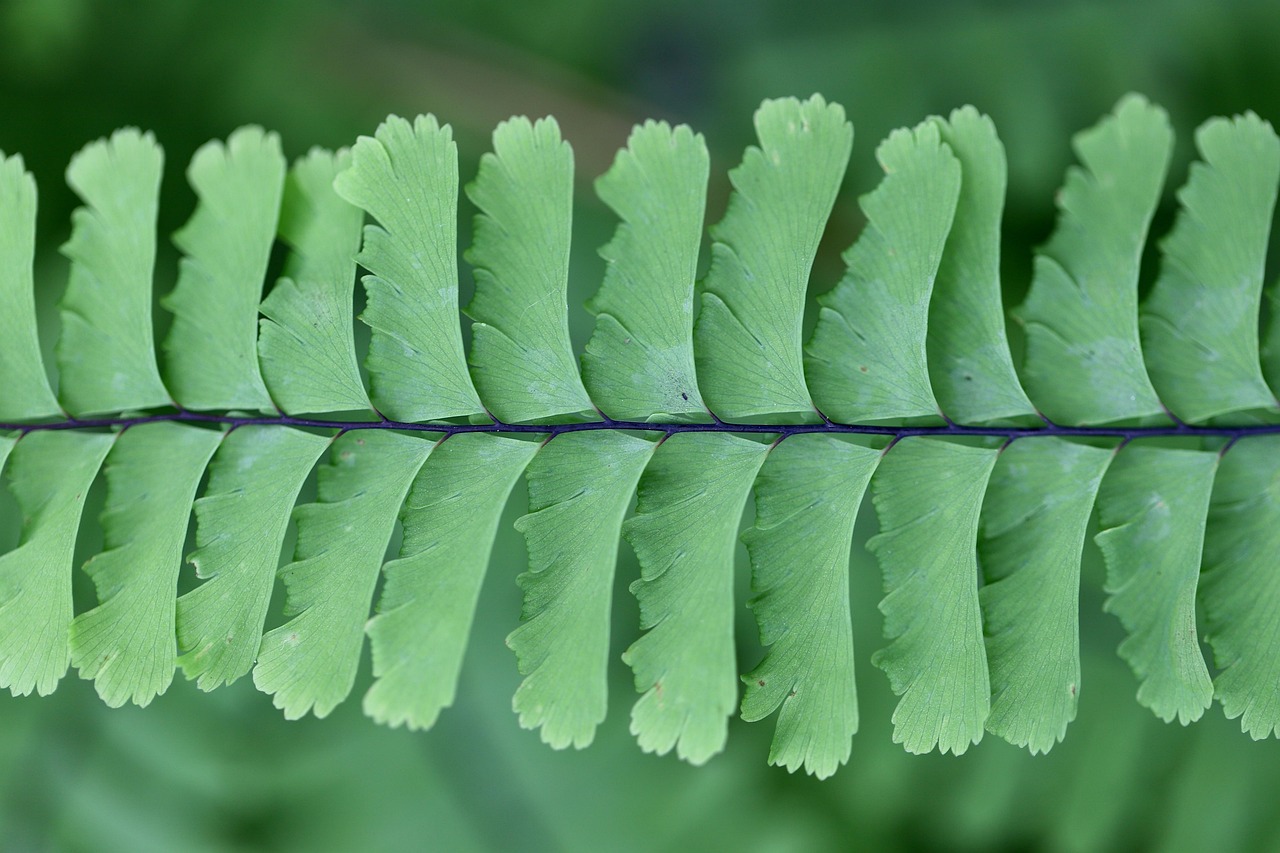
The Maidenhair fern (Adiantum) is notoriously sensitive to moisture fluctuations. Its delicate, fan-shaped fronds act as a barometer for your home’s environment; if the soil dries out or the air becomes too arid, the plant will quickly signal its distress through yellowing, crispy leaves and premature drop.
Your primary goal is to maintain consistent soil moisture. The potting medium should feel like a wrung-out sponge—damp to the touch but never saturated. Never allow the top inch of soil to dry out completely. If the soil pulls away from the edges of the pot, you have waited too long to water.
To achieve this balance, follow these practical watering guidelines:
- Use room-temperature water: Cold water can shock the root system of tropical ferns.
- Check drainage: Ensure your pot has drainage holes. While these plants love moisture, they will develop root rot if left sitting in standing water.
- Bottom-water when possible: Place the pot in a shallow basin of water for 15 minutes to allow the soil to wick up exactly what it needs without over-saturating the crown.
Beyond soil moisture, ambient humidity is the most critical factor for success. Maidenhair ferns thrive in environments with 50% humidity or higher. In standard home conditions, especially during winter heating months, you must supplement the air moisture to prevent leaf desiccation.
Implement these strategies to boost local humidity:
- Pebble trays: Fill a shallow tray with pebbles and water, then set the pot on top. Ensure the base of the pot sits above the waterline to prevent root rot. As the water evaporates, it creates a localized microclimate.
- Group plants: Clustering your ferns with other moisture-loving plants creates a small ecosystem that retains humidity more effectively than a lone plant.
- Humidifiers: If your home is exceptionally dry, running a small humidifier nearby is the most efficient way to mimic the fern’s native, damp forest floor habitat.
By prioritizing steady soil moisture and elevated ambient humidity, you will significantly reduce the risk of leaf drop and keep your fern lush and vibrant.
Soil, Fertilization, and Pruning Safety
Maidenhair ferns thrive in soil that remains consistently moist but never waterlogged. Because these delicate plants are sensitive to root rot, use a high-quality, peat-based potting mix. Adding a small amount of perlite or orchid bark to the mix will improve aeration and drainage, ensuring the roots have access to oxygen while retaining the humidity the fern craves.
Fertilization should be approached with caution. Maidenhair ferns are light feeders and can easily suffer from fertilizer burn if over-applied. During the active growing season—typically spring through early autumn—use a balanced, water-soluble fertilizer diluted to half or even quarter strength. Apply this solution once a month. Cease all fertilization during the winter months when the plant enters its natural period of dormancy.
Pruning is essential for maintaining a lush, healthy appearance, especially as individual fronds inevitably brown or wither. Follow these safety and maintenance best practices to keep your plant thriving:
- Use proper tools: Always use clean, sharp pruning shears. Dull blades can crush delicate stems, creating jagged wounds that invite pathogens.
- Sanitize regularly: Wipe your shears with rubbing alcohol or a mild bleach solution before and after pruning. This simple step prevents the spread of fungal or bacterial diseases from other plants in your collection.
- Cut at the base: When removing dead or yellowing fronds, trim them off cleanly at the soil line. Avoid tearing the stems, which can damage the crown of the fern.
- Protect your skin: If you have sensitive skin, wear gardening gloves. This protects you from potential irritation caused by soil microbes or the sap of certain plant varieties.
By keeping your tools sterile and providing a well-draining environment, you create the ideal conditions for your maidenhair fern to produce vibrant, new growth. Always observe your plant closely after pruning; if you notice any signs of distress, ensure the soil moisture levels are balanced and that the plant is not being exposed to harsh, direct sunlight.
Troubleshooting Common Issues and When to Seek Help
Maidenhair ferns are notoriously communicative plants. If their delicate fronds begin to change color, they are likely signaling that their environmental needs are not being met. Understanding these cues allows you to troubleshoot issues before they become terminal.
Yellowing fronds often suggest overwatering or poor drainage. These ferns prefer consistently moist soil, but they cannot tolerate sitting in standing water. If the soil feels soggy or smells musty, pause watering immediately and ensure your pot has adequate drainage holes. Conversely, crispy, browning fronds usually indicate low humidity or underwatering. Because these plants thrive in high-moisture environments, a dry home interior can quickly lead to dehydration.
If your fern dries out completely and appears dead, do not discard it immediately. Maidenhair ferns have resilient rhizomes that can often sprout new growth if the plant is rehydrated and placed in a humid spot. Trim back the dead foliage to encourage the plant to direct its energy into new shoots.
If adjusting your watering and humidity routine does not resolve the issue, consider these potential problems:
- Pests: Inspect the undersides of leaves for tiny webs (spider mites) or scale. If found, gently wipe the fronds with a damp cloth or apply a mild insecticidal soap.
- Root-bound soil: If water runs straight through the pot without soaking in, the plant may be root-bound. Gently remove the fern to check the root ball; if roots are circling the perimeter, it is time to repot into a slightly larger container with fresh, peat-based potting mix.
- Water quality: These plants are sensitive to the chlorine and minerals found in tap water. If your fern shows brown tips despite proper moisture, try switching to distilled or filtered water.
Persistent issues despite these adjustments may indicate a deeper environmental mismatch, such as exposure to cold drafts or direct, scorching sunlight. Move the plant to a more stable location and observe it for a few weeks before taking further action.

Dedicated team of gardening enthusiasts with years of hands-on experience testing lawn mowers, gardening tools, and outdoor equipment. We help home gardeners and professionals alike make informed buying decisions with honest, thorough reviews. From push mowers to pruning shears, we test it all so you don’t have to. Got a gardening tool you’d like us to review? Get in touch!