
Learning how to care for a jasmine plant indoors is the secret to enjoying its intoxicating fragrance and delicate white blooms year-round. While these plants are famous for their beauty, they require specific environmental conditions to thrive inside your home. With the right approach, you can easily cultivate a healthy, flowering specimen in any sunny room.
Growing jasmine indoors can be challenging because these plants crave bright light and high humidity levels that typical homes often lack. It is important to understand that they are not low-maintenance houseplants and will struggle if their needs for cool nights and consistent moisture are ignored. Realistic expectations ensure your plant stays vibrant and green.
This comprehensive guide covers the essential light, water, and environmental needs to help your indoor jasmine thrive and bloom year after year. We will explore practical tips for soil selection, pruning techniques, and seasonal care adjustments. Follow these expert steps to transform your living space into a fragrant, blooming sanctuary that truly flourishes indoors.
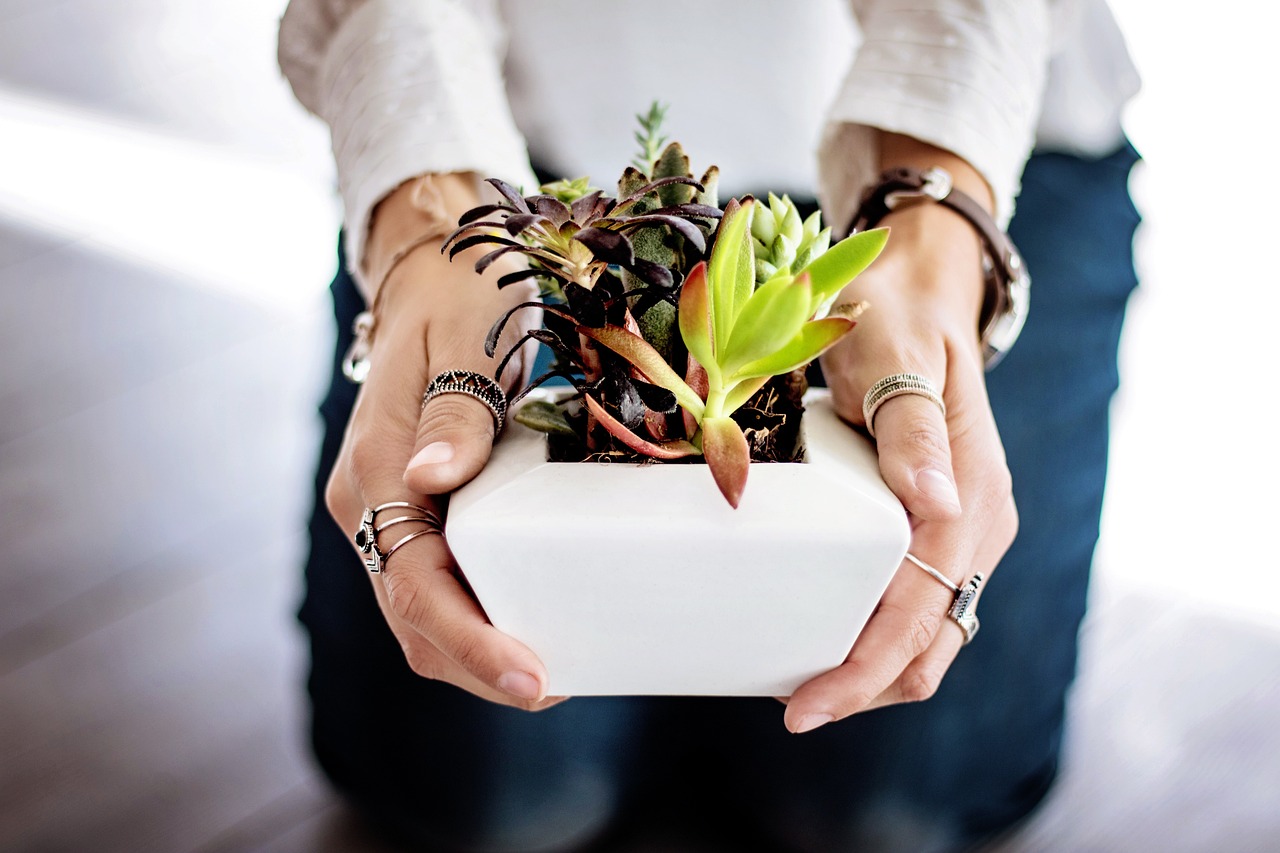
Ideal Light and Temperature Conditions
Jasmine plants are sun-loving specimens that require specific conditions to thrive and produce their signature fragrant blooms indoors. Light is the most critical factor for success; without adequate intensity, your plant may grow leggy and fail to flower.
To provide the best environment, place your jasmine in a south or west-facing window. These locations typically offer the most consistent exposure throughout the day. Aim for at least four to six hours of direct sunlight daily to keep the plant energized and healthy.
If your home lacks natural light, you can supplement with a full-spectrum LED grow light placed a few inches above the foliage. This ensures the plant receives the energy it needs, especially during the shorter days of winter.
Temperature management is equally important for maintaining a stable growth cycle. Jasmine prefers moderate indoor conditions and performs best when you follow these guidelines:
- Optimal Range: Keep your plant in an environment between 60 and 75 degrees Fahrenheit.
- Avoid Fluctuations: Drastic temperature changes can cause buds to drop prematurely.
- Strategic Placement: Keep the pot away from cold window drafts, exterior doors, or air conditioning vents.
- Heat Protection: Never place your jasmine directly next to a radiator, space heater, or fireplace, as these heat sources dry out the air too rapidly and can scorch the leaves.
While jasmine enjoys warmth, it also appreciates good air circulation. A spot with gentle, indirect airflow prevents the stagnant conditions that sometimes lead to pests like spider mites. If your home air is particularly dry during the heating season, consider placing the pot on a tray filled with pebbles and water to increase local humidity without saturating the soil. By balancing bright light with a stable, temperate climate, you create the perfect foundation for your jasmine to bloom consistently throughout the growing season.
Watering and Humidity Requirements
Achieving the perfect balance of moisture is the most critical aspect of indoor jasmine care. While these plants appreciate consistent hydration, they are highly susceptible to root rot if left in saturated soil. Always ensure your pot has adequate drainage holes to allow excess water to escape freely.
To determine when your plant needs a drink, use the finger test. Insert your finger about one inch into the soil. If it feels dry to the touch, it is time to water. If the soil still feels damp, wait another day or two. During the active growing season in spring and summer, jasmine will require more frequent watering, while its needs will decrease significantly during the cooler winter months.
Beyond soil moisture, jasmine plants crave a humid environment to mimic their native tropical habitat. Indoor air, especially during winter when heating systems are running, is often too dry for these plants. If the air is too arid, you may notice brown, crispy leaf tips or a lack of flower buds.
To maintain optimal humidity levels, try these practical methods:
- Use a pebble tray: Place your pot on a shallow tray filled with a layer of pebbles and a small amount of water. Ensure the bottom of the pot sits on the stones, not directly in the water, to prevent root rot. As the water evaporates, it creates a localized humid microclimate.
- Group plants together: Placing your jasmine near other houseplants can create a communal humid zone as the plants release moisture through transpiration.
- Use a humidifier: If you are growing jasmine in a particularly dry room, running a small humidifier nearby is the most effective way to keep humidity levels consistent.
By monitoring the soil moisture closely and providing supplemental humidity, you create an environment where your jasmine can thrive, bloom, and fill your home with its signature fragrance year-round.

Soil, Fertilization, and Pruning
To keep your indoor jasmine thriving, the foundation starts with the right soil. Jasmine plants are susceptible to root rot if their feet stay too wet, so prioritize a high-quality, peat-based potting mix. This type of medium provides the necessary acidity jasmine craves while ensuring excellent drainage. When potting, always ensure your container has functional drainage holes to allow excess water to escape freely, preventing the soil from becoming waterlogged.
Feeding your plant is essential during its active growth phase. From early spring through late summer, jasmine plants require consistent nutrients to support their rapid growth and fragrant blooms. Use a balanced, water-soluble liquid fertilizer every two to four weeks. Always dilute the fertilizer to half-strength to avoid burning the delicate roots, and ensure the soil is slightly moist before application to promote better nutrient uptake.
Regular maintenance through pruning keeps your jasmine healthy and prevents it from becoming leggy or overgrown. Use sharp, sanitized pruning shears to ensure clean cuts, which help the plant heal faster and reduce the risk of disease. Follow these best practices when pruning:
- Remove dead or damaged wood: Trim away any brown, brittle stems to redirect the plant’s energy toward healthy growth.
- Shape for structure: Lightly trim the tips of long, unruly vines to encourage bushier, more compact growth.
- Post-bloom cleanup: Once the flowering cycle concludes, prune back the stems to keep the plant tidy and prepare it for the next season.
Safety is a priority during maintenance. Some jasmine varieties produce a sap that can cause skin irritation or allergic reactions in sensitive individuals. Always wear a pair of sturdy gardening gloves before you begin pruning to protect your hands and arms from contact with the sap. If you accidentally get sap on your skin, wash the area thoroughly with soap and water immediately to prevent any potential irritation.
Managing Pests and Air Circulation
Indoor jasmine plants thrive in warm, stable environments, but these conditions are also favorites for common household pests like spider mites and aphids. Because indoor air often lacks the natural ventilation found outdoors, these insects can multiply quickly if left unchecked. Establishing a proactive monitoring routine is the best way to protect your plant’s health.
Inspect your jasmine at least once a week, paying close attention to the undersides of the leaves and the joints where stems meet the main stalk. Look for the following warning signs:
- Spider Mites: Fine, silk-like webbing stretched between leaves or stems.
- Aphids: Small, soft-bodied insects often clustered on new, tender growth.
- Sticky Residue: A shiny, honeydew-like substance on the foliage, which often indicates an active infestation.
Maintaining proper airflow is your strongest defense against these invaders. Avoid crowding your jasmine among other houseplants, as stagnant, humid air pockets between leaves create the perfect breeding ground for pests. If you notice your plant is cramped, move it to a location with better natural circulation, ensuring it remains away from direct heating vents or cold drafts.
Regular cleaning is equally important. Dust buildup on leaves not only inhibits photosynthesis but can also provide cover for pests. To keep your jasmine breathing easily:
- Gently wipe both sides of each leaf with a soft, damp cloth.
- Support the leaf from underneath with your hand to prevent tearing.
- Use only lukewarm, filtered water to avoid spotting or chemical damage.
If you do discover a pest issue, isolate the plant immediately to prevent the infestation from spreading to your other greenery. A gentle spray of diluted neem oil or insecticidal soap is usually sufficient to clear minor outbreaks. Always test a single leaf first to ensure the plant does not react negatively to the treatment before applying it to the entire foliage.

Common Questions and Troubleshooting
If your jasmine plant is failing to produce flowers, it is usually a sign that your indoor environment needs a slight adjustment. Jasmine typically requires at least four to six hours of bright, direct sunlight to set buds. If your plant is in a dim corner, move it to a south-facing window to encourage blooming.
Additionally, jasmine often requires a distinct “rest period” during the winter months. To trigger a healthy bloom cycle for the following spring, place your plant in a cooler room where temperatures hover between 50°F and 60°F (10°C–15°C) for several weeks. Reducing water during this dormant phase is also essential.
Yellowing leaves are frequently a cry for help regarding your watering schedule. Jasmine prefers consistent moisture, but it cannot tolerate “wet feet.” If the leaves turn yellow or drop unexpectedly, consider these troubleshooting steps:
- Check drainage: Ensure your pot has functional drainage holes and that the plant is not sitting in a saucer of standing water.
- Test the soil: Before watering, stick your finger an inch into the soil. If it feels damp, wait a few more days.
- Assess soil texture: If the soil remains soggy for long periods, repot the jasmine into a well-draining, peat-based potting mix.
While jasmine is generally resilient, it can occasionally fall victim to common indoor pests like spider mites or aphids. If you notice fine webbing or sticky residue on the undersides of leaves, wipe the foliage down with a damp cloth or apply a mild insecticidal soap.
If you suspect severe root rot—indicated by a foul smell from the soil or mushy, blackened stems—you may need to take more drastic action. If these issues persist despite your best efforts, do not hesitate to contact a local nursery professional. They can provide specific diagnostics and recommend targeted treatments to save your plant before the damage becomes irreversible. Remember, early intervention is the best way to keep your indoor jasmine thriving year after year.

Dedicated team of gardening enthusiasts with years of hands-on experience testing lawn mowers, gardening tools, and outdoor equipment. We help home gardeners and professionals alike make informed buying decisions with honest, thorough reviews. From push mowers to pruning shears, we test it all so you don’t have to. Got a gardening tool you’d like us to review? Get in touch!