
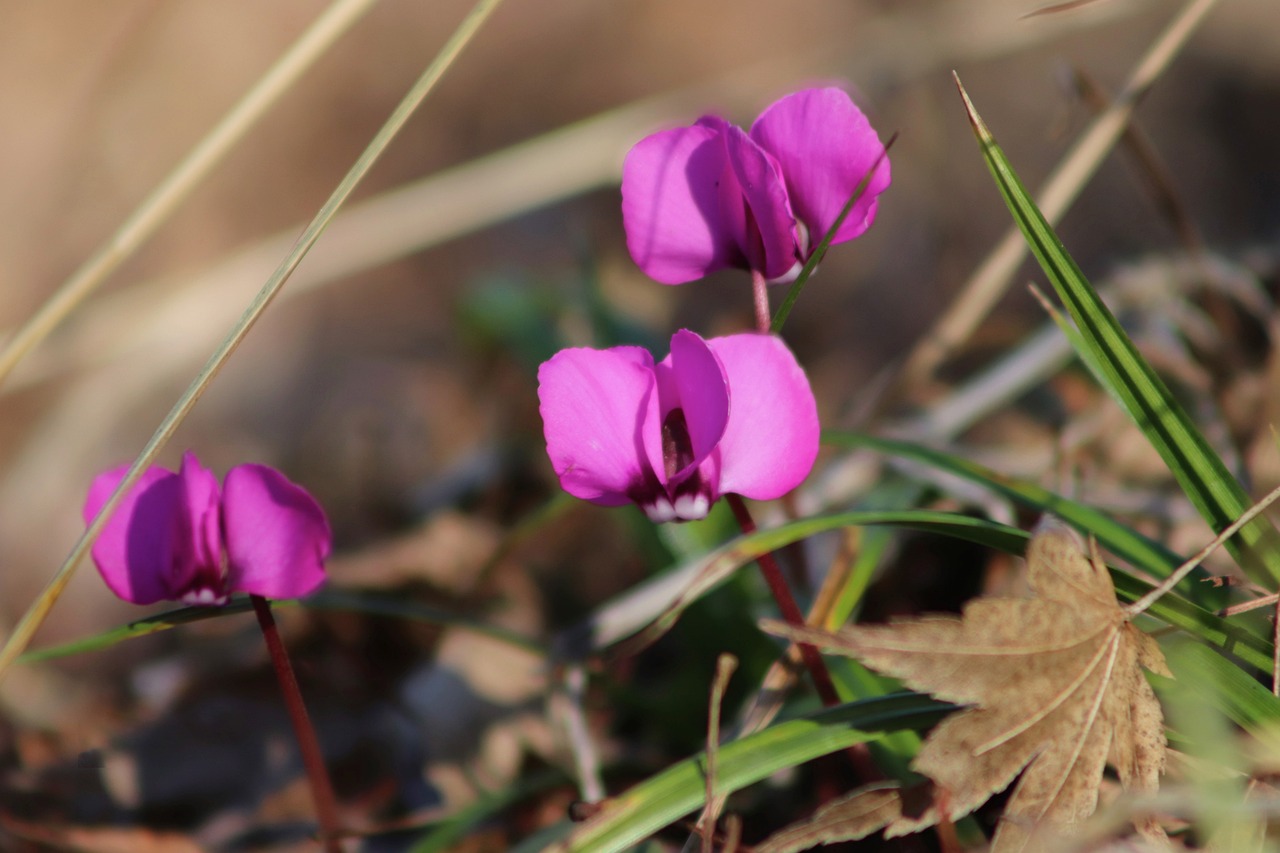
To care for a cyclamen plant, provide bright, indirect light and keep the soil consistently moist but never waterlogged. These popular houseplants are prized for their vibrant, upswept petals and patterned foliage, but they have specific environmental needs to thrive indoors. Mastering these simple conditions ensures your plant remains healthy and beautiful.
Cyclamen plants are somewhat temperamental, often struggling if their environment becomes too warm or dry. It is important to remember that these plants prefer cooler temperatures, making them ideal for brightening up your home during the winter months. Understanding their natural growth cycle is the secret to keeping them blooming for longer.
This guide covers the essential light, water, and temperature requirements to help your cyclamen bloom throughout the cooler months. We will walk you through the best practices for maintenance, including how to avoid common pitfalls like crown rot. Follow these actionable tips to successfully nurture your cyclamen and enjoy its stunning floral display.

Ideal Light and Temperature Conditions
Cyclamen plants are prized for their vibrant, upswept blooms, but they are notoriously sensitive to their environment. To keep your plant thriving, you must mimic the cool, shaded conditions of its native Mediterranean habitat. Providing the right balance of light and temperature is the most critical factor in preventing premature wilting and ensuring a long flowering season.
Light Requirements
Cyclamen thrive in bright, indirect sunlight. Think of the dappled light found on a forest floor. If you place your plant in a spot with direct, harsh sun, the delicate leaves will quickly scorch and turn yellow. Conversely, too little light can cause the stems to become leggy and weak. An east-facing window with a sheer curtain is often the perfect location.
Temperature Preferences
These plants are cool-weather lovers. They perform best when kept in temperatures between 50 and 65 degrees Fahrenheit. While they can tolerate slightly warmer conditions for short periods, consistent heat will cause the plant to enter dormancy prematurely, leading to a sudden drop in flowers and foliage.
To maintain these conditions, follow these practical placement tips:
- Avoid heat sources: Never place your cyclamen near radiators, heating vents, or fireplaces. The dry, hot air will dehydrate the plant rapidly.
- Watch for drafts: While they enjoy cool air, avoid placing them directly in the path of cold winter drafts from leaky windows or exterior doors, which can shock the plant.
- Nighttime cooling: If your home is warm during the day, moving the plant to a cooler room at night can help extend its blooming period significantly.
By keeping your cyclamen in a cool, well-lit area away from extreme temperature fluctuations, you create the stable environment necessary for the plant to remain healthy and vibrant throughout its blooming cycle. Regularly checking the foliage for signs of stress—such as drooping or browning edges—will help you determine if your chosen spot is truly the right fit.
Watering Techniques for Cyclamen
Mastering the watering routine is the most critical step in keeping your cyclamen healthy. These plants are highly susceptible to tuber rot, a condition caused by excess moisture sitting directly on the plant’s crown. By adjusting how you deliver water, you can significantly extend the lifespan of your cyclamen.
The most effective approach is the bottom-watering method. This technique allows the soil to absorb moisture through the drainage holes, keeping the delicate crown dry. Follow these steps for success:
- Place your cyclamen pot in a saucer or shallow bowl filled with about an inch of water.
- Allow the plant to soak for approximately 15 to 20 minutes.
- Lift the pot and let it drain thoroughly. Never leave the plant sitting in standing water, as this will quickly lead to root decay.
If you prefer to water from the top, you must be extremely careful to avoid the center of the plant. Direct your watering can toward the outer edges of the pot, ensuring the water reaches the soil without splashing onto the stems or the crown where the leaves emerge. If water accidentally pools in the center, gently blot it away with a paper towel to prevent fungal issues.
Frequency is just as important as technique. Cyclamen do not like to be waterlogged, nor do they enjoy being completely parched. Before you add more water, check the soil moisture with your finger. You should wait until the top inch of soil feels slightly dry to the touch. This brief drying period provides the roots with necessary aeration and prevents the tuber from becoming water-saturated.
During the plant’s active blooming season, check the soil moisture every few days. As the plant enters its dormant phase after flowering, you should significantly reduce your watering frequency to allow the tuber to rest. By observing these simple habits, you can prevent rot and enjoy vibrant, long-lasting blooms throughout the season.

Soil and Fertilizer Requirements
Cyclamen plants are sensitive to moisture levels, making the choice of soil critical to their longevity. These plants grow from a tuber, which is highly susceptible to rot if it remains damp for too long. To prevent this, always use a high-quality, well-draining potting mix specifically designed for indoor container plants. If you find your standard potting soil holds too much moisture, consider mixing in a small amount of perlite or coarse sand to improve aeration and drainage.
When potting, ensure the top of the tuber is slightly exposed above the soil line. Burying the tuber too deeply can trap moisture against the crown, leading to fungal issues and decay. Proper drainage is the most effective way to keep your cyclamen healthy throughout its lifespan.
Feeding your cyclamen provides the necessary nutrients for vibrant, long-lasting blooms. During the active growing and flowering season, follow these guidelines for optimal results:
- Use a balanced, water-soluble fertilizer formulated for houseplants.
- Always dilute the fertilizer to half-strength to avoid burning the sensitive root system.
- Apply the solution once every four to six weeks while the plant is actively producing flowers.
- Ensure the soil is slightly moist before applying fertilizer to protect the roots.
It is equally important to know when to stop feeding. As the days grow longer and the temperature rises, your cyclamen will naturally begin to shed its leaves and enter a period of dormancy. During this transition, the plant no longer requires supplemental nutrients. Cease all fertilization immediately when you notice the plant entering dormancy, as adding fertilizer at this stage can stress the tuber and interfere with its natural rest cycle. Resume a light feeding schedule only once you observe new, active growth appearing after the rest period. By matching your fertilizing routine to the plant’s natural life cycle, you encourage healthier foliage and more robust blooming seasons year after year.
Maintenance and Pruning Safety
Regular maintenance is the secret to keeping your cyclamen vibrant and encouraging a continuous display of blooms. As the plant cycles through its growing season, it is natural for older flowers and foliage to fade. Removing these spent parts promptly prevents the plant from wasting energy on dying tissue and helps keep the crown clean, which reduces the risk of fungal issues.
To remove spent flowers or yellowing leaves, the best method is the “twist and pull” technique:
- Grasp the stem firmly as close to the base of the plant as possible.
- Give the stem a gentle, clean twist.
- Pull upward in one smooth motion to detach the entire stem from the tuber.
It is important to remove the entire stem down to the base. If you leave a stub behind, it can rot and potentially damage the tuber. If a stem is too thick or stubborn to pull away cleanly, use sharp, sterilized pruning shears. Always ensure your blades are clean to prevent introducing pathogens to the plant; a jagged or crushed cut from dull blades invites infection.
Safety should always be a priority during your gardening routine. Cyclamen sap can cause skin irritation or allergic reactions in some individuals, so it is best to wear gardening gloves whenever you are handling or pruning your plants. This simple barrier protects your skin from potential contact dermatitis.
Finally, keep your maintenance tools organized and secure. Pruning shears are sharp and can be dangerous if left unattended. After you finish your gardening session, wipe your blades clean with rubbing alcohol, dry them thoroughly, and store them immediately in a locked shed or a high shelf. Keeping tools out of reach of children and pets ensures that your home gardening remains a safe and productive hobby for everyone in the household. By following these consistent care practices, you will help your cyclamen stay healthy and thrive for many seasons to come.
Managing Dormancy and Common Issues
It is perfectly normal for a cyclamen to shed its leaves and flowers once the blooming season ends. This is not a sign of failure; rather, your plant is entering its natural period of dormancy to conserve energy. When you notice yellowing foliage after flowering, gradually reduce your watering frequency. Allow the soil to dry out significantly, mimicking the plant’s native Mediterranean summer conditions.
Once the foliage has completely withered, trim away the dead stems and move the pot to a cool, dark, and well-ventilated location, such as a basement or a shaded garage. Leave the tuber undisturbed in its pot for the summer. In late August or early September, you can bring the plant back into a brighter area and resume regular watering to encourage new growth.
If your plant shows signs of distress while it is still actively growing, address these common issues promptly:
- Yellowing leaves: This often indicates the plant is too warm or the air is too dry. Move it to a cooler spot and increase humidity by placing the pot on a tray filled with pebbles and water.
- Mushy stems or crown rot: This is a classic symptom of overwatering or poor drainage. Ensure the pot has drainage holes and never allow the plant to sit in standing water. Always water from the side of the pot rather than pouring directly onto the center crown.
- Pests: Keep an eye out for aphids or spider mites. If detected, wipe the leaves with a damp cloth or use an insecticidal soap labeled safe for indoor plants.
Finally, prioritize safety in your home. Cyclamen plants contain saponins, which are toxic if ingested by animals or humans. If you have curious pets or small children, place the plant on a high shelf or in a room they cannot access. If ingestion is suspected, contact a veterinarian or your local poison control center immediately.

Dedicated team of gardening enthusiasts with years of hands-on experience testing lawn mowers, gardening tools, and outdoor equipment. We help home gardeners and professionals alike make informed buying decisions with honest, thorough reviews. From push mowers to pruning shears, we test it all so you don’t have to. Got a gardening tool you’d like us to review? Get in touch!