
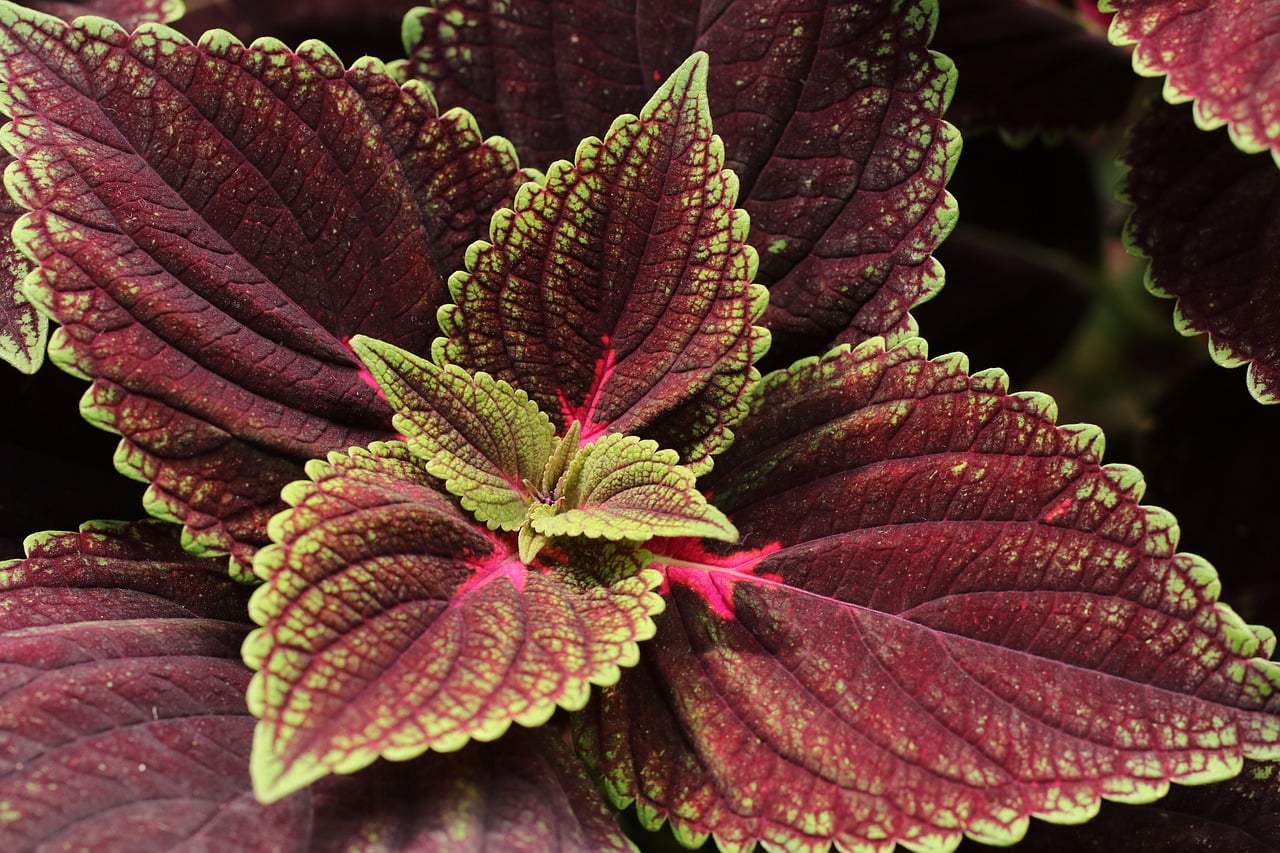
Caring for a coleus plant indoors is surprisingly simple if you provide the right balance of bright, indirect light and consistent moisture. These stunning plants are prized for their vibrant, multi-colored foliage and ease of growth, making them a favorite choice for adding a bold splash of color to any indoor space.
While coleus are often grown as annuals outdoors, they can thrive as long-lived houseplants with the proper attention. You must maintain a stable environment, as these tropical beauties are sensitive to cold drafts and extreme temperature fluctuations. Understanding their natural preferences will help you keep your foliage lush and healthy all year round.
In this guide, we break down the essential steps for successful indoor cultivation. We will cover how to provide the right light, water, and environment to keep your indoor coleus thriving year-round. Follow these practical tips to ensure your plant remains a vibrant centerpiece in your home for many seasons to come.
Optimal Light and Temperature Requirements
To keep your coleus vibrant and healthy indoors, light management is your top priority. These plants are prized for their intense, multi-colored foliage, but that color intensity depends entirely on the quality of light they receive. Aim for bright, indirect light to ensure the leaves remain bold and vivid.
The ideal location for a coleus is near a sunny window that receives plenty of natural light throughout the day. However, direct, harsh sunlight can scorch the delicate leaves. To protect your plant, follow these placement tips:
- Use a sheer curtain to filter intense afternoon sun.
- Place the pot a few feet away from a south-facing window.
- Rotate the pot weekly to ensure even growth and consistent coloration on all sides.
If you notice your coleus becoming “leggy”—stretching out with large gaps between leaves—it is likely not receiving enough light. In this case, move it to a brighter spot or supplement with a dedicated grow light for several hours a day.
Temperature stability is equally important for long-term success. Coleus plants thrive in typical household environments, preferring temperatures between 65 and 75 degrees Fahrenheit. Because they are tropical in origin, they are sensitive to sudden environmental shifts and do not tolerate extreme cold.
When selecting a spot in your home, be mindful of hidden temperature fluctuations. Avoid placing your plant in the following areas:
- Directly in front of air conditioning vents or heating ducts, which can dry out the foliage.
- Near drafty entryways or exterior doors that let in cold winter air.
- In unheated rooms or near windows where the glass becomes freezing cold during the winter months.
By maintaining a consistent temperature and providing filtered, bright light, you create the perfect indoor climate for your coleus to flourish. A stable environment prevents leaf drop and keeps the plant’s growth pattern compact and bushy throughout the year.
Watering and Humidity Best Practices
Achieving the right balance of moisture is the most critical factor in keeping your indoor coleus vibrant. These plants thrive when their soil remains consistently moist, mimicking their natural tropical environment. However, they are highly susceptible to root rot if left in standing water.
To determine when to water, use the finger test. Insert your finger about one inch into the soil. If it feels dry to the touch, it is time to water. If the soil still feels damp, wait another day or two before checking again. Always ensure your pot has functional drainage holes at the bottom so excess water can escape freely.
Coleus also appreciate higher humidity levels than those typically found in modern homes. Dry indoor air, especially during winter months when heating systems are running, can cause leaf edges to turn brown and crispy. To boost local humidity, try these practical methods:
- Pebble Tray: Place your pot on a shallow tray filled with pebbles and a small amount of water. Ensure the bottom of the pot sits on the stones, not directly in the water, to prevent the roots from soaking up too much moisture.
- Group Plants: Clustering your coleus with other houseplants creates a localized microclimate that traps moisture as the plants transpire.
- Humidifier: If you have several tropical plants, running a small humidifier nearby is the most effective way to maintain consistent moisture levels in the air.
Avoid misting the leaves directly as a primary method of increasing humidity. While it provides temporary moisture, it is often ineffective for long-term health and can occasionally encourage fungal issues on the foliage if the leaves remain wet for too long. Instead, focus on keeping the root zone evenly hydrated and the surrounding air consistently humid. By monitoring the soil moisture closely and managing the humidity, you will provide the stable foundation your coleus needs to produce its signature, colorful foliage throughout the year.

Soil Selection and Fertilization
Providing the right foundation is essential for indoor coleus success. Because these plants thrive on consistent moisture but dislike “wet feet,” your choice of soil is critical. Always use a high-quality, well-draining indoor potting mix. A blend formulated for container plants is ideal, as it typically includes peat moss or coco coir to retain necessary moisture, balanced with perlite or vermiculite to ensure excess water drains away from the roots.
To give your coleus the best start, ensure your pot has adequate drainage holes at the bottom. If you are using a decorative cachepot without holes, keep the plant in a plastic nursery liner inside to prevent water from pooling at the base, which can quickly lead to root rot.
Once established, your coleus will appreciate a regular feeding schedule during its active growing season in spring and summer. While coleus are vigorous growers, over-fertilizing can lead to leggy stems and muted leaf colors. To maintain vibrant foliage and a compact shape, follow these feeding guidelines:
- Choose a balanced, water-soluble fertilizer with an NPK ratio like 10-10-10.
- Dilute the fertilizer to half-strength to avoid burning the sensitive root system.
- Apply the solution every four to six weeks while the plant is actively producing new leaves.
- Flush the soil with plain water once every few months to prevent the buildup of mineral salts from the fertilizer.
Avoid fertilizing your coleus during the late autumn and winter months. As natural light levels drop, the plant enters a period of dormancy or significantly slowed growth. During this time, the plant does not need the extra energy boost, and forcing growth in low-light conditions often results in weak, spindly stems. Resume your regular feeding routine in early spring as soon as you notice new growth appearing, signaling that the plant is ready to thrive again.
Pruning and Maintenance Safety
To keep your indoor coleus looking its best, regular maintenance is essential. Left to grow on its own, a coleus will often become tall, lanky, and sparse. By actively managing its growth habit, you encourage a dense, bushy appearance that highlights the plant’s vibrant foliage.
The most effective way to shape your plant is by pinching back the growing tips. Using your thumb and forefinger, simply snip off the top set of leaves on each stem once the plant reaches your desired height. This action forces the plant to branch out from the nodes below the cut, doubling the number of stems and creating a fuller silhouette.
Additionally, you must be vigilant about flower spikes. While coleus can bloom, these spikes divert energy away from leaf production and often cause the plant to become “leggy” or reach the end of its life cycle prematurely. Snip these spikes off at the base as soon as you notice them forming to keep the plant focused entirely on its colorful leaves.
When your plant becomes too woody for pinching, switch to sharp pruning shears. Always follow these safety protocols to protect yourself and your plants:
- Prioritize safety: Always cut away from your body and keep your free hand well clear of the blade’s path.
- Sanitize tools: Wipe your pruning blades with a cloth soaked in rubbing alcohol before and after each session. This simple step prevents the transmission of fungal or bacterial diseases between your indoor plants.
- Make clean cuts: Ensure your shears are sharp to avoid crushing the stems, which can lead to rot or infection at the wound site.
By consistently pinching and pruning, you maintain a compact, healthy specimen that enhances your indoor space. A well-maintained coleus will reward your efforts with a continuous display of rich, saturated color throughout the year.
Troubleshooting and Long-Term Care
Even with the best intentions, indoor coleus plants may occasionally face challenges. The most common issue is becoming “leggy,” where the stems stretch out with large gaps between leaves. This is almost always a signal that your plant is craving more bright, indirect light. If your coleus looks sparse, don’t hesitate to prune it. Pinching back the tips of the stems encourages the plant to grow bushier and more compact, resulting in a fuller, more vibrant display.
Pests can sometimes hitch a ride into your home. Keep a close watch for tiny invaders like aphids or spider mites, which often hide on the undersides of leaves. If you spot them, act quickly to protect your plant:
- Isolate the affected coleus from other houseplants to prevent the infestation from spreading.
- Gently wash the leaves with a mild solution of water and a drop of dish soap, or apply a ready-to-use insecticidal soap.
- Repeat the treatment every few days until the pests are completely eradicated.
Watering habits are another critical factor for long-term health. If your coleus appears wilted despite the soil feeling consistently moist, you may be dealing with root rot. This occurs when roots sit in stagnant water, preventing them from absorbing oxygen. Carefully remove the plant from its pot to inspect the roots; healthy roots should be firm and white, while rotting roots appear mushy, dark, and may emit a foul odor. If rot is present, trim away the damaged sections and repot the plant in fresh, well-draining soil.
Finally, remember that patience is part of the process. If you notice persistent yellowing, brown spots, or stunted growth that refuses to improve despite providing optimal light, water, and humidity, do not get discouraged. These symptoms can sometimes point to underlying issues like nutrient deficiencies or pH imbalances. In these cases, it is best to consult a local nursery professional. They can provide expert, location-specific advice to help your coleus thrive for seasons to come.

Dedicated team of gardening enthusiasts with years of hands-on experience testing lawn mowers, gardening tools, and outdoor equipment. We help home gardeners and professionals alike make informed buying decisions with honest, thorough reviews. From push mowers to pruning shears, we test it all so you don’t have to. Got a gardening tool you’d like us to review? Get in touch!