
Learning how to care for a Christmas cactus indoors is simpler than many new plant owners realize. These resilient succulents thrive when provided with bright, indirect light and consistent, moderate watering routines. By mimicking their natural tropical environment, you can ensure your plant remains healthy and produces its signature festive flowers year after year.
While often associated with the holiday season, these cacti are actually long-lived houseplants that require specific conditions to bloom reliably. Unlike desert cacti, they prefer higher humidity and slightly cooler temperatures, especially during their autumn rest period. Understanding these distinct environmental needs is the key to preventing common issues like leaf drop or bud failure.
This comprehensive guide covers all the essential care requirements for keeping your Christmas cactus healthy and thriving year-round. We will explore the precise light, water, and temperature needs necessary to help your indoor plant reach its full potential. Follow these practical steps to master the art of nurturing your plant for a vibrant, long-lasting display.

Understanding the Light and Temperature Needs
Unlike desert cacti that crave intense, scorching sun, the Christmas cactus (Schlumbergera) is a tropical epiphyte. In its native rainforest habitat, it grows in the dappled shade of tree canopies. To help your plant thrive indoors, you must mimic these filtered light conditions.
The ideal location for your Christmas cactus is near an east-facing window. Here, the plant receives gentle morning sun, which is perfect for promoting healthy growth without damaging the delicate, flat leaves. If you only have south or west-facing windows, place the plant a few feet back from the glass or use a sheer curtain to diffuse the light. If the leaves begin to turn reddish or develop yellow patches, it is a clear sign the plant is receiving too much direct sunlight and needs to be moved.
Temperature consistency is equally vital for the long-term health of your cactus. These plants prefer moderate indoor temperatures and will reward you with consistent growth if you keep their environment stable. Follow these guidelines to maintain an ideal climate:
- Maintain the “Goldilocks” zone: Keep your indoor temperature between 65°F and 75°F (18°C to 24°C).
- Avoid temperature swings: Keep the plant away from drafty entryways, cold windowsills, or air conditioning vents.
- Steer clear of heat sources: Do not place your cactus directly next to radiators, space heaters, or wood stoves. Sudden bursts of dry, hot air can cause the plant to drop its flower buds prematurely.
While the Christmas cactus is relatively adaptable, it dislikes sudden environmental changes. Once you find a spot that provides bright, indirect light and a steady temperature, try to leave the plant undisturbed. This stability is the secret to ensuring your cactus stays vibrant throughout the year and produces a spectacular display of blooms when the winter season arrives.
Watering and Humidity Best Practices
Unlike desert cacti that thrive in arid conditions, the Christmas cactus (Schlumbergera) is a tropical epiphyte. This means it requires more consistent moisture to stay healthy and bloom reliably. Proper hydration is the most critical factor in preventing leaf drop and ensuring your plant remains vibrant throughout the winter season.
To water your Christmas cactus correctly, use the “top inch” rule. Before adding water, insert your finger into the soil. If the top inch feels dry to the touch, it is time to water. If the soil still feels damp, wait a few more days. Overwatering is the most common cause of root rot, so never allow the plant to sit in standing water.
Drainage is non-negotiable for these plants. Always use a pot with adequate drainage holes. If your decorative pot lacks holes, keep the plant in a plastic nursery liner inside the decorative container, and be sure to empty any excess water that collects in the bottom after each watering session.
Because these plants are native to humid rainforest environments, they often struggle in the dry air of heated homes. If you notice the leaf segments shriveling or looking dull, your plant likely needs more ambient humidity. You can easily boost moisture levels using these practical methods:
- Pebble Tray: Place your plant pot on a shallow tray filled with pebbles and a small amount of water. Ensure the bottom of the pot sits on the stones, not directly in the water, to prevent root rot.
- Group Plants: Clustering your Christmas cactus with other houseplants creates a microclimate that naturally increases the humidity around the leaves.
- Avoid Heat Sources: Keep your plant away from direct blasts of air from radiators, space heaters, or heating vents, which can rapidly dehydrate the foliage.
By mimicking the tropical conditions of its natural habitat, you will provide the consistent environment your Christmas cactus needs to thrive and produce its signature holiday blooms.
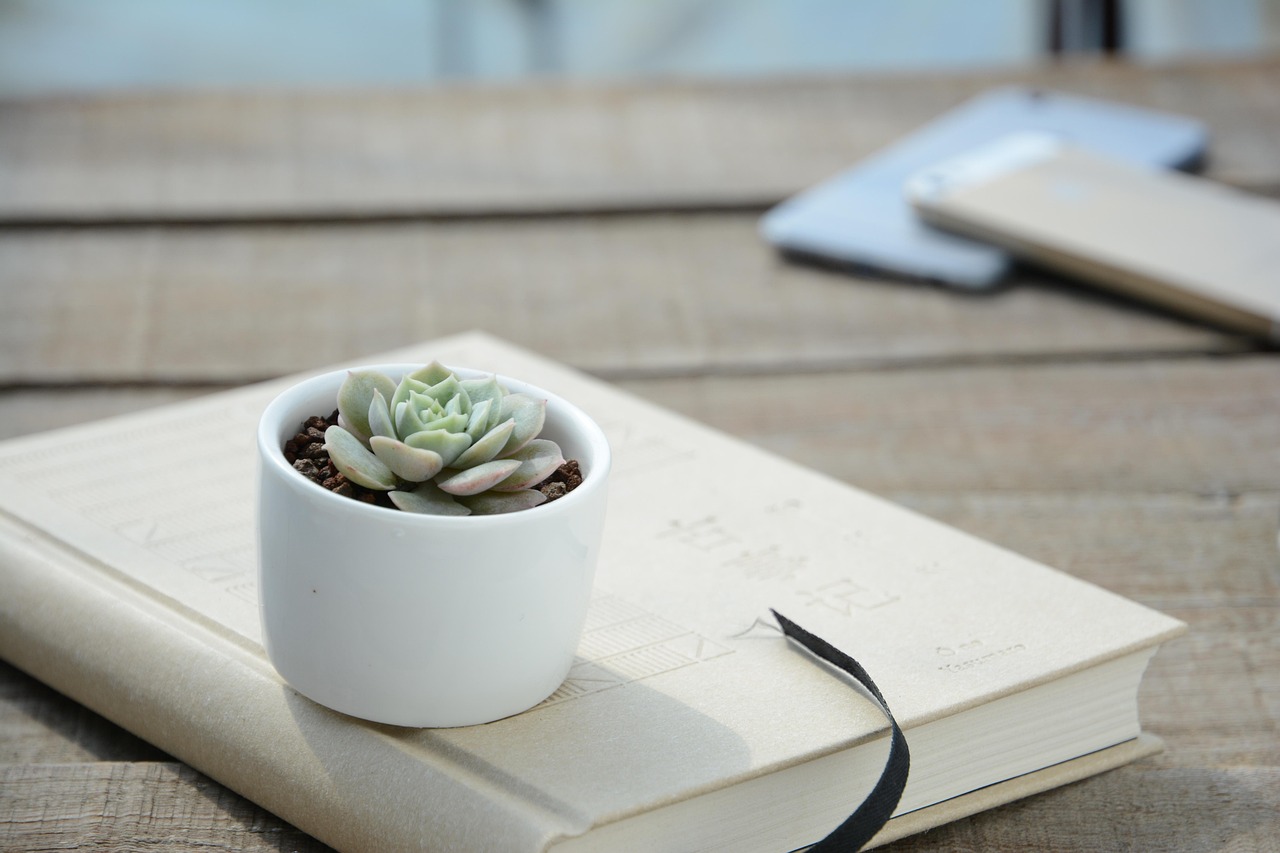
Soil Requirements and Pruning Safety
Unlike many common houseplants that thrive in dense, moisture-retentive soils, the Christmas cactus is an epiphyte. In its native tropical environment, it grows on tree branches, meaning its roots require excellent aeration and rapid drainage to remain healthy. Using standard potting soil often leads to waterlogged roots and eventual rot. Instead, select a potting mix specifically formulated for succulents or cacti. These blends typically incorporate perlite, pumice, or sand, which create the necessary air pockets for root respiration.
Pruning is a vital practice for maintaining the vigor and aesthetic appeal of your Christmas cactus. Trimming the stems encourages the plant to branch out, resulting in a fuller, bushier appearance rather than long, leggy growth. The best time to prune is a few weeks after the plant has finished its blooming cycle.
To ensure a safe and effective pruning process, follow these guidelines:
- Use Proper Tools: Always use clean, sharp pruning shears or scissors. Dull blades can crush the delicate stem tissue, creating entry points for pathogens. Sterilize your blades with rubbing alcohol before and after use to prevent the spread of disease.
- Wear Protective Gear: While Christmas cacti are not toxic to touch, their stems can be brittle, and accidental nicks from the edges of the segments are possible. Wear comfortable gardening gloves to protect your hands while handling the plant.
- Ensure Stability: These plants can become top-heavy, especially if they are growing in lightweight plastic pots. Before you begin pruning, place the pot on a flat, stable surface. This prevents the plant from tipping over, which could damage the stems or spill soil across your workspace.
When you prune, simply pinch or cut off a segment or two from the end of each stem. You can easily propagate these cuttings by placing them in a small pot of fresh, damp succulent mix, allowing you to expand your collection or share the plant with friends.
Encouraging Seasonal Blooms
Unlike many houseplants that bloom based on light intensity, the Christmas cactus is a photoperiodic plant. This means its flowering cycle is triggered by the length of uninterrupted darkness it receives. If your plant has failed to bloom in previous years, mimicking its natural habitat during the autumn months is the most effective way to encourage a vibrant display.
To initiate bud development, you must provide the plant with a strict schedule of darkness and cooler temperatures starting in late fall, typically about six to eight weeks before you want it to bloom.
Follow these steps to successfully trigger your Christmas cactus:
- Provide total darkness: Each night, place the plant in a room that remains completely dark for 12 to 14 hours. Avoid even small amounts of artificial light, such as lamps or streetlights, as these can interrupt the process and prevent buds from forming.
- Lower the temperature: During this six-week period, keep the plant in a cooler environment, ideally between 55 and 60 degrees Fahrenheit (13 to 15 degrees Celsius). A basement, an unheated spare room, or a cool porch works well, provided the temperature does not drop to freezing.
- Reduce watering: While maintaining the cooling period, slightly reduce your watering frequency. Allow the top inch of soil to dry out completely before adding more water. This mild stress helps signal the plant to shift its energy from vegetative growth to flower production.
Once you notice small buds forming at the tips of the leaf segments, you can move the plant back to its regular spot in your home. Ensure the location offers bright, indirect light and maintain a consistent temperature. Avoid moving or rotating the pot once the buds appear, as sudden changes in light orientation or temperature can cause the developing buds to drop prematurely. With patience and consistent conditions, your Christmas cactus will reward you with a stunning array of colorful, tubular flowers just in time for the holiday season.

Troubleshooting and Follow-up Care
Even with the best intentions, your Christmas cactus may occasionally show signs of distress. Understanding how to interpret these signals is key to restoring its health. Most issues, such as leaf drop or wilting, are direct consequences of environmental stress rather than complex diseases.
The most frequent culprit is overwatering. These succulents require their soil to dry out slightly between waterings; if the roots sit in waterlogged soil, they will quickly succumb to rot. Conversely, sudden temperature shifts—such as placing the plant near a drafty window, a heating vent, or a fireplace—can cause the segments to shrivel or drop prematurely.
If your plant looks sickly despite your best efforts, perform a thorough inspection:
- Check the roots: Gently remove the plant from its pot. Healthy roots are firm and light-colored. If they appear mushy, dark, or smell foul, root rot has set in. Trim away the damaged sections and repot in fresh, well-draining cactus mix.
- Scan for pests: Inspect the undersides of leaves and the joints for tiny white webs or cottony masses, which indicate spider mites or mealybugs. Wipe these away with a damp cloth or treat with neem oil.
- Evaluate light: If the leaves are turning reddish, the plant is receiving too much direct sunlight. Move it to a spot with bright, indirect light instead.
Avoid the temptation to repot your Christmas cactus too frequently. These plants actually prefer to be slightly root-bound to bloom effectively. You should only move your cactus to a larger container once the roots have completely filled the current pot and are beginning to grow out of the drainage holes. Use a pot only one size larger to prevent excess soil from retaining too much moisture.
If you notice persistent discoloration, structural decline, or unusual spots that do not resolve after adjusting your care routine, consult a local nursery. A professional can help identify specific fungal or bacterial issues that may require specialized treatment beyond standard home care.

Dedicated team of gardening enthusiasts with years of hands-on experience testing lawn mowers, gardening tools, and outdoor equipment. We help home gardeners and professionals alike make informed buying decisions with honest, thorough reviews. From push mowers to pruning shears, we test it all so you don’t have to. Got a gardening tool you’d like us to review? Get in touch!